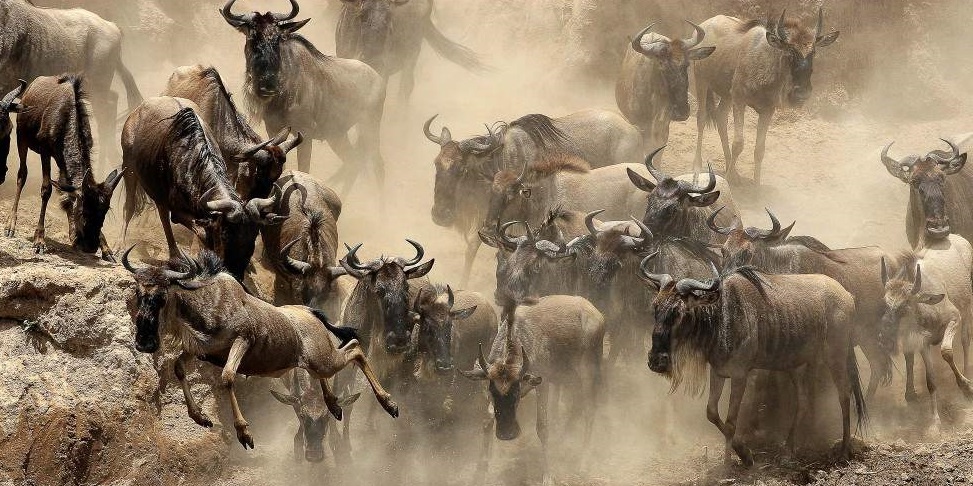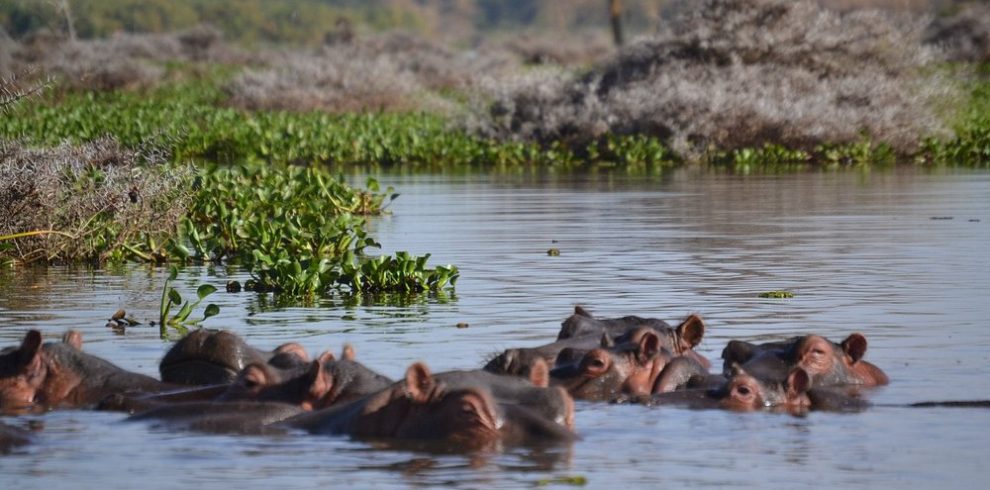
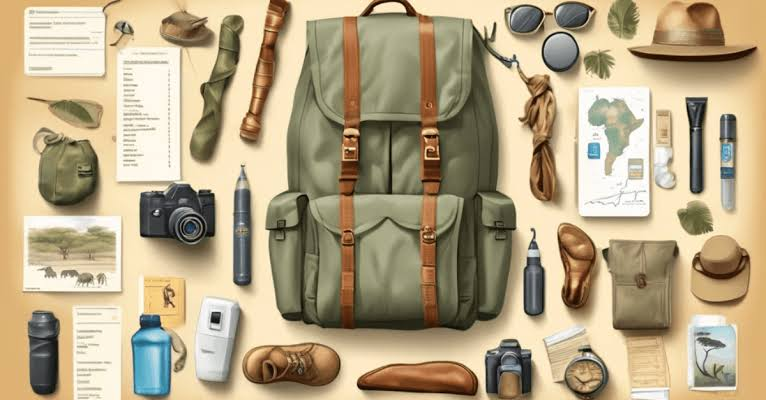
A safari is a dream vacation for many – an opportunity to see Africa’s magnificent wildlife in the wilderness, discover expansive wild terrains, and experience the thrill of adventure. However, before embarking on your once‑in‑a‑lifetime safari, you need to pack the right items to ensure a comfortable, enjoyable, and safe experience.
This comprehensive guide covers everything you need to know about what to pack for a safari. Whether you are heading to the savannahs of Kenya, the deserts of Namibia, or the bush of South Africa, the basics remain the same. Proper clothing, gear, and essentials will help you make the most of your safari adventure, ensuring you are prepared for everything the wilderness has to offer.
Clothing Essentials: Dressing for the Safari Environment
Your clothing is one of the most important considerations when packing for a safari. Safari environments are hot during the day but can become chilly at night, so dressing in layers is essential.
1. Lightweight, Neutral‑Coloured Clothing
The key to dressing for a safari is lightweight, breathable, comfortable clothing. Avoid bright colours and opt for neutral tones such as khaki, beige, olive green, and brown. These colours help you blend into the surroundings and reduce the risk of startling animals. Dark colours, particularly black, can attract mosquitoes and should be avoided in malaria‑prone areas.
- Long‑Sleeved Shirts and Pants: Long sleeves and trousers protect you from sunburn, insects, and thorny bushes. Choose fabrics such as cotton or moisture‑wicking blends to stay cool and dry.
- Shorts and T‑Shirts: Suitable for warmer parts of the day, especially during midday heat. Ensure they are lightweight, comfortable, and easy to move in.
2. Weather‑Appropriate Outerwear
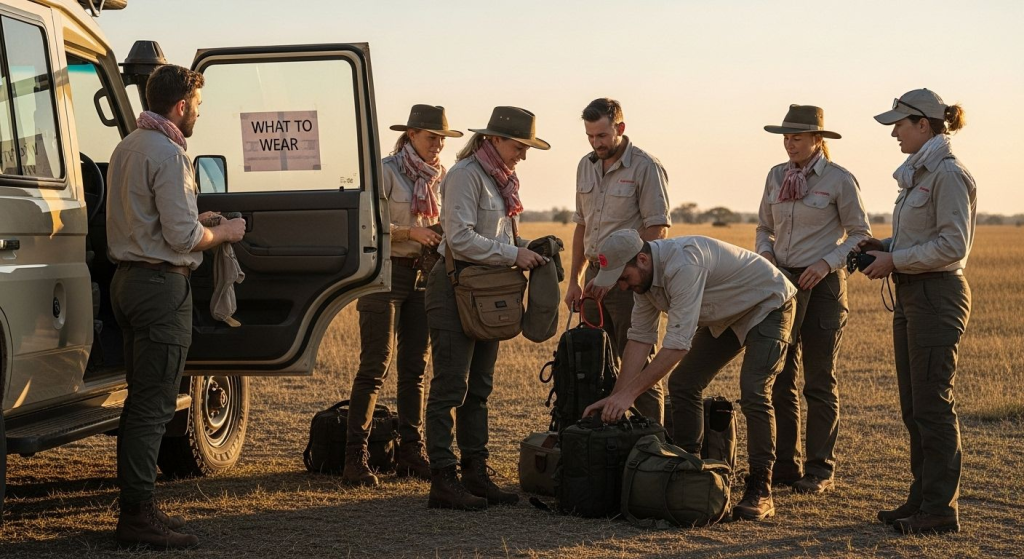
Safaris are often associated with heat and dryness, but mornings and evenings can be surprisingly cold. Pack the following to stay comfortable:
- Light Jacket or Fleece: Essential for early morning game drives when temperatures are cooler. If you are visiting a higher‑altitude safari area such as the Maasai Mara, a warmer jacket may be needed.
- Waterproof Jacket: If travelling during the rainy season or visiting a region with unpredictable weather, a waterproof jacket is essential.
3. Sun Protection
Sun protection is essential when spending long hours under the African sun. Include the following items:
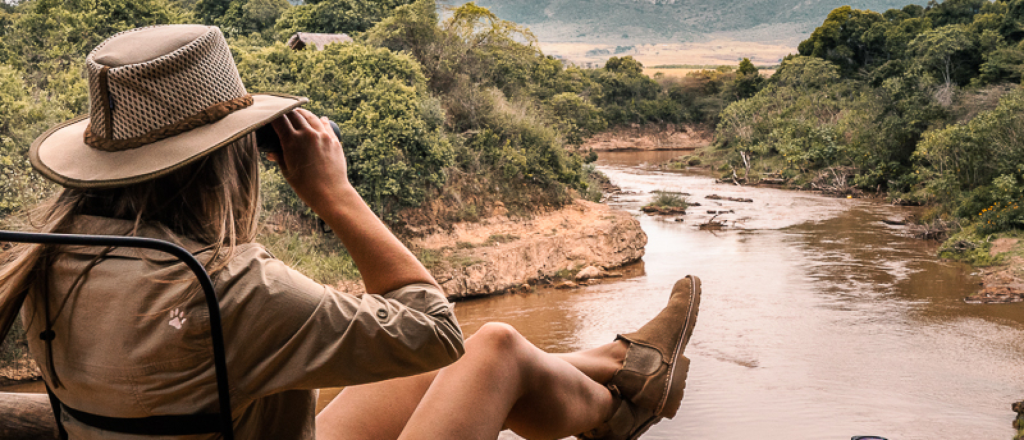
- Wide‑Brimmed Hat: Protects your face, neck, and ears from direct sunlight.
- Sunglasses: Choose a pair with UV protection to shield your eyes.
- High‑SPF Sunscreen: Apply regularly throughout the day; waterproof sunscreen is recommended.
- SPF Lip Balm: Protects your lips from sun damage.
4. Comfortable Footwear
You will be walking and driving on uneven surfaces during your safari, so comfortable, durable footwear is essential.
- Sturdy Walking Shoes or Hiking Boots: Ideal for bush walks and outdoor activities. They should provide good support and protection against thorns and rough terrain.
- Sandals or Flip‑Flops: Suitable for relaxing around the camp or lodge.
5. Insect Protection
Mosquitoes and other insects are common in safari areas, so clothing that offers protection is important.
- Insect‑Repellent Clothing: Long‑sleeved shirts and pants treated with insect‑deterrent fabric provide an extra layer of protection.
- Insect Repellent: A good‑quality repellent containing DEET or other active ingredients will help keep bites at bay. Apply to bare skin and clothing.
- Head Net: Provides additional protection in mosquito‑dense areas.
Safari Gear and Accessories
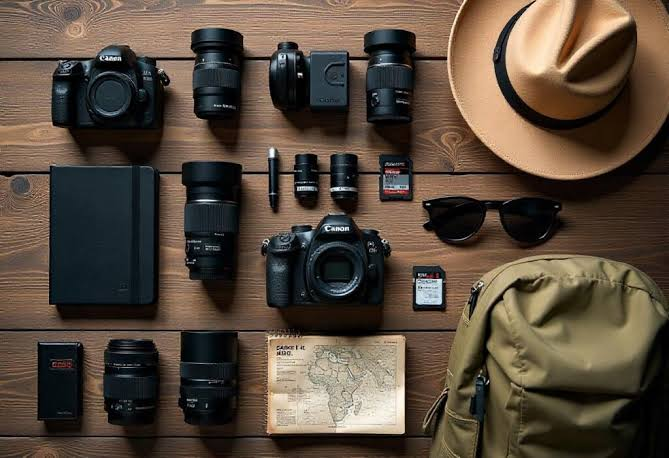
Packing the right gear and accessories can make the difference between a successful adventure and a frustrating one. Here is a list of essential equipment for your safari.
6. Camera and Binoculars
A safari is a photographer’s dream, so do not leave behind the equipment to capture the magnificent wildlife.
- Camera: A DSLR or mirrorless camera is ideal for safari photography. Bring extra memory cards and batteries, as charging opportunities may be limited on game drives or in remote locations.
- Binoculars: A good pair of binoculars is indispensable for viewing wildlife at a distance. Choose binoculars with a minimum magnification of 8x for steady viewing.
7. Backpack or Daypack
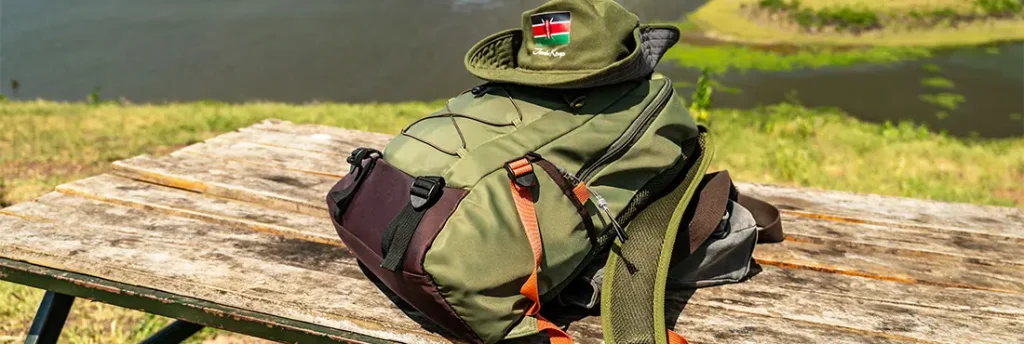
A small, lightweight, sturdy daypack is essential for carrying daily essentials such as water, snacks, camera equipment, and sunscreen during game drives. Choose one that is lightweight but has enough space for necessities.
8. Reusable Water Bottle
Staying hydrated is vital in the hot safari environment. Carry a refillable water bottle to keep you hydrated throughout the day. While many lodges provide bottled water, bringing your own is more eco‑friendly.
9. Safari Book or Field Guide
Bringing a field guide or wildlife book on the region you are visiting enhances your experience, helping you learn more about the animals you encounter. Wildlife apps can also be downloaded and provide guides to various species.
10. Power Bank or Solar Charger
Power is not always available on safari, especially in remote camps. A portable solar charger or power bank will keep your phone, camera, and other devices charged.
Personal Care Items
Most lodges and camps provide only basic toiletries, as safari destinations are often remote. Bringing your own personal care items ensures you have everything you need.
11. Toiletries
- Toothbrush and toothpaste.
- Shampoo and conditioner (travel‑sized bottles).
- Body wash (biodegradable options are recommended for eco‑sensitive areas).
- Deodorant.
- Quick‑dry towel or wet wipes.
- Hand sanitiser.
12. Medication and First Aid Kit
Carry a small first aid kit for minor medical issues. Essential items include:
- Painkillers: Ibuprofen or paracetamol for headaches or muscle pain.
- Anti‑Diarrhoea Medication: Useful for digestive issues, especially when local food differs from your normal diet.
- Anti‑Malarial Drugs: Consult your doctor about malaria prevention and other necessary vaccinations.
- Antiseptic Wipes or Cream: For minor cuts or insect bites.
13. Documents and Travel Insurance
Ensure you have all the necessary documents for your safari:
- Travel Insurance: Essential coverage for medical emergencies, trip cancellation, and evacuation.
- Passport and Visa: Ensure your passport is valid and you have the necessary visa for your destination.
- Emergency Contacts: Keep a list of key contacts such as your embassy, insurance company, and safari lodge.
Other Useful Items
The following accessories can make your safari more comfortable:
14. Zip‑Lock Bags or Waterproof Pouches
Waterproof bags are excellent for keeping electronics and valuables dry. Zip‑lock bags are useful for storing snacks, toiletries, or wet clothes.
15. Snacks
While most safari lodges provide all meals, carrying light snacks such as dried fruit, nuts, and granola bars is useful between game drives.
16. Travel Pillow or Blanket
A travel pillow or lightweight blanket can make long game drives or travel to your safari destination more comfortable, helping you rest and relax.
Packing Tips for a Safari
- Layer your clothing: Mornings and evenings can be cool, while midday is hot. Layers allow you to adjust to changing temperatures.
- Stick to neutral colours: Khaki, beige, olive, and brown are ideal. Avoid bright colours and white, which can reflect sunlight and startle animals.
- Pack light: Most safari lodges offer laundry services, so you do not need to pack for every day.
- Protect your gear: Dust and sand can damage cameras and binoculars. Carry protective covers or bags.
- Carry a small daypack: Keep essentials such as water, sunscreen, and camera equipment accessible during game drives.
Final Thoughts
Packing the right equipment is essential for a satisfying safari experience. From the ideal safari wardrobe to crucial accessories such as binoculars and cameras, knowing what to pack for a safari ensures you are prepared for game drives, wildlife sightings, and downtime at your lodge or camp. With careful packing, you can focus on enjoying the natural beauty and wildlife of Africa, creating memories that will last a lifetime.