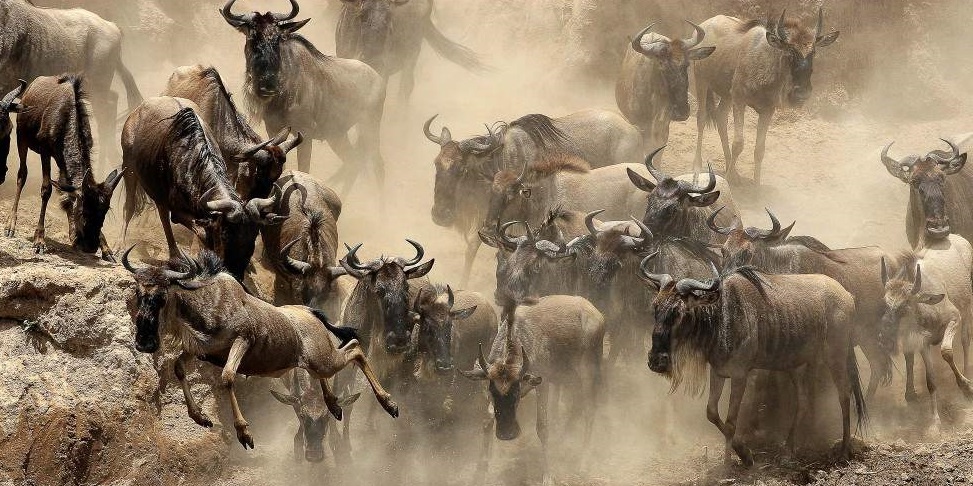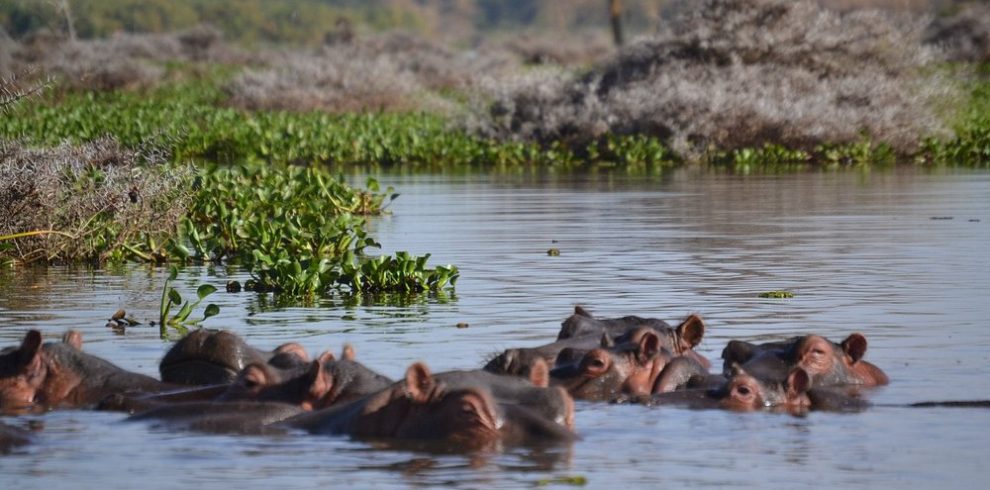
A safari is a fantasy vacation to most people; an opportunity to see the grand wildlife in Africa in the wilderness, to discover expansive wild terrains, and the adventure adventure is exciting. Nevertheless, you need to know and pack the right things before starting your once-in-a-lifetime safari in order to experience a comfortable, enjoyable, and safe safari.
Within the comprehensive guide we shall exquisitely digitize what is to be packed when on a safari. On your way down to the savannahs in Kenya, deserts in Namibia or the bush in South Africa, the basics will be mostly similar. Proper outfits, gear, and paraphernalia will help you ensure your safari adventure and make the most of it to ensure that anything the adventure has to offer strikes you preparatively.
Clothing Essentials: Dressing for the Safari Environment
Your clothes are one of the most significant when it comes to packing to the safari. During the day, a safari environment is hot thus, it is important to dress up in a layer to take care of the heat but at night time, it gets chilly hence the need to dress up accordingly to take care of the cool evenings.
1. Lightweight, Neutral-Colored Clothing
For safaris, the key to dressing well is to wear lightweight, breathable, and comfortable clothing. It is not advisable to use brighter colors, so it is better to use neutral ones, like khaki, beige, olive green and brown. The colors assist you to camouflage with the surroundings and minimise the risks of scaring animals. Besides, dark colors may appeal to mosquito, such as black and it should be avoided in malaria-infested environments.
• Long-Sleeve Shirts & Pants: A long-sleeve shirt and long pants are recommended to protect you from sunburns, insects, and thorny bushes. Select materials such as cotton or moisture-wicking blends in order to be cool and dry.
• Shorts & T-shirts: For the warmer parts of the day, especially during the mid-day heat, shorts and t-shirts are appropriate. However, always ensure you’re wearing clothing that is easy to move in, lightweight, and cool.
2. Weather-Appropriate Outerwear
Safaris are being linked to heat and dryness but rather on the mornings and evenings, the weather may be colder. To be ready against such chilly occasions as these, carry the following:
• Light Jacket or Fleece: A lightweight jacket or fleece will keep you comfortable on early morning game drives when temperatures are cooler. In case you are going to a safari area at a higher altitude such as the Masai mara then you would have to use a jacket that is a bit warmer.
• Waterproof Jacket: If you’re traveling during the rainy season or going on a safari in a region with unpredictable weather, pack a waterproof jacket to stay dry.
3. Sun Protection
Sun protection is a must when you’re out on safari for long hours under the African sun. Here’s what you’ll need:
Hat: The hat will block the sun on the face, neck and ears and give some shade.
• Sunglasses: You need to get a pair of sunglasses with protection against the UV to avoid the damaging sunlight.
• Sunscreen: Pack high-SPF sunscreen of a high-SPF range (ideally waterproof) to be applied throughout the day.
• SPF Lip Balm: Remember to apply your lips with an SPF cover.
4. Comfortable Footwear
During the safari trip, you will be walking and driving on uneven surfaces, therefore, to be used, wearable footwear is required that is comfortable and durable.
• Heavy Walking Shoes: When going on bush walks or any other outdoor work, use heavy, closed-toe walking shoes or hiking boots. They are expected to support and protect well against thorns or rough surfaces.
• Sandals or Flip-Flops: For relaxing around the camp or lodge, lightweight sandals or flip-flops are a good option.
5. Insect Protection
The wild creatures especially the mosquitoes are prevalent in the safari and one should have packed clothes that will provide protection against insects.
• Insect Repellent Clothing: It is a good idea to bring out long sleeve clothing and pants that have been developed with insect-deterrent fabric as an additional protective measure.
• Insect Repellent: DEET or other active ingredients in a good quality insect repellent will serve to keep the bites away. Put it on bare skin and clothing.
• Head Net: A head net can serve as an improvement of protection in mosquito habitats.
Safari Gear and Accessories
What makes the difference between an adventure in African wilderness and failing miserably is to pack the most appropriate equipment. The following is a list of what you will need in terms of the gear and other accessories in your safari.
6. Camera and Binoculars
A visit to a safari is a wealth of dreams to a photographer, not to mention leaving behind the equipment to shoot the magnificent wildlife.
• Camera:Camera: A DSLR or mirrorless camera will be perfect in safari photography. Always remember to carry an extra memory card and battery because the power sources available on a game drive or on remote places may be few.
• Binoculars: A good pair of binoculars is an indispensable item when viewing wildlife at a distance. Use binoculars that have a minimum magnification of 8x to see at a steady rate.
7. Backpack or Daypack
A small lightweight and sturdy daypack or backpack is necessary to bring your daily essentials including water, snacks, camera equipment, and sunscreen among other items that you need during your game drives. Select one which is lightweight and less bulky, though luggage-space is sufficient that the necessities can be stored.
8. Water Bottle
In such hot safari setting, hydration is vital which has made it a point of carrying a refillable water bottle which helps in keeping you hydrated all through the day. A lot of lodges do serve bottled water but it is better to bring your own which is more ecological.
9. Safari Book or Field Guide
Bringing a field guide or wildlife book on the region you will visit is a pleasant experience when learning more about the animals you come across as a nature enthusiast and a bird watcher. Wildlife apps can also be downloaded and provide guides to various animals.
10. Power Bank or Solar Charger
Power is not always everywhere when you go on a safari particularly when you are in an isolated camp. A portable solar charger or power bank will keep your phone, camera and other devices charged.
Personal Care Items
Most lodges and camp equipment will have only basic toiletry as the safari destinations are remote. However, it’s a good idea to bring your own personal care items to ensure you have everything you need.
11. Toiletries
• Toothbrush and Toothpaste
• Shampoo and Conditioner: Use the travel-size bottles.
• Body Wash: You may want to pack a bio-based body wash in case you are worried about your impact on the environment.
• Deodorant
• Towel/Wet Wipe: Not all camps have towels, and it is always nice to have a quick-dry towel or wet wipes on hand.
• Hand Sanitizer: The bottle of hand sanitizer can come in handy where you are not able to find such facilities or just you are on top of the bush.
12. Medication and First Aid Kit
You should also have a little first aid kit with you at all times in case of minor medical problems. Essential items may include:
• Pain Killers: Headaches or muscle pain Ibuprofen or paracetamol.
• Anti-Diarrhea Medication: This is the best idea when it comes to bringing medication against digestive problems particularly in places where the local food may be different with your normal food.
• Anti-Malarial Drugs: Talk to your doctor about malaria prevention and other vaccinations needed in the area you are visiting.
• Antiseptic Wipes or Cream: To any minor cuts or insect bites.
13. Documents Travel Insurance.
It is up to you to make sure you have what you need to go on safari:
• Travel Insurance: you must have a travel insurance that includes medical emergency, trip cancellation and evacuation.
Passport and Visa:Make sure that you have an active passport and that you have a visa to visit the country you are traveling to or that you have a visa.
Emergency Contacts: Keep a list of key contacts like the embassy, insurance company and the lodge (safari).
Other Useful Items
The following are some of the accessories/things that can help to make your safari more comfortable:
14. Zip-Lock Bags or Waterproof Pouches.
Water proof bags are excellent and keep your gadgets and other valuable items dry. Snacks, toiletries or wet clothes can be stored in zip-lock bags.
15. Snacks
Most safari lodges offer all the meals, however, you might wish to carry some light snacks to have in between game drives or during your meals. Dried fruit, nuts and granola bars are wonderful.
16. Travel Pillow or Blanket
For a more comfortable ride during long game drives or travel to your safari destination, a travel pillow or lightweight blanket can help you rest and relax.
Final Thoughts
In any kind of planning related to a safari, one must consider having the proper equipment to make the process as satisfying as possible. To the ideal safari wardrobe to the crucial safari accessories such as binoculars and cameras, understanding what to take on a safari trip will help you be prepared in all aspects in terms of game drives and wildlife sightseeing, as well as in terms of having downtime in your new lodge/camp. Through wise packing, you can also experience the natural beauty and wildlife of African lands and be carefree and make the most of your memorable safari trip.