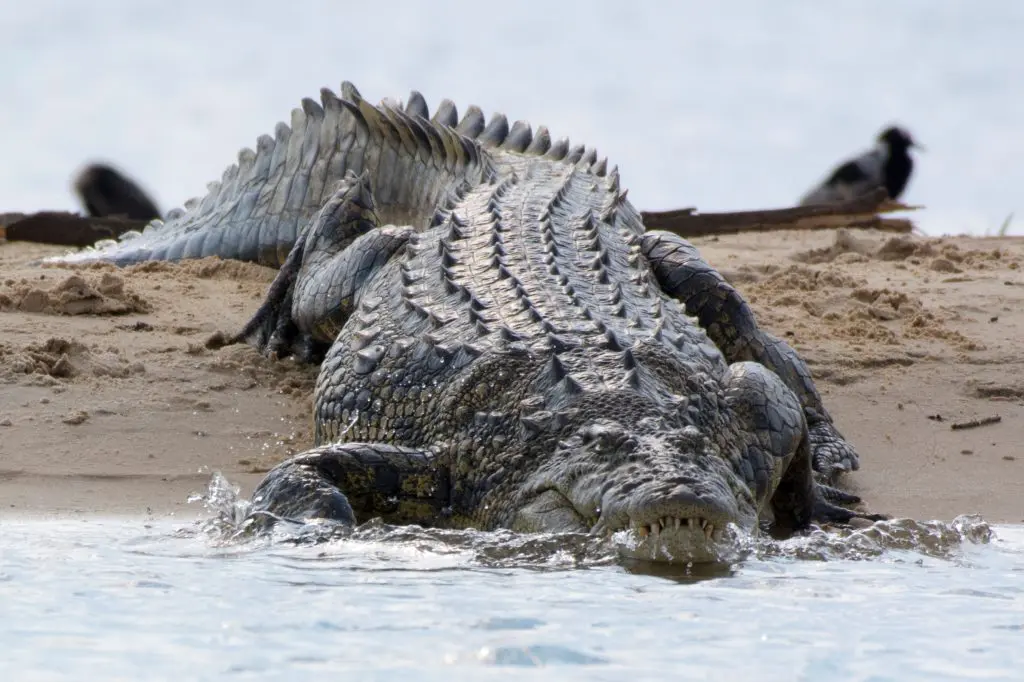
The Nile Crocodile (Crocodylus niloticus) is one of the most awe-inspiring and formidable creatures of the African continent. Known for its fierce reputation and ancient lineage, the Nile Crocodile is a species that has captured the imaginations of people around the world for centuries. This creature has evolved strong jaws, stealth maneuvers during the hunt, and an important role in the sustainability of rivers and lakes ecosystems-making it an absolute wonder of nature. In this article, we will explore 5 fascinating facts about the Nile Crocodile, shedding light on its impressive abilities, behaviors, and ecological importance.
1. The Nile Crocodile Is a Top Apex Predator
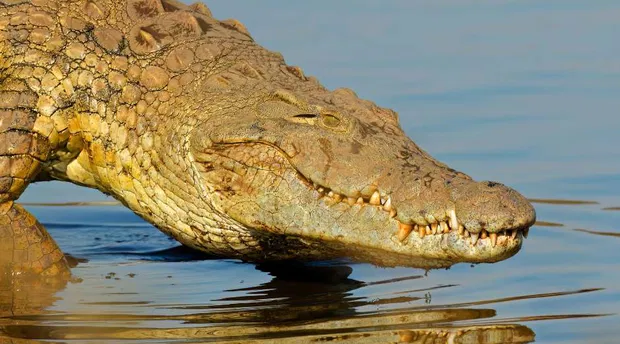
When it comes to the food chain in its native environments, the Nile Crocodile stands proudly at the top. As an apex predator, the Nile Crocodile plays a crucial role in maintaining the balance of its ecosystem by controlling the populations of various animals. This species of crocodiles can hunt a diversity of animals, including fish, birds, and even mammals of significant sizes, and it is one of the most dangerous predators that exist in the world.
Powerful Hunting Skills
The facts about the Nile Crocodile reveal its exceptional hunting ability. Nile Crocodiles use their incredible strength, stealth, and patience to capture prey. All of them ambush predators, most of them lying just beneath the surface of the water where they sit with bated breath until the right moment to attack. As an unsuspecting animal like an antelope or zebra casually comes to drink water, the crocodile then furiously, with lightning speed pounces on it with his powerful jaws. The crocodile has its hunting tactic on surprise. By staying nearly all submerged, it can approach its victim so closely as to attack. Once it has grabbed hold of its prey, the Nile Crocodile uses its massive jaws to crush bones and immobilize the victim. The strength of the Nile Crocodile’s bite is staggering, and it is capable of exerting pressure up to 5,000 pounds per square inch (psi), making it one of the strongest bites in the animal kingdom.
Ambush and ‘Death Roll’
In addition to its powerful bite, the Nile Crocodile also utilizes a technique called the “death roll.” This practice consists of seizing its prey and spinning the body around in the water extremely fast to overcome the object of prey with the force. Death roll is one of the most successful method of attacking and dragging large prey because the crocodile can literally rip off pieces of flesh or completely incapacitate its prey.
2. The Nile Crocodile Has an Ancient Evolutionary History
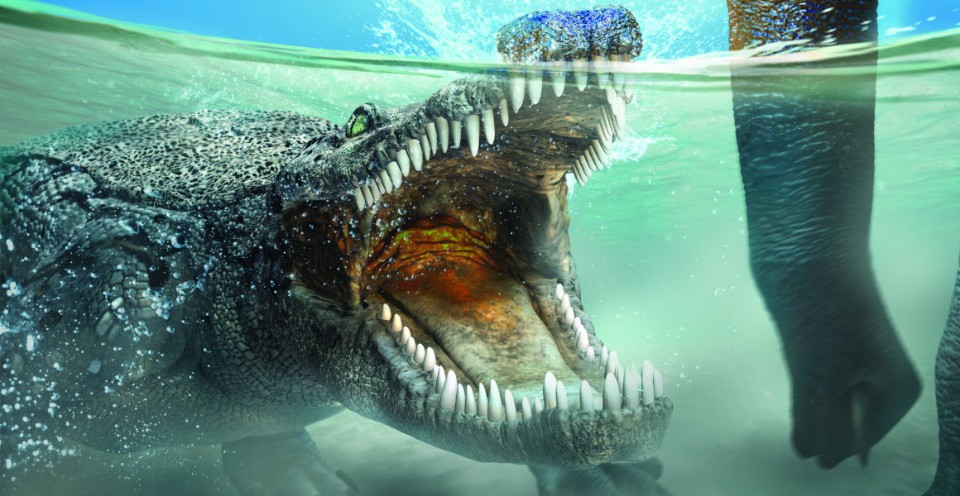
One of the most fascinating facts about the Nile Crocodile is its long evolutionary history. On average Crocodiles as a species are more than 200 million years old making them one of the oldest reptiles as a group still alive. The Nile Crocodile itself is part of a lineage that has remained largely unchanged for millions of years, with its ancestors dating back to the Mesozoic era. What is truly impressive about this is the added fact that it shows the adaptability of the species as it has been able to survive in every type of environment thus becoming such an effective predator.
The Dinosaur Connection
Dinosaurs and crocodiles are closely related since they both fall within the clade Archosauria that also united birds. That is why, although crocodiles look rather scaly, they are as close relatives to birds as they are to other reptiles such as lizards and turtles. Based on fossil evidence, it can be inferred that, crocodilians were much more varied with many different varieties appearing to occupy different eco-niches. Interestingly, the Nile Crocodile’s appearance has changed very little over the past 100 million years, suggesting that it has reached an evolutionary “sweet spot” in terms of its physical design. The body is streamlined, tail is powerful, teeth are sharp, and the skin of its body is rugged which have turned out to be very effective in its work as a predator.
Crocodile Longevity
Nile Crocodiles are incredibly long-lived creatures. They have the longest lifespan of all reptiles in the wild with a life span of 70 to100 years. A large portion of this tremendous lifetime can be attributed to their slow metabolism, which enables them to feed on a minimal amount of food, and go long spells without eating. Both species of crocodiles have been known to endure a number of months living without feeding as they live off their fat stores when times are lean.
3. The Nile Crocodile’s Incredible Sensory Abilities
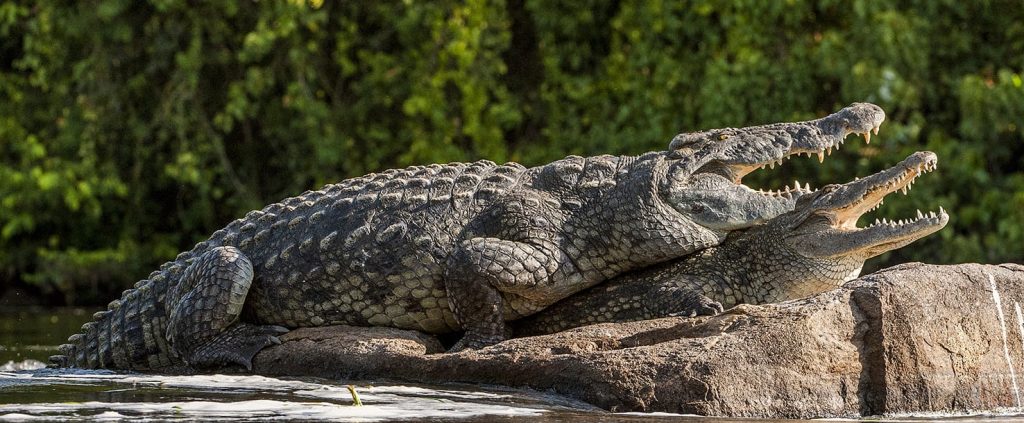
Another remarkable feature of the Nile Crocodile is its exceptional sensory abilities, which allow it to be an efficient and deadly predator. From its highly developed vision to its acute sense of hearing and touch, the Nile Crocodile relies on its senses to track and hunt prey, even in murky or dark waters.
Sharp Eyesight
Despite spending much of its time underwater, the Nile Crocodile has excellent eyesight, both above and below the surface. It has eyes on the upper part of its head so that it has a wide field of view without having to come out a lot. This stance allows the crocodile to remain low to the ground in order to take a closer look at the environment and may prey available. In addition to its excellent vision, the Nile Crocodile has specialized membranes that protect its eyes when it dives underwater. These membranes, so-called nictitating membranes, serve like transparent eyelids and enable the crocodile to see under water without the irritation of debris and water in the eye.
Sensitive Snouts
Another fascinating sensory adaptation in Nile Crocodiles is the heightened sensitivity of their snouts. Their snouts contain highly sensitive pressure receptors which are sensitive to the vibrations in the waters due to movements of even small prey. This makes it able to prey when visibility is not good as the animal can feel the movement of other animals swimming in the water or near the water bank. The increased sensitivity is especially helpful in hunting in murky water or in conditions where there is reduced visibility such as at night.
Acute Hearing
Crocodiles are also sensitive to hearing and this can help them identify both the prey and predators. Those ears are also on the sides of their heads just below the eyes. Their ears have a protective covering of a skin flap that may close when the crocodile is diving underwater providing it with the ability to hear both on and off water.
4. The Nile Crocodile Plays an Important Role in Ecosystem Health
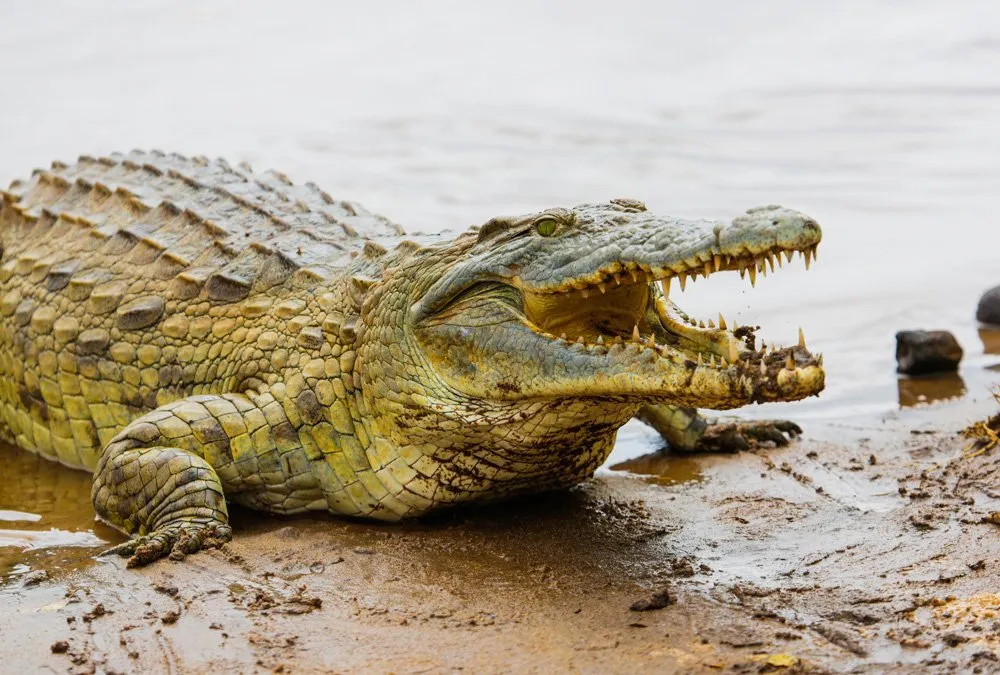
The facts about the Nile Crocodile reveal that this apex predator is more than just a fearsome hunter—it also plays an important role in maintaining the health of its ecosystem. As a keystone species, the Nile Crocodile has a direct impact on the populations of various other species, from fish and birds to large mammals.
Controlling Populations
By preying on a wide range of animals, the Nile Crocodile helps control the populations of various species in its habitat. An example of this is how crocodiles ensure the success of the herbivores grazing in the vegetation around water holes, enough of which will stop at the water holes to drink without these animals getting rid of them, through overgrazing. Also, through the consumption of the weak, injured or sick animals, the crocodile ensures that the health of prey animals and their genetic diversity remains positive.
Scavenging Benefits
Nile Crocodiles also play an important role in the food web as scavengers. Vultures and other animals like hyenas and jackals can feed on the remains of their killings after they have been hunted. By doing so the crocodile helps in recycling nutrients within the environment so that the nutrients on dead animals are recycled as food to other living things.
Habitat Modification
In addition to their role as predators and scavengers, Nile Crocodiles also contribute to habitat modification. Their location in rivers and lakes contributes to open water passages because they discourage the growth of plants on river banks. Crocodiles usually make what is known as crocodile holes-a depression on the ground caused by their movement as well as their weight. These holes also give valuable resources to the other species, especially when there is a drought making waters increasingly hard to find.
5. The Nile Crocodile Is a Threat to Humans
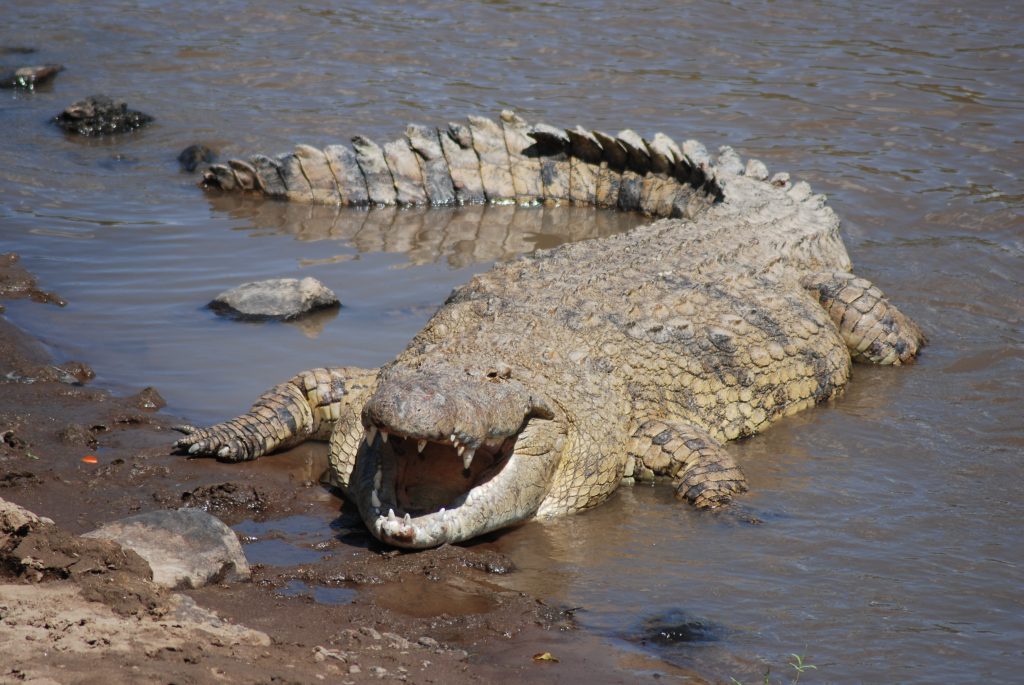
While the Nile Crocodile plays a vital role in its ecosystem, it is also known for being one of the most dangerous crocodile species to humans. With its powerful jaws and aggressive nature, the Nile Crocodile is responsible for more human fatalities than any other crocodile species.
Deadly Attacks
Human attacks of crocodiles are not very frequent yet they are fatal when they happen. Nile Crocodiles are most dangerous when they are protecting their territory or their nests, or when they are surprised or provoked. Many attacks also occur around water as humans will go to crocodile habitats when fishing, bathing or collecting water. The fact that the crocodile can ambush its prey also makes it quite dangerous because this beast is capable of attacking without any form of warning.
Despite the threat they pose, Nile Crocodiles rarely seek out humans as prey. They instead prefer to target smaller, more normal prey such as fish, birds and mammals. Nonetheless, as populations of humans push into crocodile territory, the danger of man and crocodile coming into direct conflict is more probable and thus the protection and conservation of crocodiles and human safety are vital where populations infest crocodile habitats.
Conclusion
The facts about the Nile Crocodile highlight the incredible adaptability, power, and significance of this apex predator in the African wilderness. With its ancient evolutionary history, remarkable hunting abilities, and essential role in maintaining ecosystem balance, the Nile Crocodile is truly a living marvel. Nonetheless, it is also a lesson of how fragile the relationship is when it comes to human beings and wild life as we understand better how to interact with such animals that command so much power and are so amazing. Whether as a predator, scavenger, or keystone species, the Nile Crocodile is undeniably one of Africa’s most iconic and important animals.