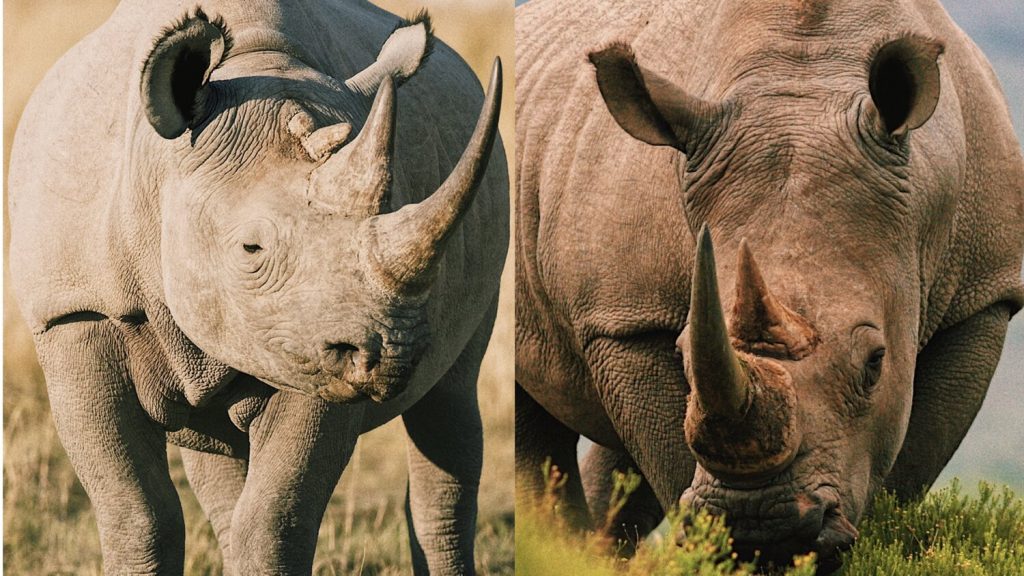
Rhinos are among the most iconic animals of the African wilderness, known for their immense size, thick skin, and distinctive horns. In Africa, the two most well-known species are the black rhino (Diceros bicornis) and the white rhino (Ceratotherium simum). Although they may appear similar at first glance, these two species differ in several important ways. Understanding these differences is essential for wildlife enthusiasts, travelers on safari, and conservation efforts across regions like Kenya and South Africa.
Overview
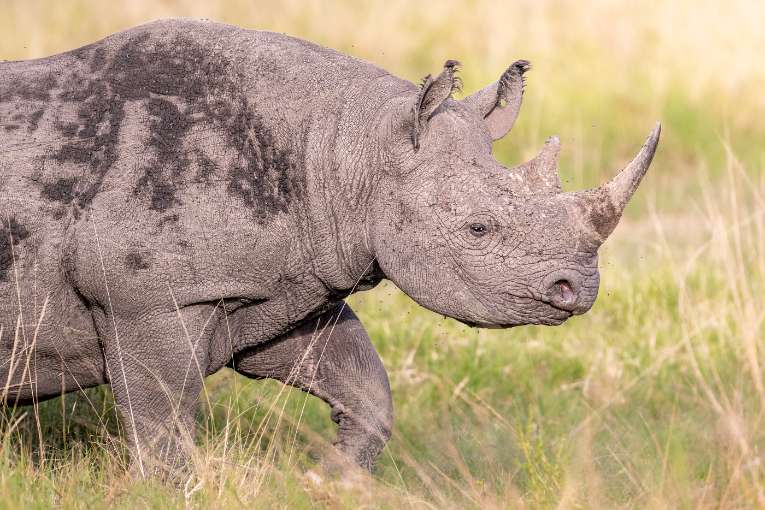
Both black and white rhinos belong to the Rhinocerotidae family and are native to sub-Saharan Africa. Despite sharing overlapping habitats in countries such as Tanzania and Namibia, they have evolved distinct characteristics that affect how they feed, behave, and interact with their environment.
According to the International Union for Conservation of Nature, the black rhino is classified as critically endangered, while the white rhino is currently listed as near threatened after a significant recovery from near extinction.
Key Insights
Size and Build
The white rhino is the larger of the two species, with a bulky body and a broad chest. It can weigh up to 5,000 kilograms. In contrast, the black rhino is smaller, more compact, and has a more agile frame.
Mouth Shape and Feeding Style
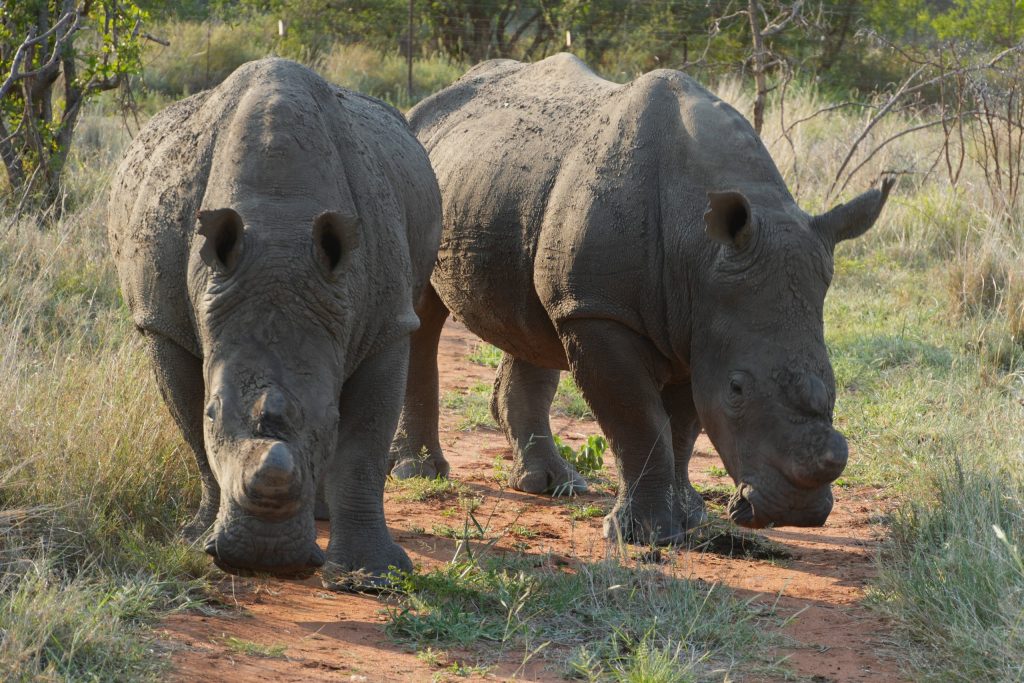
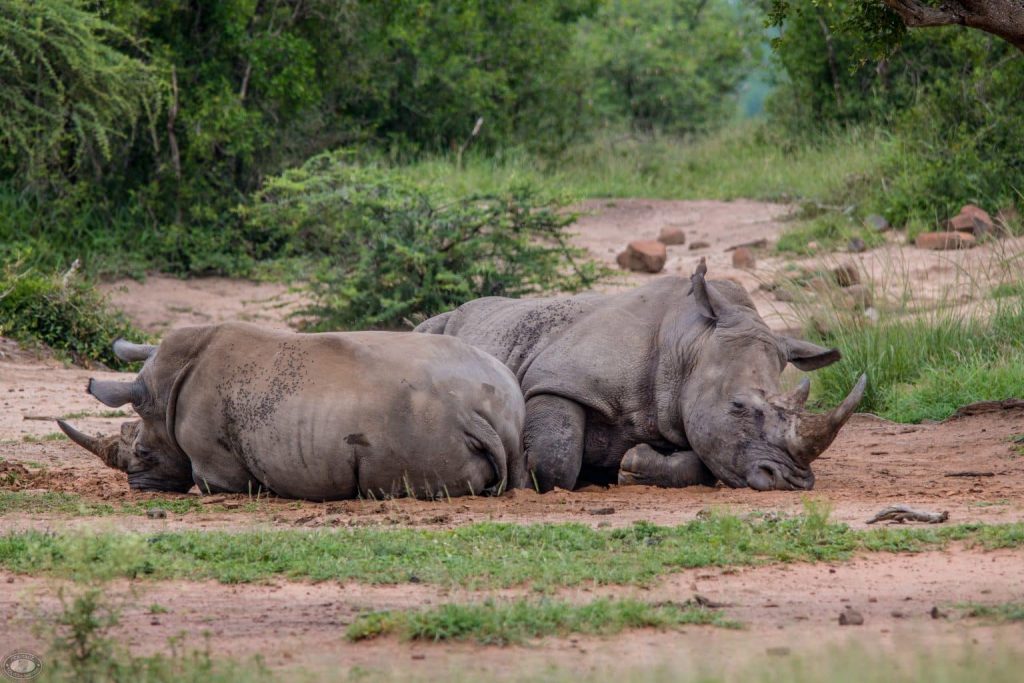
One of the most reliable ways to distinguish the two is by their mouths. The white rhino has a wide, square-shaped mouth adapted for grazing on grass. The black rhino, on the other hand, has a pointed, hooked lip designed for browsing leaves, shrubs, and branches.
Horns
Both species have two horns, but white rhinos generally have longer and more prominent front horns. Black rhino horns are shorter and more curved.
Color Misconception
Despite their names, neither species is truly black or white. Both are grey in color. The term “white” is believed to have originated from the Dutch word “wijde,” meaning wide, referring to the rhino’s mouth rather than its color.
How It Works
Behavior and Social Structure
White rhinos are more social and often found in small groups called crashes. These groups typically consist of females and their calves. Black rhinos are more solitary and territorial, with adult males often marking and defending their space.
Feeding Behavior
White rhinos are grazers that prefer open savannahs and grasslands, such as those found in Maasai Mara National Reserve. Black rhinos are browsers that thrive in denser vegetation, including woodlands and bush areas like Tsavo National Park.
Temperament
Black rhinos are generally more aggressive and unpredictable, especially when threatened. White rhinos are comparatively calmer, though they can still be dangerous if provoked.
Tips
For Safari Travelers
When visiting national parks in Zimbabwe or Kenya, observe the rhino’s mouth shape and habitat to identify the species. Open grassland sightings usually indicate white rhinos, while dense bush encounters are more likely to involve black rhinos.
For Wildlife Photography
White rhinos are easier to photograph due to their social nature and preference for open areas. Black rhinos require more patience and are often spotted in thick vegetation.
For Conservation Awareness
Support parks and conservancies that actively protect rhinos. Poaching remains a major threat, especially due to demand for rhino horns.
Conclusion
The difference between a black and a white rhino goes far beyond their names. From size and feeding habits to behavior and habitat, each species plays a unique role in Africa’s ecosystems. The white rhino, larger and more social, thrives in open grasslands, while the black rhino, smaller and solitary, is adapted to browsing in dense vegetation.
Both species face serious conservation challenges, but ongoing efforts across Africa continue to make a difference. Understanding these distinctions not only enhances the safari experience but also supports the broader mission of protecting one of the continent’s most remarkable animals for future generations.