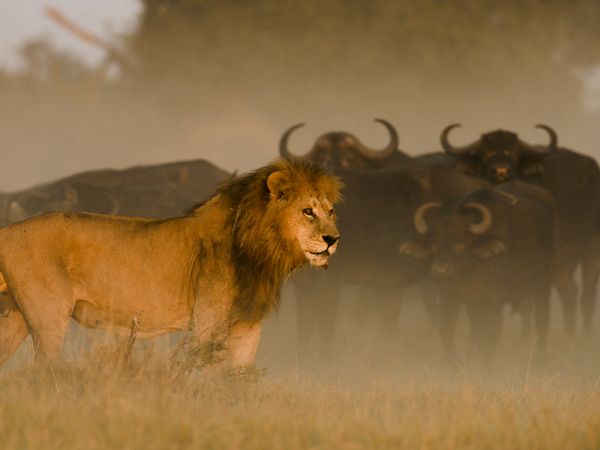
Lions are among the most powerful symbols of Africa’s wilderness, often referred to as the “King of the Jungle” for their strength, social structure, and commanding presence. From the sweeping savannahs of Kenya to the vast wetlands of Botswana, lions have long defined the continent’s natural identity.
Yet today, the future of Africa’s lions is uncertain. Once widespread across Africa and beyond, their numbers have declined sharply due to human pressure and environmental changes. Understanding their current status and the efforts to protect them is essential for both conservation and responsible travel.
Overview
Historically, lion populations exceeded 200,000 across Africa. Today, fewer than 25,000 remain in the wild. According to the International Union for Conservation of Nature, lions are classified as vulnerable, with some regional populations at even greater risk.
Most remaining lions are found in sub-Saharan Africa, inhabiting grasslands, savannahs, and open woodlands. A small, isolated population also exists in Gir Forest National Park, highlighting how limited their global range has become.
Key Insights
Habitat Loss
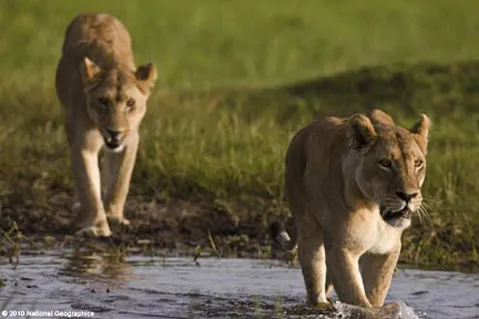
Expanding human populations have led to increased farming, settlements, and infrastructure development. This has significantly reduced lion habitats, forcing them into smaller, fragmented areas where survival becomes more difficult.
Human-Wildlife Conflict
As lions lose access to natural prey and territory, they increasingly come into contact with local communities. In regions where livestock farming is common, lions may attack cattle, leading to retaliation from farmers. This ongoing conflict is a major contributor to declining populations.
Poaching and Illegal Trade
Lions are targeted for their bones, skins, and other body parts, often sold in illegal markets. While not as heavily poached as some species, the impact remains significant.
Trophy Hunting Debate
Trophy hunting remains controversial. While some argue it generates conservation funding, critics highlight its impact on lion social structures, especially when dominant males are removed from prides.
How It Works
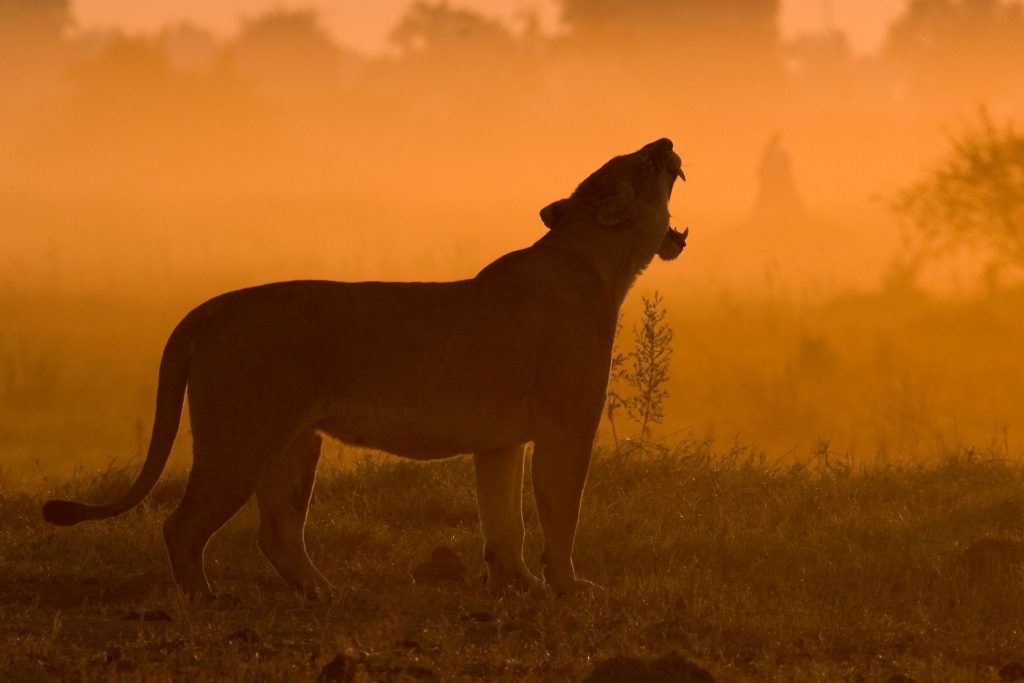
Protected Areas and National Parks
National parks play a critical role in lion conservation by providing safe habitats. Some of Africa’s most important lion populations are found in:
- Serengeti National Park
- Maasai Mara National Reserve
- Kruger National Park
- Etosha National Park
- Chobe National Park
These areas limit human activity and create environments where lions can hunt, breed, and thrive.
Community-Based Conservation
Programs like Lion Guardians work directly with local communities, particularly Maasai herders. These initiatives promote non-lethal methods to protect livestock, such as reinforced enclosures and guard animals, reducing the need to kill lions.
Eco-Tourism
Tourism plays a major role in conservation funding. Visitors traveling to see lions in the wild contribute to park fees, local employment, and anti-poaching efforts. Responsible tourism helps create economic incentives to protect wildlife.
Research and Monitoring
Organizations like Panthera use GPS tracking, camera traps, and field research to monitor lion populations. This data helps improve conservation strategies and understand lion behavior, movement, and health.
Tips
For Travelers
Choose eco-certified lodges and responsible safari operators that support conservation initiatives. Visiting protected areas contributes directly to wildlife protection.
For Conservation Support
Support organizations working on the ground through donations or awareness campaigns. Even small contributions can fund anti-poaching patrols and community programs.
For Responsible Tourism
Avoid experiences that exploit wildlife. Focus on ethical safaris that prioritize animal welfare and habitat preservation.
For Awareness
Educate others about the importance of lions in maintaining ecological balance. Lions are apex predators, and their presence helps regulate ecosystems.
Conclusion
The last lions of Africa face significant challenges, from habitat loss and human conflict to poaching and environmental pressure. Despite these threats, there is still hope. Protected areas, community-led initiatives, research, and eco-tourism are all contributing to stabilizing and, in some cases, rebuilding lion populations.
The survival of lions depends on continued collaboration between governments, conservation organizations, local communities, and travelers. By supporting sustainable practices and conservation efforts, future generations may still witness these magnificent animals roaming freely across Africa’s iconic landscapes.