
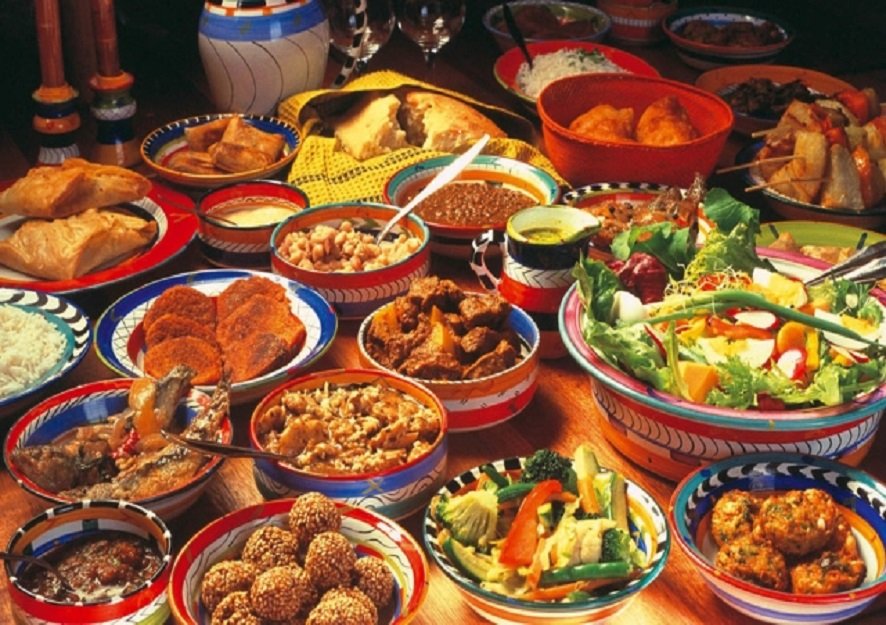
Traveling across Africa does not have to be expensive—especially when it comes to food. From vibrant street stalls to local markets and small neighborhood eateries, the continent offers a wide range of affordable meals packed with flavor and authenticity. Whether you are exploring the bustling streets of Lagos or enjoying a laid-back afternoon in Nairobi, finding budget-friendly food is both easy and rewarding.
For adventure travelers, eating local is not just about saving money—it is a gateway into culture, daily life, and unforgettable culinary experiences.
Overview
Africa’s food scene is as diverse as its landscapes. Each region offers unique dishes shaped by history, trade, and local ingredients. While high-end restaurants exist in major cities, the best value is often found in street food stalls, open-air markets, and small family-run establishments.
Across countries like Nigeria, Kenya, Morocco, and South Africa, travelers can enjoy filling, authentic meals at a fraction of typical tourist prices.
Key Insights
Why Cheap Eats Matter
Affordable meals help travelers stretch their budgets, allowing more spending on experiences like safaris, tours, and transport. They also provide access to traditional dishes rarely found in upscale restaurants.
Local Food Equals Authentic Experience
Markets and street vendors often serve recipes passed down through generations. Eating locally gives you a genuine taste of the region’s culture.
Cash is King
Most budget food spots operate on cash, especially in smaller towns and markets. Carry small denominations for convenience.
How It Works
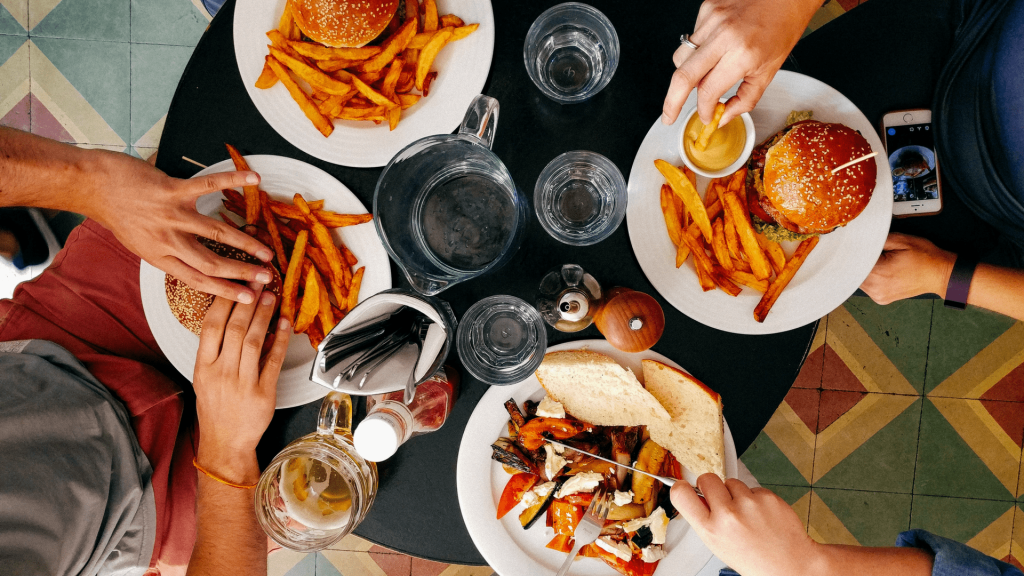
Top Destinations for Cheap Eats
Lagos
A hub of West African street food culture.
- Suya: Spiced grilled meat skewers
- Jollof Rice: Flavorful rice with tomato and spices
- Akara: Fried bean cakes, perfect for breakfast or snacks
Nairobi
Offers a mix of street food and local eateries.
- Nyama Choma: Grilled meat served with sides
- Chapati and Sukuma Wiki: Affordable and filling
- Mandazi: Sweet fried dough snacks
Marrakech
Known for its lively food markets and medinas.
- Tagine: Slow-cooked stew with meat or vegetables
- Street snacks: Olives, nuts, grilled meats
- Mint tea: A staple drink often paired with pastries
Popular areas like Jemaa el-Fnaa are ideal for sampling affordable dishes.
Cape Town
Blends local and global flavors at budget-friendly prices.
- Bunny Chow: Curry served in hollowed bread
- Boerewors Rolls: Grilled sausage in a bun
- Market food at Greenmarket Square
Street Food Culture
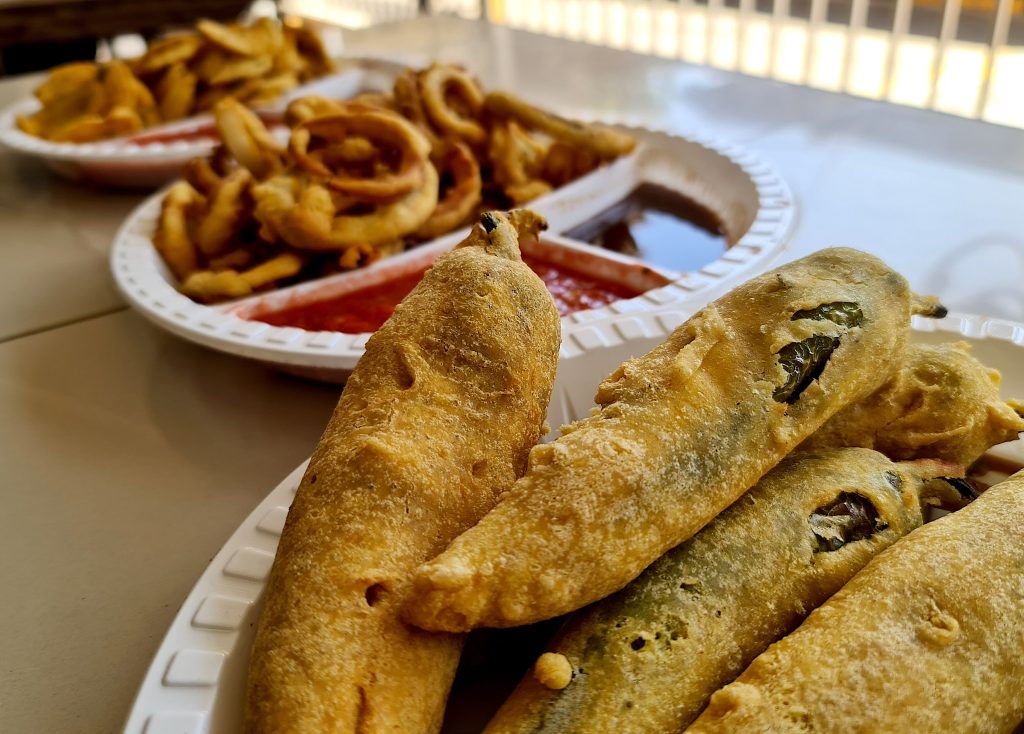
Street food is the backbone of cheap eating in Africa. Vendors prepare fresh meals daily, often in high-demand locations.
To enjoy safely:
- Choose busy stalls with high turnover
- Opt for freshly cooked food
- Observe hygiene practices
- Try local specialties unique to each region
Tips
Eat Where Locals Eat
Busy local spots usually offer the best combination of price, quality, and authenticity.
Visit Markets
Markets provide access to fresh produce, snacks, and ready-to-eat meals at lower prices than restaurants.
Go for Vegetarian Options
Plant-based dishes are often cheaper and widely available across the continent.
Share Meals
Portions can be generous, making it easy to split meals and save money.
Avoid Tourist Zones for Daily Meals
Restaurants in high-traffic tourist areas tend to charge more for similar food.
Ask for Recommendations
Locals often know hidden gems that are both affordable and delicious.
Safety
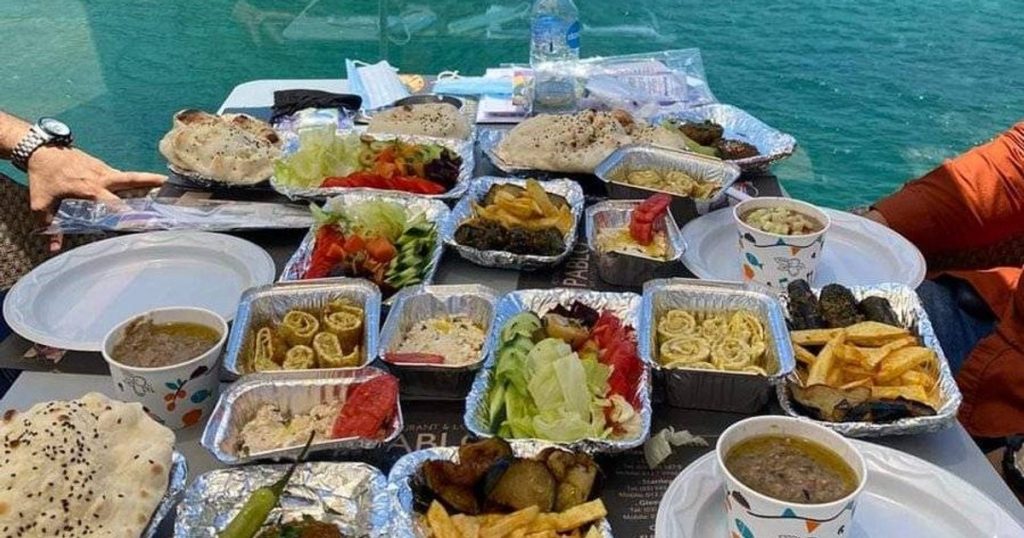
Drink Safe Water
Stick to bottled or filtered water to avoid health issues.
Check Food Freshness
Eat food that is freshly prepared and served hot.
Practice Basic Hygiene Awareness
Look for vendors who maintain clean cooking and serving conditions.
Be Cautious with Raw Foods
Fruits should be peeled or washed thoroughly before eating.
Conclusion
Affordable food is one of Africa’s greatest travel advantages. From street-side grills in Lagos to market stalls in Marrakech, budget travelers can enjoy rich, diverse flavors without overspending.
Cheap eats are not just about saving money—they are about connecting with local culture, discovering traditional recipes, and experiencing daily life in a meaningful way. With the right approach, every meal becomes part of the journey, making travel across Africa both memorable and accessible.