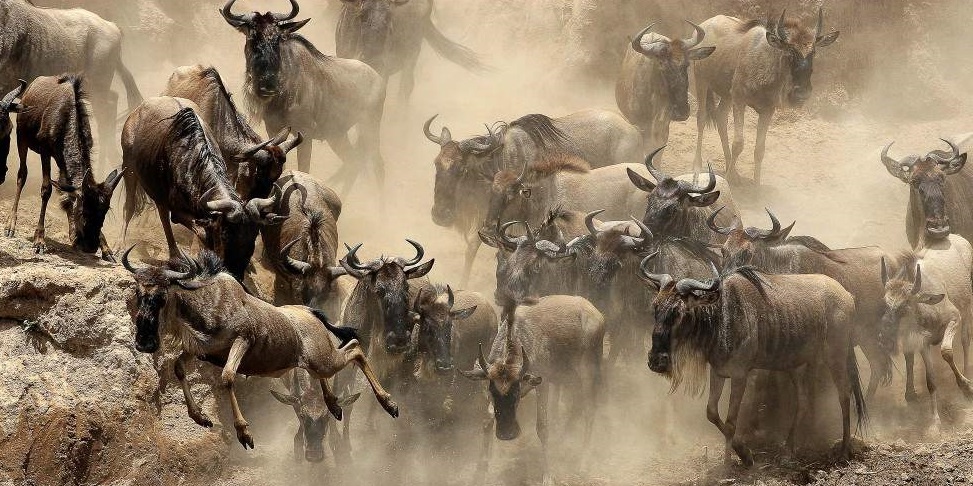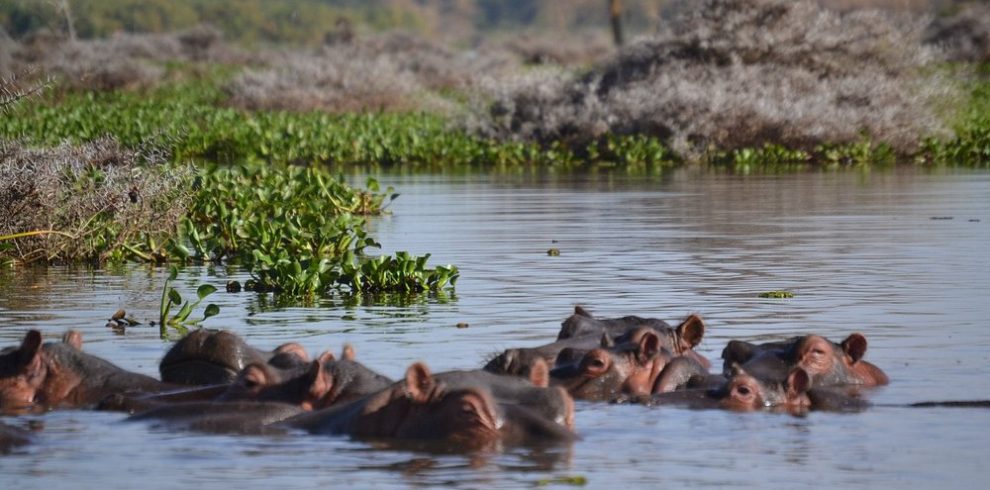
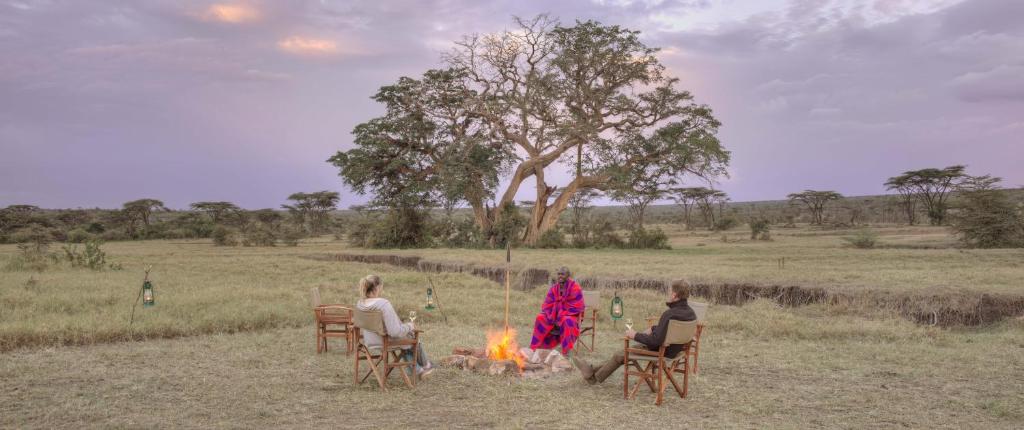
The Maasai Mara National Reserve is one of Africa’s most celebrated wildlife destinations, known for its vast savannahs, abundant wildlife, and the iconic Great Migration. While the reserve itself attracts global attention, a lesser-known but equally important part of this ecosystem is the network of Maasai Mara conservancies surrounding it.
These conservancies play a critical role in balancing wildlife conservation, sustainable tourism, and community development. For travelers and conservation enthusiasts, understanding how these conservancies operate adds depth to any safari experience in Kenya.
Overview
Maasai Mara conservancies are privately or community-managed lands bordering the national reserve. They are owned primarily by local Maasai landholders who partner with conservation groups and tourism operators to protect wildlife while generating income.
Unlike national parks, conservancies allow controlled human activity, creating a flexible system that supports both conservation and local livelihoods. Collectively, these conservancies cover hundreds of thousands of acres, effectively expanding the protected ecosystem beyond the boundaries of the reserve.
Key Insights
Wildlife Corridors and Ecosystem Health
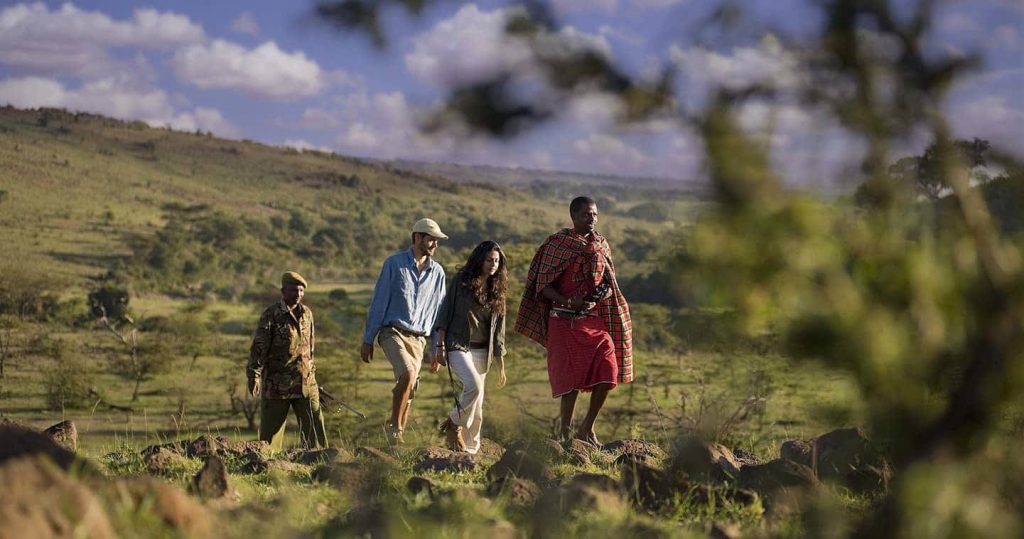
Conservancies act as essential wildlife corridors, allowing animals to move freely between protected areas. This movement is vital for maintaining genetic diversity and ensuring access to water and grazing, especially during seasonal migrations.
Reduced Human-Wildlife Conflict
By creating buffer zones between settlements and wildlife habitats, conservancies help minimize conflict. Measures such as predator-proof enclosures and compensation programs reduce livestock losses and discourage retaliatory killings.
Biodiversity Protection
These areas protect critical habitats including grasslands, wetlands, and woodlands. Revenue from tourism supports anti-poaching efforts and habitat restoration, helping sustain populations of lions, elephants, and other key species.
Sustainable Grazing Practices
Livestock grazing is carefully managed within conservancies. Rotational grazing systems ensure that land is not overused, allowing both wildlife and livestock to coexist without degrading the environment.
How It Works
Community Ownership and Partnerships
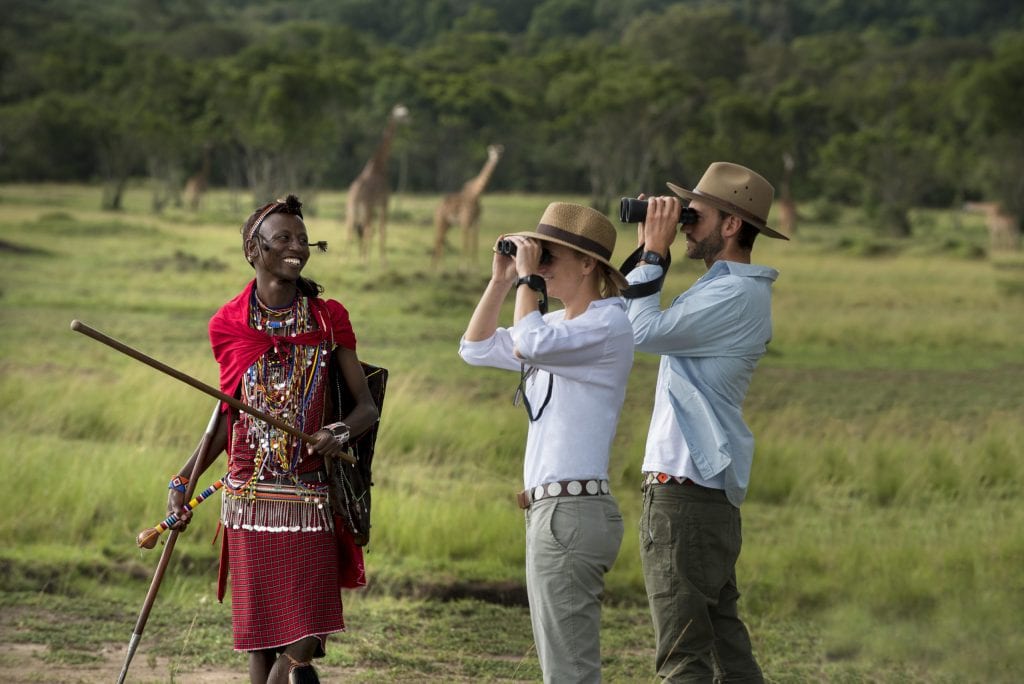
Local Maasai landowners lease their land to conservancies and receive regular income from tourism operations. This model ensures that conservation directly benefits the people who live alongside wildlife.
Tourism Integration
Low-density tourism is a key feature of conservancies. Unlike the busier reserve, conservancies limit the number of vehicles and visitors, offering a more exclusive and less crowded safari experience.
Employment and Local Benefits
Tourism creates jobs for local communities, including roles as guides, rangers, lodge staff, and drivers. Income generated is reinvested into community projects such as schools, healthcare, and infrastructure.
Cultural Preservation
Conservancies also provide a platform for the Maasai people to preserve and share their traditions, crafts, and way of life with visitors, creating a meaningful cultural exchange.
Tips
Choose Conservancy-Based Safaris
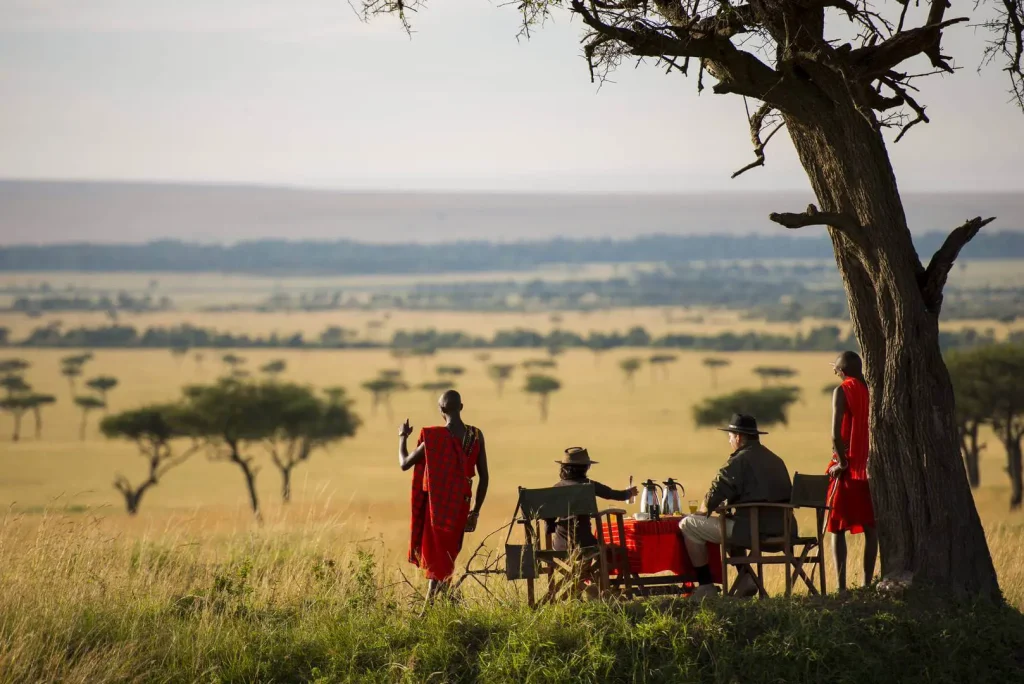
Staying in conservancies often provides a quieter, more intimate wildlife experience compared to the main reserve.
Support Responsible Operators
Select lodges and tour companies that partner directly with local communities and contribute to conservation efforts.
Respect Local Culture
Engage respectfully with Maasai communities and support local businesses and crafts.
Travel During Off-Peak Seasons
Visiting outside peak migration months can reduce pressure on the ecosystem while still offering excellent wildlife viewing.
Conclusion
The Maasai Mara conservancies represent one of Africa’s most successful models of community-based conservation. By combining wildlife protection with economic incentives for local communities, they have created a sustainable system that benefits both people and nature.
While challenges such as climate change, population pressure, and reliance on tourism remain, the conservancy model continues to offer a strong path forward. For travelers, visiting these areas is not only an opportunity to witness incredible wildlife but also to support a system that ensures the long-term survival of one of Africa’s most important ecosystems.