
Traveling across Africa offers incredible diversity, from vibrant cities to remote landscapes. While most travelers focus on destinations and experiences, one practical aspect often overlooked is understanding local restroom facilities. For first-time visitors, this can be an unexpected challenge.
Sanitation systems vary widely across the continent depending on infrastructure, location, and cultural practices. From modern restrooms in hotels to basic facilities in rural areas, being prepared can greatly improve comfort and confidence during your journey. This guide provides clear, practical tips to help you navigate different toilet setups across Africa with ease.
Understanding Toilet Diversity Across Africa
There is no single standard for toilets across Africa. Facilities differ significantly between urban centers, tourist destinations, and rural regions.
In major cities and well-developed areas, Western-style flush toilets are common in hotels, restaurants, malls, and airports. However, in smaller towns, roadside stops, and rural communities, squat toilets or pit latrines are more common.
Understanding this variation helps manage expectations and reduces discomfort. Being mentally prepared is the first step toward adapting smoothly to different environments.
How to Use Squat Toilets Comfortably
Squat toilets are widely used in many parts of Africa and may be unfamiliar to some travelers. However, they are practical and often more hygienic since there is minimal contact with surfaces.
To use a squat toilet effectively:
- Place your feet on either side of the designated footrests
- Lower into a stable squatting position
- Avoid touching surrounding surfaces
Wearing comfortable clothing and easy-to-remove layers can make the process smoother. With a little practice, most travelers adjust quickly.
Always Carry Personal Essentials
One of the most important travel habits is not relying on public restrooms to provide supplies. In many locations, toilet paper may not be available.
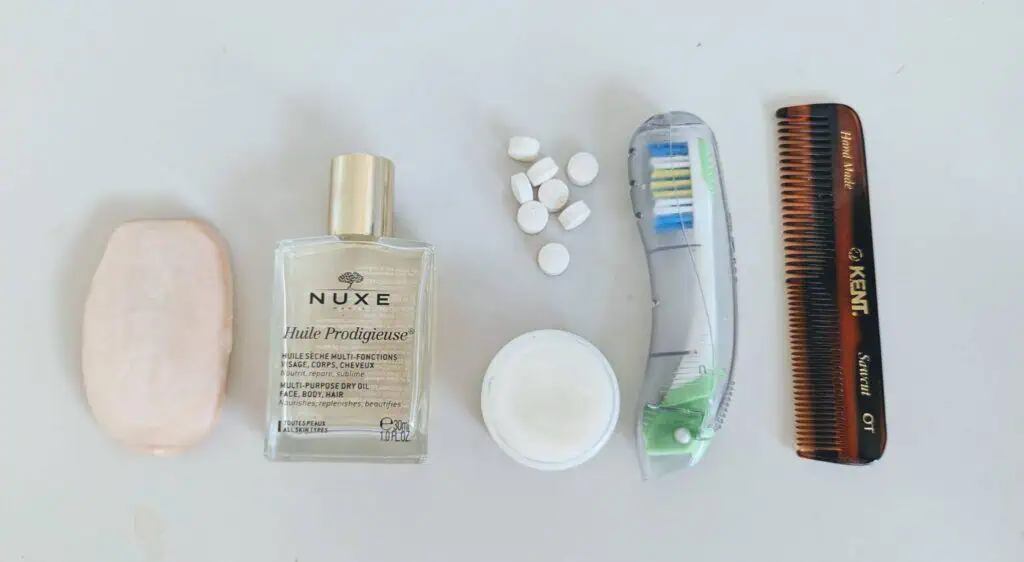
It is advisable to carry a small hygiene kit that includes:
- Travel-size toilet paper or tissues
- Wet wipes (for personal use only, not flushing)
- Hand sanitizer
These essentials take up little space but provide significant convenience and peace of mind.
Understanding “Do Not Flush” Practices
In many areas, plumbing systems are not designed to handle toilet paper. It is common to see signs instructing users not to flush paper.
Instead, used paper should be placed in a bin next to the toilet. While this may feel unfamiliar at first, it is a standard practice that helps prevent blockages and maintain sanitation systems.
Following these guidelines shows respect for local infrastructure and ensures facilities remain functional.
Water-Based Cleaning Practices

In many parts of Africa, water is commonly used for personal hygiene instead of, or alongside, toilet paper. You may find a small bucket, jug, or handheld spray near the toilet.
This method may take some adjustment, but many travelers find it effective and hygienic. If preferred, you can combine water use with your own supplies while respecting local customs.
Hand Hygiene and Cleanliness
Maintaining proper hygiene is essential when traveling. Not all restrooms provide soap or running water, particularly in remote areas.
To stay safe:
- Carry hand sanitizer at all times
- Wash hands whenever facilities are available
- Keep small change for paid restrooms that offer better maintenance
Consistent hand hygiene helps prevent illness and ensures a more comfortable travel experience.
Toilets in Hotels and Accommodation

The quality of restroom facilities often depends on the type of accommodation.
- Luxury hotels and lodges: Modern bathrooms with flush toilets, hot water, and high hygiene standards
- Mid-range hotels: Private bathrooms with reliable facilities, though water pressure may vary
- Budget stays: Basic or shared facilities
Checking recent reviews before booking can help avoid unexpected surprises.
Public and Pay-To-Use Toilets
Public toilets are common in cities, markets, and transport hubs. Many require a small fee, which helps support cleaning and maintenance.
Helpful tips include:
- Carry small coins for access
- Choose facilities with attendants when possible
- Inspect cleanliness before use
Paid facilities are often cleaner and more reliable than free options.
Managing Toilets During Long Journeys
Long-distance travel is common across Africa, whether by road, bus, or safari vehicle. Rest stops may be limited, especially in remote areas.
To stay comfortable:
- Use facilities whenever available
- Keep your essentials easily accessible
- Follow guidance from drivers or tour guides
Planning ahead reduces discomfort during extended travel.
Environmental Responsibility
Water conservation is important in many parts of Africa where resources may be limited.
Responsible practices include:
- Using only the necessary amount of water
- Following eco-lodge or hotel guidelines
- Respecting low-water or composting toilet systems
These habits support sustainable tourism and environmental preservation.
Cultural Etiquette and Respect
Respecting local customs is essential when using shared or rural facilities.
- Ask politely if unsure where facilities are located
- Follow local practices without criticism
- Be mindful of cultural norms
A respectful approach enhances your travel experience and builds positive interactions.
Conclusion

Traveling across Africa is a rewarding experience, and being prepared for everyday realities like restroom facilities makes a significant difference. Understanding the variety of toilet systems, carrying essential items, and respecting local practices ensures a smoother journey.
With the right mindset and preparation, you can navigate any situation confidently and focus on enjoying the landscapes, cultures, and experiences that make Africa truly unique.