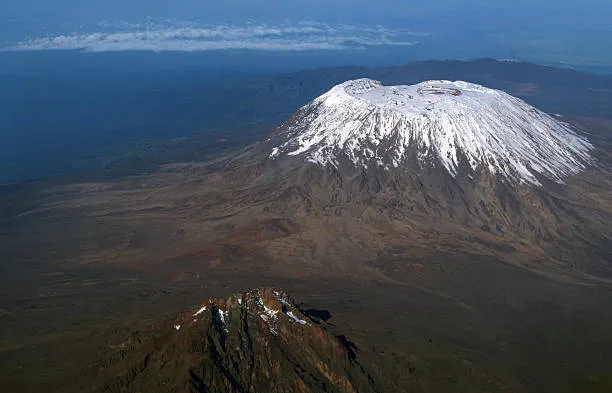
Mount Kilimanjaro is one of the most iconic trekking destinations in the world. Rising to 5,895 meters above sea level, it is the highest mountain in Africa and attracts thousands of climbers each year. What makes it unique is not just its height, but the journey through diverse ecosystems—from lush rainforests to alpine deserts and icy summit zones.
One of the most common questions travelers ask is how many days it takes to reach the summit. The answer varies depending on the route, fitness level, and how well you allow your body to acclimatize. This guide breaks down everything you need to know to plan your Kilimanjaro trek effectively.
Why Climb Mount Kilimanjaro?
Climbing Kilimanjaro is more than just a hike; it is a personal challenge and a rewarding adventure. Unlike many high-altitude peaks, Kilimanjaro does not require technical climbing skills, making it accessible to a wide range of travelers.
Key reasons to climb include:
- Experiencing multiple climate zones in a single trek
- Reaching the famous Uhuru Peak
- Enjoying panoramic views across Tanzania
- Achieving one of the world’s most recognized trekking milestones
How Many Days Does It Take?
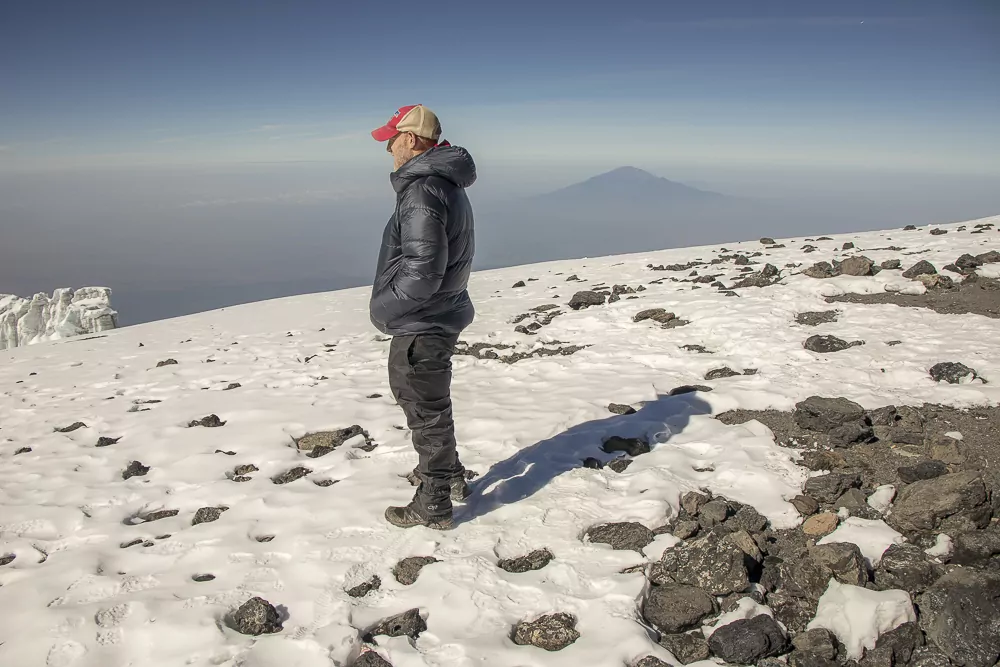
Most Kilimanjaro climbs take between 5 and 9 days. While shorter itineraries exist, they are not recommended due to poor acclimatization and lower success rates.
Longer treks allow your body to adjust to altitude gradually, increasing your chances of reaching the summit safely. Choosing the right duration is one of the most important decisions you will make when planning your climb.
Popular Routes and Their Duration
Different routes offer varying experiences, scenery, and success rates.
- Marangu Route (5–6 days): The shortest and one of the easiest routes, featuring hut accommodation. However, it offers limited acclimatization time.
- Machame Route (6–7 days): A popular and scenic option with diverse landscapes and better acclimatization opportunities.
- Lemosho Route (7–8 days): Known for its beauty and gradual ascent, making it ideal for higher success rates.
- Rongai Route (6–7 days): Approaches from the north and offers a quieter, less crowded experience.
- Northern Circuit (8–9 days): The longest route with excellent acclimatization and the highest success rates.
- Umbwe Route (5–6 days): A steep and challenging route best suited for experienced trekkers.
Choosing a longer route often increases your chances of success and improves overall comfort during the climb.
The Importance of Acclimatization
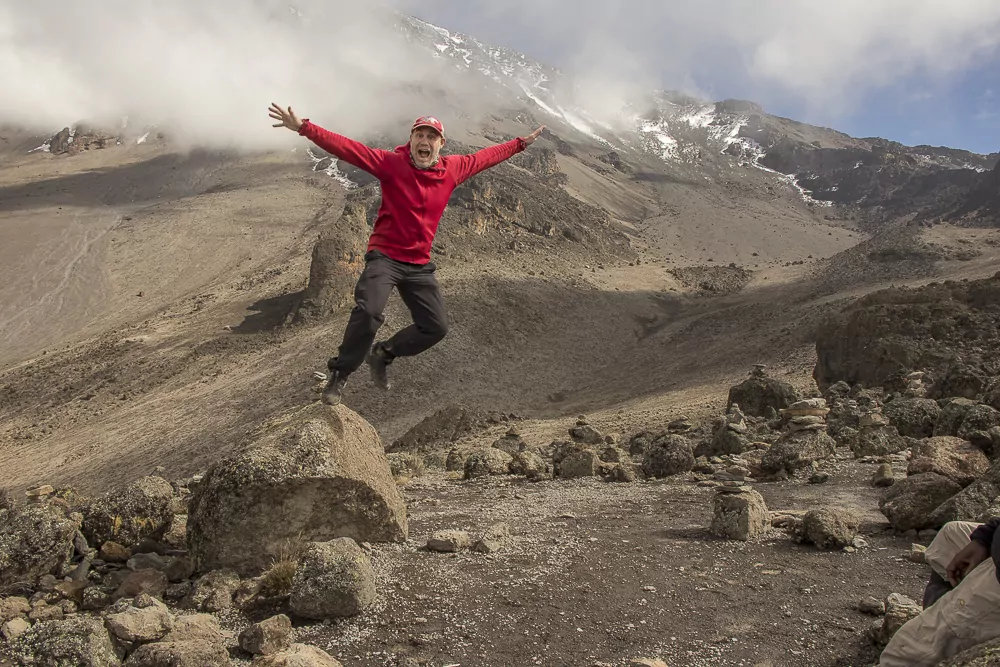
Altitude is the biggest challenge on Kilimanjaro. As you ascend, oxygen levels decrease, which can lead to altitude sickness if your body does not adjust properly.
Effective acclimatization involves:
- Climbing slowly over several days
- Following the “climb high, sleep low” principle
- Staying hydrated and maintaining a steady pace
Routes that allow more time for acclimatization significantly improve summit success rates and reduce health risks.
What to Expect Day by Day
While itineraries vary, most climbs follow a similar structure:
- Day 1: Arrival and trek begins at the base of the mountain
- Days 2–4: Gradual ascent through forests, moorlands, and alpine zones
- Summit Day: Overnight ascent to reach Uhuru Peak at sunrise, followed by descent
- Final Days: Continued descent to the base and return to accommodation
Daily hikes typically last 5 to 8 hours, except summit day, which can be significantly longer and more demanding.
Best Time to Climb
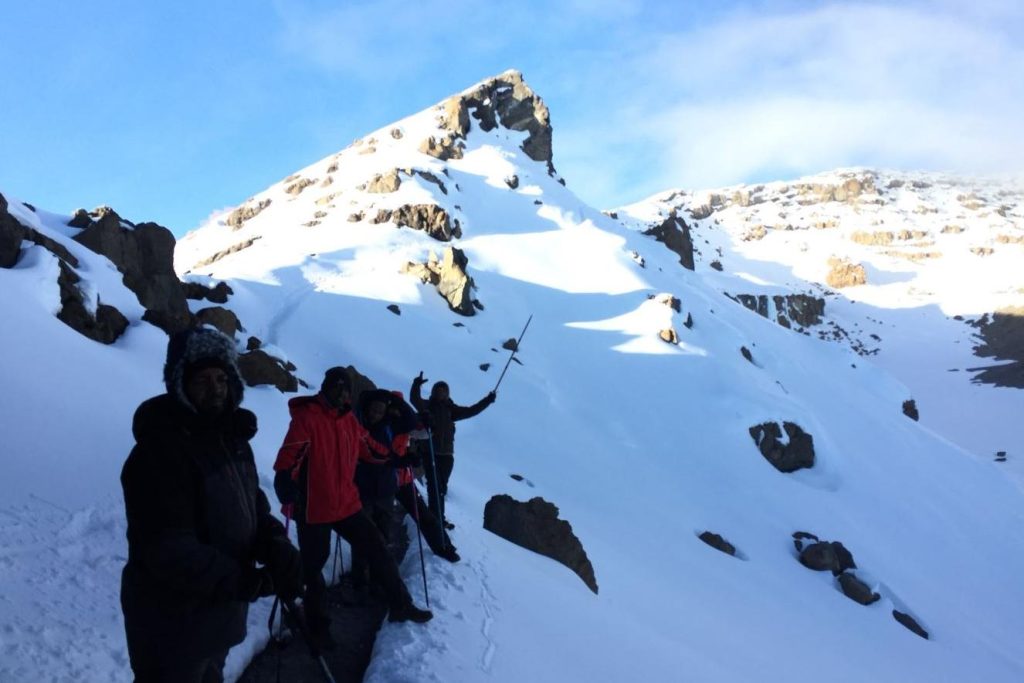
The best time to climb Kilimanjaro is during the dry seasons:
- January to March: Cooler temperatures and fewer crowds
- June to October: Clear skies and more stable weather
Avoid the rainy seasons (April–May and November), as trails can become slippery and visibility is reduced.
Where to Stay Before and After the Climb
Most climbers stay in nearby towns such as Moshi or Arusha before and after the trek. These locations offer a range of accommodations from budget lodges to luxury hotels.
Staying close to the mountain allows for easier logistics, pre-climb briefings, and proper rest before your ascent.
Essential Travel Tips
Preparing properly can make a significant difference in your experience:
- Train in advance with hiking and endurance exercises
- Pack appropriate gear for varying climates
- Choose a reputable trekking operator
- Listen to your guides and pace yourself
- Stay hydrated and eat well throughout the trek
Proper preparation improves both safety and enjoyment during the climb.
Conclusion
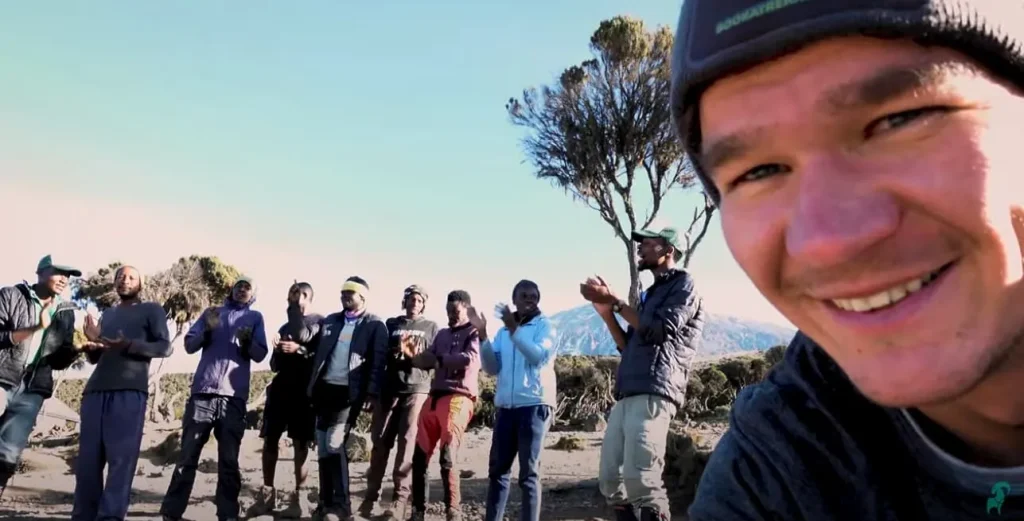
Climbing Mount Kilimanjaro is a once-in-a-lifetime experience that requires careful planning and realistic expectations. While it is possible to complete the trek in as few as five days, most travelers benefit from taking 7 to 9 days to allow proper acclimatization and increase their chances of success.
By choosing the right route, preparing adequately, and respecting the mountain, you can turn this challenge into one of the most rewarding adventures in Africa.