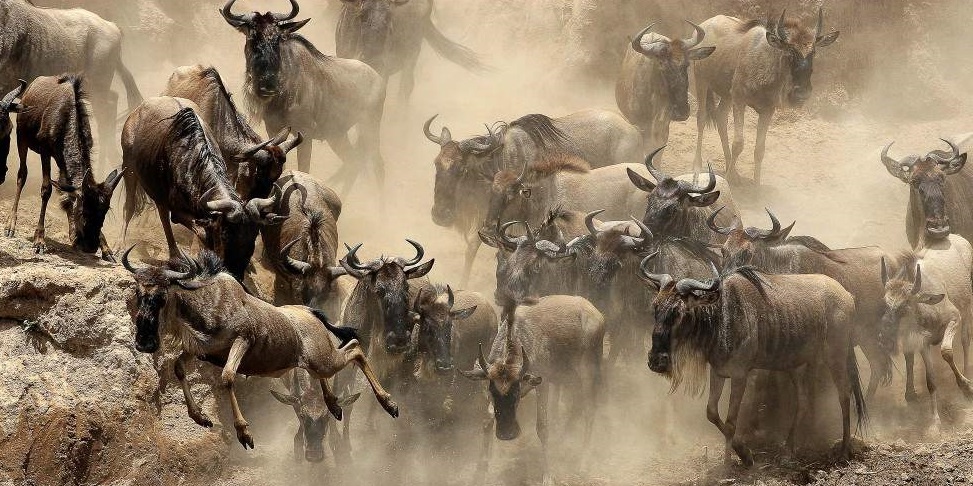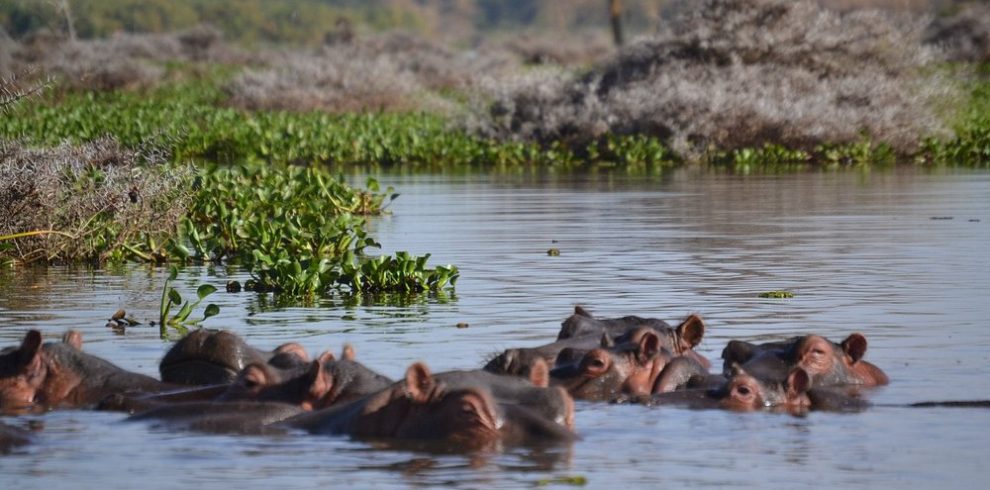

Africa is a fascinating and unique travel destination, offering iconic wildlife, ancient history, colourful cities, beautiful beaches, and rich cultural practices. However, with increasing tourism, popular spots can become congested, especially during peak seasons. Long queues, crowded attractions, and busy transport hubs can detract from the overall experience. That is why learning how to avoid lines and crowds in Africa is essential for travellers who value comfort, efficiency, and authentic experiences.
Whether you are visiting world‑famous safari parks, historical sites, bustling markets, or capital cities, smart planning allows you to enjoy Africa without the stress of masses of people. This guide offers practical, real‑world strategies to help you explore the continent more peacefully. From choosing the right travel season to using local knowledge and timing your plans wisely, these tips will help you avoid crowds while still experiencing everything Africa has to offer.
Understanding Crowd Patterns in Africa
Before learning how to avoid crowds, it helps to understand where and why they form. Crowds typically gather at:
- Major cities
- Famous national parks
- UNESCO World Heritage sites
- Airports and border crossings
- Popular festivals and holidays
Peak tourist seasons generally coincide with good weather, school holidays, or international travel trends. In East and Southern Africa, the peak safari season runs from June to October. In North Africa, crowds are heaviest in spring and autumn when temperatures are milder. Recognising these patterns is the first step toward avoiding congestion.
Travel During the Shoulder or Low Season
One of the best ways to avoid lines and crowds in Africa is to travel during the shoulder or low season. Shoulder seasons fall just before or after peak travel times, offering fewer visitors, better accommodation availability, and often lower prices.
For example:
- East Africa: Visit from March to May or in November.
- Southern Africa: Travel in April‑May or September‑October.
- North Africa: Tour in late autumn or early winter.
While low season may bring rain in some areas, many travellers find the trade‑off worthwhile because attractions are quieter and the overall experience is less stressful.
Visit Major Attractions in the Early Morning or Late Afternoon
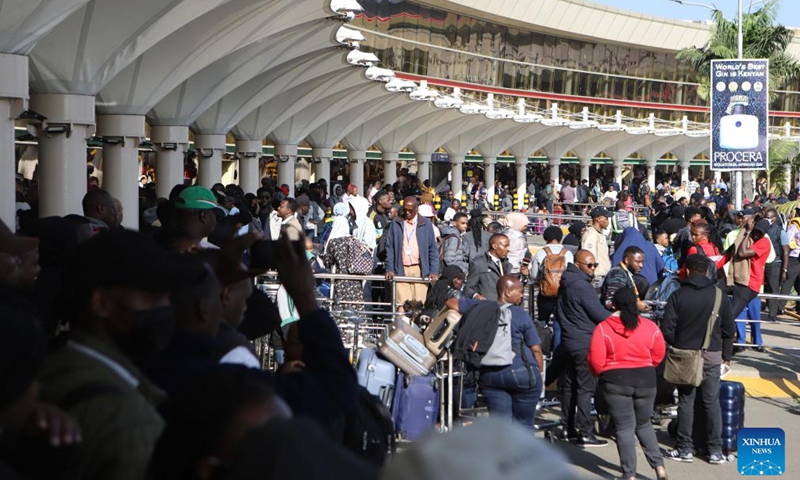
Timing is a powerful tool. Most tourists visit attractions between mid‑morning and mid‑afternoon. Arriving early in the morning or later in the afternoon can significantly reduce wait times and crowd sizes.
For example, safari parks are often busiest during midday game drives. Early morning or sunset drives not only have fewer vehicles but also offer better wildlife viewing. Museums, landmarks, and historical sites are also less crowded at the beginning or end of the day.
Choose Lesser‑Known Destinations
Africa is vast, and many famous spots attract the majority of visitors. A clever way to avoid lines and crowds is to explore lesser‑known destinations that offer equally rewarding experiences.
Instead of overcrowded safari parks, consider reserves that receive fewer tourists. Rather than busy coastal resorts, opt for smaller beach towns. These alternatives often provide a more personal experience, better photo opportunities, and a stronger connection to local culture.
Book Tickets and Permits in Advance
Advance planning is a key strategy. Many attractions require entry permits, tickets, or reservations – such as national parks, gorilla trekking activities, and popular tourist sites.
Booking online or using reputable tour operators allows you to skip ticket queues and secure time slots that fit your schedule. Some attractions have daily visitor limits, so pre‑booking ensures you are not turned away or forced to wait in long lines.
Use Local Guides and Insider Knowledge
Hiring local guides is an often‑overlooked strategy for avoiding crowds. Local guides know when areas are busy, where to go, and how to access lesser‑known entry points that tourists may miss.
Guides can also help you navigate congested city streets and suggest quieter times to visit markets or landmarks. In wildlife reserves, professional guides know where to find animals without adding to traffic, creating a more personal experience.
Stay Away from City Centres and Tourist Hubs
Your choice of accommodation significantly affects your exposure to crowds. Staying right in the city centre or directly next to a major attraction often means constant foot traffic and noise.
A practical way to avoid lines and crowds is to choose accommodation slightly away from main hubs. Hotels, boutique lodges, or eco‑resorts in suburban areas can be much quieter, yet still provide easy access to major sites via short transfers.
Avoid Major Holidays and Festivals
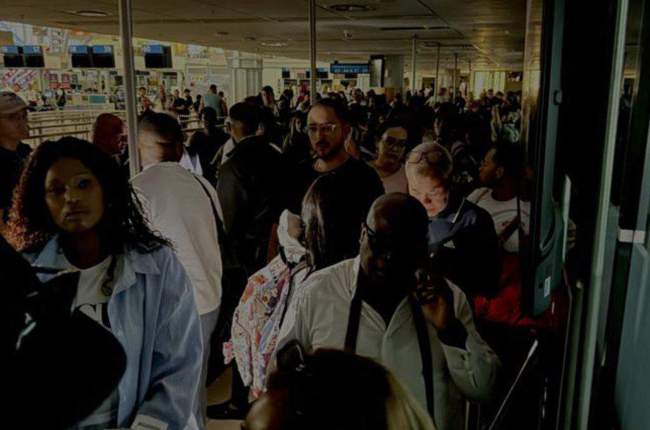
Africa has numerous cultural festivals, religious holidays, and national celebrations that draw large crowds. While these events can be exciting, they also lead to overcrowded transport, sold‑out hotels, and long queues.
If you prefer to avoid crowds, plan your trip during weeks without major holidays. If you do attend a festival, go early and make arrangements well in advance. Understanding the local calendar is essential for learning how to avoid lines and crowds in Africa.
Use Alternative Airports and Border Crossings
Major international airports in Africa can be very busy, especially during peak times. One solution is to fly into smaller or alternative airports.
Many countries have multiple international gateways. Choosing a lower‑profile airport can reduce immigration and baggage queues. Similarly, overland border crossings that are less frequented can be quieter if you plan your route and timing carefully.
Travel Independently or in Small Groups
Large tour groups often operate on fixed schedules, which can add to congestion at attractions. Independent travellers or small groups have far more flexibility, which is crucial for avoiding crowds.
Smaller groups can easily adjust their plans, visit sites during off‑peak hours, and explore alternative locations. This is why many lodges and tour operators now specialise in small‑group or private experiences.
Use Technology to Your Advantage
Technology can be a powerful ally in avoiding lines and crowds. Travel apps, mapping tools, and booking systems help travellers monitor peak periods, make reservations, and identify alternative routes.
Live traffic updates, online reviews, and attraction schedules can help you avoid peak congestion. Some safari parks and museums even release visitor flow data, allowing you to choose the smartest times for your visit.
Eat and Shop at Off‑Peak Hours
Restaurants, cafes, and markets can become very crowded during standard meal times. A simple yet effective tactic is to eat earlier or later than most people.
Visiting markets at opening time offers a calmer environment and more meaningful interactions with vendors. Shopping on weekdays instead of weekends also helps you avoid congestion in commercial areas.
Use Private Rather Than Shared Transport
Public transport often becomes overcrowded during rush hours. While it can provide cultural insight, it may not suit travellers trying to avoid crowds.
Using private taxis or ride‑hailing services gives you more control over timing and routes. This is a good strategy for avoiding lines and crowds, especially in large cities and tourist zones.
Plan Safaris Carefully
Safari tourism is one of Africa’s biggest attractions, but some parks become congested during peak season. Consider using private conservancies or reserves that limit the number of vehicles.
These areas restrict vehicle sightings, offering a more peaceful and exclusive wildlife experience. While often more expensive, the experience is far more comfortable and rewarding.
Stay Flexible with Your Itinerary

Flexibility is one of the strongest tools for avoiding crowds. Being open to changes based on weather, conditions, or local advice helps travellers steer clear of congested spots.
If an attraction is too busy, you can return later or visit an alternative site nearby. Africa is full of possibilities, and flexibility allows you to enjoy them without frustration.
Embrace Slow Travel
Slow travel means spending more time in fewer destinations rather than rushing to cover many places. This approach naturally helps you avoid lines and crowds.
By staying longer in one region, you can explore at off‑peak times, get to know local people, and discover hidden gems. Slow travel reduces stress and deepens cultural understanding.
Conclusion
Africa is an amazing continent, but crowds and queues can sometimes diminish the experience. Learning how to avoid lines and crowds gives travellers the ability to explore in a more relaxed, meaningful, and enjoyable way.
By choosing the right travel season, planning ahead, favouring off‑the‑beaten‑path destinations, and relying on local knowledge, you can experience Africa’s beauty, diversity, and authenticity without the stress. With careful planning, flexibility, and awareness, avoiding lines and crowds becomes not just a strategy but a rewarding way of travelling.