Africa boasts some of the most legendary wildlife and scenic landscapes in the world, making it a top destination for safari lovers. The best Africa safari parks offer a wide variety of experiences, from spotting the Big Five – lions, elephants, leopards, buffaloes, and rhinos – to discovering the lesser‑known treasures of smaller reserves. These safaris not only provide opportunities to observe wildlife but also allow visitors to explore local cultures, enjoy pristine nature, and immerse themselves in adventure.
This article discusses the ten best Africa safari parks and destinations that rank highest in wildlife diversity, spectacular scenery, and overall safari experience. From the expansive plains of the Serengeti to the tranquil waterways of the Okavango Delta in Botswana, each destination promises unforgettable wilderness encounters.
Why These Parks Are Top Safari Destinations
The parks listed below have been selected based on their exceptional wildlife populations, unique landscapes, accessibility, and range of safari activities. Whether you are a first‑time safari‑goer or a seasoned traveller, these destinations offer reliable game viewing, professional guiding, and infrastructure that enhances the experience while preserving the natural environment.
1. Serengeti National Park – Tanzania
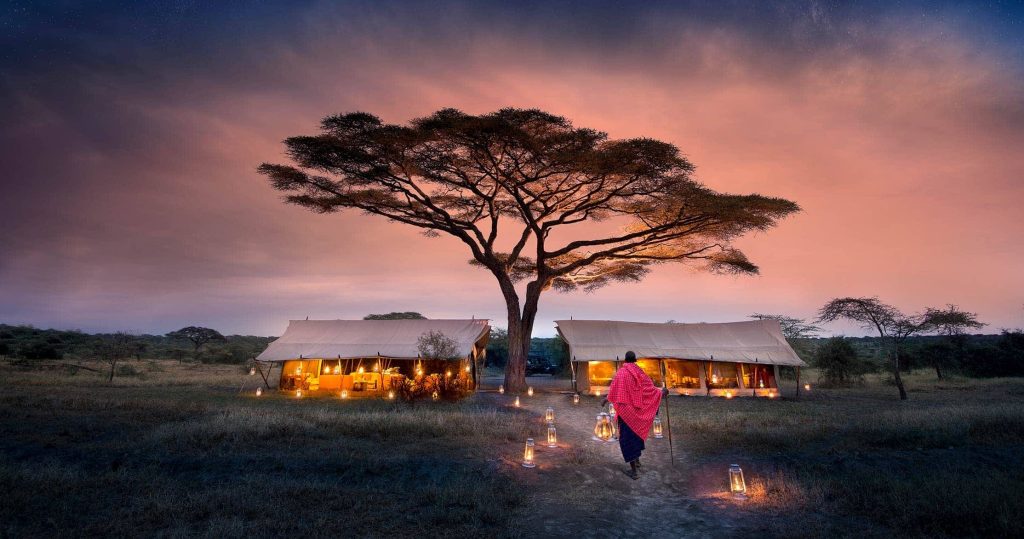
Serengeti National Park is globally renowned for the annual wildebeest migration. Located in northern Tanzania, its name comes from the Maasai language meaning endless plains. The park covers 14,763 square kilometres and supports an extraordinary diversity of wildlife.
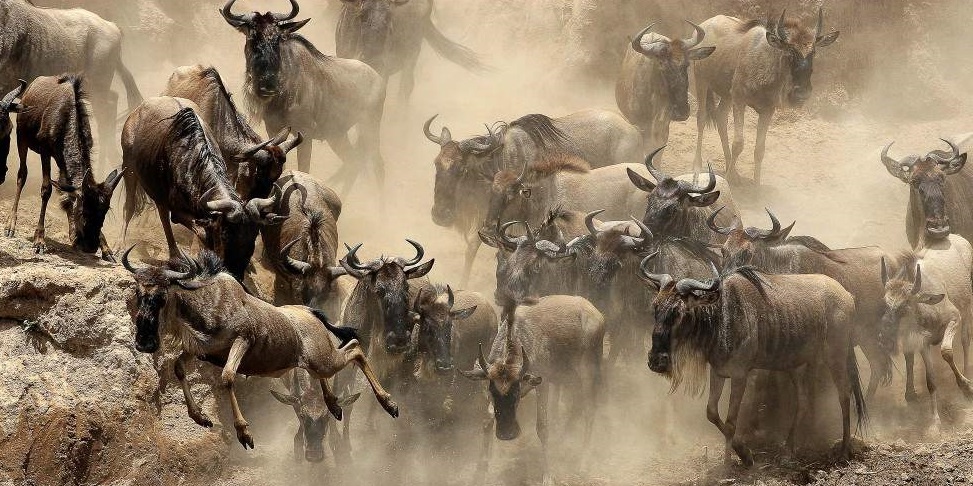
The Serengeti is home to the Big Five and offers some of the most iconic safari opportunities in Africa. The highlight is the Great Migration, during which over two million wildebeest, zebras, and gazelles move in a circular route between the Serengeti and the Maasai Mara in Kenya. This spectacle is on many travellers’ bucket lists.
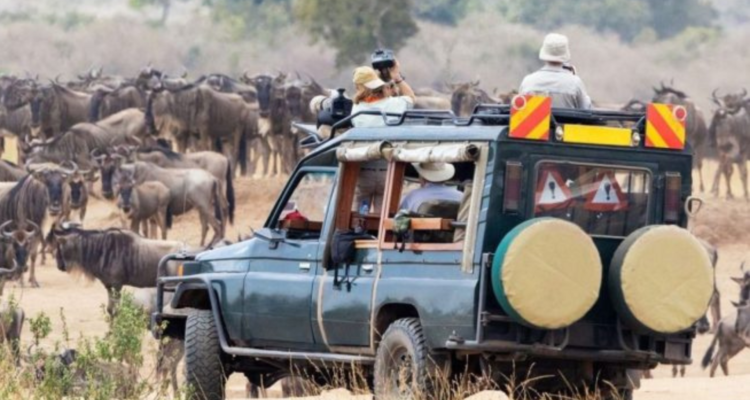
Activities and experiences include game drives to see lions, cheetahs, and elephants; hot air balloon safaris providing stunning aerial views; and guided walking safaris to learn about ecosystems and conservation.
2. Maasai Mara National Reserve – Kenya
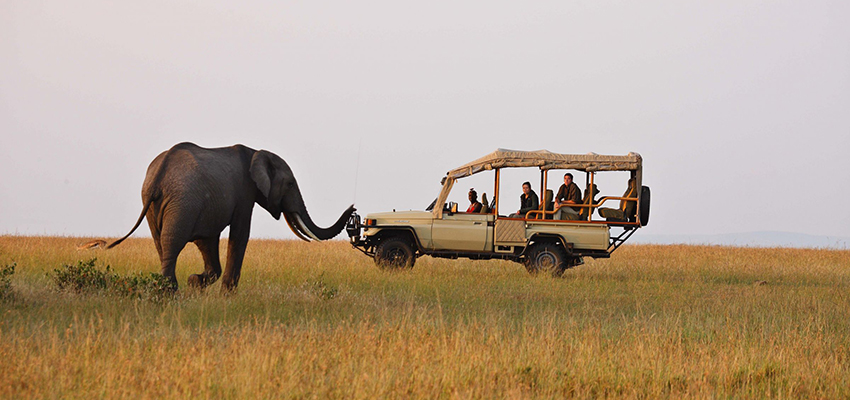
The Maasai Mara National Reserve in southern Kenya is one of the most famous safari destinations in the world. It boasts exceptional wildlife density and hosts the annual wildebeest migration, equally dramatic as that in the Serengeti.
The reserve offers an incredible variety of species in a relatively small area. Besides the Big Five, you can see cheetahs, hyenas, and abundant birdlife. The Mara River, which cuts through the reserve, is known for dramatic river crossings during the migration.
Activities include game drives with chances to see lions, leopards, elephants, and rare African wild dogs; cultural visits to Maasai villages; and hot air balloon rides offering magical views of wildlife and landscapes.
3. Kruger National Park – South Africa
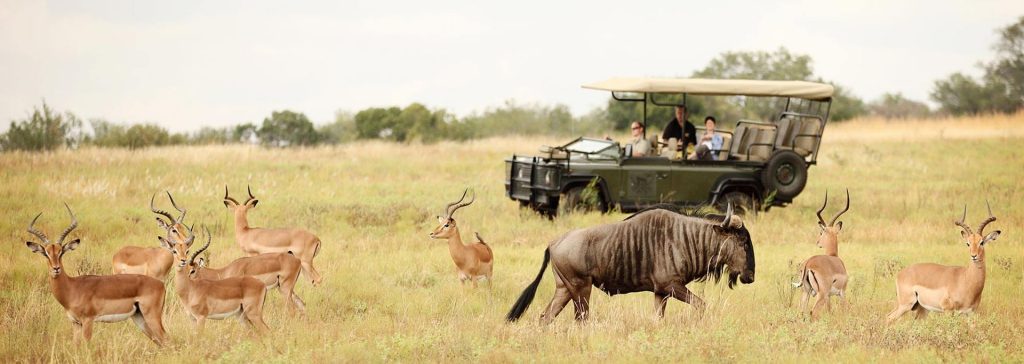
Kruger National Park is one of the largest and most renowned parks in Africa, located in northeastern South Africa. Covering over 20,000 square kilometres, it offers spectacular game viewing, including the Big Five, hundreds of bird species, and diverse vegetation.
Kruger is a favourite because of its easy access, excellent infrastructure, and high concentration of wildlife, making it suitable for both first‑time and experienced safari visitors. It offers a range of safari experiences, including self‑drive safaris, guided game drives, and luxury private lodge stays.
Activities include self‑drive safaris on an extensive road network; guided game drives and walking safaris for closer encounters; and night safaris to see nocturnal animals such as owls, leopards, and hyenas.
4. Okavango Delta – Botswana
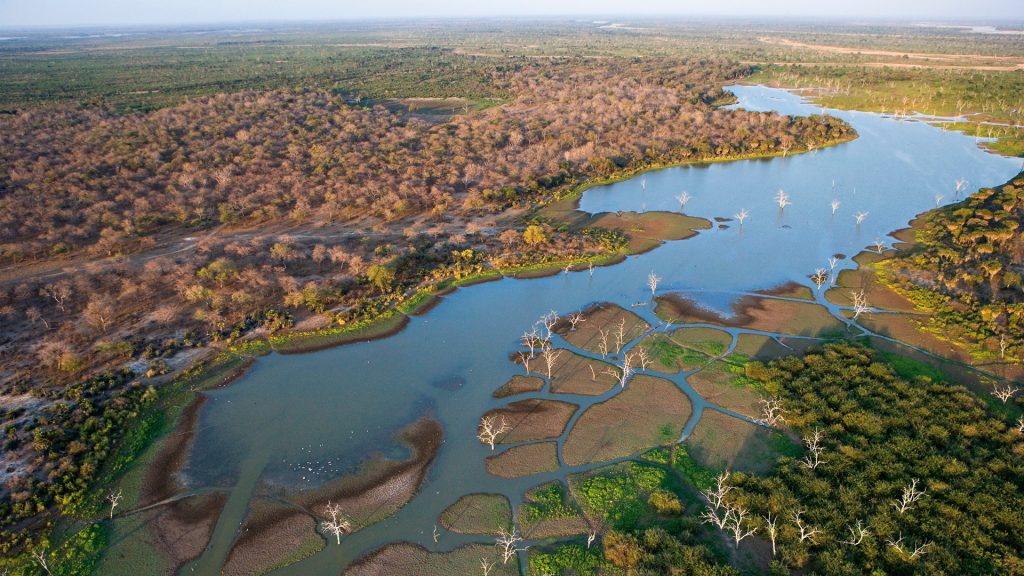
The Okavango Delta is a unique African destination and one of the best safari parks for water‑based wildlife experiences. This vast inland delta floods seasonally, creating a green oasis in the heart of the Kalahari Desert.
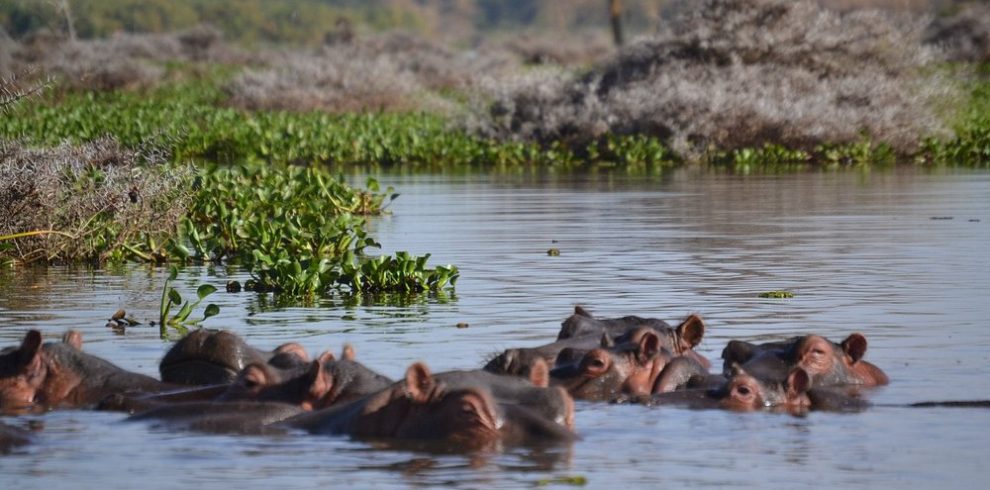
The delta is a haven for elephants, hippos, crocodiles, and numerous bird species. It is one of the best places for mokoro (traditional dugout canoe) safaris, allowing you to glide silently through the waterways and observe wildlife up close.
Activities include mokoro safaris with local guides; land‑based game drives to see lions, leopards, and buffalo; and walking safaris offered by many lodges for an even closer connection to the landscape.
5. Chobe National Park – Botswana
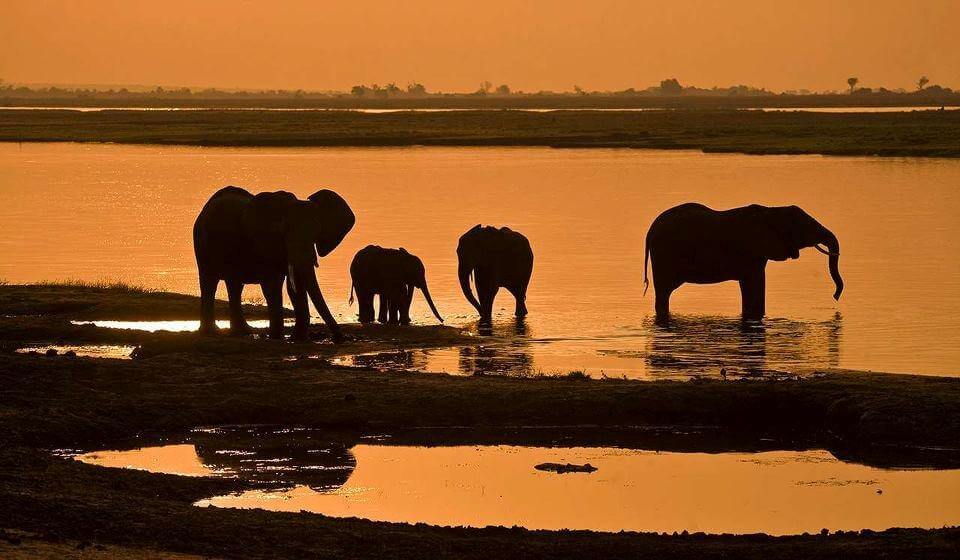
Chobe National Park is famous for its massive elephant herds and river‑based safaris. Located along the borders of Zimbabwe, Zambia, and Namibia, it is an excellent base for cross‑border safaris.
Chobe offers some of the best elephant sightings in Africa, with herds often numbering in the hundreds. The park features diverse ecosystems – riverine woodlands, grasslands, and wetlands – supporting a wide range of wildlife including lions and hippos.
Activities include boat safaris on the Chobe River for close‑up views of elephants and other wildlife; classic game drives across the park’s ecosystems; and birdwatching, with over 450 species recorded.
6. Etosha National Park – Namibia
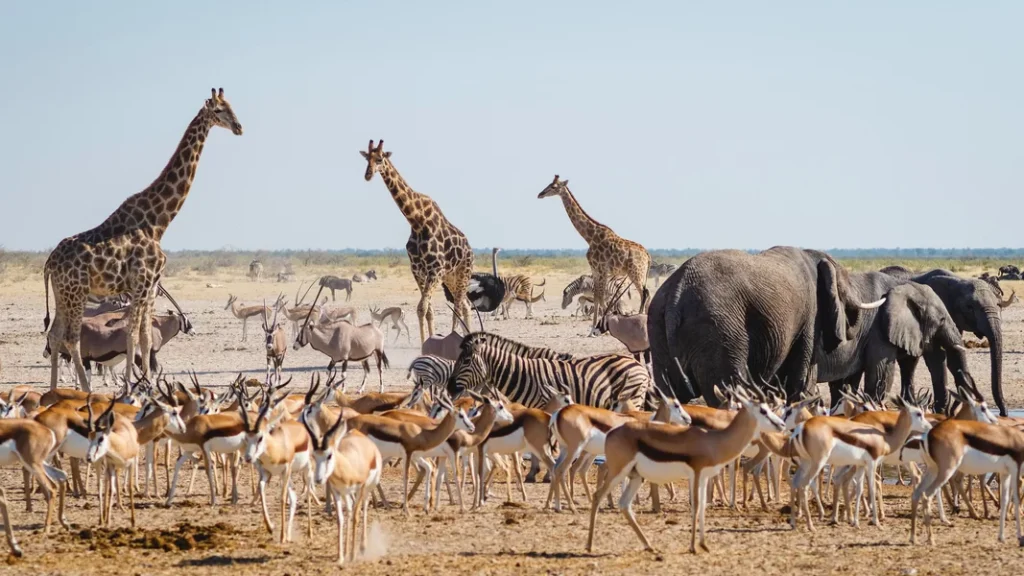
Etosha National Park, located in northern Namibia, offers a unique safari experience centred around the vast Etosha Pan, a salt pan that creates a shimmering mirage during the dry season.
Etosha is home to abundant wildlife, including lions, elephants, zebras, and rhinos. The park’s waterholes attract animals year‑round, making it an excellent destination for wildlife viewing, especially during the dry season when animals gather around the water.
Activities include game drives with outstanding opportunities around waterholes; self‑drive safaris allowing you to explore at your own pace; and guided night drives to see nocturnal creatures such as leopards and hyenas.
7. Hwange National Park – Zimbabwe
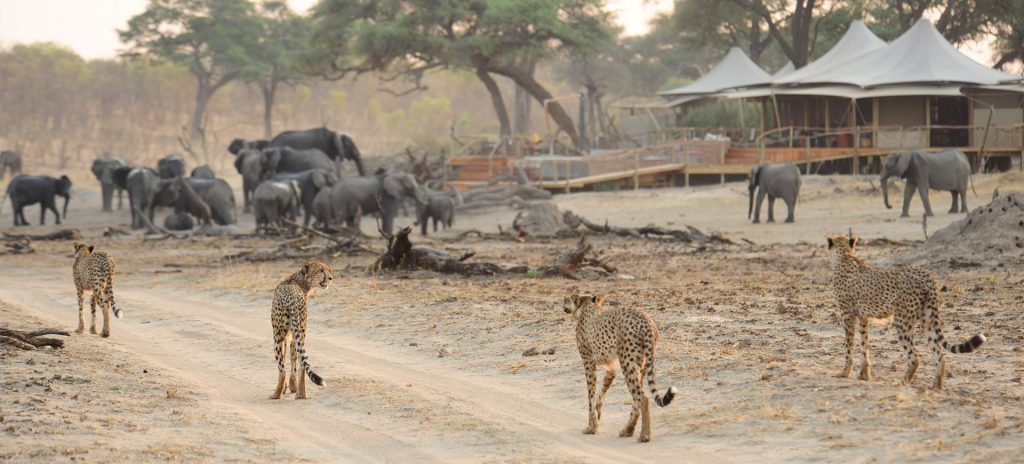
Hwange National Park is Zimbabwe’s largest and oldest national park, offering a quieter, less crowded safari experience. Located in the northwest, it is known for its massive elephant population and diverse habitats including savannahs and woodlands.
Hwange has huge elephant herds, often seen drinking at waterholes. The park also hosts lions, leopards, cheetahs, and wild dogs. Its remote location makes it an excellent choice for those wanting to avoid crowds while enjoying spectacular game viewing.
Activities include game drives to see elephants, predators, and herbivores; walking safaris through varied landscapes led by local guides; and waterhole viewing from lodges, where animals come and go throughout the day and night.
8. Rwenzori Mountains National Park – Uganda
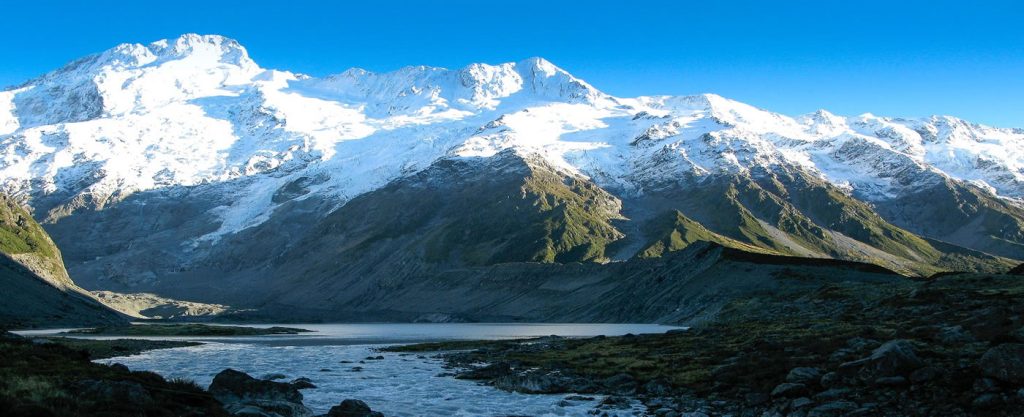
Rwenzori Mountains National Park in Uganda is a rare wildlife destination focused on high‑altitude adventure. This UNESCO World Heritage site lies on the border with the Democratic Republic of Congo and is known for its mountain peaks, glaciers, and endemic species.
The park is not a typical safari; it offers a high‑altitude adventure across rugged landscapes. Habitats range from tropical rainforest to alpine meadows, hosting rare species such as the bongo antelope and the Rwenzori colobus monkey.
Activities include mountain trekking to glaciers with panoramic views; and birdwatching and wildlife tracking in the park’s diverse ecosystems.
9. Lake Nakuru National Park – Kenya
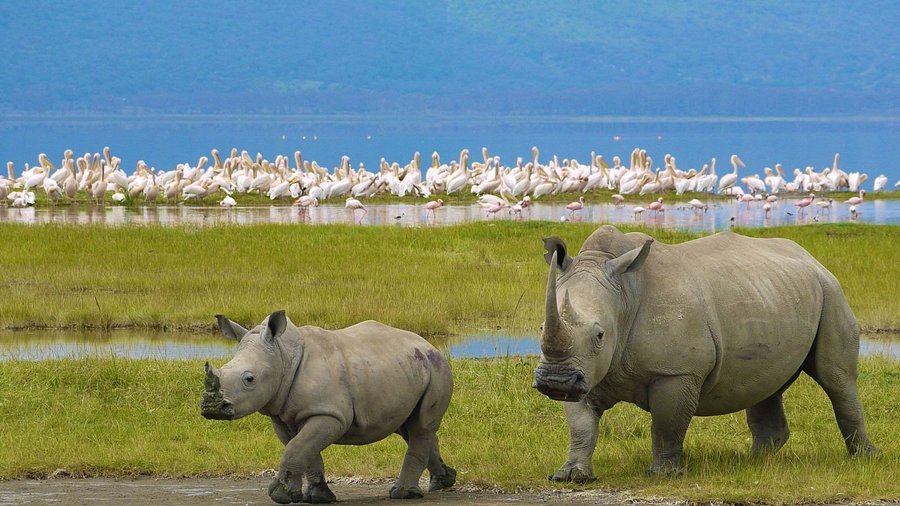
Lake Nakuru National Park in central Kenya is famous for its birdlife and stunning scenery. It is one of the best safari parks for seeing flamingos, which often gather in thousands along the lake’s shores.
The park is known for huge flocks of flamingos that create surreal pink masses at the water’s edge. It also hosts rhinos, giraffes, and lions.
Activities include birdwatching to see flamingos and other waterfowl; game drives offering views of endangered black rhinos in a beautiful setting; and nature walks with professional rangers.
10. Addo Elephant National Park – South Africa
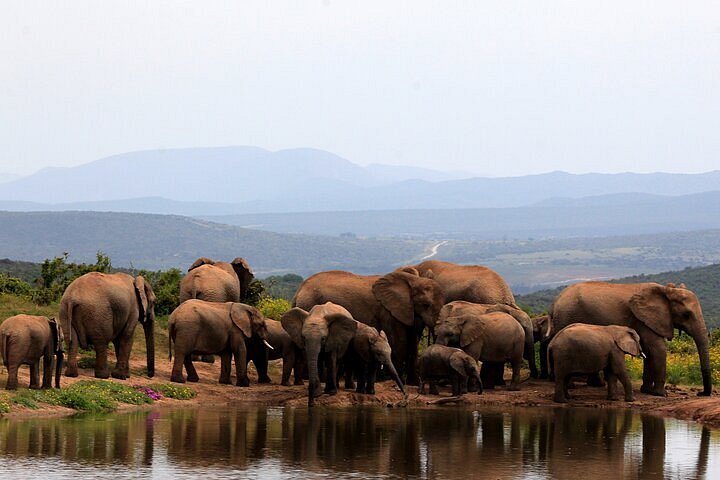
Addo Elephant National Park, located near Port Elizabeth in South Africa, is an excellent safari destination for elephant lovers. The park is home to over 600 elephants, making it one of the best places to see these magnificent animals up close.
Addo is a family‑friendly park with a wide range of wildlife in a relatively small area. Besides elephants, you can find lions, buffaloes, leopards, and several antelope species.
Activities include game drives with frequent elephant sightings; and walking safaris led by expert guides for a closer connection to nature.
Best Time to Visit Africa’s Top Safari Parks
The best time for wildlife viewing varies by region. For East Africa (Serengeti, Maasai Mara), the dry season from June to October offers peak game viewing and the dramatic river crossings. For Southern Africa (Kruger, Okavango, Chobe, Etosha, Hwange, Addo), the dry winter months from May to October are ideal. For the Rwenzori Mountains, the dry seasons from June to August and December to February are best for trekking. Lake Nakuru is excellent year‑round, but birdlife is most abundant during the dry season.
Travel Tips for an Unforgettable Safari
- Book accommodations and park permits well in advance, especially for peak season.
- Pack neutral‑coloured clothing, a wide‑brimmed hat, sunscreen, insect repellent, and binoculars.
- Bring a camera with a telephoto lens for wildlife photography.
- Respect wildlife rules: never exit a vehicle except in designated safe areas.
- Listen to your guides – they are trained to keep you safe and enhance your experience.
- Consider a mix of self‑drive and guided safaris for flexibility and deeper insight.
- Tipping guides and camp staff is customary; budget accordingly.
Conclusion
The best Africa safari parks reflect the continent’s incredible diversity of wildlife and landscapes. Whether you seek a classic safari adventure in the Serengeti, a unique water‑based experience in the Okavango Delta, or a mountain trek in the Rwenzori Mountains, Africa offers endless opportunities to connect with nature. Visiting these top safari destinations not only allows you to witness extraordinary wildlife but also provides a deeper appreciation for the land and its people.