
Experience Mliwane Wildlife, Beyond Your Imagination
25+ years of expertise in 15 Africa Countries
1000+ thoughtfully selected travel partners
200,000+ travellers, many of whom return year after year

Why Travel With Exodussafaris?
25 Years of Safari Expertise
With over 25 years of hands-on experience, we design tailor-made African safaris enriched by deep regional insight and trusted local partnerships.
We Know Because We Go
Our long-standing presence across Africa gives us unmatched knowledge of destinations, lodges, unique experiences, and lesser-known treasures worth discovering.
24/7 Support
From the moment you reach out to your safe return home, we provide continuous support, ensuring every detail is handled seamlessly at any hour.
Every Adventure Makes a Difference
Every safari contributes to the preservation of fragile ecosystems and the well-being of local communities, helping both flourish together.
Complete Financial Protection
We offer complete financial protection, giving you confidence and peace of mind when planning your journey with us.
World-Class Recognition, Trusted by Travellers
Celebrated by leading travel authorities such as Condé Nast Traveler, Travel + Leisure, and the World Travel Awards, our reputation reflects both industry acclaim and genuine traveller satisfaction.
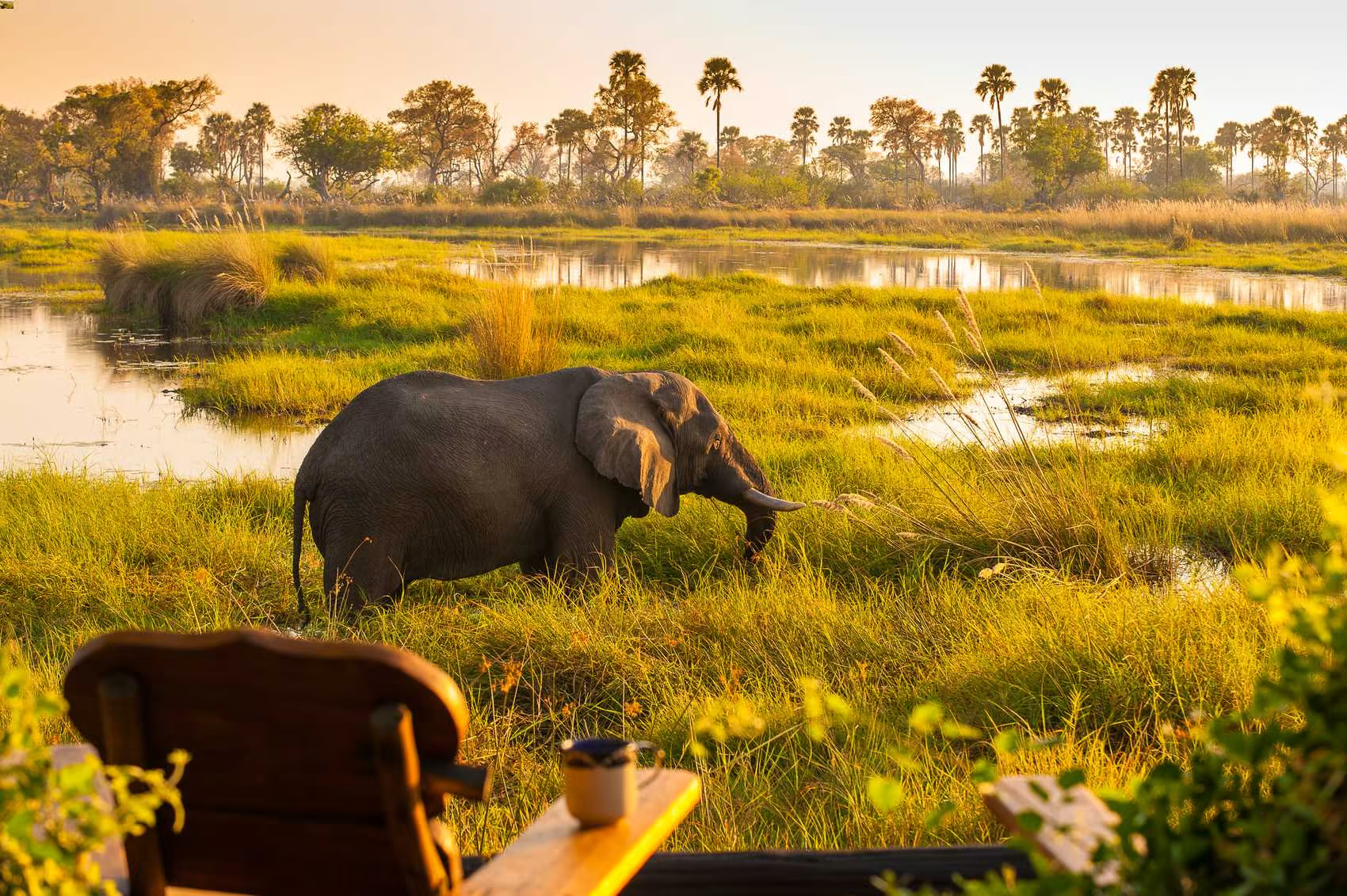
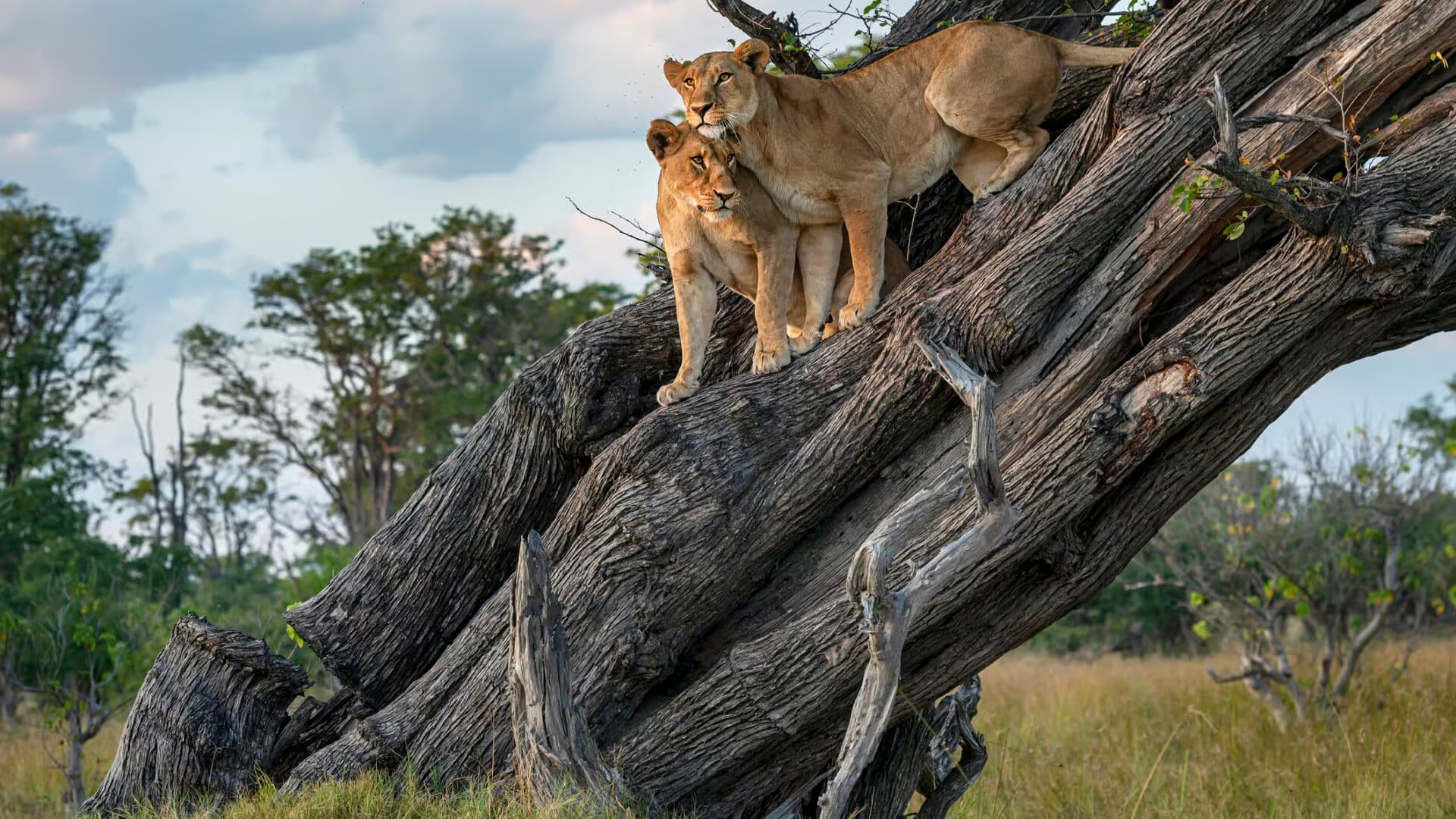
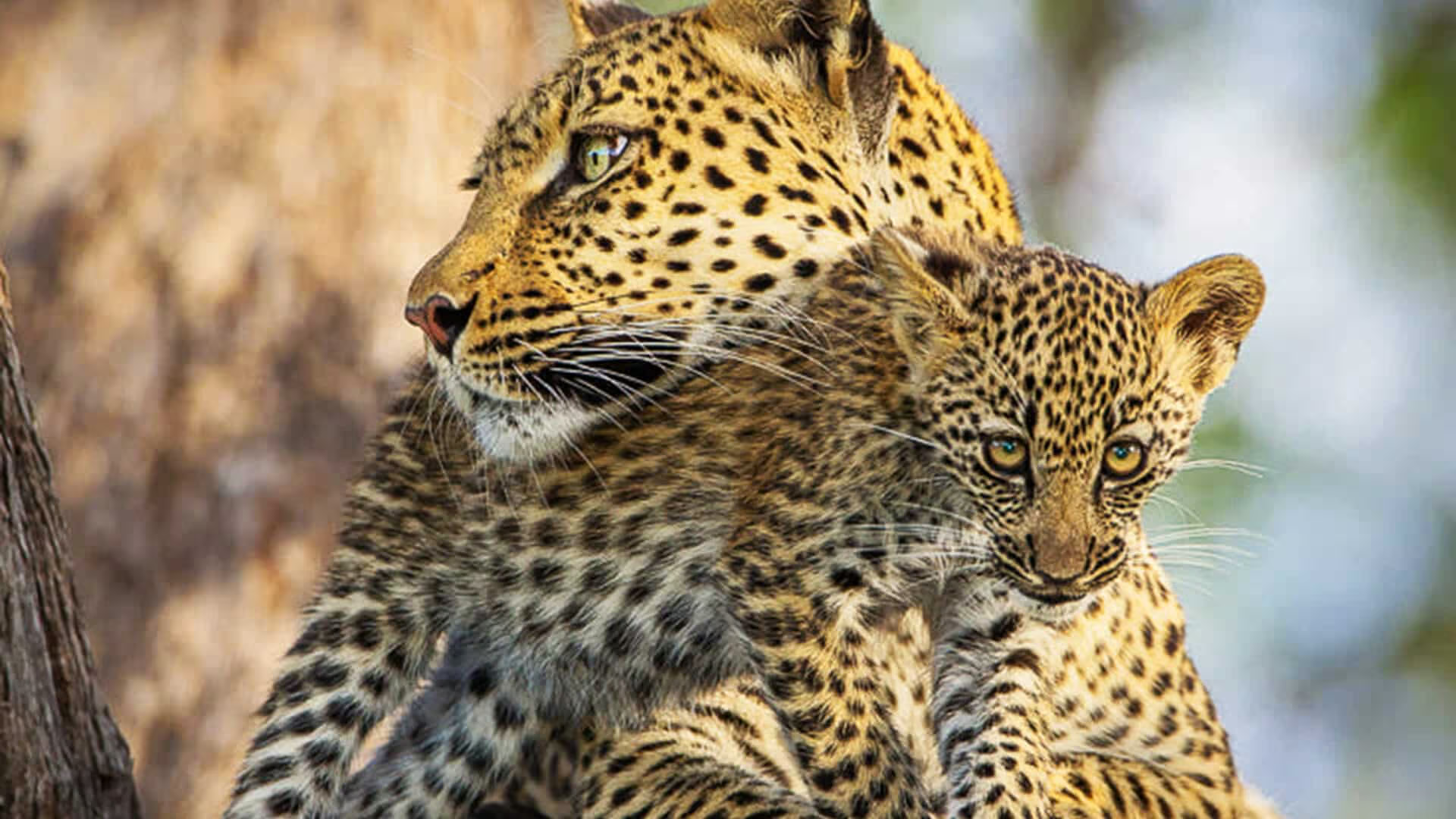
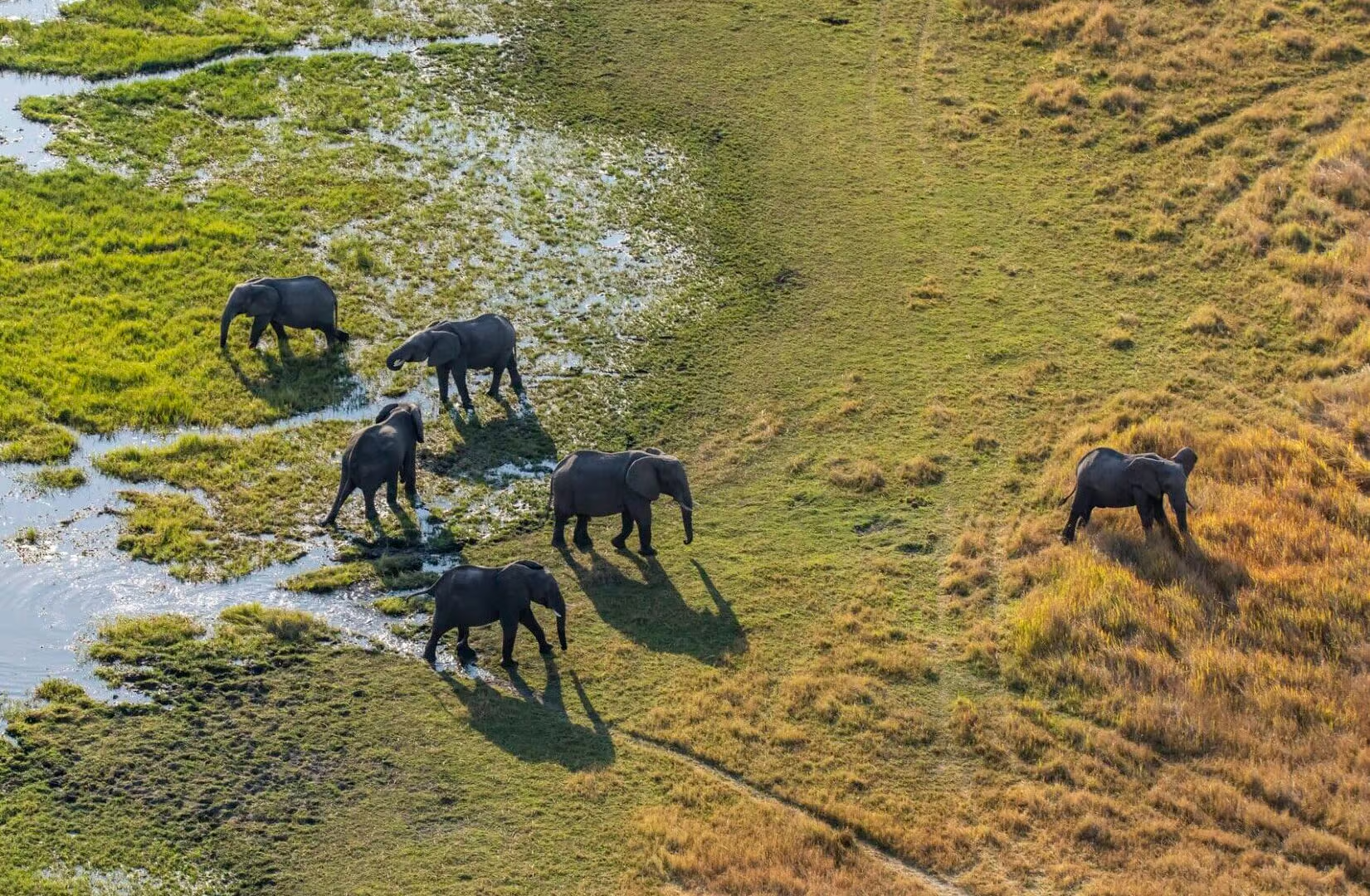
Mliwane Wildlife Gallery
Where To Go In Mliwane Wildlife
Mliwane Wildlife offers a diverse range of scenic and cultural highlights, ensuring there is always something new and memorable to explore.
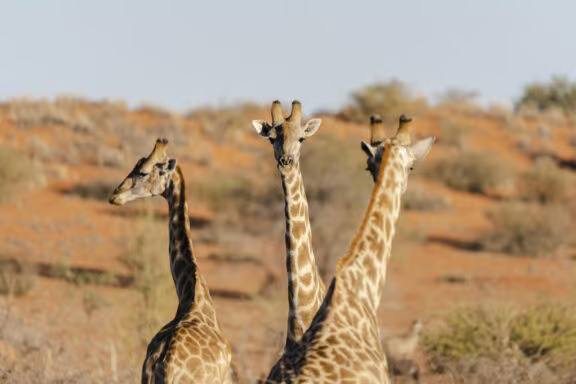
Mlilwane Main Camp
This central hub offers easy access to many of the reserve’s key attractions. Visitors can enjoy relaxed surroundings, wildlife sightings, and guided activities right from camp. Its proximity to trails and watering holes makes it ideal for first-time visitors.
Hippo Haunt
Set along a tranquil river, this area is known for its resident hippos and birdlife. Early mornings and late afternoons provide the best chances to observe animals in their natural habitat. The peaceful setting is perfect for photography and quiet reflection.
Execution Rock
This dramatic granite outcrop carries historical significance and offers sweeping views of the valley below. It’s a popular stop for hikers seeking both adventure and cultural insight. The surrounding scenery adds to its striking presence.
Nyonyane Mountain
Also known as “Rock of Execution,” this mountain dominates the landscape and attracts hikers. Trails wind through diverse terrain, rewarding visitors with panoramic vistas. It’s an excellent spot for both sunrise and sunset views.
Mantenga Cultural Village
A living museum showcasing traditional Swazi culture, music, and dance. Visitors can engage with local traditions and gain insight into daily life. Performances are lively and educational, making it a cultural highlight.
Mantenga Falls
One of Eswatini’s most scenic waterfalls, surrounded by lush vegetation. The falls are easily accessible and ideal for short excursions. The sound of cascading water adds to the serene atmosphere.
Reilly’s Rock Hilltop Lodge
A historic lodge perched on a hill, offering stunning views and a sense of exclusivity. Its colonial charm and peaceful gardens make it a relaxing retreat. It’s also a great base for exploring nearby trails.
Ezulwini Valley
Located nearby, this valley is known as the “Valley of Heaven.” It features craft markets, cultural sites, and scenic landscapes. Visitors can combine wildlife exploration with cultural experiences.
Sheba’s Breast Mountain
A distinctive double-peaked mountain visible from many parts of the reserve. It offers challenging hikes and rewarding scenery. The area is rich in biodiversity and natural beauty.
Game Viewing Plains
Open grasslands where animals such as zebra and antelope roam freely. These plains are ideal for walking safaris and photography. The unobstructed views make wildlife spotting easier.
Birding Trails
Specially designated paths for bird enthusiasts, featuring a wide range of species. The trails pass through varied habitats, enhancing the birdwatching experience. Guides can help identify rare sightings.
Cycling Routes
Mlilwane is one of the few reserves where visitors can explore by mountain bike. The routes are well-marked and suitable for different skill levels. Cycling offers a unique and active way to experience wildlife.
Horse Riding Trails
A place of deep spiritual and historical significance, Tsodilo Hills rises dramatically from the Kalahari Desert, creating a striking contrast to the surrounding arid landscape. This UNESCO World Heritage Site... ahpar13
Rock Pools
Natural pools formed among granite rocks, perfect for relaxing breaks. These spots are especially refreshing during warmer months. They also provide scenic picnic locations.
Best Time To Visit Mliwane Wildlife
The best time to visit Mliwane Wildlife is during the dry winter months from May to September, when wildlife viewing is at its peak and conditions are comfortable.
Mliwane Wildlife Safari in January
January falls in the rainy season, bringing lush greenery and vibrant landscapes. Wildlife is still present, though animals may be more dispersed due to abundant water sources. Birdwatching is excellent, with migratory species adding color to the reserve. Occasional showers can occur, but they are often brief and refreshing.
Mliwane Wildlife Safari in February
The rains continue in February, maintaining the reserve’s rich, green scenery. This is a great time for photography, as the landscape is at its most vibrant. Wildlife sightings require a bit more patience, but the quieter atmosphere enhances the experience. Birdlife remains abundant and active.
Mliwane Wildlife Safari in March
Rainfall begins to ease, making March a transitional month. The vegetation is still lush, but visibility improves slightly for wildlife viewing. Temperatures remain warm, creating comfortable conditions for exploration. It’s a balanced time for both scenery and animal encounters.
Mliwane Wildlife Safari in April
April marks the end of the rainy season, with clearer skies and cooler temperatures. Wildlife becomes easier to spot as water sources start to shrink. The landscape remains green, offering the best of both seasons. It’s an excellent month for hiking and outdoor activities.
Mliwane Wildlife Safari in May
The dry season begins in May, bringing cooler mornings and evenings. Animals gather around limited water sources, improving game viewing. The reduced vegetation enhances visibility across the reserve. It’s a great time for walking safaris and photography.
Mliwane Wildlife Safari in June
June offers crisp, cool weather with minimal rainfall. Wildlife viewing is at its peak as animals concentrate near water. The clear skies and mild temperatures make outdoor activities enjoyable. Warm clothing is recommended for early mornings.
Mliwane Wildlife Safari in July
July is one of the coldest months, especially during early mornings and evenings. Despite the chill, it provides excellent wildlife viewing conditions. The dry landscape makes animals easier to spot. It’s a popular time for visitors seeking clear, sunny days.
Mliwane Wildlife Safari in August
Conditions remain dry and cool, with increasing wildlife activity around water sources. Vegetation is sparse, allowing for unobstructed views. It’s an ideal month for game drives and guided walks. The comfortable climate enhances the overall safari experience.
Mliwane Wildlife Safari in September
Temperatures begin to rise in September, signaling the end of winter. Wildlife sightings remain strong as animals continue to rely on limited water. The landscape starts to transition, with hints of green returning. It’s a great time for both wildlife and scenery.
Mliwane Wildlife Safari in October
October is warmer and marks the buildup to the rainy season. Animals are still relatively easy to find, especially near water. The heat can be intense during midday, so early and late activities are recommended. Occasional showers may begin.
Mliwane Wildlife Safari in November
The rains return in November, bringing fresh life to the reserve. The landscape quickly transforms into lush greenery. Wildlife disperses slightly, but the scenery becomes more dramatic. Birdwatching improves as migratory species arrive.
Mliwane Wildlife Safari in December
December is warm and wet, with frequent afternoon showers. The reserve is at its most vibrant, with blooming النباتات and active wildlife. It’s a quieter time for tourism, offering a more private experience. Birdlife is particularly impressive during this month.
Our Recommended Activities In Mliwane Wildlife
Explore our recommended experiences in Mliwane Wildlife and find your perfect way to connect with its natural beauty.
Chief’s Island
Moremi Game Reserve
Makgadikgadi Pans
Chobe National Park and Savuti Marsh
Khwai
Chief’s Island
Our Recommended Activities In Mliwane Wildlife
Explore our recommended experiences in Mliwane Wildlife and find your perfect way to connect with its natural beauty.
Chief’s Island
Moremi Game Reserve
Makgadikgadi Pans
Chobe National Park and Savuti Marsh
Khwai
Chief’s Island
Safari Lodges, Tented Camps and Villas
in Mliwane Wildlife
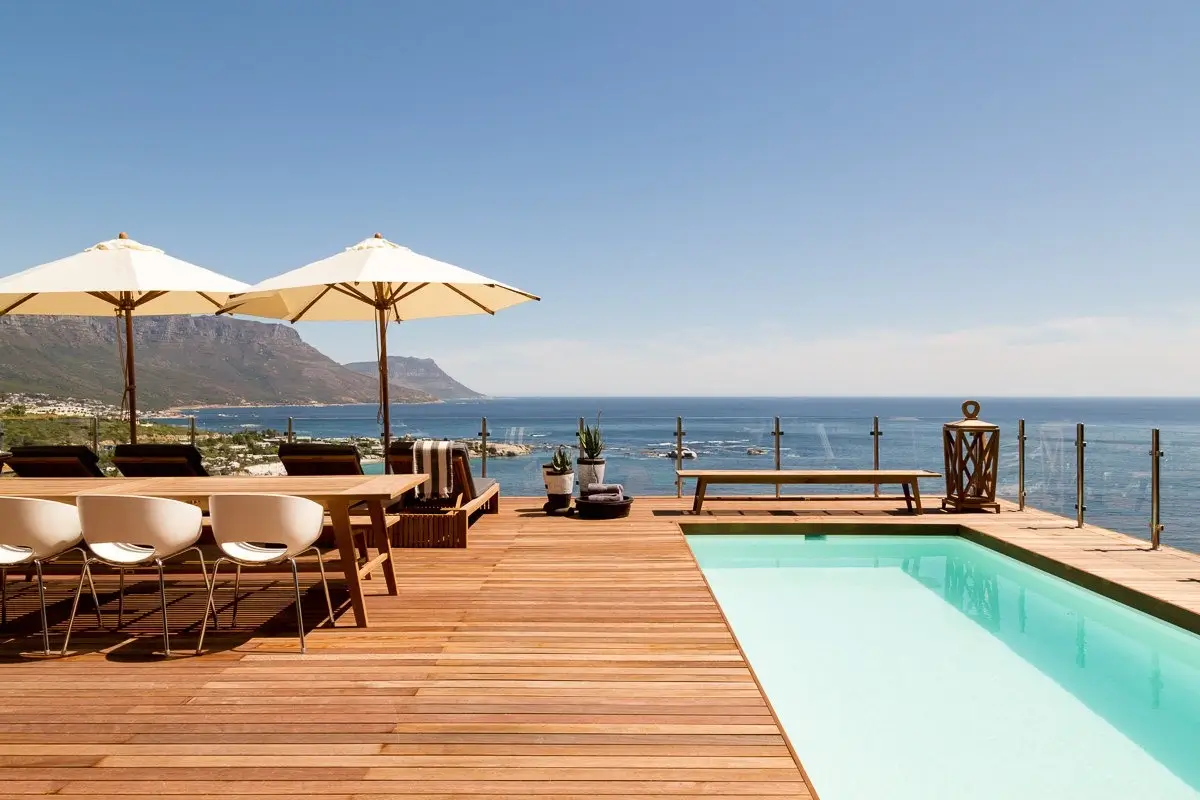
Savute Elephant Lodge, A Belmond Safari
- Botswana Chobe National Park
Belmond Savute Elephant Lodge is a luxury lodge in Chobe National Park known for its...

Luxury
African Bush Camps Atzaro Okavango Camp
- Botswana
Welcome to Atzaro Okavango, a premier safari destination that offers sustainable luxury in the heart...
Luxury
Cha Cha Metsi
- Botswana Okavango Delta
Explore our most popular safaris in Botswana and experience the magic of its untouched wilderness.cvbcccccccccccccccccccccc
Luxury
What You Need To Know About Mliwane Wildlife Safaris
Find everything you need to know to plan your Mliwane Wildlife adventure, from travel tips to essential insights for an unforgettable trip.
Mliwane Wildlife Food and Tipping Practices
Meals in Mliwane Wildlife typically blend local Swazi flavors with international cuisine, often served at lodges or camps. Fresh ingredients and simple, hearty dishes are common. Tipping is appreciated but not mandatory; guides, drivers, and lodge staff generally receive small gratuities as a token of appreciation for good service.
Mliwane Wildlife Food and Tipping Practices
Cost of a Mliwane Wildlife Safari
Safari costs vary depending on accommodation type, activities, and duration. Budget options such as campsites are available, while luxury lodges offer premium experiences. Fees usually include park entry, guided activities, and meals in some packages. Planning ahead helps secure better rates.
Cost of a Mliwane Wildlife Safari
Packing List for Mliwane Wildlife
Pack lightweight clothing in neutral colors, a warm layer for cool mornings, and comfortable walking shoes. Essentials include sunscreen, insect repellent, a hat, and a reusable water bottle. Binoculars and a camera are highly recommended for wildlife viewing.
Packing List for Mliwane Wildlife
Climate in Mliwane Wildlife
The reserve experiences a subtropical climate with warm, wet summers and cool, dry winters. Rainfall mainly occurs between November and March, while the dry season runs from May to September. Temperatures vary, with cooler mornings in winter and hotter afternoons in summer.
Climate in Mliwane Wildlife
Languages in Mliwane Wildlife
The primary languages spoken are siSwati and English. English is widely used in tourism, making communication easy for international visitors. Learning a few local phrases can enhance interactions with guides and community members.
Languages in Mliwane Wildlife
Is Mliwane Wildlife Safe?
Mliwane Wildlife is considered a safe destination, especially within the reserve. Wildlife is generally non-dangerous, and many areas can be explored on foot or by bike. Visitors should still follow guide instructions and basic safety practices to ensure a secure and enjoyable experience.
Is Mliwane Wildlife Safe?
What People Say About Us
We are the leading travel agency offering different programs and higher education diplomas that are designed with global requirements in mind.
Unforgettable Safari Experience!
— Jennifer L., USA
Incredible Service from Start to Finish
— Thomas K., Germany
Wildlife Like You’ve Never Seen!
— Sarah M., Australia
Perfect for First-Time Safari Travelers
— Mark & Ellie B., UK
A Dream Honeymoon!
— Nadia & Carlos R., Spain
Blog and articles
Latest travel tips and blog covering all travel experiences. Check out our mentions in different guides and articles.

Our Trusted Safari Partners in Africa
Latest travel tips and blog covering all travel experiences. Check out our mentions in different guides and articles.