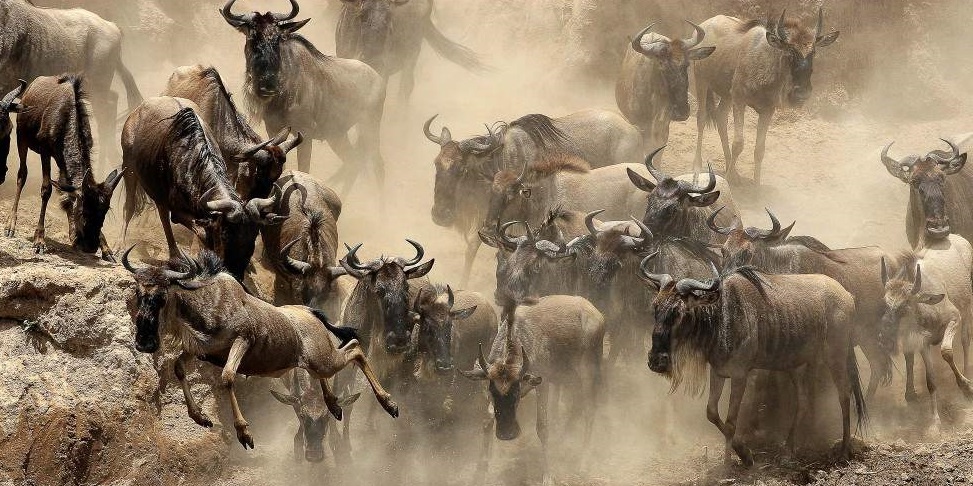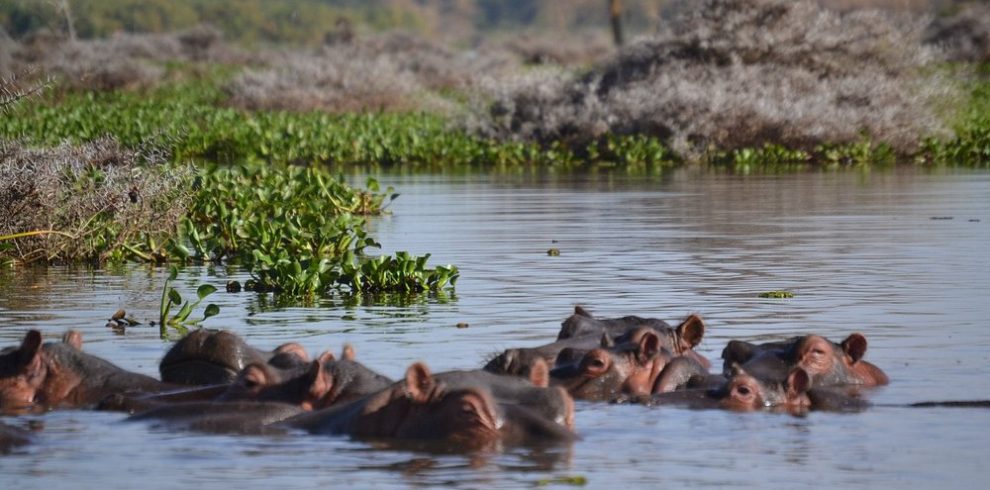
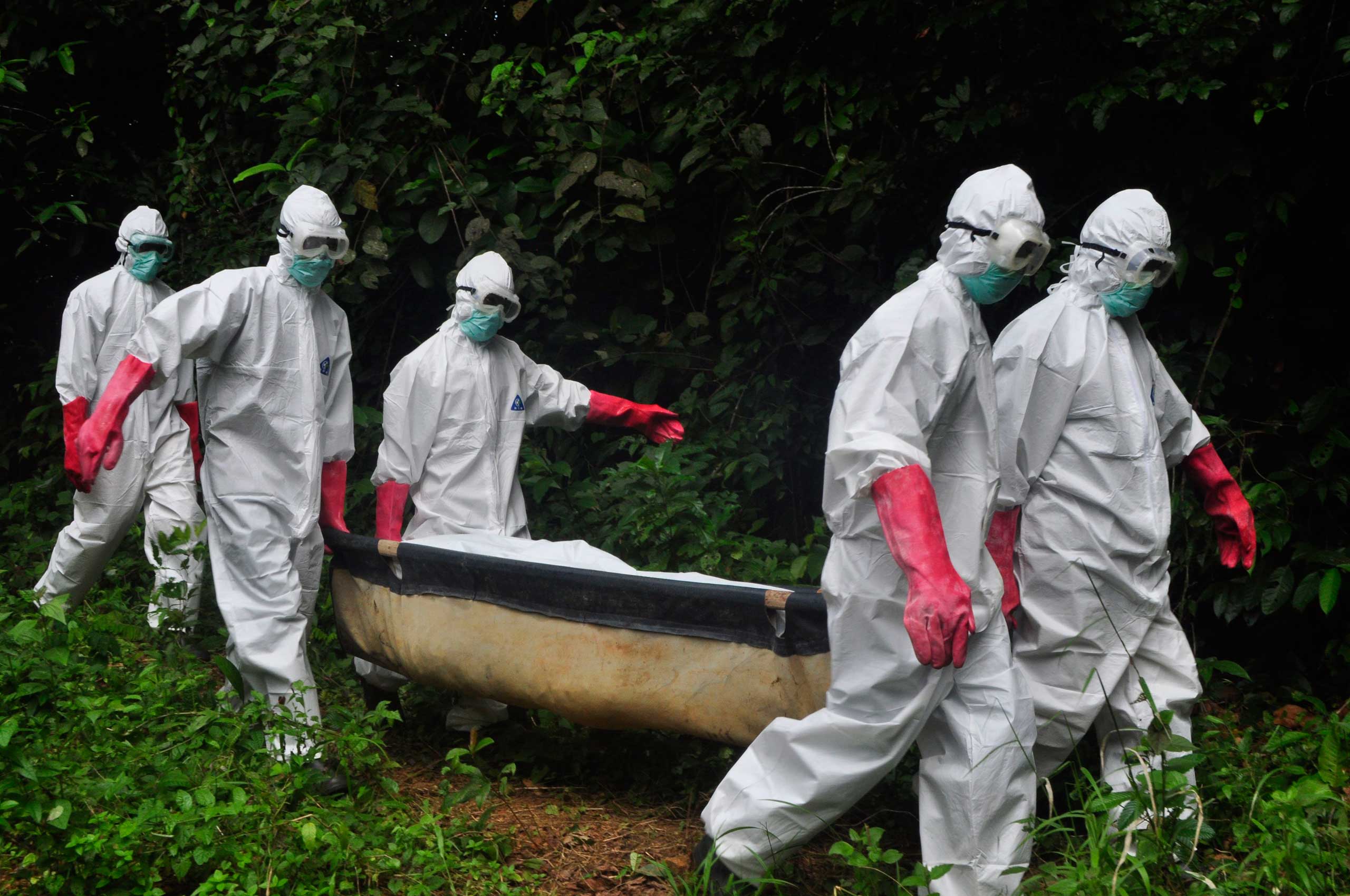
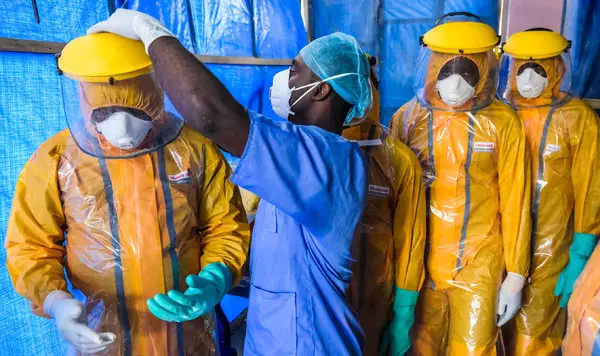
The 2014 Ebola outbreak had a profound impact on West Africa, particularly in Guinea, Liberia, and Sierra Leone. While the global focus was rightly on the humanitarian crisis, the ripple effects extended far beyond public health. One of the hardest-hit sectors—despite being geographically distant from the outbreak—was Africa’s safari tourism industry.
From the savannahs of Kenya to the reserves of Botswana, the safari sector experienced a sharp downturn driven largely by fear and misinformation. This article explores how the outbreak affected tourism, local economies, and conservation efforts, as well as how the industry has since recovered.
Overview
The Ebola outbreak was largely confined to West Africa, yet its global media coverage created the impression that the entire continent was unsafe. As a result, safari destinations in East and Southern Africa—regions thousands of kilometers away—saw dramatic declines in international visitors.
Countries such as Tanzania, South Africa, and Namibia were not affected by the virus itself, but their tourism industries still suffered due to widespread travel cancellations and reduced bookings.
Key Insights
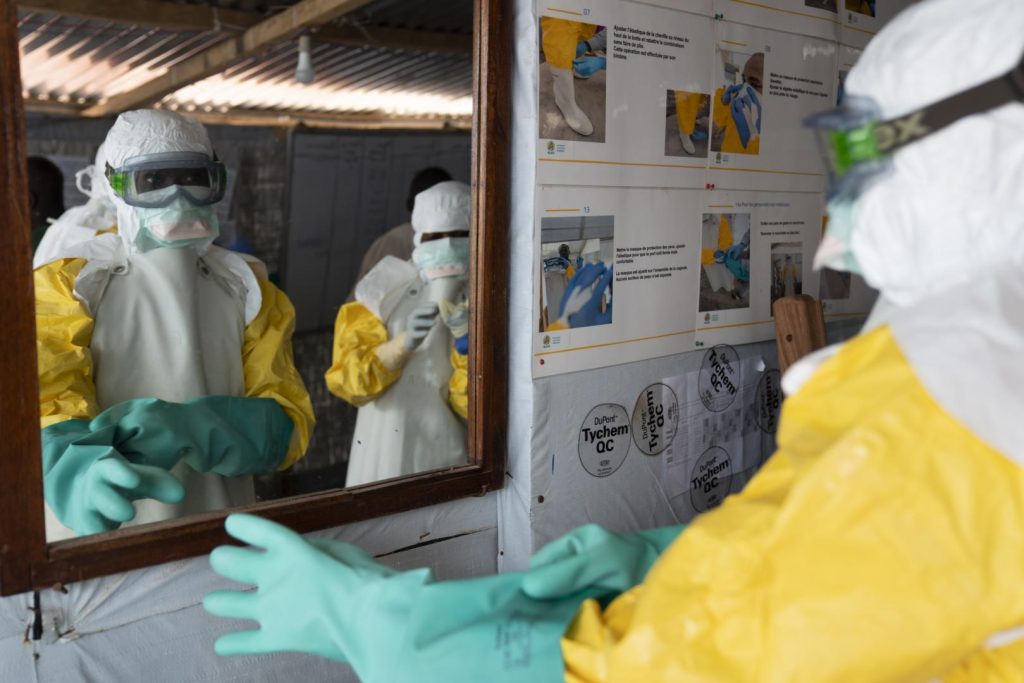
Sharp Decline in Tourist Arrivals
At the height of the outbreak, safari operators reported booking declines of up to 50–70 percent. International travelers postponed or canceled trips due to perceived health risks, even in unaffected regions.
Economic Ripple Effects
The safari industry supports a wide network of services, including hotels, transport providers, restaurants, and local artisans. As tourism declined, these sectors also experienced significant losses.
Misinformation and Perception
A major factor in the downturn was the misunderstanding of Africa’s geography. Many travelers viewed the continent as a single destination, failing to distinguish between affected and unaffected regions.
How It Works
Impact on Local Communities
Safari tourism is a major source of employment across Africa. In countries like Kenya and South Africa, thousands of people rely on the industry for income.
Job losses affected:
- Tour guides and drivers
- Lodge and camp staff
- Conservation rangers
- Local craftsmen and vendors
In rural areas near reserves, where tourism is often the primary economic driver, the decline led to increased financial hardship and reduced development opportunities.
Impact on Wildlife Conservation
Tourism revenue plays a crucial role in funding conservation. National parks and reserves depend on visitor fees to support:
- Anti-poaching patrols
- Habitat protection
- Wildlife monitoring programs
With fewer visitors, funding dropped significantly. This created challenges for protecting endangered species such as elephants, rhinos, and lions. Reduced monitoring also made it harder to manage wildlife populations effectively.
Challenges for Safari Operators
Tour operators and lodges faced severe financial strain. Some businesses were forced to scale down operations, while others temporarily closed. Marketing efforts shifted toward rebuilding trust and reassuring travelers about safety.
Tips
Understand Regional Differences
Africa is vast and diverse. An outbreak in one region does not mean the entire continent is affected. Always check specific country conditions before canceling travel plans.
Rely on Trusted Sources
Use official travel advisories and reputable organizations for accurate information, rather than relying solely on headlines or social media.
Support Responsible Tourism
Choosing ethical safari operators helps sustain conservation and local livelihoods, especially during recovery periods.
Plan with Flexibility
When traveling in regions prone to unexpected events, flexible bookings and travel insurance can provide peace of mind.
Conclusion
The Ebola outbreak highlighted how interconnected global perceptions and local economies can be. Although the virus was geographically limited, its impact on Africa’s safari industry was widespread and significant. Tourism declined, jobs were lost, and conservation efforts faced funding challenges.
However, the industry has shown remarkable resilience. Through targeted marketing, improved communication, and renewed interest in authentic travel experiences, safari destinations across Africa have steadily recovered. Today, travelers are once again exploring iconic landscapes in Kenya, Tanzania, and beyond.
The experience serves as a reminder of the importance of accurate information, responsible travel, and continued support for conservation-driven tourism.