
Experience Northern Tuli, Beyond Your Imagination
25+ years of expertise in 15 Africa Countries
1000+ thoughtfully selected travel partners
200,000+ travellers, many of whom return year after year

Why Travel With Exodussafaris?
25 Years of Safari Expertise
With over two decades of experience, we design tailor-made African safaris guided by extensive first-hand knowledge and trusted local partnerships.
We Know Because We Go
Our long-standing presence across Africa gives us unmatched insight into every destination, lodge, and experience—including those hidden gems you won’t find elsewhere.
24/7 Support
From your first enquiry to your journey home, we provide round-the-clock assistance, ensuring every detail is handled seamlessly with support you can rely on at any time.
Every Adventure Makes a Difference
Each safari contributes to conservation efforts and supports local communities, helping protect ecosystems while empowering the people who depend on them.
Complete Financial Protection
We offer peace of mind through secure booking processes and reliable financial protection, so you can plan your safari with total confidence.
World-Class Recognition, Trusted by Travellers
Celebrated by leading travel authorities and, more importantly, valued by our travellers, our reputation reflects a commitment to exceptional safari experiences.
Northern Tuli Gallery
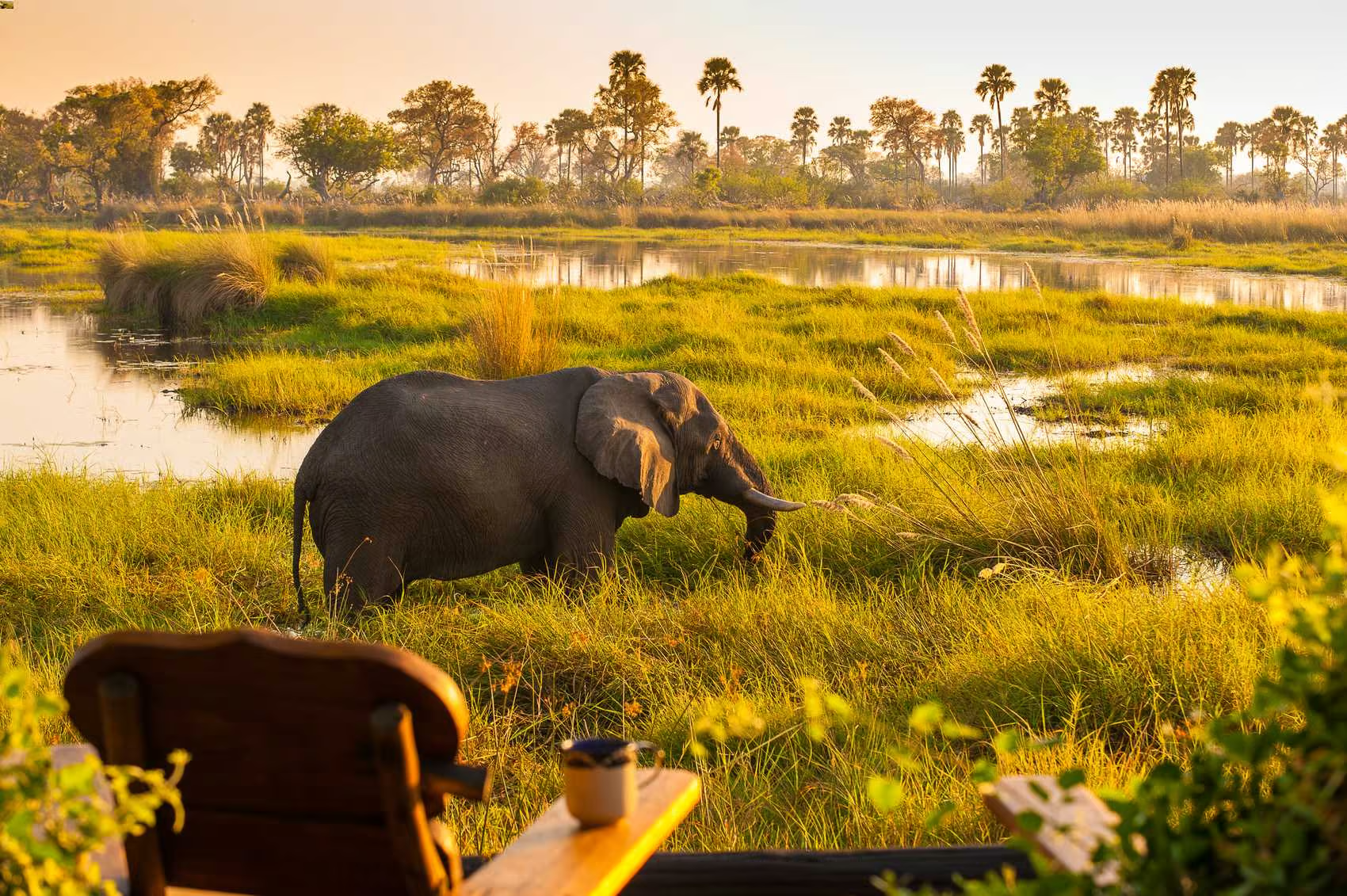
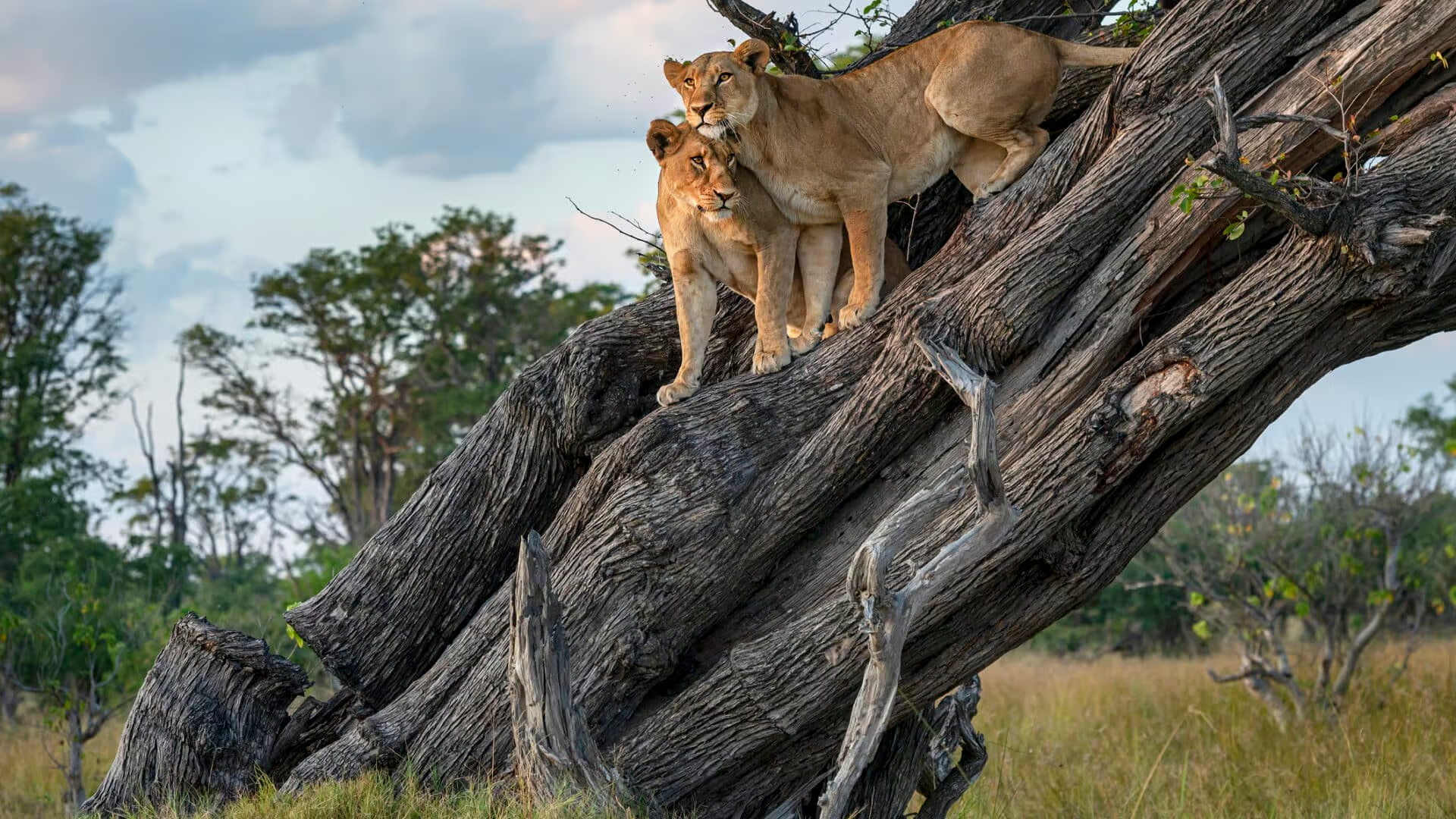
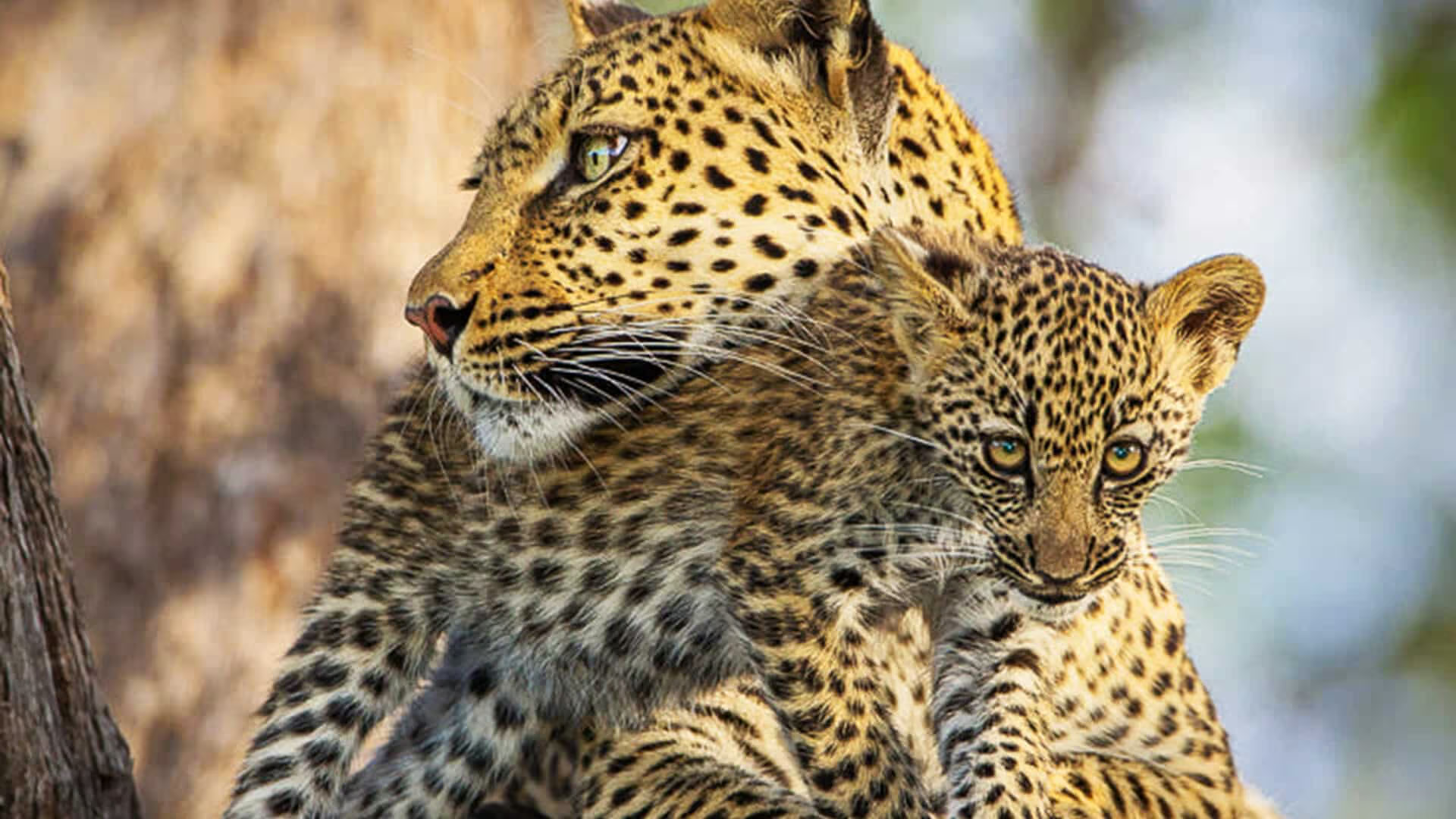
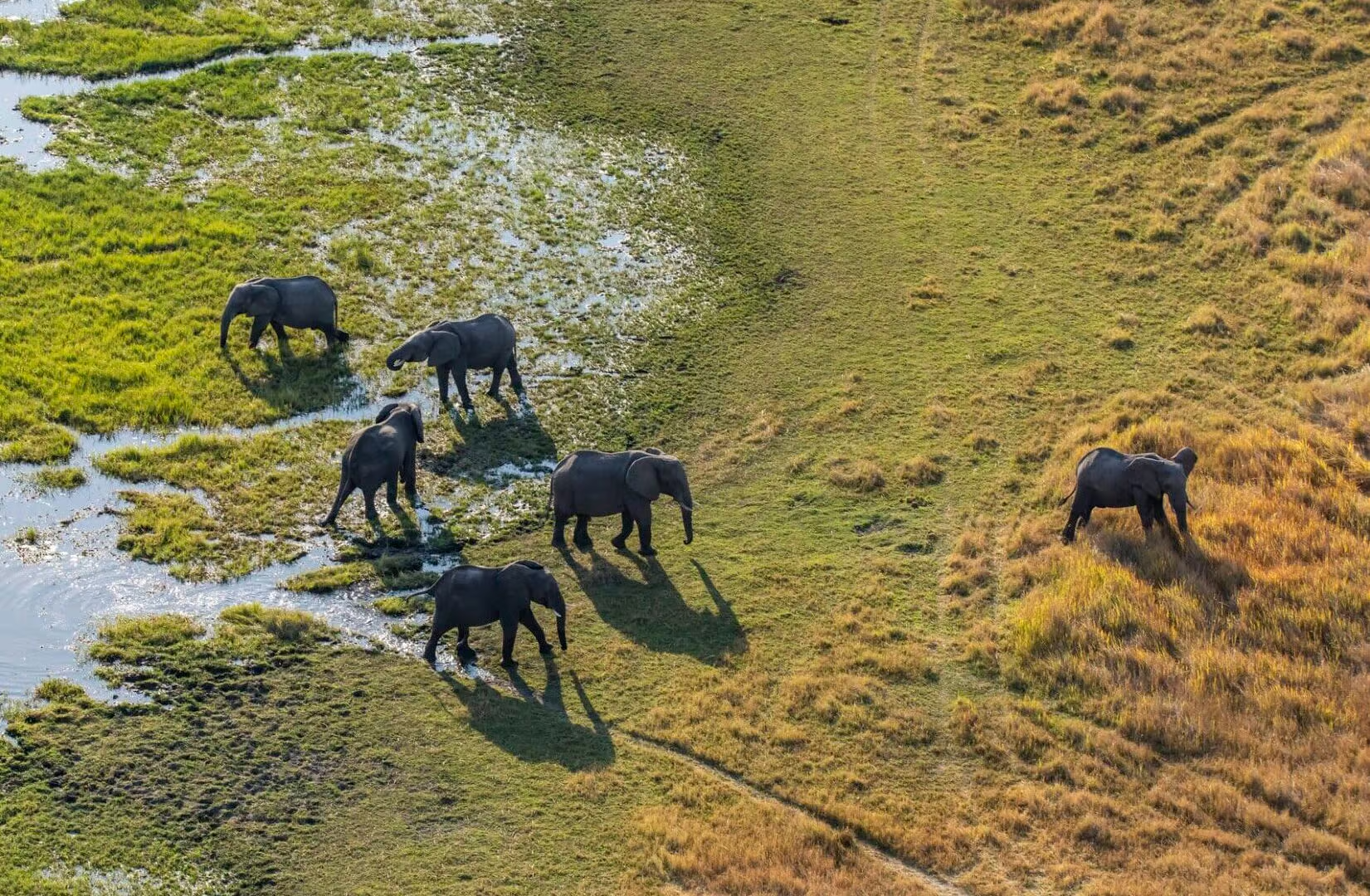
Where To Go In Northern Tuli
Northern Tuli is rich with diverse landscapes, wildlife habitats, and hidden gems, offering travellers a wide range of unforgettable places to explore.
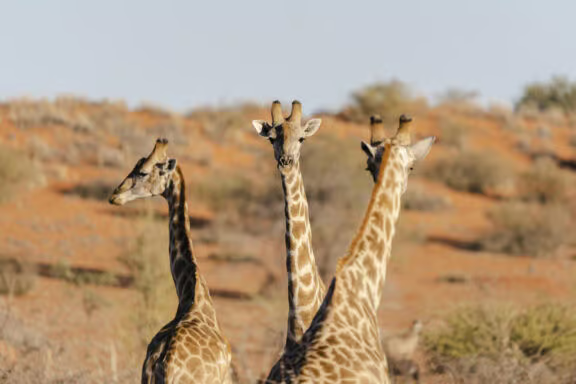
Mashatu Game Reserve
Known as the “Land of the Giants,” Mashatu is famous for its large elephant herds and towering baobab trees. It offers exceptional predator sightings, including lions, leopards, and cheetahs. The open terrain also makes it ideal for photography and guided game drives.
Limpopo River
Flowing along the edge of Northern Tuli, the Limpopo River attracts a variety of wildlife, especially during the dry season. It’s a prime spot for birdwatching, with numerous species gathering along its banks. The river also creates a striking contrast against the otherwise dry landscape.
Motloutse River Valley
This seasonal river valley transforms into a wildlife haven when water is present. Animals gather here for drinking and grazing, making it a rewarding area for game viewing. Its rugged beauty adds to the sense of adventure.
Tuli Wilderness Area
A remote and less-visited region, this area offers a more exclusive safari experience. It is characterized by rocky outcrops, ancient riverbeds, and diverse wildlife. Perfect for those seeking solitude and raw nature.
Solomon’s Wall
This impressive basalt dyke stretches across the landscape, creating a natural dam when water flows. It’s a fascinating geological feature and a great spot for scenic views. Wildlife is often seen nearby, especially during wetter months.
Pont Drift Border Area
A gateway between Northern Tuli and South Africa, this area is rich in history and wildlife movement. It offers unique cultural and geographical significance. Travellers often pass through here en route to deeper safari experiences.
Tuli Block
The Tuli Block is a private land area known for its exclusive lodges and conservation efforts. It provides intimate safari experiences with fewer crowds. Visitors enjoy personalized game drives and walking safaris.
Shashe River Confluence
Where the Shashe meets the Limpopo, this area creates a vibrant ecosystem. It supports a variety of wildlife and bird species. The convergence of rivers makes it visually striking and ecologically important.
Baobab Forests
Scattered across Northern Tuli, these ancient trees define the region’s identity. They create dramatic landscapes, especially at sunrise and sunset. Many are centuries old, adding a sense of history to your safari.
Rocky Outcrops of Tuli
These rugged formations offer panoramic views of the surrounding wilderness. They are also home to smaller wildlife and reptiles. Ideal for adventurous travellers and photographers.
Elephant Corridors
Northern Tuli is famous for its elephant migration routes. These corridors allow close encounters with large herds in their natural habitat. It’s one of the region’s most memorable wildlife experiences.
Hidden Waterholes
Tucked away across the reserve, these waterholes attract animals throughout the year. They are excellent for quiet observation and photography. Many lodges organize visits to these secluded spots.
Savannah Plains
The open plains provide classic safari scenery and excellent visibility for spotting wildlife. Herds of antelope and predators are commonly seen here. The vastness creates a true sense of wilderness.
Cultural Villages Nearby
Local communities offer insight into traditional lifestyles and customs. Visiting these villages adds a cultural dimension to your safari. It’s an opportunity to engage with and support local people.
Best Time To Visit Northern Tuli
The best time to visit Northern Tuli is during the dry season from May to October, when wildlife viewing is at its peak and animals gather around limited water sources.
Northern Tuli Safari in January
January falls within the rainy season, bringing lush greenery and rejuvenated landscapes. While wildlife can be harder to spot due to dense vegetation, birdlife thrives, making it ideal for birdwatchers. Occasional heavy rains may affect accessibility, but the scenery is at its most vibrant. Temperatures remain warm, creating a humid yet lively atmosphere across the region.
Northern Tuli Safari in February
February continues the rainy season with frequent showers and blooming vegetation. The landscape is rich and green, supporting a variety of wildlife, especially newborn animals. Birdwatching is exceptional during this time, with migratory species present. However, roads may be muddy, and game viewing can be slightly challenging due to thick foliage.
Northern Tuli Safari in March
Rainfall begins to ease in March, leaving behind lush terrain and refreshed ecosystems. Wildlife becomes more visible as vegetation starts thinning slightly. This transitional period offers fewer crowds and beautiful scenery. It’s a good time for photographers seeking dramatic landscapes and softer lighting conditions.
Northern Tuli Safari in April
April marks the end of the rainy season, with clearer skies and mild temperatures. Vegetation remains green, but wildlife sightings improve as animals begin moving more freely. Conditions are comfortable for travel, and the environment is still visually stunning. It’s an excellent time for a balanced safari experience.
Northern Tuli Safari in May
The dry season begins in May, bringing cooler temperatures and clearer visibility. Wildlife starts gathering near water sources, making sightings easier. The landscape gradually shifts from green to golden tones. This month offers ideal conditions for both game viewing and outdoor activities.
Northern Tuli Safari in June
June is cool and dry, with excellent wildlife visibility. Animals congregate around rivers and waterholes, making game drives highly rewarding. Mornings and evenings can be chilly, so warm clothing is recommended. It’s a popular time for safaris due to the favorable conditions.
Northern Tuli Safari in July
July offers some of the best wildlife viewing opportunities of the year. Dry conditions force animals to rely on limited water sources, increasing sightings. Temperatures are cooler, especially in the mornings. The clear skies and sparse vegetation make it perfect for photography.
Northern Tuli Safari in August
August continues the peak dry season with exceptional game viewing. Wildlife activity remains high, particularly around waterholes. The landscape is dry but offers unobstructed views. It’s one of the busiest months, so early booking is recommended.
Northern Tuli Safari in September
Temperatures begin to rise in September, but wildlife viewing remains excellent. Animals are still concentrated around water sources, making sightings frequent. The dry environment enhances visibility across the plains. It’s a great time for both experienced and first-time safari-goers.
Northern Tuli Safari in October
October is the hottest month, with intense heat and dry conditions. Wildlife viewing peaks as animals gather around dwindling water supplies. Despite the heat, it’s one of the most rewarding times for safaris. Early morning and late afternoon activities are recommended.
Northern Tuli Safari in November
The first rains arrive in November, bringing relief from the heat and reviving the landscape. Wildlife disperses slightly as water becomes more available. Birdlife returns in abundance, making it a great time for bird enthusiasts. The scenery begins to transform once again.
Northern Tuli Safari in December
December is characterized by increased rainfall and lush vegetation. The landscape becomes green and vibrant, with plenty of young wildlife. While game viewing can be less predictable, the beauty of the environment is unmatched. It’s a quieter time, ideal for those seeking a peaceful safari experience.
Our Recommended Activities In Northern Tuli
Explore our recommended experiences in Northern Tuli and find your perfect way to connect with its natural beauty.
Chief’s Island
Moremi Game Reserve
Makgadikgadi Pans
Chobe National Park and Savuti Marsh
Khwai
Chief’s Island
Our Recommended Activities In Northern Tuli
Explore our recommended experiences in Northern Tuli and find your perfect way to connect with its natural beauty.
Chief’s Island
Moremi Game Reserve
Makgadikgadi Pans
Chobe National Park and Savuti Marsh
Khwai
Chief’s Island
Safari Lodges, Tented Camps and Villas
in Northern Tuli

Savute Elephant Lodge, A Belmond Safari
- Botswana Chobe National Park
Belmond Savute Elephant Lodge is a luxury lodge in Chobe National Park known for its...

Luxury
African Bush Camps Atzaro Okavango Camp
- Botswana
Welcome to Atzaro Okavango, a premier safari destination that offers sustainable luxury in the heart...
Luxury
Cha Cha Metsi
- Botswana Okavango Delta
Explore our most popular safaris in Botswana and experience the magic of its untouched wilderness.cvbcccccccccccccccccccccc
Luxury
What You Need To Know About Northern Tuli Safaris
Find everything you need to know to plan your Northern Tuli adventure, from travel tips to essential insights for an unforgettable trip.
Northern Tuli Food and Tipping Practices
Cuisine in Northern Tuli lodges typically blends international dishes with local flavors, often prepared using fresh, seasonal ingredients. Meals are usually included in safari packages, along with beverages. Tipping is customary but not mandatory; guides, trackers, and lodge staff are often tipped based on service quality. It’s advisable to carry small denominations for convenience.
Northern Tuli Food and Tipping Practices
Cost of a Northern Tuli Safari
Safari costs vary depending on the level of luxury, duration, and activities included. Mid-range options are available, but most experiences lean toward high-end, offering exclusivity and personalized service. Prices generally cover accommodation, meals, and guided activities. Additional expenses may include park fees, travel insurance, and international flights.
Cost of a Northern Tuli Safari
Packing List for Northern Tuli
Pack lightweight, neutral-colored clothing for daytime and warmer layers for cooler mornings and evenings. Essentials include a wide-brim hat, sunscreen, insect repellent, and comfortable walking shoes. Binoculars and a good camera enhance the experience. A small daypack is useful for carrying personal items during excursions.
Packing List for Northern Tuli
Climate in Northern Tuli
Northern Tuli experiences a semi-arid climate with distinct wet and dry seasons. Summers are hot, with temperatures often exceeding 30°C, while winters are cooler and dry. Rainfall occurs mainly between November and March. The dry season offers the best conditions for wildlife viewing due to reduced vegetation and limited water sources.
Climate in Northern Tuli
Languages in Northern Tuli
Northern Tuli is generally considered safe for travellers, particularly within private reserves and guided safari settings. Lodges prioritize guest safety, with trained staff and clear guidelines for interacting with wildlife. As with any travel destination, it’s important to follow instructions from guides and take basic precautions to ensure a safe and enjoyable trip.
Languages in Northern Tuli
Is Northern Tuli Safe?
While the national language is Setswana, English is recognised as a second official language and is spoken widely throughout Botswana.
Is Northern Tuli Safe?
What People Say About Us
We are the leading travel agency offering different programs and higher education diplomas that are designed with global requirements in mind.
Unforgettable Safari Experience!
— Jennifer L., USA
Incredible Service from Start to Finish
— Thomas K., Germany
Wildlife Like You’ve Never Seen!
— Sarah M., Australia
Perfect for First-Time Safari Travelers
— Mark & Ellie B., UK
A Dream Honeymoon!
— Nadia & Carlos R., Spain
Blog and articles
Latest travel tips and blog covering all travel experiences. Check out our mentions in different guides and articles.


Our Trusted Safari Partners in Africa
Latest travel tips and blog covering all travel experiences. Check out our mentions in different guides and articles.