
Experience Singita Sabi Sand, Beyond Your Imagination
We craft immersive safaris to Singita Sabi Sand rooted in more than a quarter-century of expertise and strong ties to the land. Each journey is thoughtfully designed to enrich travellers, safeguard ecosystems, and support the communities for whom this land is home.
25+ years of expertise in 15 Africa Countries
1000+ thoughtfully selected travel partners
200,000+ travellers, many of whom return year after year

Why Travel With Exodussafaris?
25 Years of Safari Expertise
For a quarter of a century, we have been designing bespoke African safaris, built on local insights and first-hand experience at every destination.
We Know Because We Go
Thanks to our years travelling across Africa, we bring an insider’s knowledge—about lodges, wildlife rhythms, hidden trails, and stories behind each experience.
24/7 Support
From your first enquiry through to your journey home, we handle every detail. Day or night, we (and our trusted ground partners) are with you, making sure your safari is seamless and cared for.
Every Adventure Makes a Difference
As a proud member of the Nawiri Group, each trip contributes to preserving vital habitats and uplifting local communities—all while travellers benefit from authentic, responsible travel.
Complete Financial Protection
We ensure your travel funds are fully protected, so you can plan your safari with confidence, knowing your investment is safe and transparent.
World-Class Recognition, Trusted by Travellers
Honoured by Condé Nast Traveler, Travel + Leisure, and the World Travel Awards, yes—but ultimately, it’s the stories and satisfaction of those who have journeyed with us that truly speak for what we do.
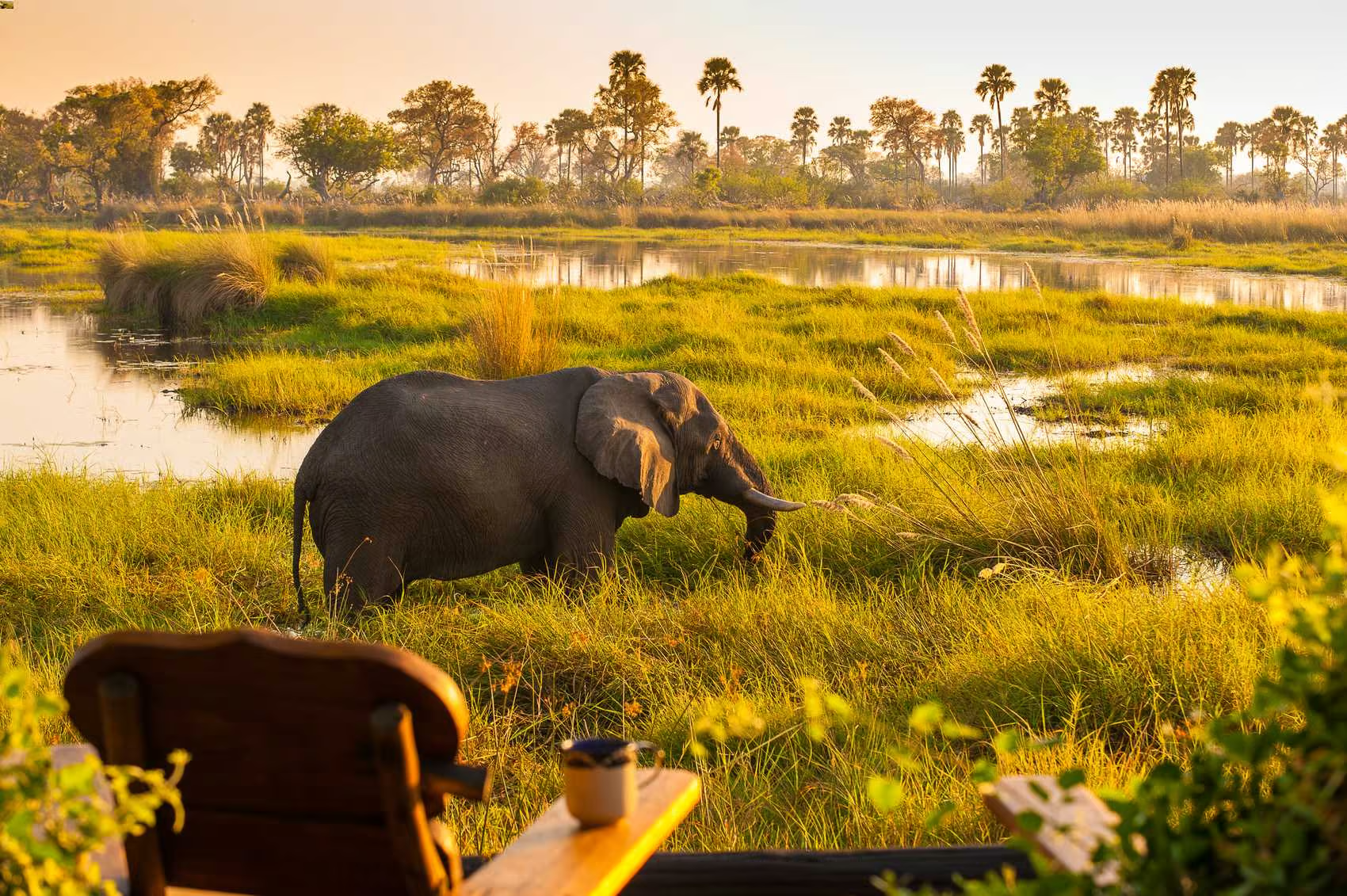
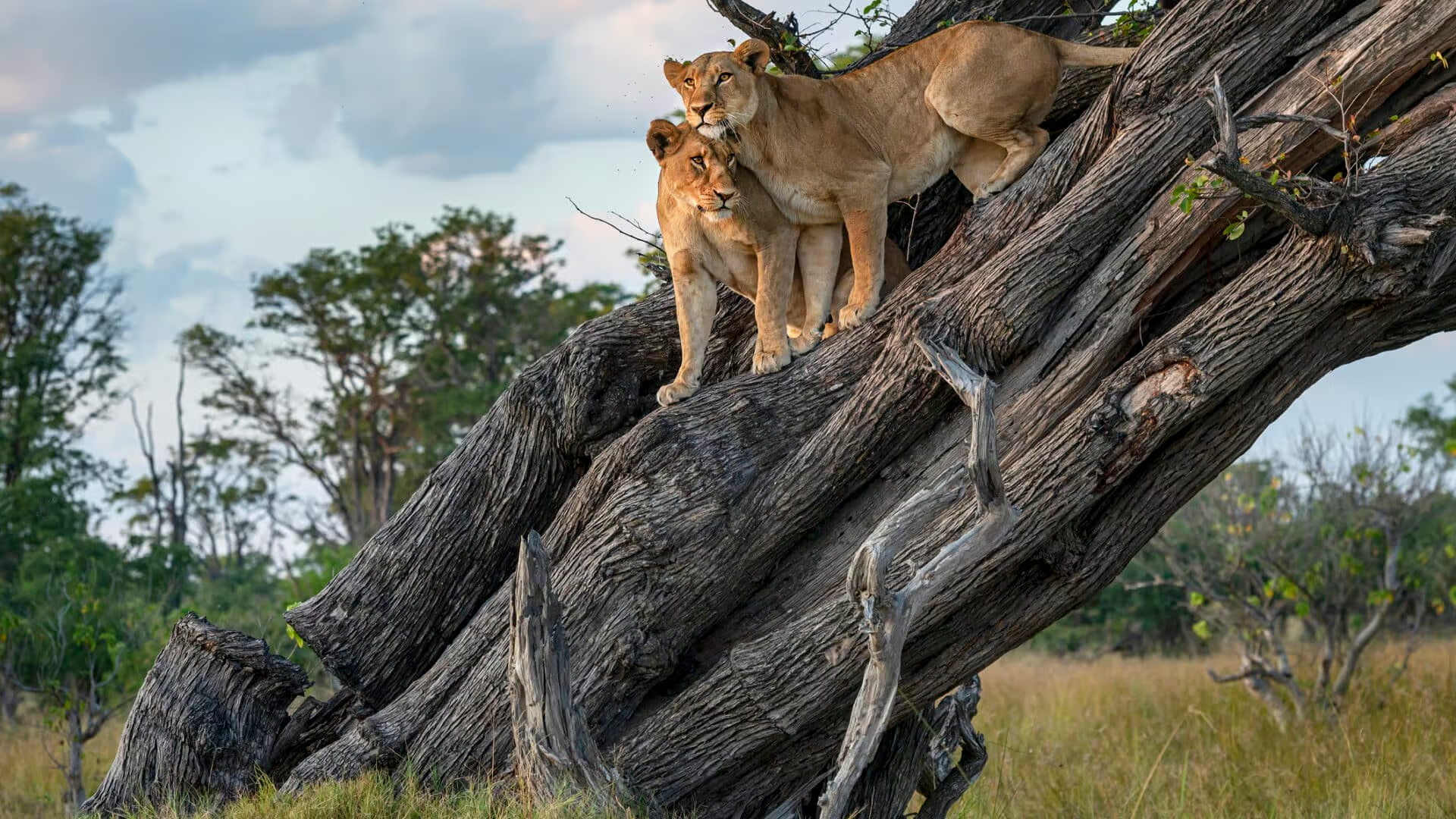
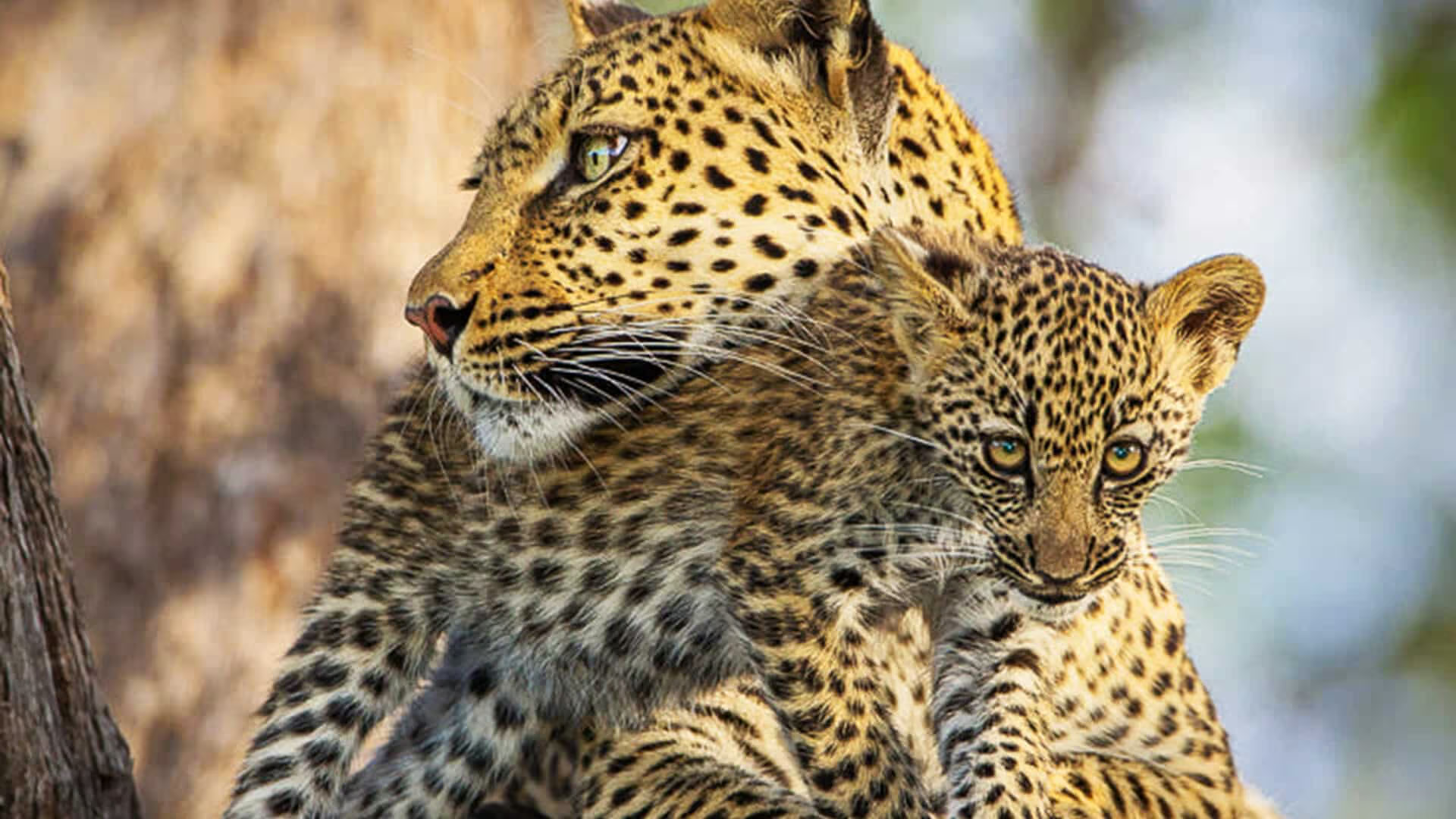
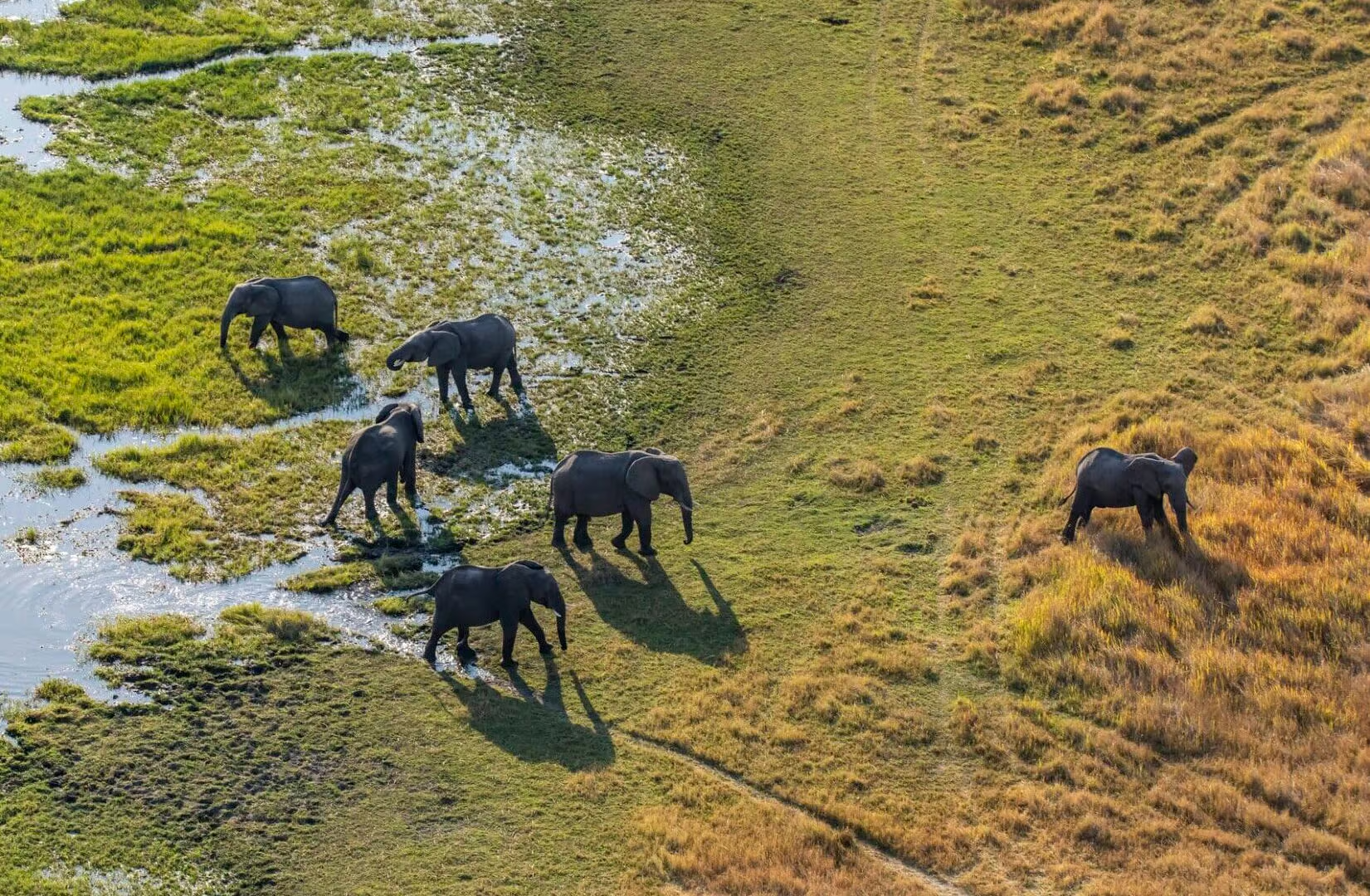
Singita Sabi Sand Gallery
Where To Go In Singita Sabi Sand
Singita Sabi Sand contains a rich palette of places to explore—lodges, waterholes, trails, and viewpoints—that together make this reserve endlessly fascinating. Here are fifteen standout spots you might consider, each offering something special:
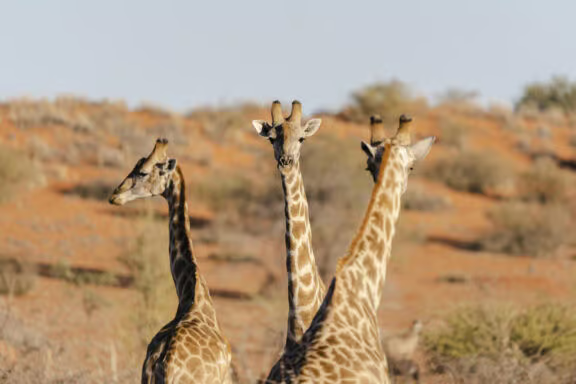
Central Kalahari Game Reserve ahh1
One of the largest game reserves in the world, the Central Kalahari Game Reserve (CKGR) is a remote and pristine safari destination in Botswana that inspires a sense of freedom... ahpar1
Chief’s Island ahh2
Located in the Moremi Game Reserve, Chief’s Island is the largest island in Botswana’s famed Okavango Delta, offering travellers a truly unique safari experience in southern Africa. This landmass measures... ahpar2
Chobe National Park and Savuti Marsh ahh3
Chobe National Park is Botswana’s most biologically diverse park, meaning that it’s a haven for wildlife. This makes it a must-visit destination in southern Africa for Botswana safari goers. From... ahpar3
Khwai ahh4
Situated in the northeastern region of the Okavango and bordering Moremi Game Reserve, Khwai offers exceptional wildlife viewing and a stunning array of ecosystems to explore. From lagoons and flooded... ahpar4
Kubu Island ahh5
Kubu Island is a must-visit destination during a Botswana safari for those looking for an off-the-beaten-track adventure. Rising up from the flat landscape and among baobab trees, these granite rocks. ahpar5..
Mababe ahh6
Mababe is a private sector of the Okavango Delta in northern Botswana where massive herds of buffalo stretch out over the plains and impressive prides of lions hunt their prey.... ahpar6
Makgadikgadi Pans ahh7
One of the world's largest salt flats (a flat expanse of ground covered by salt and other minerals), the Makgadikgadi Pans offer stark, breathtaking landscapes and unique wildlife experiences, including... ahpar7
Moremi Game Reserve ahh8
Moremi Game Reserve is the oldest protected reserve in the Okavango Delta and combines mopane woodland and floodplains, offering diverse habitats and rich wildlife. Some of the most endangered African... ahpar8
Nxai Pan National Park ahh9
A striking contrast to Botswana's wetland ecosystems, Nxai Pan National Park is a vast, open landscape of fossilised salt pans, grassy plains, and acacia woodlands. Located on the northern fringes... ahpar9
Okavango Delta ahh10
A UNESCO World Heritage Site and Big Five safari destination, the Okavango Delta is a highlight of a Botswana safari. The permanent swamps, seasonal floodplains, and dry woodlands support a... ahpar10
Okavango Panhandle ahh11
The Panhandle is the entry point to the Okavango Delta, offering serene waterways, incredible fishing opportunities, and fascinating cultural experiences. Stretching around 70 km (43 miles), the Panhandle is one... ahpar11
Savute ahh12
Bordering the Okavango Delta as well as Chobe National Park, Savute is a fantastic place to see Africa’s big game in action while on your Botswana safari. This region is... ahpar12
Tsodilo Hills ahh13
A place of deep spiritual and historical significance, Tsodilo Hills rises dramatically from the Kalahari Desert, creating a striking contrast to the surrounding arid landscape. This UNESCO World Heritage Site... ahpar13
Tuli Block ahh14
A lesser-known wedge of wilderness in eastern Botswana, the Tuli Block is a region of rugged beauty, where dramatic sandstone formations, riverine forests, and open savannahs create a distinctive safari... ahpar14
Best Time To Visit Singita Sabi Sand
There truly isn’t a bad time to visit Singita Sabi Sand — each month brings its own magic, from lush coloring and dramatic skies to prime wildlife sightings and ideal bush clarity.
Singita Sabi Sand Safari in January
A hot and humid midsummer month with frequent afternoon thunderstorms, when the bush is lush and rivers full. While foliage can be dense, juvenile animals are plentiful and the landscape bursts with colour.
Singita Sabi Sand Safari in February
Still in the wet season, February offers occasional drizzle and dramatic late‑afternoon storms that bring vibrant skies. Vegetation remains thick, and new births of many species add to animal activity despite occasional river swelling.
Singita Sabi Sand Safari in March
Rainfall begins to taper, skies clear somewhat, and the bush remains verdant. Birdlife is abundant. Game is still active, though visibility improves as leaves begin to thin.
Singita Sabi Sand Safari in April
This is the shoulder of the wet season: fewer rains, more manageable weather, and the bush starting to dry. Cooler mornings and evenings make game drives more comfortable, and wildlife becomes easier to spot as vegetation opens up.
Singita Sabi Sand Safari in May
The start of the dry season brings very little rain, clearer skies, and cooling temperatures. Animals increasingly gather around remaining water sources, making sightings more reliable. Days are pleasantly mild; nights and early mornings chilly.
Singita Sabi Sand Safari in June
Deep into the dry season, June is one of the best months for wildlife viewing. Sparse vegetation and low water push animals closer to waterholes. Daytimes are beautiful and sunny; dawns and nights are cold, so warm layers are needed.
Singita Sabi Sand Safari in July
Winter is coldest in July, especially before sunrise and after sunset. Days are dry, skies crisp, and game drives are highly rewarding with excellent visibility. Wildlife is concentrated and active, particularly at watering holes.
Singita Sabi Sand Safari in August
Still in full dry season. Temperatures begin to warm, especially mid‑day. The bush remains sparse, so animals are very visible. Mornings are cold, evenings mild. It is still one of the prime months for predator sightings.
Singita Sabi Sand Safari in September
Dry season shifts toward warmth; the bush remains relatively clear though leaf‑out begins in places. Water is scarcer, concentrating animals around rivers. Predators are particularly active, using the thinning bush to their advantage.
Singita Sabi Sand Safari in October
Heat builds up; occasional rains start to return. Increased warmth and thicker foliage can reduce visibility somewhat, but the rising heat draws wildlife to water, and early morning/late afternoon drives are still excellent.
Singita Sabi Sand Safari in November
Rain starts to be more regular, especially in afternoon thunderstorms. The air becomes humid and vegetation gets dense. Births among many species begin, offering energetic scenes, and bird activity peaks with migratory arrivals.
Singita Sabi Sand Safari in December
Hot, humid, and often wet. Rivers and pans fill. Game is plentiful but hidden in dense vegetation. Dramatic skies and lush landscapes make for beautiful photography. Expect some disruptions due to weather, but intense life all around.
Our Recommended Activities In Singita Sabi Sand
Explore our recommended experiences in Singita Sabi Sand and find your perfect way to connect with its natural beauty.
Chief’s Island
Moremi Game Reserve
Makgadikgadi Pans
Chobe National Park and Savuti Marsh
Khwai
Chief’s Island
Our Recommended Activities In Singita Sabi Sand
Explore our recommended experiences in Singita Sabi Sand and find your perfect way to connect with its natural beauty.
Chief’s Island
Moremi Game Reserve
Makgadikgadi Pans
Chobe National Park and Savuti Marsh
Khwai
Chief’s Island
Safari Lodges, Tented Camps and Villas
in Singita Sabi Sand
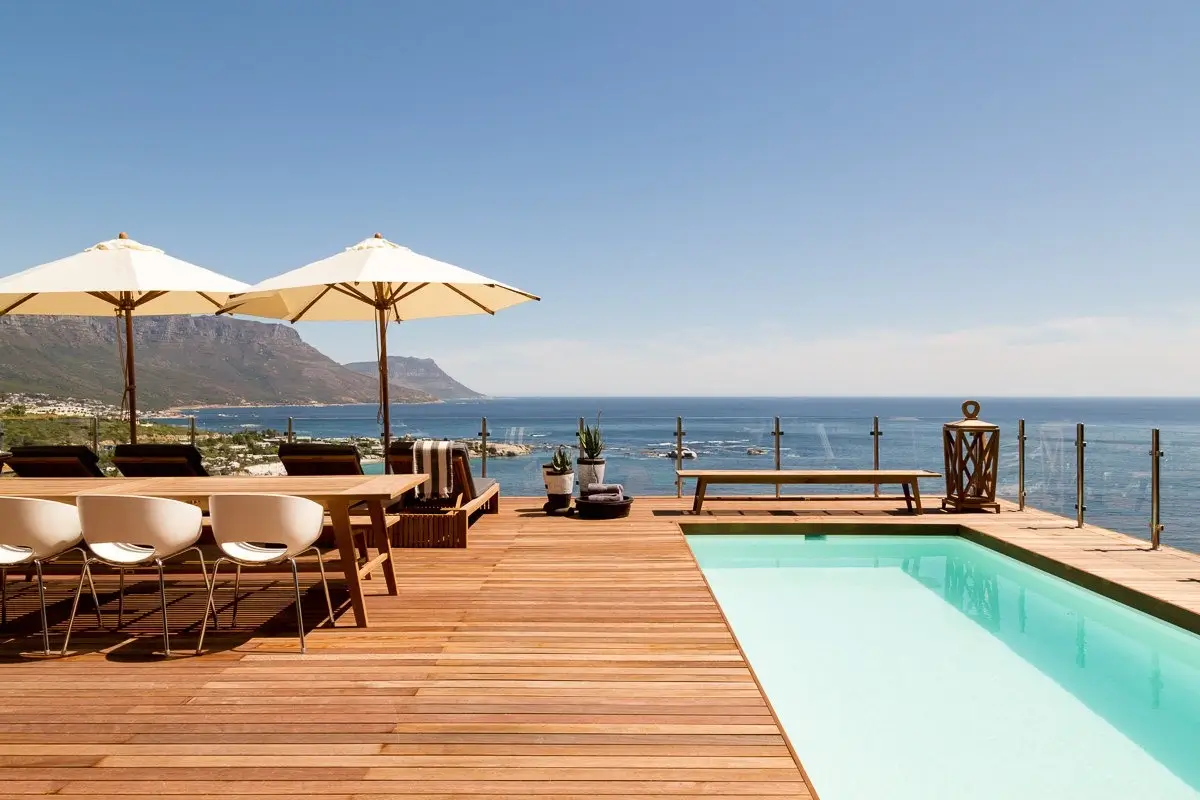
Savute Elephant Lodge, A Belmond Safari
- Botswana Chobe National Park
Belmond Savute Elephant Lodge is a luxury lodge in Chobe National Park known for its...

Luxury
African Bush Camps Atzaro Okavango Camp
- Botswana
Welcome to Atzaro Okavango, a premier safari destination that offers sustainable luxury in the heart...
Luxury
Cha Cha Metsi
- Botswana Okavango Delta
Explore our most popular safaris in Botswana and experience the magic of its untouched wilderness.cvbcccccccccccccccccccccc
Luxury
What You Need To Know About Singita Sabi Sand Safaris
Find everything you need to know to plan your Singita Sabi Sand adventure, from travel tips to essential insights for an unforgettable trip.
Singita Sabi Sand Food and Tipping Practices
The cuisine at Singita lodges is high‑end, often featuring gourmet meals crafted with fresh, local ingredients, fine wines and spirits, and private dining options. Tipping is customary though not mandatory: guests typically tip guides, trackers, and staff when satisfied. For luxury lodges in South Africa, suggested tipping for a guide would be around ZAR 200‑400 per person per day, trackers ZAR 100‑200, and shared tip pools for housekeeping and general lodge staff per guest ZAR 50‑150 per day depending on level of service.
Singita Sabi Sand Food and Tipping Practices
Cost of a Singita Sabi Sand Safari
Rates vary with lodge, suite type, season, and inclusions. For example, a suite at Singita Ebony or Boulders can cost from ZAR ≈49,000 to 60,000+ per adult per night during the dry season. Exclusive lodges like Castleton (private lodge options) are much more: the entire lodge can cost several hundred thousand ZAR per night for exclusive use. These rates typically include all meals, most beverages, game drives, walking safaris, transfers within the reserve, and some conservation or levy fees; extras (boutique purchases, spa, additional activities, flights) will add to overall cost.
Cost of a Singita Sabi Sand Safari
Packing List for Singita Sabi Sand
Essentials include: sun hat; high‑SPF sunscreen; polarized sunglasses; insect repellent; binoculars; camera with extra batteries; lightweight, breathable clothing in neutral tones (green, khaki, brown), and avoid whites; warm layers (jacket, wool hat, gloves) for early mornings/dusk in dry season; waterproof jacket and something warm for summer rains; closed shoes and walking boots; a flashlight; personal medicines; adapters and chargers.
Packing List for Singita Sabi Sand
Climate in Singita Sabi Sand
Singita Sabi Sand has two main seasons: a wet, hot summer roughly from November through April, and a dry, cooler winter from May through October. The wet season brings afternoon thunderstorms, lush vegetation, and high humidity; winter is characterised by minimal rainfall, cooler mornings and evenings, dry conditions, and excellent visibility for wildlife.
Climate in Singita Sabi Sand
Languages in Singita Sabi Sand
English is widely spoken, particularly in lodges, tourism, guiding and services. South Africa has eleven official languages; Afrikaans and several indigenous languages (such as Zulu, Xhosa, and others) are also used in local communities. Guides often speak multiple languages to accommodate guests’ needs.
Languages in Singita Sabi Sand
Is Singita Sabi Sand Safe?
Yes — Singita Sabi Sand is considered very safe for travellers, especially in terms of guided safari experiences. The reserve is private, with strict security and anti‑poaching measures in place. Visitors are always accompanied by experienced guides, and lodges take precautions like fenced camps (where needed), secure pathways, and protocols for wildlife encounters. Basic safety common sense applies: follow your guide’s instructions, respect wildlife boundaries, avoid wandering alone at night, and manage valuables responsibly. Malaria risk exists in the wet months but is very low and mitigated by lodge practices; consult a doctor for prophylaxis if travelling in summer.
Is Singita Sabi Sand Safe?
What People Say About Us
We are the leading travel agency offering different programs and higher education diplomas that are designed with global requirements in mind.
Unforgettable Safari Experience!
— Jennifer L., USA
Incredible Service from Start to Finish
— Thomas K., Germany
Wildlife Like You’ve Never Seen!
— Sarah M., Australia
Perfect for First-Time Safari Travelers
— Mark & Ellie B., UK
A Dream Honeymoon!
— Nadia & Carlos R., Spain
Blog and articles
Latest travel tips and blog covering all travel experiences. Check out our mentions in different guides and articles.
Our Trusted Safari Partners in Africa
Latest travel tips and blog covering all travel experiences. Check out our mentions in different guides and articles.