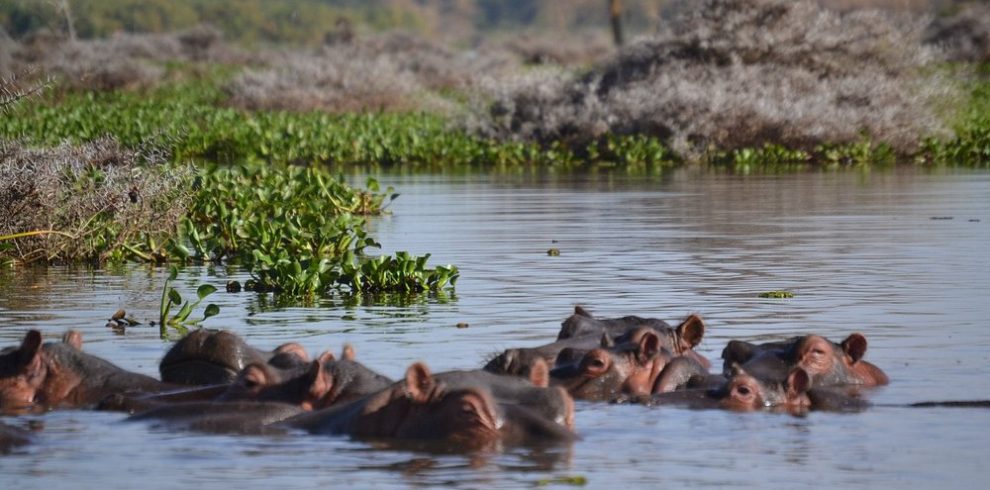

Returning home after a journey through Africa is often filled with mixed emotions. From unforgettable safaris to vibrant cultural encounters, the memories stay long after the trip ends. However, before you fully relax, there is one final step to complete: clearing customs.
Understanding how to navigate customs procedures after visiting destinations like Kenya, South Africa, or Morocco can save you time, prevent fines, and ensure a smooth return home. This guide explains everything you need to know in a clear and practical way.
Overview
Customs regulations exist to protect countries from illegal goods, biosecurity risks, and safety threats. Every traveler is required to comply when re-entering their home country.
The process is generally straightforward but can become stressful if you are unprepared—especially when carrying souvenirs, food items, or high-value purchases. Knowing what to expect helps you move through the airport efficiently and without complications.
Key Insights

Why Customs Knowledge Matters
Being informed helps you:
- Avoid fines or confiscation of items
- Reduce delays at the airport
- Complete declaration forms correctly
- Travel with confidence
Common Traveler Misconception
Many travelers assume customs is a quick formality. In reality, failing to declare items or carrying restricted goods can lead to serious delays or penalties.
How It Works
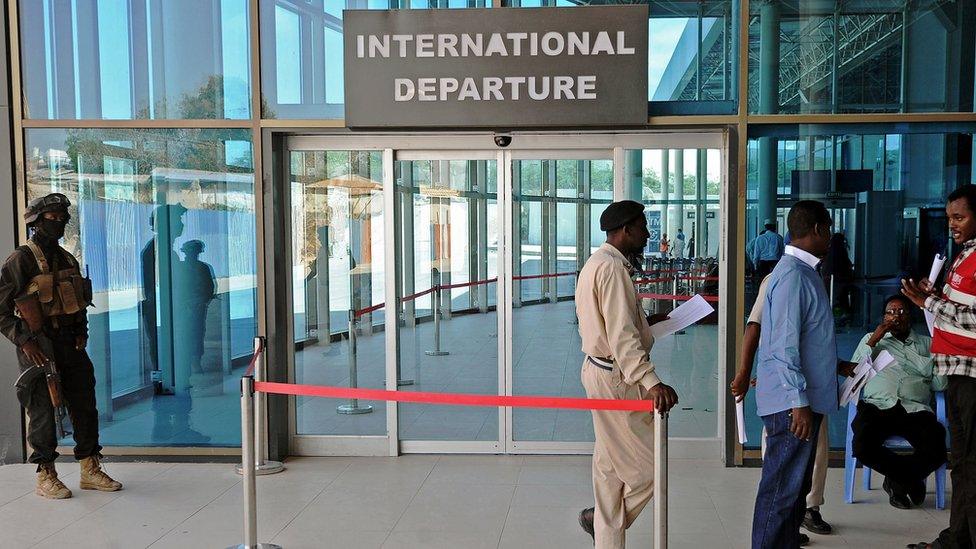
The Customs Process Step-by-Step
After landing, most airports follow a similar procedure:
- Collect your luggage
- Complete a customs declaration form
- Choose the appropriate channel (green or red)
- Present documents to customs officials
- Undergo inspection if required
Understanding this flow helps you prepare mentally and practically before arrival.
Required Documents
Keep these items easily accessible:
- Valid passport
- Completed customs declaration form
- Receipts for high-value goods
- Boarding passes or travel documents
Receipts are especially important for items like electronics, jewelry, or artwork purchased during your trip.
What to Declare

Honesty is essential when clearing customs. You should declare:
- Goods exceeding duty-free limits
- Large amounts of cash (based on your country’s rules)
- Commercial goods or items intended for resale
- Restricted or controlled items
Declaring items does not automatically mean you will pay penalties. It simply ensures compliance and avoids legal issues.
Duty-Free Allowances
Duty-free limits vary by country but generally apply to:
- Alcohol and tobacco
- Gifts and souvenirs
- Personal purchases made abroad
If you exceed the allowed value, you may need to pay tax. Checking your home country’s limits before travel helps you plan purchases wisely.
Prohibited and Restricted Items
Certain items are commonly restricted when returning from Africa. These include:
- Ivory and wildlife products
- Items made from endangered species
- Unregulated animal products
- Certain plants, seeds, or soil
Even if purchased legally in countries like Tanzania or Namibia, they may be illegal to import.
Food and Agricultural Restrictions
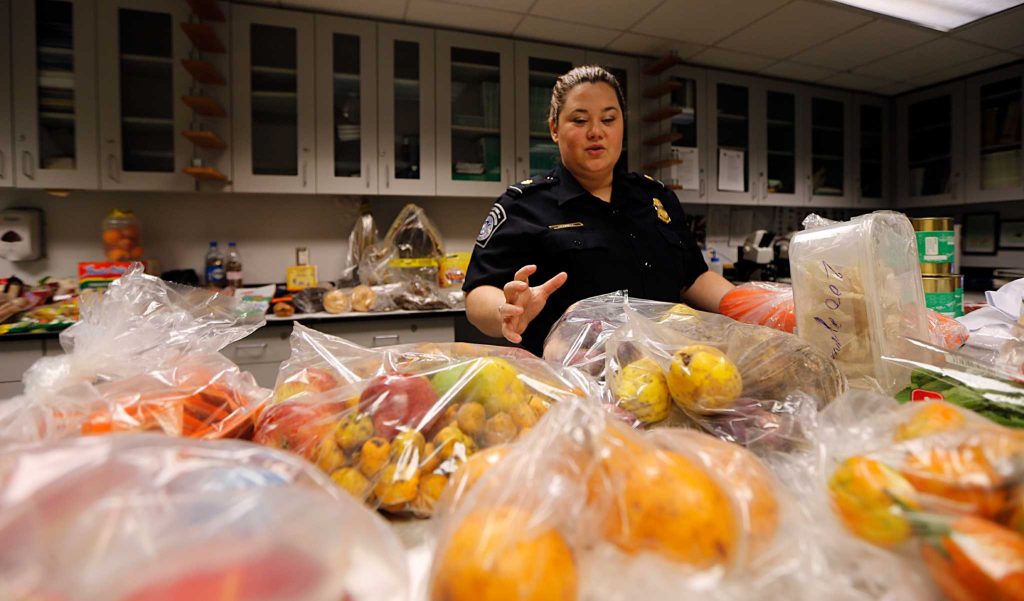
Most countries have strict biosecurity rules. Typically prohibited items include:
- Fresh fruits and vegetables
- Meat and dairy products
- Homemade food
- Plants and seeds
If unsure, always declare the item. Customs officers will decide whether it is allowed.
Inspection and Airport Channels
Green vs Red Channels
- Green channel: Nothing to declare
- Red channel: Items to declare
Choosing the correct channel is important. If in doubt, use the red channel to avoid penalties.
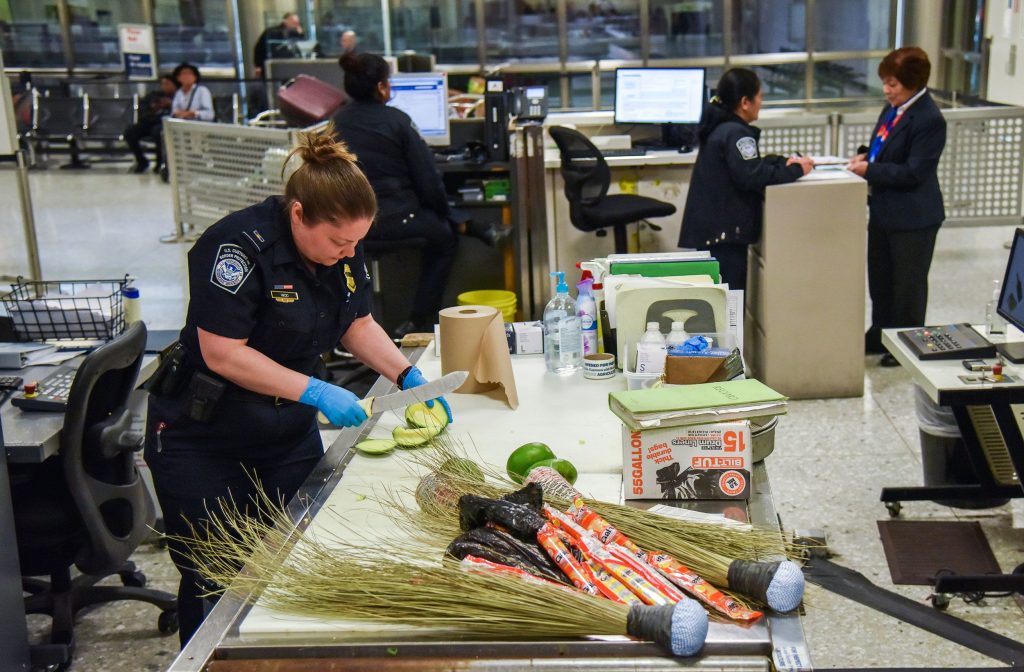
Inspections
Customs officers may:
- Ask questions about your trip
- Inspect your luggage
- Review receipts
Cooperation and clear answers help speed up the process.
Tips
Pack Smart
Keep questionable or high-value items easy to access for inspection.
Keep Receipts
Always retain proof of purchase for expensive goods.
Be Honest and Calm
Clear communication reduces suspicion and speeds up processing.
Allow Extra Time
Do not rush through customs, especially at busy international airports.
Research Before You Buy
Before purchasing souvenirs, confirm they are legal to export and import.
Common Mistakes to Avoid
- Not declaring items that exceed limits
- Carrying restricted souvenirs without checking rules
- Assuming small items do not matter
- Giving unclear or inconsistent answers
- Ignoring agricultural restrictions
Avoiding these mistakes ensures a smooth customs experience.
Conclusion
Clearing customs on your way home from Africa is a simple process when you are prepared. By understanding declaration rules, duty-free limits, and restricted items, you can avoid delays and unnecessary stress.
Whether you are returning from the savannahs of Kenya or the markets of Morocco, proper planning ensures your journey ends as smoothly as it began. With the right approach, customs becomes just another step in a memorable travel experience—not an obstacle.