A trip to Africa as a vegetarian can be both exciting and challenging. Africa has a wide variety of flavours, cultures, cuisines, and landscapes, but finding vegetarian options often requires some planning. With the right knowledge – such as understanding tips for vegetarians in Africa – your journey can be smoother, more enjoyable, and fulfilling.
For plant‑based travellers, it is crucial to know about local dishes, available street food, cultural eating habits, and more. Africa is not a land of meat products only; it also has a considerable variety of vegetables, legumes, grains, and fruits that can be transformed into tasty vegetarian dishes. With this understanding, vegetarians can navigate markets, restaurants, and street food stalls with confidence, enjoying affordable and delicious meals without worry.
Why Planning Is Essential for Vegetarian Travel in Africa
Vegetarian tourists in Africa often face challenges, as most local foods feature meat, fish, or animal‑based broths. Advance planning is important for several reasons:
- Cultural Knowledge: Understanding what is typically served in each country helps you locate vegetarian food.
- Health and Safety: Street foods may contain hidden animal products – knowing what to order ensures safe eating.
- Budget Consciousness: Vegetarian food can be cheaper when you shop and order wisely.
- Optimising Culinary Experience: Learning about local vegetables, grains, and vegetarian cooking allows you to enjoy authentic flavours.
Tips for vegetarians in Africa can help you avoid difficulties by accounting for these factors.
Typical Vegetarian Foods in Africa
African food is diverse, though in most regions, plant‑based foods are prevalent. Here is what to expect in different parts of the continent:
East Africa
In East Africa (Kenya, Tanzania, and Uganda), there are numerous vegetarian‑friendly staples:
- Ugali: A cornmeal porridge that is a staple food in the region, typically accompanied by vegetables or beans.
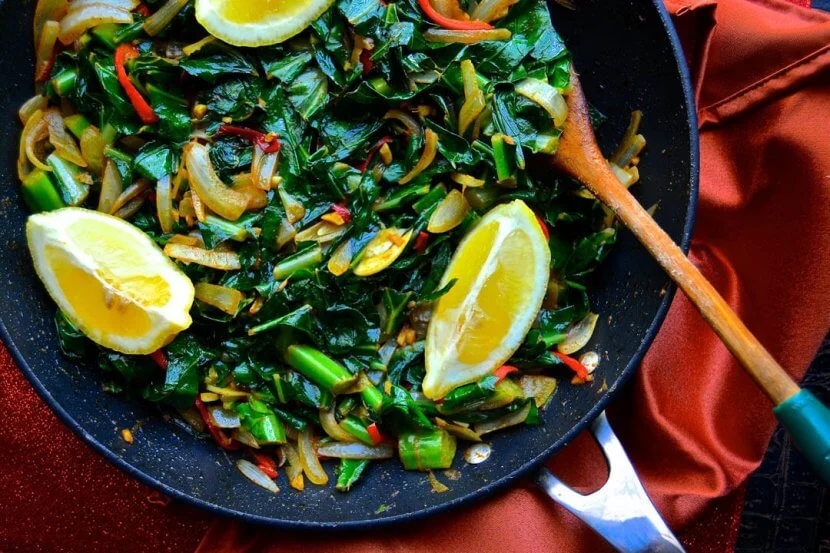
- Sukuma Wiki: Collard greens cooked with tomatoes and onions, usually served with ugali.
- Matoke: Steamed or mashed plantains, often served with a tomato‑based sauce.
- Chapati: Soft flatbreads that can be served with vegetable stews.
East Africa is a friendly destination for vegetarian tourists, with dishes that offer protein, fibre, and flavour.
West Africa
West African countries such as Nigeria, Ghana, and Senegal offer hearty vegetarian dishes:
- Akara: Deep‑fried bean cakes, high in protein.
- Moi Moi: Steamed bean pudding, usually served with spices and vegetables.
- Vegetable Stews: Tomato‑, okra‑, and spinach‑based stews served with rice or fufu (a starchy dough).
- Plantains: Fried or boiled, plantains are a versatile vegetarian option.
West African cuisine is rich and delicious, and dishes can be adapted with minimal or no animal products.
North Africa
North African cuisine – from Morocco, Tunisia, and Egypt – typically includes vegetables, grains, and legumes:
- Couscous with Vegetables: Steamed semolina served with a medley of vegetables.
- Vegetable Tagine: Vegetable tagines are widely used, often cooked with spices, olives, and dried fruits.
- Ful Medames: Steamed fava beans with lemon, olive oil, and garlic.
- Fresh Salads: Tomato, cucumber, and chickpea salads are abundant and fresh.
Vegetarian travellers can enjoy spicy and aromatic North African dishes without meat.
Southern Africa
In Southern Africa – South Africa, Zimbabwe, and Botswana – vegetarian choices are increasing:
- Pap and Chakalaka: Cornmeal porridge served with spicy vegetable relish.
- Vegetarian Bunny Chow: Hollowed‑out bread filled with vegetable curry.
- Local Greens and Legumes: Beans, pumpkin leaves, and spinach are commonly cooked as sides.
- Street Snacks: Vetkoek (fried dough) filled with beans or vegetables.
Southern African vegetarian cuisine is substantial and affordable for budget travellers.
Finding Vegetarian‑Friendly Restaurants in Africa
Street food and local markets are essential, but quality vegetarian food can also be found in restaurants. Some tips include:
- Research in Advance: Use apps or websites to locate vegetarian‑friendly restaurants.
- Ask About Ingredients: Certain meals may contain meat stock or hidden animal products.
- Choose Local Dishes: African vegetable stews, rice dishes, and flatbreads can be vegetarian.
- Select Global Alternatives When Necessary: Many cities have Indian, Mediterranean, or Asian restaurants where vegetarians can find suitable options.
With these tips, you can eat safe and stress‑free vegetarian food in Africa.
Vegetarian Street Food Safety Tips

Street food is an essential part of African culture, but vegetarians should approach it with care:
- Enquire About Ingredients: Always ask whether meals contain meat, fish, or animal‑based sauces.
- Look for Vegetable‑Based Snacks: Mandazi, akara, fried plantains, and vegetable samosas tend to be safe.
- Choose Fresh and Hot Foods: Cooked food reduces the risk of contamination.
- Select Popular Vendors: Busy stalls often indicate high turnover and freshness.
Street food offers authentic tastes, affordability, and convenience.
Budget Vegetarian Meals in Africa
A vegetarian diet can be affordable with the right knowledge:
- Markets: Fresh vegetables, grains, and local fruit are cheaper than restaurant meals.
- Hostels and Guesthouses: Self‑catering allows you to control what you eat and save money.
- Shared Meals: Many traditional African dishes are large and can be shared to lower costs.
- Seasonal Produce: Eating local and seasonal vegetables makes meals affordable and fresh.
Through these tips, vegetarian travellers can enjoy budget meals in Africa without sacrificing quality and taste.
Health and Safety Tips for Vegetarians
Vegetarians should also consider hygiene and health:
- Drink Clean Water: Use bottled or filtered water.
- Wash Vegetables and Fruits: Cooked food should be accompanied by washed produce.
- Avoid Raw Dairy: Unpasteurised milk or cheese can cause illness.
- Carry Snacks: Nuts, dried fruits, and protein bars can be lifesavers in remote regions.
These measures allow vegetarians to travel across Africa without fear.
African Travel Tips for Vegetarians
To make the most of a vegetarian adventure, consider the following:
- Learn Local Phrases: Know how to order vegetarian or no‑meat meals in local languages.
- Connect with Locals: Ask for help in finding hidden vegetarian spots.
- Try Local Vegetables: Many parts of Africa have special vegetables such as amaranth, okra, and cassava leaves.
- Combine Street Food with Restaurant Meals: This provides variety and safety.
These suggestions will help you get the most out of your travels in terms of flavour, culture, and convenience.
Best Regions for Vegetarian Travellers
Planning a successful trip is easier when you know which regions are particularly friendly to vegetarians:
- East Africa: Nairobi, Kampala, and Dar es Salaam offer street food and vegetarian‑friendly restaurants.
- West Africa: Lagos, Accra, and Dakar have hearty vegetarian dining options.
- North Africa: Marrakech, Cairo, and Tunis are recommended for aromatic tagines, couscous, and salads.
- Southern Africa: Cape Town, Johannesburg, and Harare boast diverse vegetarian foods and international cuisine.
These cities blend regional authenticity with comfort, making them excellent destinations for plant‑based travellers.
Conclusion
Being a vegetarian in Africa is both a challenge and a wonderful experience. By following the tips for vegetarians in Africa, travellers can enjoy spicy native dishes, nutritious diets, and cultural experiences. From East and West African ugali and sukuma wiki to North African tagines and Southern African pap and chakalaka, Africa offers a wide selection of vegetarian meals that can be made cheaply and deliciously.
With the help of street food adventures, local markets, vegetarian‑friendly restaurants, and careful planning, vegetarians can savour the continent’s flavours and experiences without compromise. With proper preparation, a trip across Africa as a vegetarian becomes a wonderful journey filled with culture, cuisine, and fantastic foods.