When it comes to experiencing the surreal beauty of the African desert, visiting Deadvlei must certainly be on your list. Deadvlei is a truly special and otherworldly destination that leaves a lasting impression on every visitor to Namibia, particularly those exploring the heart of the Namib Desert. The visit will be an unforgettable experience because of the spectacular scenery, magnificent sand dunes, and the ancient, skeletal trees – estimated to be over 900 years old [0†L16][0†L42] – that create a completely desolate yet captivating atmosphere.
This comprehensive guide will provide everything you need to know about visiting Deadvlei, from its geological and historical significance to practical information on how to reach this extraordinary place. Whether you are a photographer, a nature lover, or simply seeking an adventure, visiting Deadvlei will be like no other experience.
What Is Deadvlei?
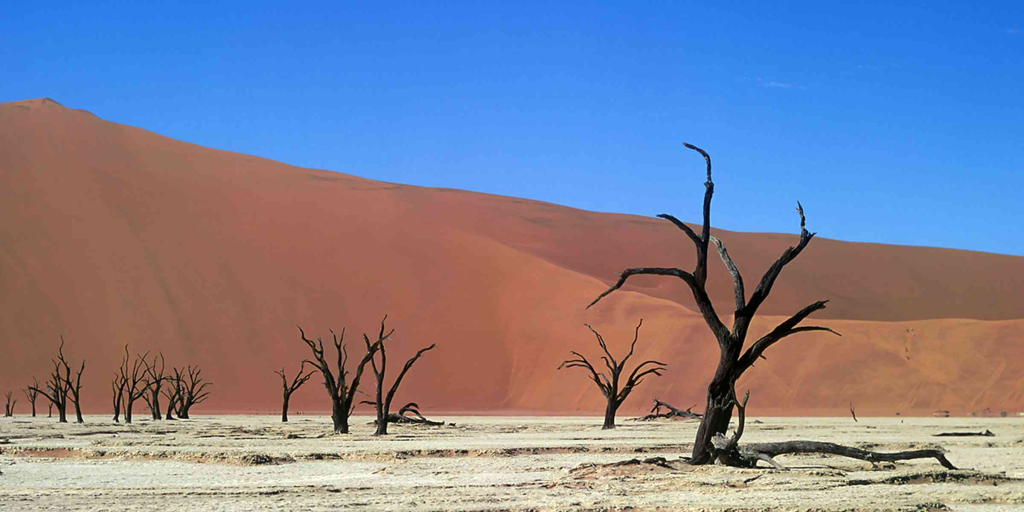
Deadvlei, meaning “Dead Marsh” in Afrikaans, is a white clay pan located in the Namib-Naukluft National Park in Namibia [5†L5-L6]. It lies within the legendary Sossusvlei region and is surrounded by some of the tallest sand dunes on the planet, including the world‑renowned Dune 45 and the towering Big Daddy. This hauntingly beautiful landscape is defined by the stark contrast of its elements: the charred, contorted skeletons of ancient camelthorn trees, the brilliant white clay floor beneath them, and the towering orange‑red dunes that encircle the area [0†L14-L15][1†L37-L38].
The trees in Deadvlei are believed to be approximately 900 years old [0†L16]. Their remarkable preservation is due to the extreme aridity of the desert climate – the lack of moisture has prevented decomposition, leaving the landscape frozen in time [0†L33]. The name “Deadvlei” is fitting, as the river that once sustained these trees dried up long ago, leaving them to stand in a waterless and barren land [5†L22-L25].
Geology and History of Deadvlei
Millions of years ago, Deadvlei was a far more fertile part of the desert system. During wetter periods in the Namib Desert’s history, the Tsauchab River system fed the area, providing life‑giving water that allowed vegetation – including the iconic camelthorn trees – to flourish [5†L7-L9][5†L16-L17].
Around 900 years ago, the climate shifted dramatically [5†L44-L45]. A prolonged drought set in, and encroaching sand dunes began to block the Tsauchab River from reaching the valley [5†L13-L14][5†L18-L20]. The once‑abundant camelthorn trees were cut off from their water source and died. However, their skeletal remains were remarkably preserved by the desert’s extreme dryness, leaving the eerie, petrified forest that defines Deadvlei today [5†L24-L25][5†L28-L30].
The striking contrast between the vivid orange‑red dunes, the stark white clay pan, and the ancient black trees is one of the most visually arresting elements of Deadvlei. This combination creates an almost alien landscape that is both haunting and breathtaking, making it one of the most unique and photogenic places on the African continent [0†L13-L16].
How to Reach Deadvlei
Reaching Deadvlei requires some effort, but the journey is well worth it. The nearest town is Sesriem, located approximately 60 kilometres (37 miles) from Deadvlei [0†L28]. Most visitors base themselves in the Sesriem area or nearby Sossusvlei region and make a day trip to the pan.
Self‑Drive
If you are a confident driver, you can opt for a self‑drive trip to Deadvlei. From the Sesriem gate, you will drive along a gravel road that leads to the Sossusvlei 2×4 parking area. Important note: As of May 2026, self‑driving beyond the 2×4 parking area is no longer permitted for tourists. Visitors must use an authorised shuttle service to reach the 4×4 parking area near Deadvlei [7†L6-L10][7†L38-L41]. From there, it is a short walk (approximately 1 kilometre) through deep sand to the pan itself [7†L19].
Guided Tours
For those who prefer not to navigate the desert independently, numerous guided tours are available. These tours typically include transport from Sesriem, an experienced guide who provides insights into the region’s history, geology, and wildlife, and often combine visits to both Sossusvlei and Deadvlei. Guided tours are an excellent option for learning more about the area while leaving the logistics to professionals.
Best Time to Visit Deadvlei
Deadvlei is a remarkable destination year‑round, but the best time to visit depends on the experience you seek.
Peak Season (May to October)
The dry winter months from May to October are the most popular time to visit Namibia and Deadvlei [1†L12-L14][1†L45-L46]. Daytime temperatures are comfortable (15‑25°C), skies are clear, and conditions are ideal for hiking and photography [1†L13-L14]. However, be prepared for cold nights and early mornings, particularly during June and August. This is peak tourist season, but the vast dune area rarely feels overcrowded [1†L14].
Off‑Season (November to April)
The off‑season brings higher temperatures – sometimes exceeding 40°C (104°F) – and occasional rain [1†L16][1†L23]. Visiting during this time means fewer crowds and a more peaceful experience. The rare desert rains can also create striking contrasts, with temporary greenery appearing against the dry dunes. However, the heat can be intense, so careful planning is essential.
Best Time of Day
Early morning is universally considered the best time to visit Deadvlei [1†L43-L44][2†L13-L14]. Arriving just as the sun rises allows you to experience the dunes illuminated by the first golden light while the clay pan remains in shadow, creating dramatic contrasts [1†L43-L44]. The temperatures are cooler, the air is clearer, and the soft light is ideal for photography [2†L14-L15]. Late afternoon also offers beautiful light, but be sure to allow enough time to return to the gate before it closes [1†L19-L21]. The park gate typically opens around sunrise and closes in the early evening [3†L5-L6].
Things to Do at Deadvlei
Deadvlei offers a range of activities for adventure seekers, nature lovers, and photography enthusiasts.
Climbing the Sand Dunes
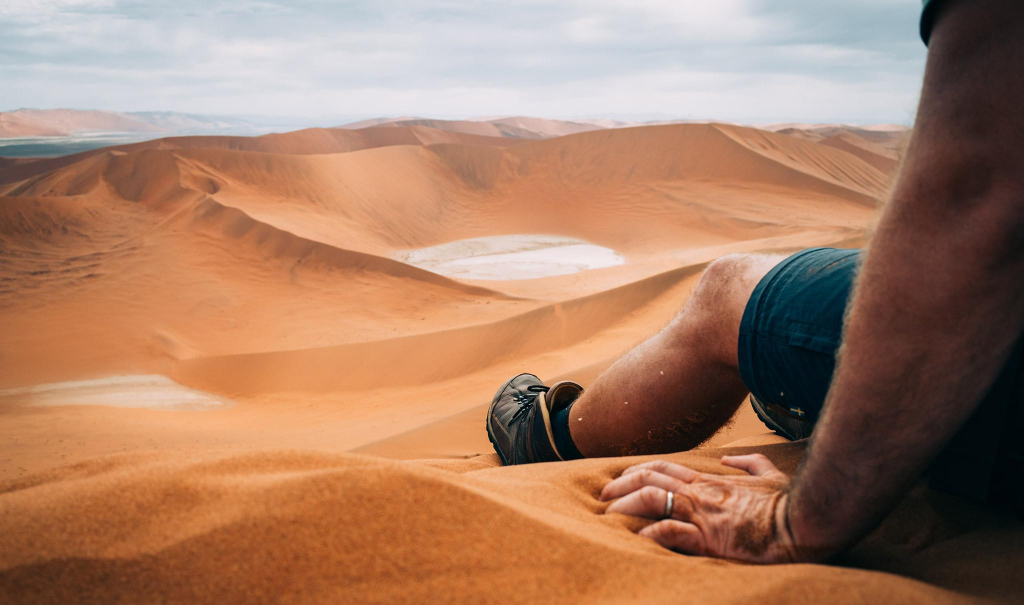
One of the most popular experiences at Deadvlei is climbing the towering sand dunes that surround the pan. These are some of the highest sand dunes in the world, with some reaching over 300 metres (1,000 feet) in height [0†L32-L33]. Big Daddy – at approximately 325 metres – is the tallest and offers a spectacular vantage point overlooking Deadvlei [4†L23-L25]. Climbing Big Daddy is challenging but immensely rewarding. Many visitors recommend climbing the dune first, then walking through Deadvlei afterwards to return to the car park [4†L11-L13]. Dune 45, named for its location 45 kilometres from the Sesriem Gate, is another popular climb at around 170 metres [4†L22][4†L28].
Photography
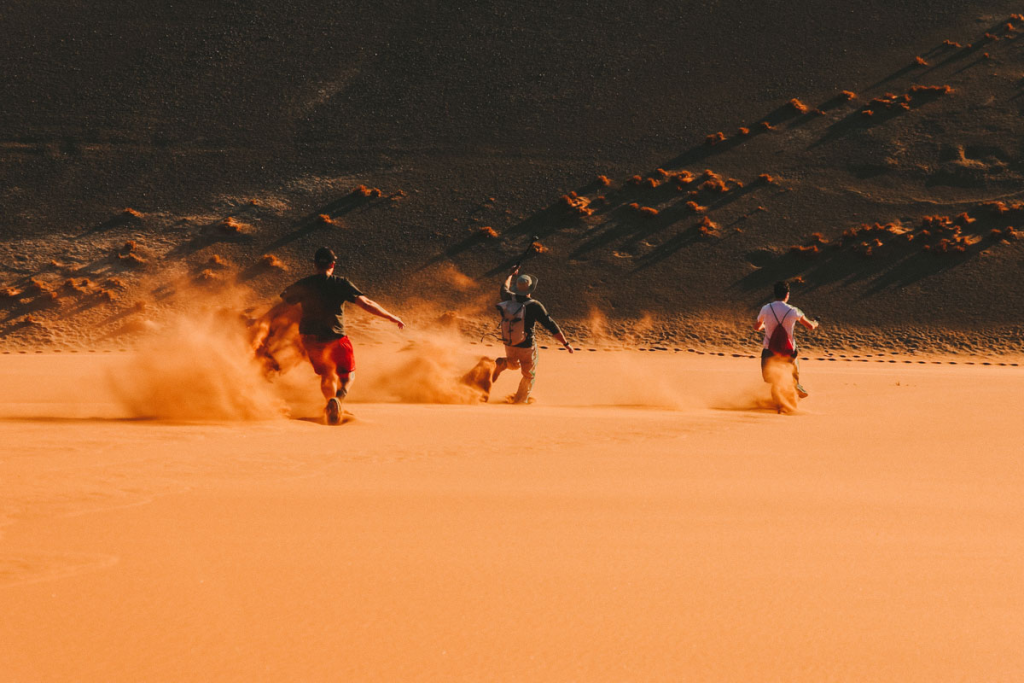
Deadvlei is a photographer’s dream. The juxtaposition of the red‑orange dunes, the white clay pan, and the dark, skeletal trees creates endless opportunities for dramatic shots [2†L8-L10]. Sunrise and sunset are particularly magical, when the low‑angle light casts long shadows and illuminates the dunes with a fiery glow [2†L25-L27]. The contrast is at its most pronounced in the early morning, making it the best time for photography [2†L15-L16][2†L40-L43]. Both amateur and professional photographers will find Deadvlei an endlessly inspiring location.
Wildlife Spotting
Although Deadvlei is primarily known for its dramatic landscape, wildlife can still be spotted in the area. With luck, you may see oryx, springbok, or jackals roaming the desert in search of water. Birdwatchers may spot species such as the pale chanting goshawk, while smaller desert animals like the Namib sand gecko and various lizards and insects also inhabit this harsh environment.
Stargazing
The Namib Desert is one of the world’s best stargazing destinations, thanks to its clear skies and minimal light pollution. If you are staying in the Sesriem area, take time to step outside and marvel at the night sky. The Milky Way, constellations, and shooting stars appear with breathtaking clarity, creating a magical experience for anyone who appreciates the wonders of the universe.
Practical Tips for Visiting Deadvlei
To ensure a safe and enjoyable visit to Deadvlei, keep the following practical tips in mind:
- Bring Plenty of Water: The desert heat can be extreme, particularly during summer months. Carry at least 2‑3 litres of water per person [9†L11-L12].
- Dress Appropriately: Wear lightweight, breathable, sun‑protective clothing. A wide‑brimmed hat, sunglasses, and high‑SPF sunscreen are essential [9†L16]. Closed‑toe shoes are recommended, as the sand can become extremely hot [9†L12-L13][9†L32-L33].
- Arrive Early: Getting to Deadvlei at sunrise is ideal for photography and avoiding the midday heat [1†L43-L44][1†L27-L29]. The early morning light is also the most beautiful.
- Protect Your Camera: Fine desert sand can damage camera equipment. Carry a protective cover or bag and avoid changing lenses in windy conditions [2†L43-L44].
- Be Prepared for the Terrain: The walk from the 4×4 parking area to Deadvlei is approximately 1 kilometre through deep sand. Sturdy footwear and a reasonable level of fitness are recommended.
- Respect the Environment: Deadvlei is a fragile and protected landscape. Do not climb on or damage the ancient trees, and take all rubbish with you.
Conclusion
Visiting Deadvlei is a truly unforgettable experience, offering a journey to one of the most unique and awe‑inspiring landscapes on Earth. The ancient, dead trees standing in stark contrast to the towering orange dunes and brilliant white clay pan create a scene of haunting beauty that must be seen to be believed. Whether you are a photographer seeking the perfect shot, a nature lover yearning for adventure, or simply someone wishing to experience the serenity of the desert, Deadvlei will leave you in awe. This magnificent part of the Namib Desert is one of the most impressive natural wonders in Africa and should not be missed.