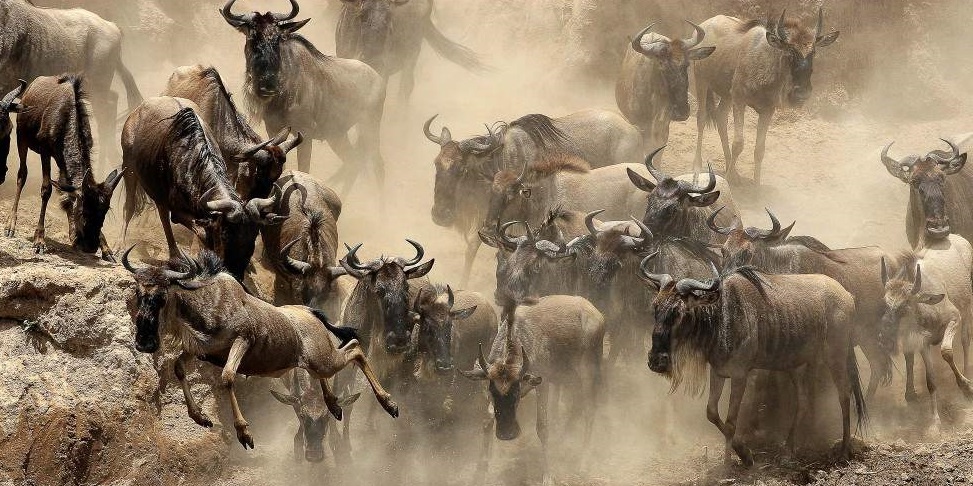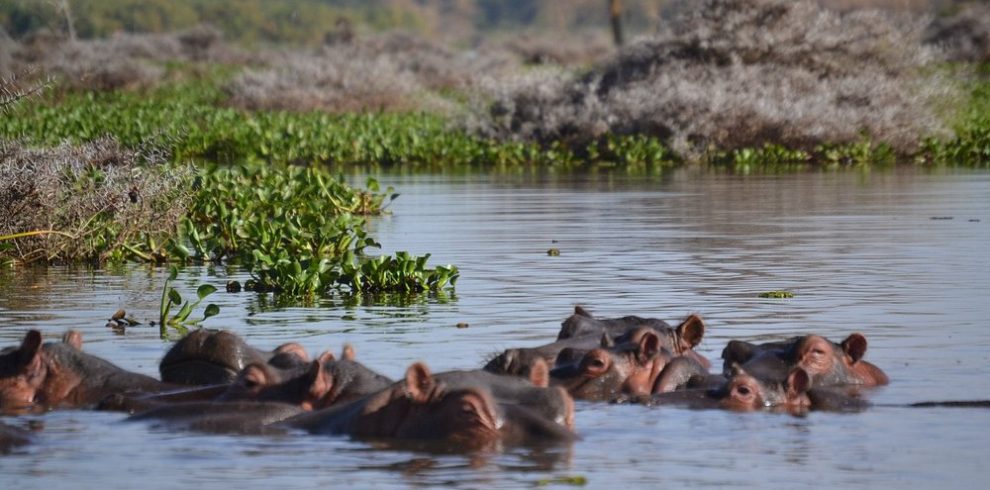
Travelling across Africa is perhaps one of the most memorable experiences a traveller can ever have. The continent is rich in adventure, culture, and beautiful scenery – from the colourful markets of Marrakech to the wildlife‑rich savannahs of Kenya and Tanzania. However, fast‑paced cities, congested transport systems, and tourist hotspots can also pose risks to travellers carrying cash, credit cards, and passports.
It is in this context that a money belt has become an essential travel accessory. Knowing how to travel with a money belt in Africa allows you to rest assured that your valuables are safe, ensuring a more peaceful and enjoyable trip. This guide explains why a money belt is important, how to choose and wear one, how to keep it secure, and how to remain inconspicuous as a safe traveller. With these tips, you can focus on the adventure rather than worrying about theft.
Why Use a Money Belt in Africa
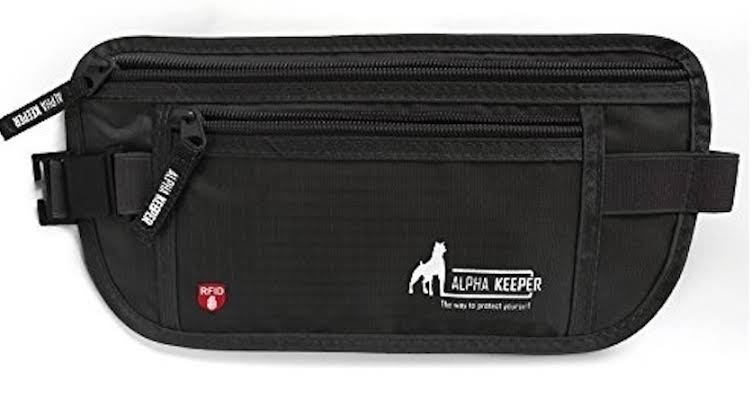
A money belt is an effective accessory for any traveller in Africa, offering several advantages:
- Theft Protection: Pickpockets and bag snatchers are common in crowded places. A money belt keeps your valuables close to your body, minimising the risk of theft.
- Comfort: You can carry cash, credit cards, passports, and other essential items without rummaging through backpacks or purses.
- Organisation: Money belts keep your essential items organised and easily accessible during travel.
- Peace of Mind: Knowing your valuables are safe allows you to explore more freely – whether in a crowded marketplace or a busy bus terminal.
A money belt is one of the best ways to ensure safety in Africa, and learning how to use it optimally is the key to maximum security.
How to Choose the Right Money Belt
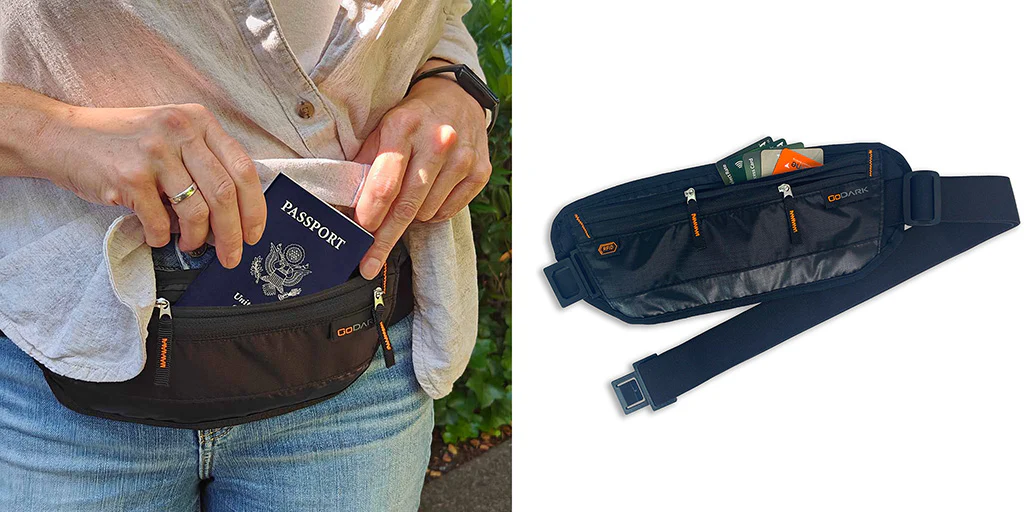
Not all money belts are created equal. Here is how to select one for travel in Africa:
1. Material and Durability
- Choose belts made of lightweight, breathable, and non‑stretchy fabrics.
- Water‑resistant materials protect documents and money from spills or rain.
2. Comfort and Fit
- The belt should sit comfortably without being irritating when worn beneath clothing.
- Adjustable straps ensure a snug fit that stays in place when walking or running.
3. Security Features
- Zippered compartments offer extra security.
- Slash‑proof designs prevent thieves from cutting through the belt.
4. Discreet Design
- Neutral colours such as black, brown, or beige help you blend in.
- Avoid shiny belts or patterns that attract attention.
Choosing a high‑quality money belt is the first step towards safe travel in Africa.
How to Wear a Money Belt
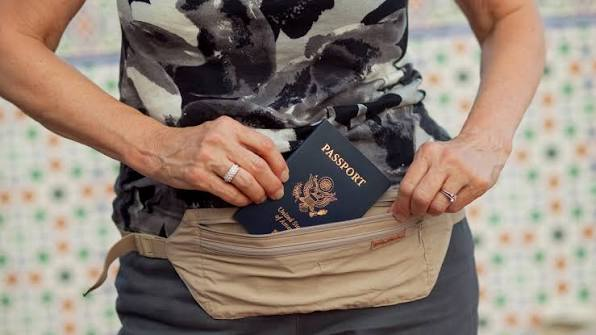
The comfort and security of your money belt depend on how you wear it:
Under Clothing
- Place the belt under your shirt or blouse to keep it hidden.
- Ensure it fits snugly around your body to prevent thieves from accessing it.
Around the Waist
- The traditional waist style works well under clothing, especially with casual attire.
- Position the compartments at the front of your body.
Around the Thigh (Optional)
- Some travellers prefer thigh pockets, particularly in hot weather when waist belts are uncomfortable.
Wearing your money belt discreetly is a key strategy for travelling safely in Africa – securing valuables without making them difficult to access.
What to Carry in Your Money Belt
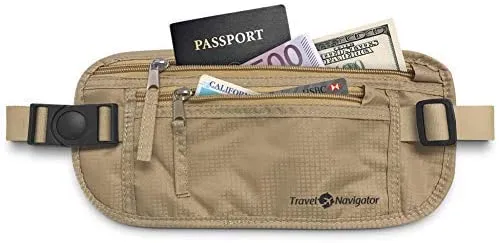
Use a money belt for items you cannot afford to lose:
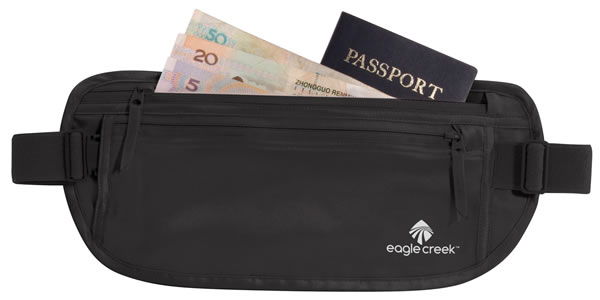
- Passport and Visa Documents: Store your passport and visa, with copies of crucial identification.
- Cash and Credit Cards: Split cash into multiple compartments to reduce loss in case of theft. Keep one or two credit cards for emergencies.
- Travel Insurance Information: Keep a digital and paper copy of your travel insurance policy.
- Emergency Contacts: Include printed contacts for your embassy, hotel, and local emergency services.
- Small Valuables: Items such as a SIM card, spare key, or small emergency flashlight.
By carrying only the essentials, you ensure peace of mind and organised travel.
When a Money Belt Is Essential
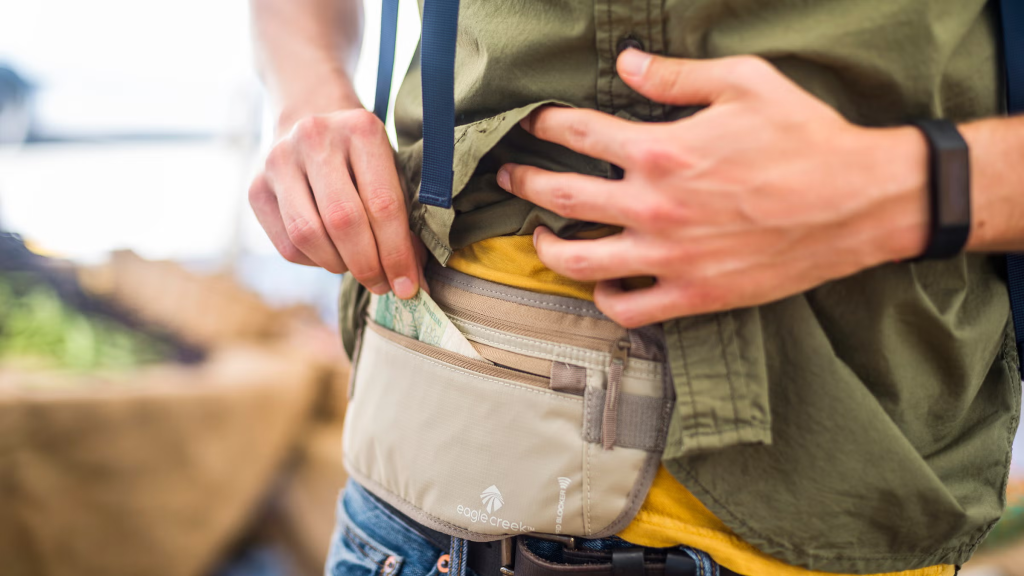
Some places in Africa make a money belt particularly necessary:
- Crowded Markets and Bazaars: Pickpocketing is common in crowded stalls and alleys. Keep your belt under your clothing and stay alert.
- Public Transport: Buses, minibuses, and taxis can attract bag snatchers. Keep only the essentials in your money belt.
- Tourist Hotspots: Iconic sites attract not only tourists but also thieves. Cash and passports should be kept in your money belt.
- Walking at Night: Even well‑lit streets can be risky in unfamiliar neighbourhoods. Keep valuables secure and avoid displaying them.
Using a money belt in these situations is a safe and practical way to travel in Africa.
Safety Tips for Using a Money Belt
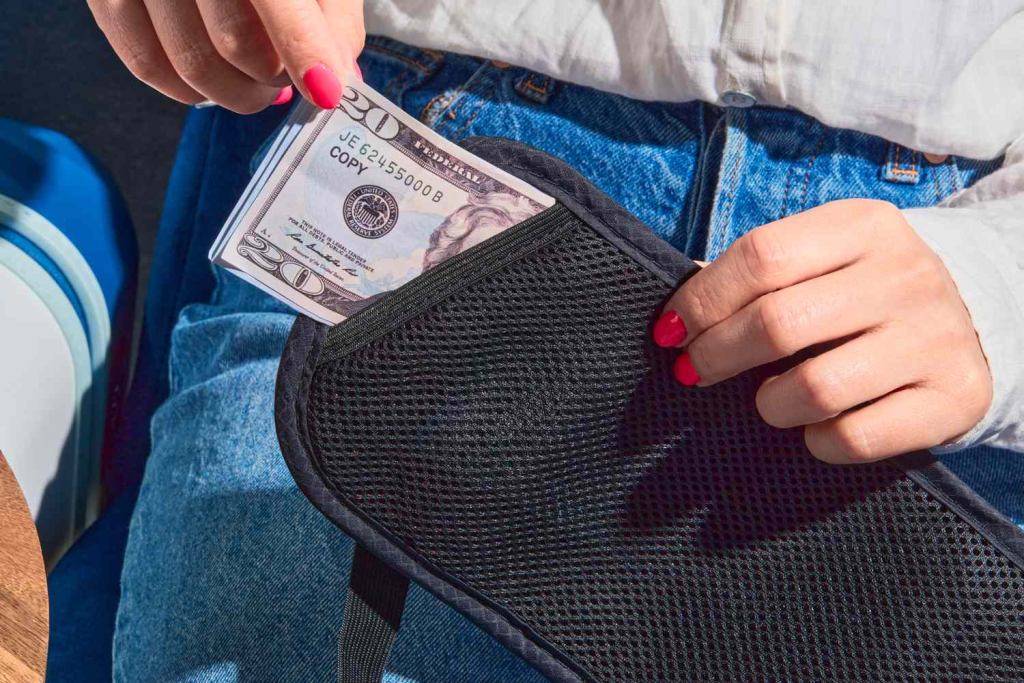
A money belt is effective, but additional precautions are important:
- Blend In: Avoid flashy clothing and jewellery. Walk confidently and know your surroundings.
- Divide and Conquer: Store cash, credit cards, and documents in different compartments. Keep small amounts in secondary hidden pockets.
- Check Your Belt Regularly: Ensure zippers and fastenings are secure. Access your belt discreetly to avoid attracting attention.
- Keep Copies of Essentials: Store copies of passports and cards in a secure cloud system. Keep paper copies of important documents with someone you trust back home.
- Avoid Flashy Behaviour: Do not count money in public or display electronics. Minimise contact to reduce theft risk.
These tips ensure maximum protection when travelling with a money belt in Africa.
Complementary Safety Measures
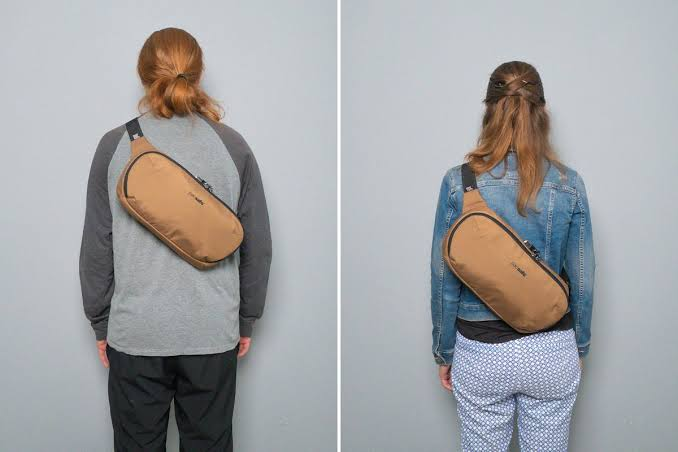
A money belt is part of a broader travel security plan:
Use Anti‑Theft Bags
- Consider backpacks with lockable zippers and slash‑proof straps.
- Crossbody bags carried in front provide an additional layer of security.
Always Be Aware of Your Surroundings
- Pickpocketing often occurs in groups. Watch for suspicious activity in markets, transport points, and tourist sites.
Travel Insurance
- Insurance covers lost or stolen items, providing peace of mind.
- Record incident details – photos and police reports help speed up claims.
Learn Local Safety Tips
- Ask hotel staff or local guides about areas to avoid.
- Check online crime statistics and traveller advisories.
Combining these measures with your money belt increases overall security.
Common Mistakes to Avoid
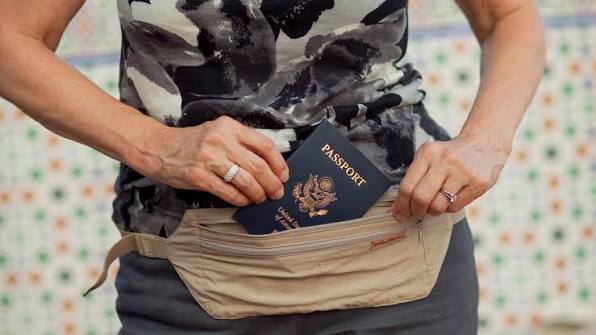
Even with a money belt, travellers may make errors:
- Overloading the Belt: Too many items make it uncomfortable and conspicuous.
- Wearing It on Top of Clothing: Visible belts are easy targets for thieves.
- Leaving Valuables in Rooms: Do not rely solely on hotel safes – take additional precautions.
- Lack of Situational Awareness: Even with a belt, distractions or ignorance increase theft risk.
Avoiding these mistakes is essential for safe travel with a money belt in Africa.
Money Belt Alternatives
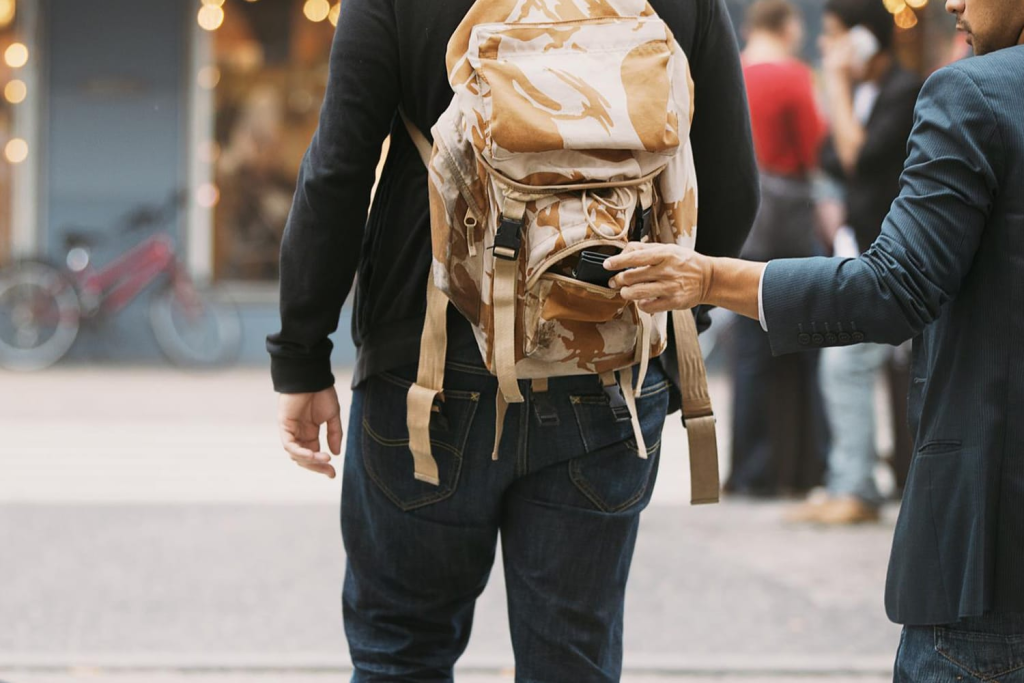
Some travellers may supplement or replace a traditional belt with alternative approaches:
- Neck Pouches: Lightweight and easy to conceal under clothing.
- Hidden Sock or Shoe Pockets: Useful for extra cash or emergencies.
- Secure Pockets in Clothing: Jackets or trousers with zippered pockets offer additional security.
While these options can enhance security, a quality money belt remains one of the best ways to travel safely in Africa.
Cultural Considerations
- In some African countries, it is advisable to wear a money belt under clothing to avoid displaying wealth.
- Keep small amounts of cash accessible and use mobile money where possible for local payments.
- Observe local traditions and dress codes to blend in and reduce the risk of theft.
Understanding these cultural norms makes a money belt an even more effective travel tool.
Conclusion
Travelling in Africa is a remarkable experience, with vibrant cultures, stunning sights, and unforgettable adventures. However, unprepared travellers may face the risk of theft. A money belt is one of the simplest yet most effective ways to secure your valuables while exploring the continent.
By choosing a durable, discreet money belt, wearing it comfortably, carrying only the essentials, and staying aware of your surroundings, you can enjoy your trip without worry. Combining a money belt with anti‑theft bags, travel insurance, and local safety knowledge further enhances your protection.
Ultimately, travelling with a money belt in Africa provides peace of mind, convenience, and freedom to explore. With proper use, travellers can focus on the incredible experiences Africa offers – from local markets and wildlife safaris to cultural festivals and city adventures.
A money belt is not just a travel accessory; it is a companion that keeps you safe, organised, and confident. Prepare yourself, stay alert, and enjoy Africa to the fullest.