
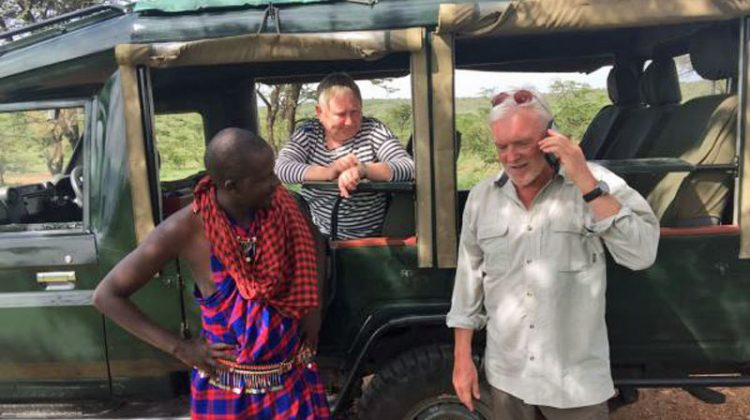
Africa is an exceptional continent to explore, with breathtaking views, vibrant cultures, and unforgettable experiences. One of the critical concerns for any traveller is how to stay in touch, check maps, or use apps while exploring the continent. The big question is: can you use your own phone in Africa? The answer is yes – but there are important factors to consider to ensure your phone remains efficient, cost‑effective, and secure.
This comprehensive guide covers everything you need to know about using your own phone in Africa, including SIM cards, roaming, data plans, network compatibility, Wi‑Fi, security, and practical tips to maintain a smooth connection. Whether you are travelling to South Africa, Kenya, Morocco, or Nigeria, this guide will help you make the most of your device.
Benefits of Using Your Own Phone
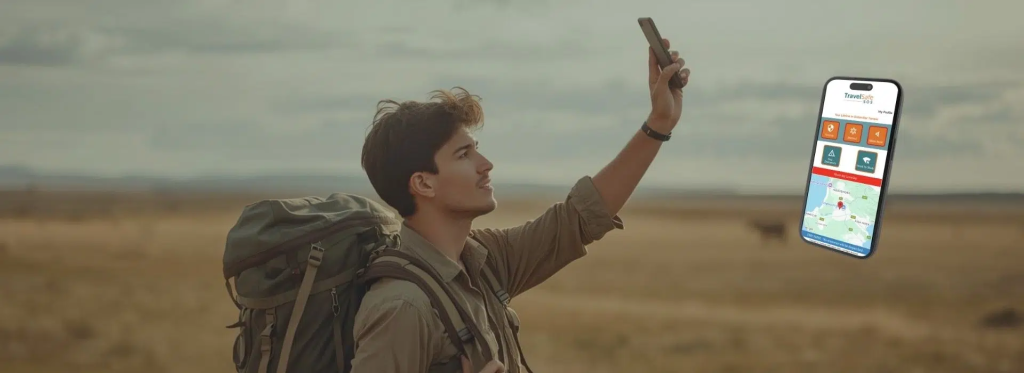
Using your own phone when travelling to Africa is generally more convenient than buying a new one. Key benefits include:
- Familiarity: You are already comfortable with your device, apps, and settings.
- Reliability: Your contacts, social media, and email accounts remain unchanged.
- Security: Using your own phone reduces the risk of losing personal information or using compromised devices.
- Flexibility: You can switch between international SIM cards, local SIM cards, or Wi‑Fi hotspots without changing phones.
However, using your own phone also presents challenges such as network compatibility, expensive roaming charges, and limited coverage in rural areas. Understanding these factors is essential for a successful experience.
Checking Network Compatibility
Before travelling, ensure your phone is compatible with African networks:
- Unlocked Devices: Your phone must be unlocked to accept local SIM cards. Contact your carrier to unlock your phone if necessary.
- Frequency Bands: Different countries use different frequency bands. Most modern smartphones support 3G and 4G LTE networks used in Africa, but it is wise to check your phone’s specifications.
- Network Technology: GSM networks are widely used across Africa. CDMA phones may have limited compatibility in some areas.
Check your phone’s compatibility with local carriers in the countries you plan to visit.
Roaming with Your Home Carrier

Using international roaming from your home carrier is another option for staying connected.
Pros:
- No need to switch SIM cards.
- Your phone number remains active.
- Convenient for business travel or when you need regular contact.
Cons:
- Roaming fees can be expensive.
- Data plans may be limited, slow, or costly.
- Coverage in rural areas may be patchy.
Tips for Using Roaming:
- Check whether your provider offers Africa‑specific packages.
- Turn on data roaming only when needed to avoid high charges.
- Use Wi‑Fi for calls, messages, and apps whenever possible.
Buying a Local SIM Card
For most travellers, purchasing a local SIM card is the most cost‑effective way to use your own phone in Africa.
Benefits:
- Lower call, SMS, and data rates compared to roaming.
- Good coverage in cities and most tourist areas.
- Prepaid plans with no long‑term commitment.
How to Use a Local SIM Card:
- Ensure your phone is unlocked.
- Carry your passport – most countries require ID for SIM registration.
- Compare local carriers for coverage, pricing, and data limits.
- Insert the SIM and configure APN settings if required.
Popular African Carriers:
- South Africa: Vodacom, MTN, Cell C.
- Kenya: Safaricom, Airtel, Telkom Kenya.
- Nigeria: Airtel, 9mobile, Glo, MTN Nigeria.
- Morocco: Maroc Telecom, Inwi, Orange.
- Egypt: Etisalat, Vodafone Egypt, Orange Egypt.
If you plan to visit multiple countries, some carriers offer cross‑border SIM cards or regional data plans to minimise disruptions.
International SIM Cards
International SIM cards allow you to use your own phone across multiple African countries without changing cards.
Advantages:
- One SIM card works in several countries.
- Same number for calls and messages.
- Predictable international data and calling rates.
Disadvantages:
- Can be more expensive than local SIM cards.
- Data speeds may be slower in some areas.
Popular International SIMs for Africa:
- OneSimCard
- WorldSIM
- TravelSIM
These SIMs can be purchased online before travel, allowing you to be connected immediately upon arrival.
Using Wi‑Fi and VoIP Apps
Wi‑Fi is often the most affordable way to stay connected in Africa, even with a local or international SIM.
Wi‑Fi Options:
- Hotels, lodges, and hostels.
- Cafés, restaurants, and shopping malls.
- Co‑working spaces in major cities.
Communication Apps:
- WhatsApp: Voice, video, and messaging.
- Facebook Messenger: Popular for chatting and calling.
- Viber and Telegram: Alternative secure communication apps.
- Zoom / Microsoft Teams: Essential for online calls or business meetings.
Use a VPN when connecting to shared Wi‑Fi networks to protect your data and privacy.
Smartphone Tips for Africa
- Battery Care: Carry a power bank, as electricity can be unreliable in some areas.
- Offline Maps: Download maps for offline use, especially in rural areas or on safari.
- Local Emergency Numbers: Save local emergency contacts and embassy details offline.
- Keep Your Phone Secure: Use passcodes, encryption, and back up important data before travelling.
- Monitor Data Usage: Set limits to avoid unexpected charges, especially when roaming.
- Backup SIM Settings: Some phones require APN configuration for data – have the instructions handy.
Country‑Specific Insights
South Africa
- Excellent 4G LTE and 5G coverage in cities.
- Rural areas may have limited coverage.
- Vodacom and MTN offer the best network coverage.
Kenya
- Safaricom provides extensive 4G coverage, including many safari parks.
- Airtel and Telkom Kenya are good alternatives in urban areas.
- Mobile money (M‑Pesa) is widely used for transactions.
Nigeria
- Strong 4G LTE coverage in major cities.
- Rural areas may have 3G or intermittent service.
- MTN Nigeria and Airtel are leading carriers.
Egypt
- Good coverage in tourist areas.
- Local SIM cards (Vodafone Egypt, Orange Egypt, Etisalat) offer affordable data plans.
- Roaming can be expensive – consider a local SIM.
Morocco
- Good coverage in larger towns, but limited in desert areas.
- Maroc Telecom has the best national coverage.
- Inwi and Orange are good alternatives in urban areas.
Security Considerations
When using your personal phone in Africa, security should be a top priority:
- Avoid using unsecured public Wi‑Fi for sensitive transactions.
- Use a VPN for secure internet access.
- Backup important files and contacts to cloud storage.
- Keep your phone secure, especially in markets or on public transport.
These measures reduce the risk of hacking, theft, or data loss.
Emergency Connectivity Options
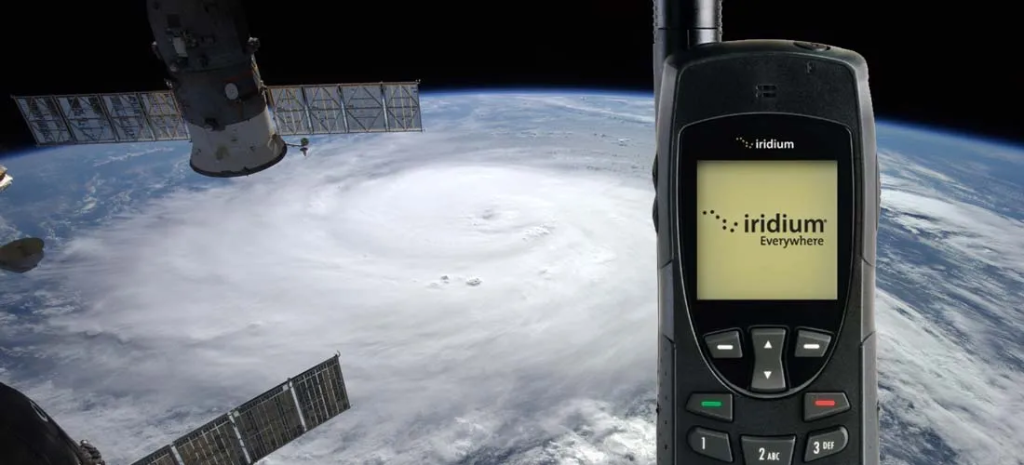
Connectivity in remote or rural areas can be limited. Consider these alternatives:
- Satellite Phones: Useful where there is no cellular network – ideal for safaris or remote locations.
- Offline Messaging Apps: Some apps allow communication over Bluetooth or local Wi‑Fi networks.
- Emergency SIM Cards: Some international providers offer emergency connectivity packages for travellers in Africa.
Planning for such situations ensures you remain reachable even in remote areas.
Conclusion
Travellers wondering how to use their own phone in Africa will find that staying connected is achievable through local SIM cards, international SIMs, roaming, and Wi‑Fi networks. Proper planning – including phone compatibility, selecting the right SIM, and using communication apps – ensures smooth calls, data access, navigation, and messaging.
Whether you are exploring urban centres, remote villages, or the wilderness, using your own phone in Africa allows you to navigate confidently, stay in touch with friends and family, and fully appreciate the continent’s rich diversity. By following the tips in this guide, you can stay connected, manage costs, and travel comfortably.
Being connected is no longer a challenge – it is a valuable resource that enhances your African adventure, enabling you to share experiences, find information, and feel safe throughout your journey.