
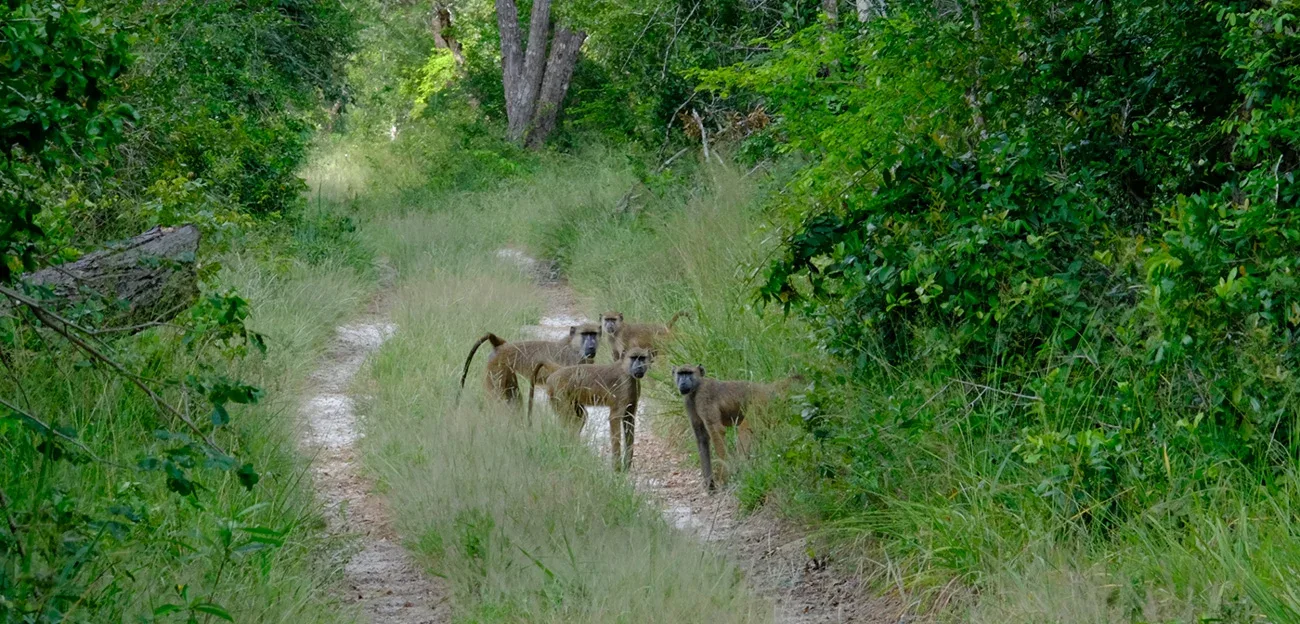
Exploring the forest’s diverse ecosystems alongside knowledgeable guides enhances your understanding of the environment and its conservation. Their expertise often unveils the secrets of rare and elusive wildlife, enriching your nature experience.
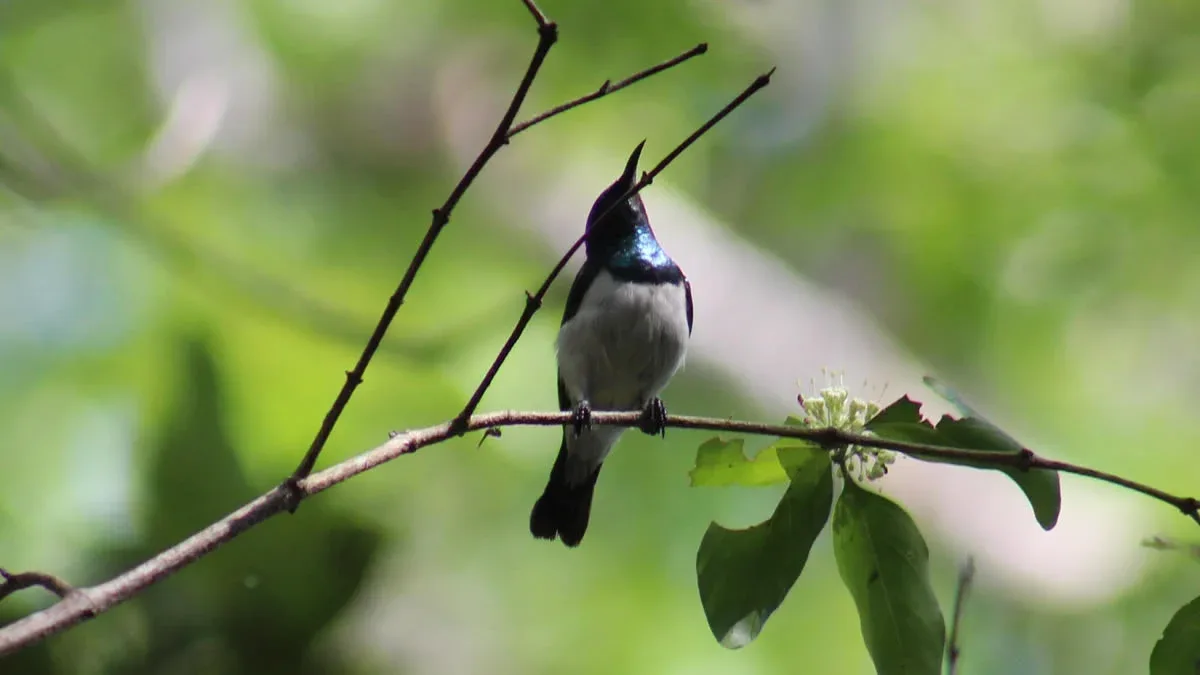
Arabuko Sokoke, boasting over 270 bird species, beckons birdwatchers to its depths. Among them, the Sokoke Scops Owl, an endemic gem, awaits discovery. Remember your binoculars and field guide for an enriching avian adventure!
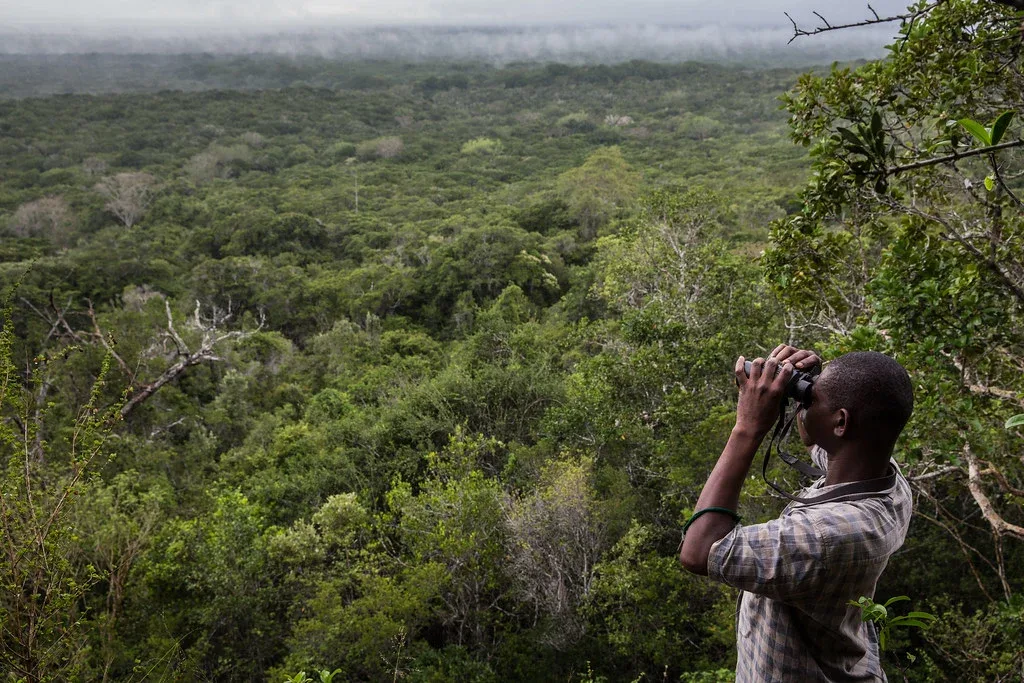
Embark on the forest’s myriad trails and hiking routes, offering varying levels of difficulty. From leisurely strolls to exhilarating treks, each path unveils treasures like hidden waterfalls and encounters with wildlife, inviting you to immerse yourself in the serene beauty of the forest.
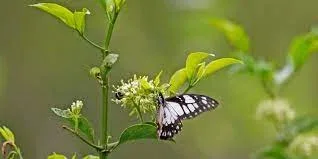
The forest hosts a plethora of butterfly species, each adorned with vibrant hues and intricate patterns. Equip yourself with a camera to seize the mesmerizing beauty of these winged wonders, adding to your memorable forest exploration.

Adjacent to the reserve lies the Arabuko Sokoke Forest Visitor and Information Center, featuring a captivating butterfly farm. Immerse yourself in the enchanting world of butterflies as you observe diverse species up close and delve into their fascinating life cycles, enhancing your understanding of these delicate creatures.
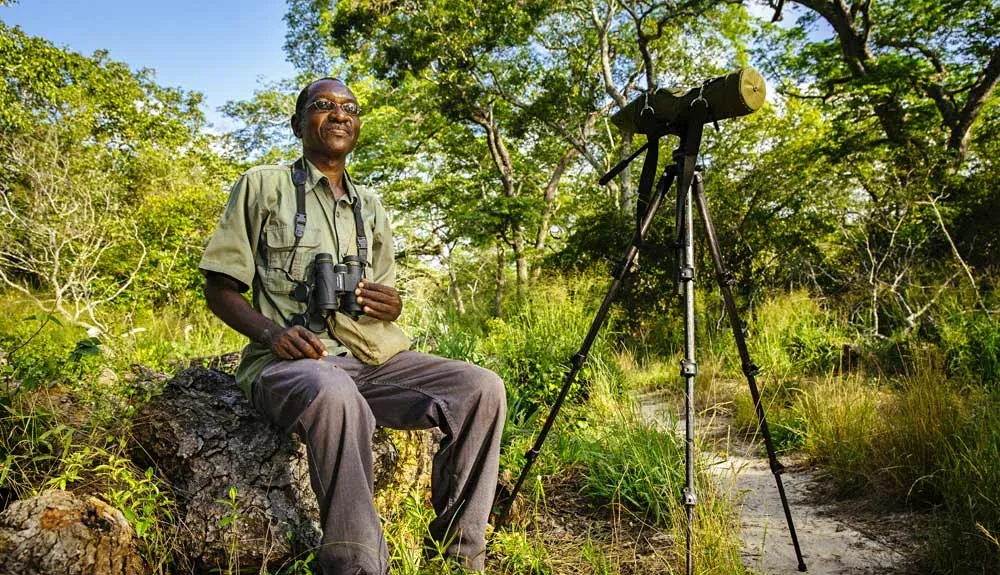
The forest’s lush greenery, distinctive wildlife, and untouched landscapes offer photographers an abundance of captivating subjects. Respect the natural environment as you skillfully capture the beauty of the forest and its inhabitants, preserving its essence for generations to come.
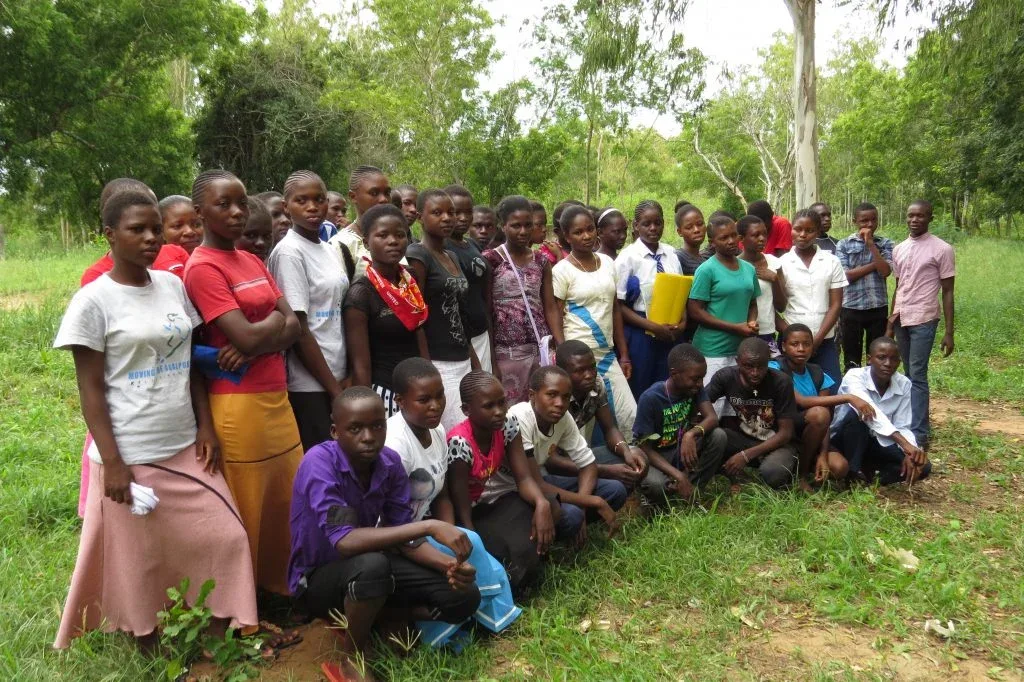
Engage with the indigenous communities residing around the forest to delve into their rich traditional customs and heritage. Explore local markets where you can immerse yourself in cultural exchanges and acquire beautifully handcrafted souvenirs, fostering meaningful connections with the vibrant local culture.

Embark on a thrilling night safari to witness the forest’s nocturnal inhabitants in action, from elusive owls and playful bushbabies to the mesmerizing chameleons. Experience the forest’s transformative ambiance under the cloak of darkness, revealing a mysterious and enchanting world waiting to be discovered.

Indulge in a delightful forest picnic amidst designated areas, where you can unwind, savor the tranquil surroundings, and relish a meal in the embrace of nature. Let the serene ambiance enhance your dining experience, creating cherished memories amidst the beauty of the forest.
Discover the comprehensive conservation initiatives safeguarding the Arabuko Sokoke Forest Reserve’s biodiversity and ecosystem integrity. Your visit plays a pivotal role in funding these crucial efforts, making a meaningful contribution to the preservation of this natural treasure. Consider supporting the conservation cause during your visit, ensuring the forest’s enduring protection for future generations to enjoy.

Embark on guided tours enriched with cultural performances and captivating storytelling by local communities, offering a profound immersion into the vibrant heritage of the region. Immerse yourself in the rhythms, traditions, and tales woven into the fabric of local culture, fostering a deeper appreciation for the richness and diversity of the region’s cultural tapestry.
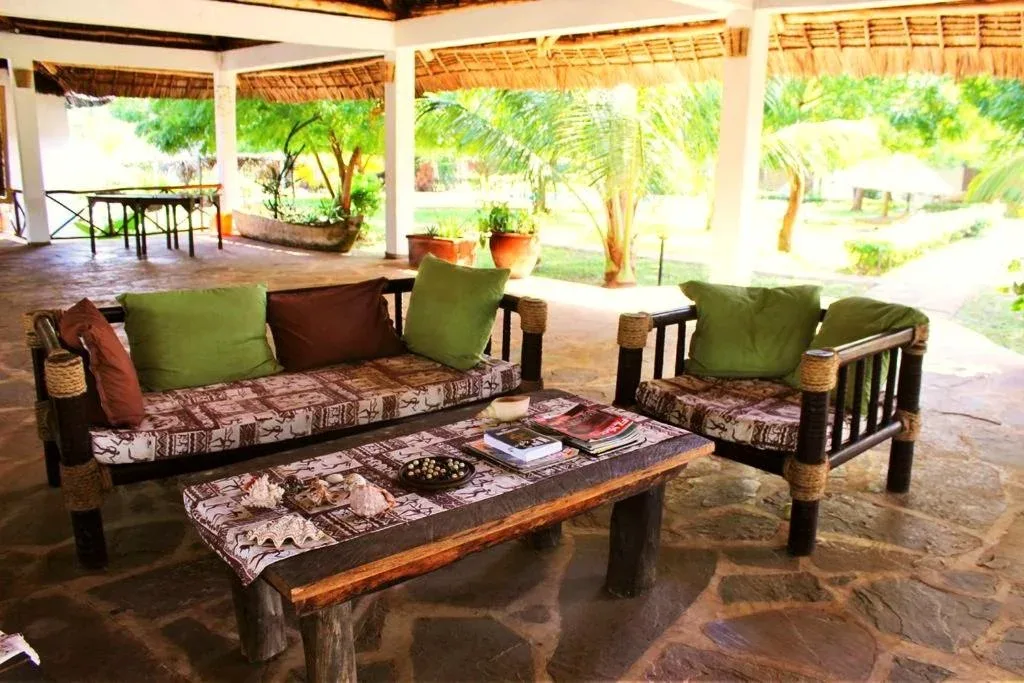
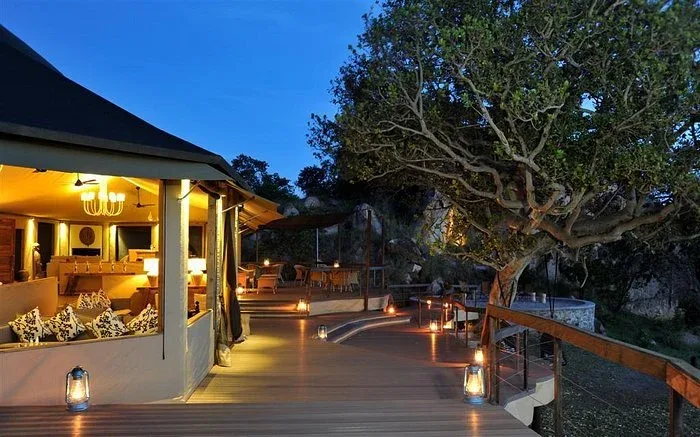
For an extended stay, opt for eco-friendly lodges or camps committed to sustainable tourism practices, offering an immersive wilderness experience that harmonizes with the environment. Indulge in a unique blend of comfort and conservation, where your accommodation choice aligns with your commitment to preserving the natural beauty of the area while providing unforgettable moments in the wilderness.









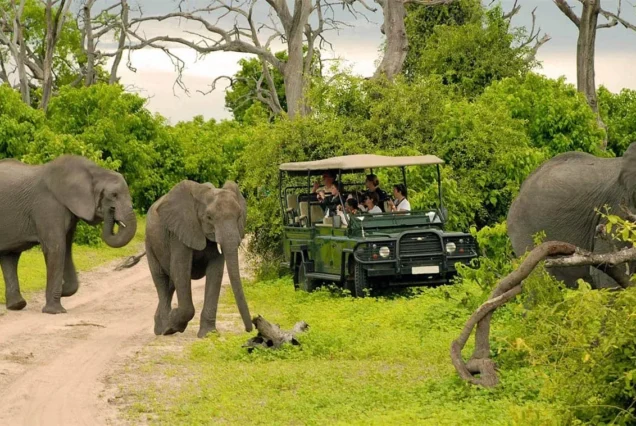
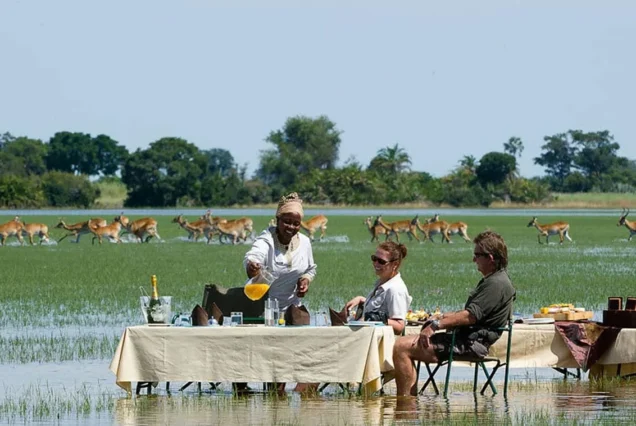
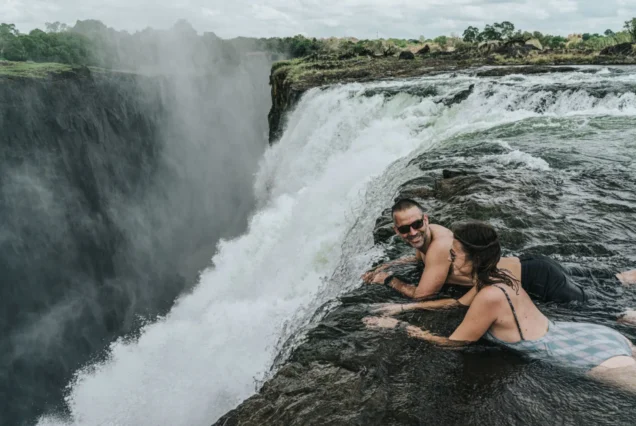
Birding Safaris in Africa

Big Five Safaris in Africa
Honeymoons in Africa
Honeymoons in Africa
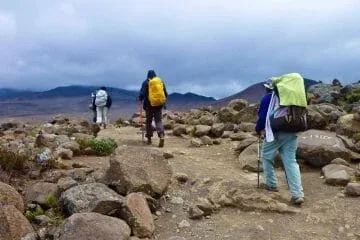
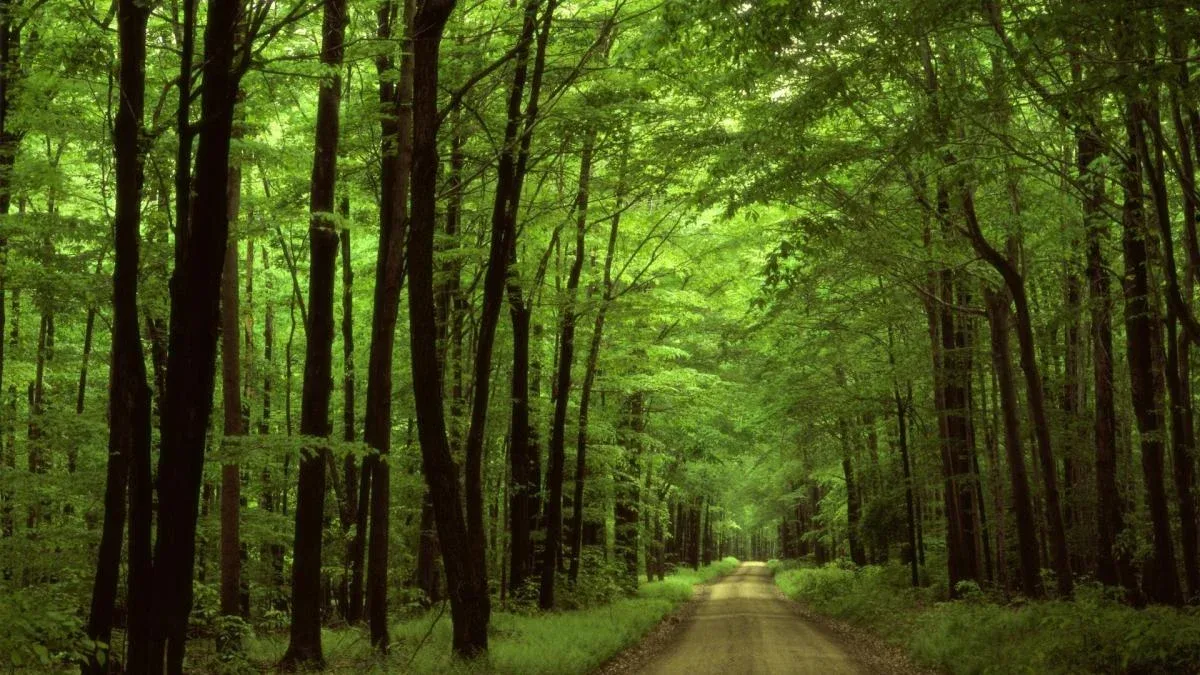
Embark on guided nature walks to intimately explore the forest on foot, guided by knowledgeable experts who illuminate the intricacies of the ecosystem. These seasoned guides enhance your experience by spotting elusive wildlife, identifying diverse plant species, and sharing insightful commentary about the forest’s delicate balance, enriching your connection with nature.
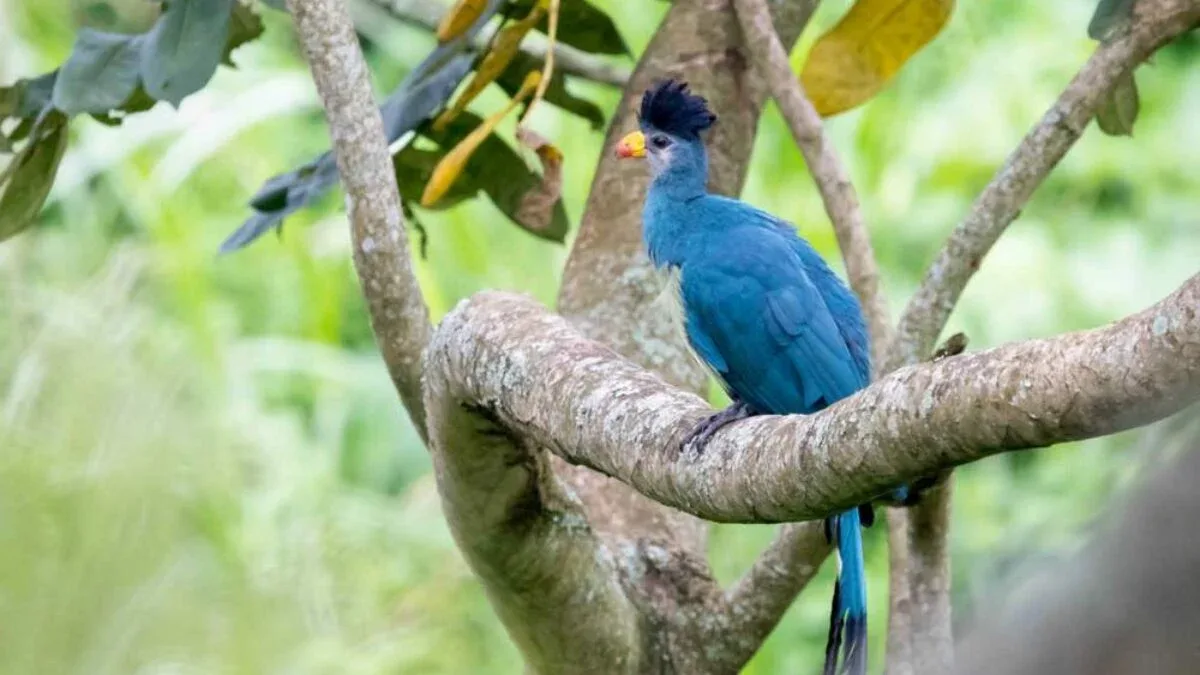
Arabuko Sokoke stands as a haven for avid birdwatchers, offering specialized safaris tailored to spotting and identifying its diverse avian population, which includes rare and endemic species. Delve into the heart of this ornithological paradise, where each moment unveils the beauty and diversity of the forest’s feathered inhabitants, creating an unforgettable birdwatching experience.
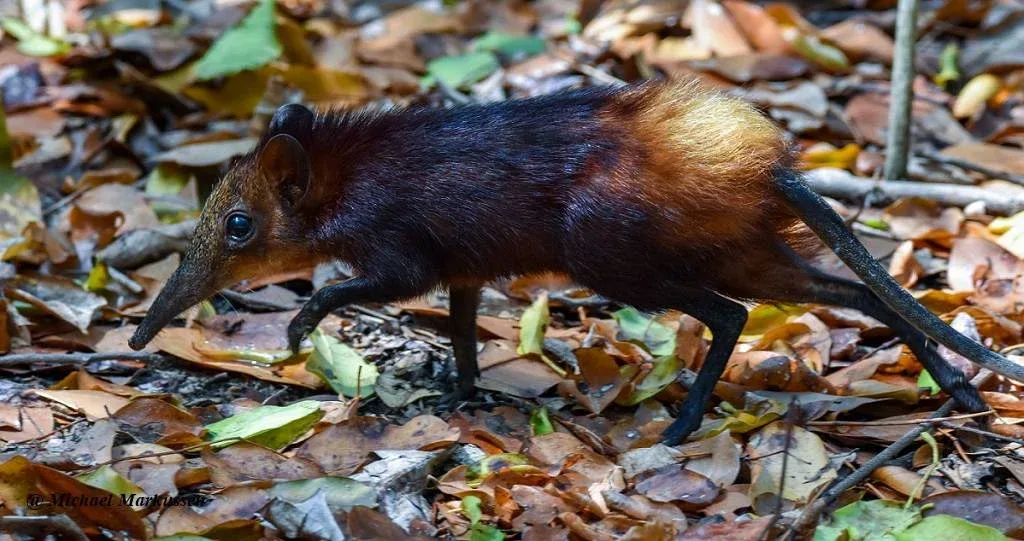
Explore the reserve’s network of trails tailored for hiking and trekking adventures, catering to various skill levels from leisurely strolls to invigorating hikes. Many trails are accompanied by experienced guides who offer insights into the reserve’s natural wonders, ensuring a safe and enriching exploration of its diverse landscapes and hidden treasures.

Discover the enchanting world of butterflies at the Arabuko Sokoke Forest Visitor and Information Center’s butterfly farm. Immerse yourself in a kaleidoscope of colors as you observe and learn about the diverse butterfly species indigenous to the region. Delve into their fascinating life cycles and behaviors, gaining a deeper appreciation for these delicate creatures and their vital role in the forest ecosystem.
Embark on an exhilarating night safari to witness the magical transformation of the forest as nocturnal creatures emerge from their slumber. From the silent flight of owls to the playful antics of bushbabies and the stealthy movements of chameleons, immerse yourself in the captivating world of nighttime wildlife encounters, experiencing the forest in a whole new light.
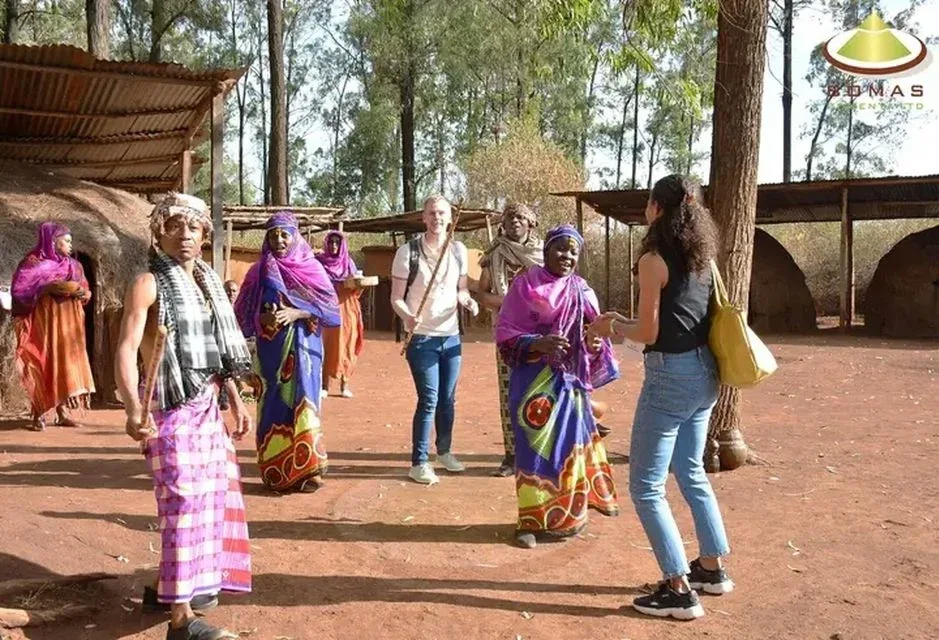
Indulge in immersive experiences during these safaris, often featuring interactions with local communities residing near the reserve. Immerse yourself in their rich traditions, explore vibrant local markets, and delight in captivating cultural performances. These encounters offer valuable insights into the heritage and way of life of the indigenous communities, fostering meaningful connections and enriching your journey through the region.
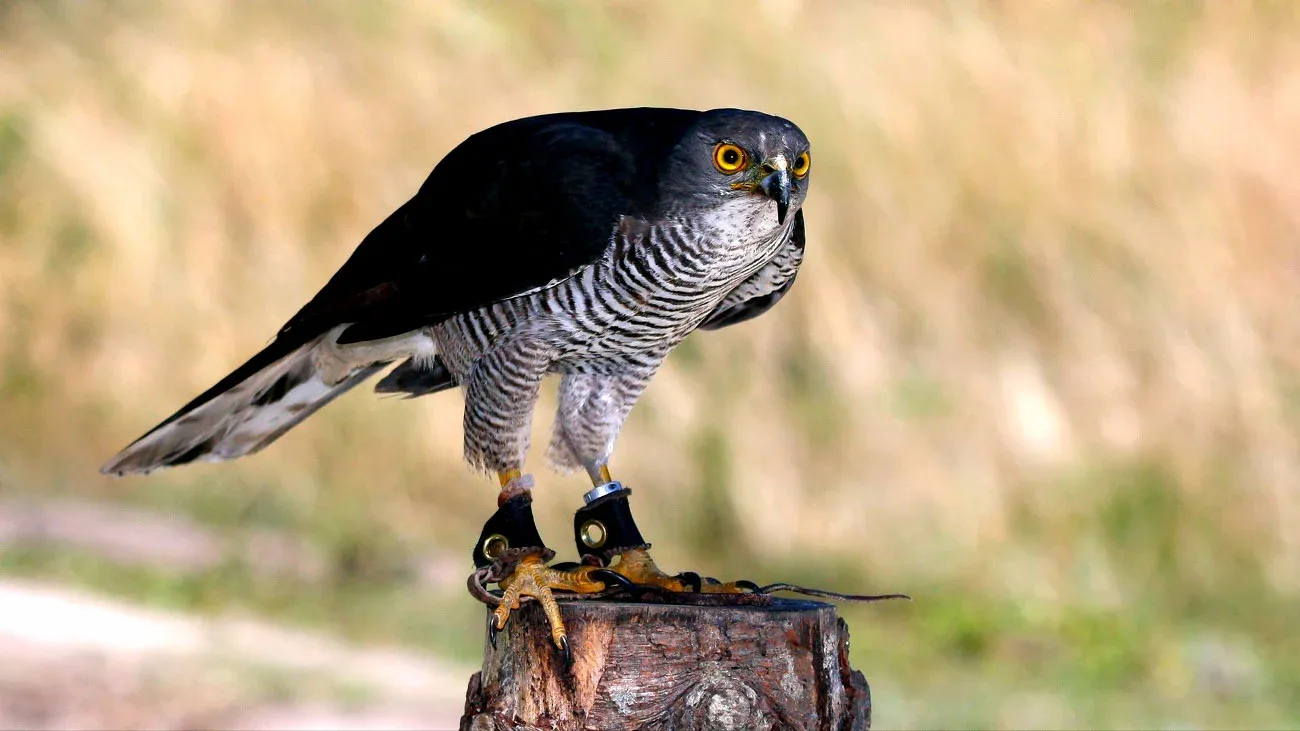
Embark on tailored photography safaris designed exclusively for photographers, providing unparalleled opportunities to capture the stunning beauty of the forest, its diverse wildlife, and breathtaking landscapes. Guided by experienced photography experts, these safaris offer invaluable insights and techniques to immortalize the essence of Arabuko Sokoke, ensuring your photographs tell a story of its captivating allure and natural splendor.
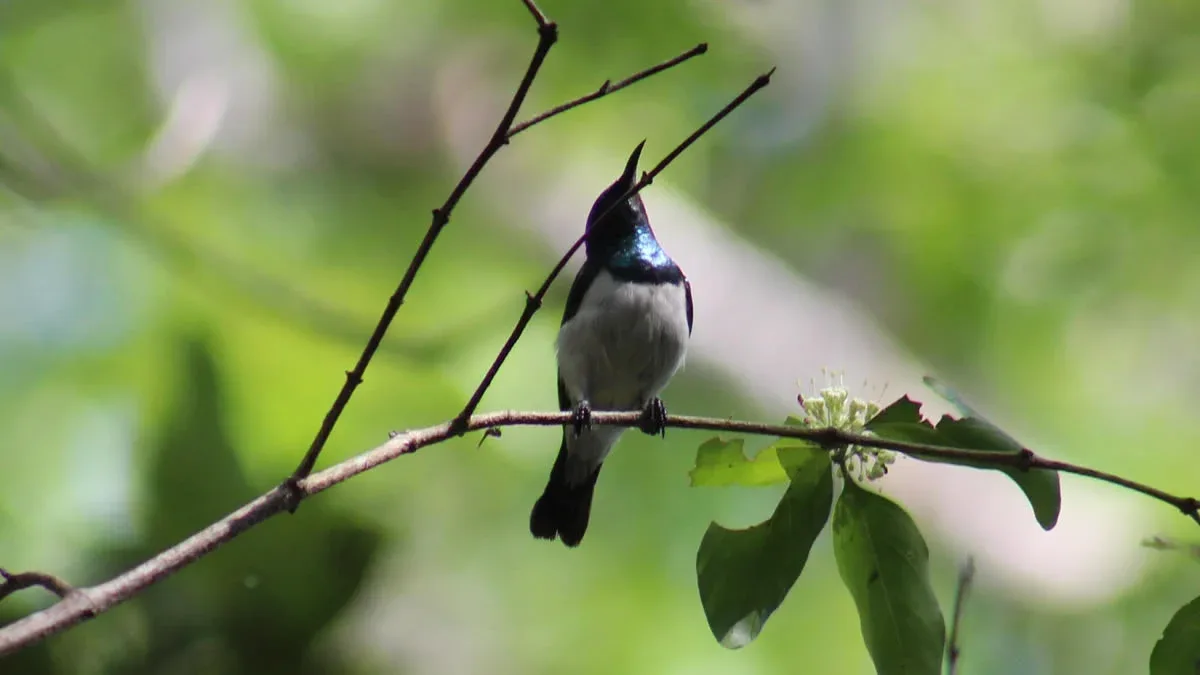
Engage in enlightening tours that spotlight the conservation endeavors safeguarding the reserve and its unparalleled ecosystem. Emphasizing the paramount importance of conservation and sustainable practices, these tours provide valuable insights into ongoing efforts to preserve the biodiversity and ecological integrity of Arabuko Sokoke. Immerse yourself in the ethos of conservation stewardship, understanding how your visit contributes to the long-term protection of this natural treasure.
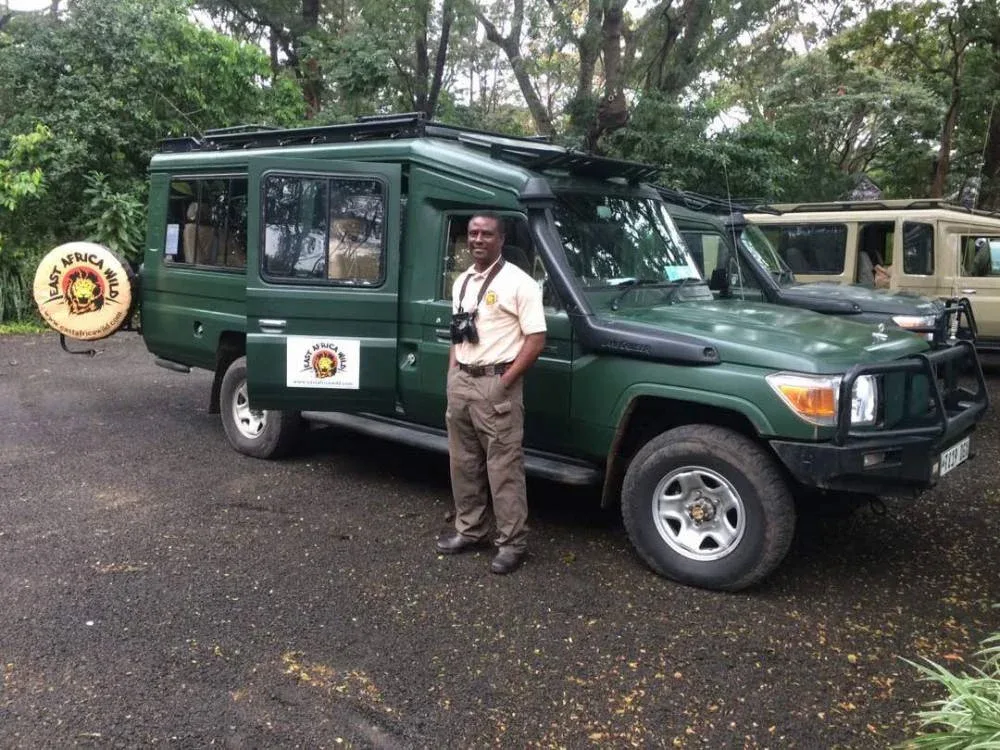
Unlock the ultimate exploration experience with customized private safaris offered by select tour operators. Tailored to your unique interests and preferences, these bespoke adventures empower you to craft a personalized itinerary that reflects your individual desires. From birdwatching expeditions to cultural immersions and everything in between, embark on a journey curated exclusively for you, ensuring an unforgettable exploration of Arabuko Sokoke that resonates with your passions and curiosities.
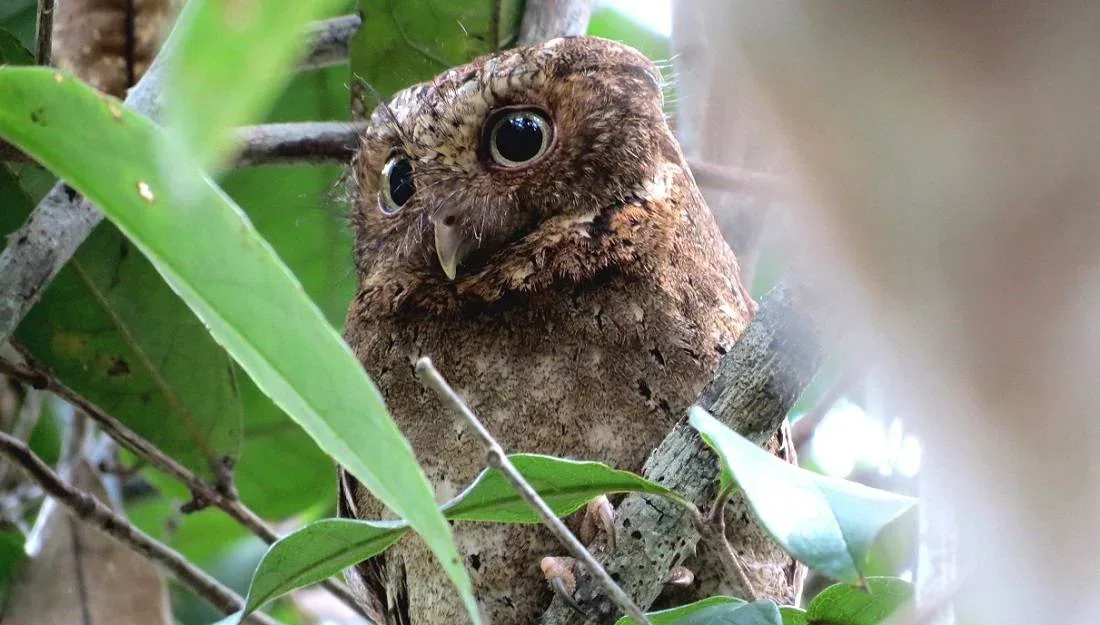
Designed to enlighten visitors about the diverse flora, fauna, and conservation challenges of the reserve, these safaris are perfectly tailored for schools and educational groups. Immerse students in hands-on learning experiences that foster a deeper understanding of Arabuko Sokoke’s ecosystem and the importance of conservation efforts. With expert guidance and interactive activities, these educational safaris inspire the next generation of environmental stewards, nurturing a sense of responsibility towards protecting our natural world.
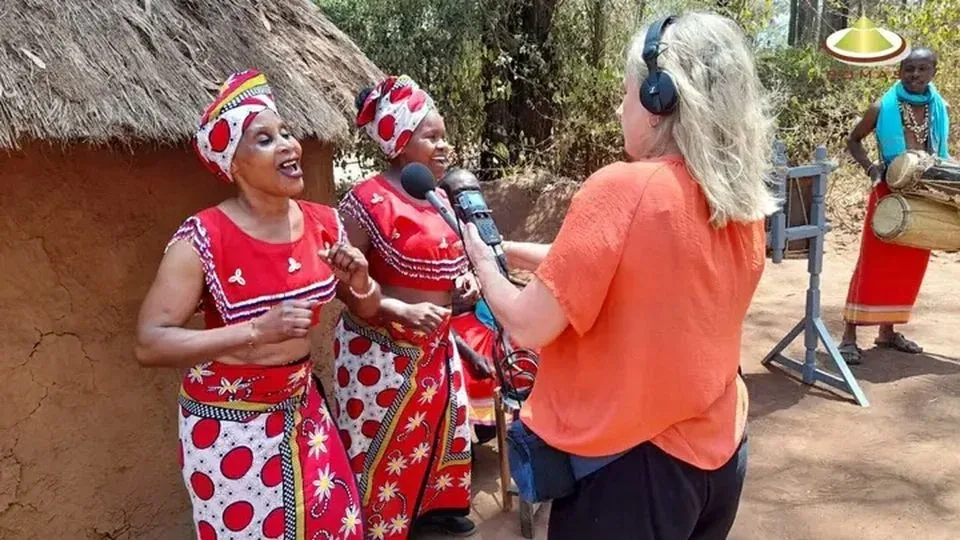
Embark on enriching community-based tours that offer a glimpse into the local way of life while supporting grassroots initiatives. Immerse yourself in the vibrant culture of surrounding communities as you engage in authentic experiences, from traditional crafts and culinary delights to cultural performances and immersive workshops. By participating in these tours, you not only gain valuable insights into local traditions but also contribute to sustainable development and empowerment within the community.

Prolong your adventure with multi-day safaris that seamlessly blend diverse activities and accommodations both within and near the reserve. Immerse yourself in an array of experiences, from thrilling wildlife encounters and guided nature walks to cultural immersions and relaxation in eco-friendly lodges. These carefully curated itineraries ensure a comprehensive exploration of Arabuko Sokoke and its surrounding wonders, promising unforgettable moments and lasting memories of your wilderness journey.
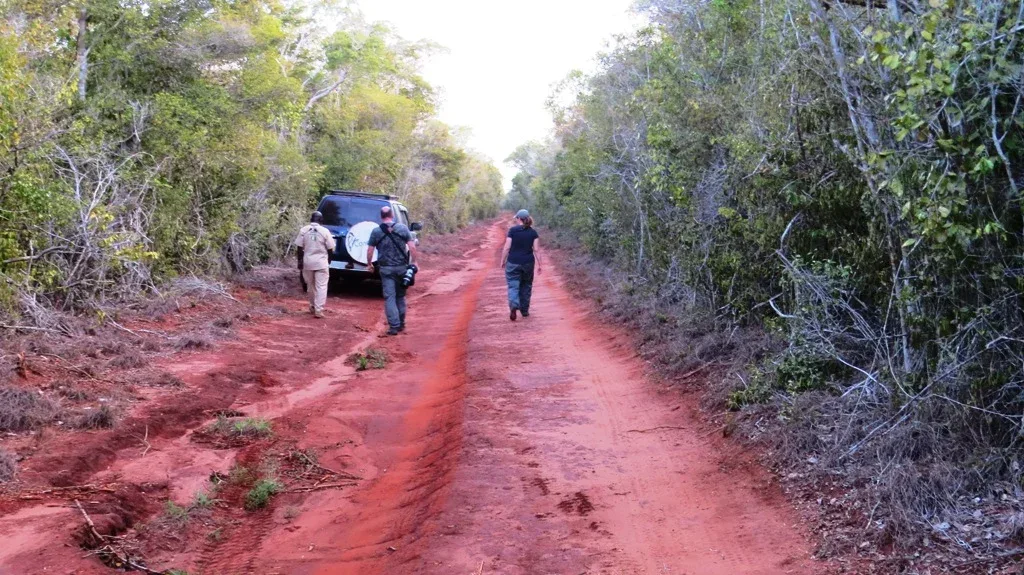
For budget-conscious travelers, opt for cost-effective safari packages that provide an affordable way to experience the reserve’s wonders. These budget-friendly options still deliver exceptional experiences, allowing you to explore the beauty of Arabuko Sokoke without breaking the bank. From guided nature walks to wildlife safaris, discover the richness of the reserve while staying within your budget, ensuring a memorable adventure that doesn’t compromise on quality.

Indulge in unparalleled comfort and personalized service with luxury safaris offering premium accommodations and amenities. Elevate your experience in Arabuko Sokoke with opulent lodges and exclusive services tailored to your every need. From gourmet dining experiences to bespoke wildlife encounters, these luxury safaris promise a level of sophistication and indulgence that surpasses expectations, ensuring an unforgettable journey through the pristine wilderness in style and comfort.
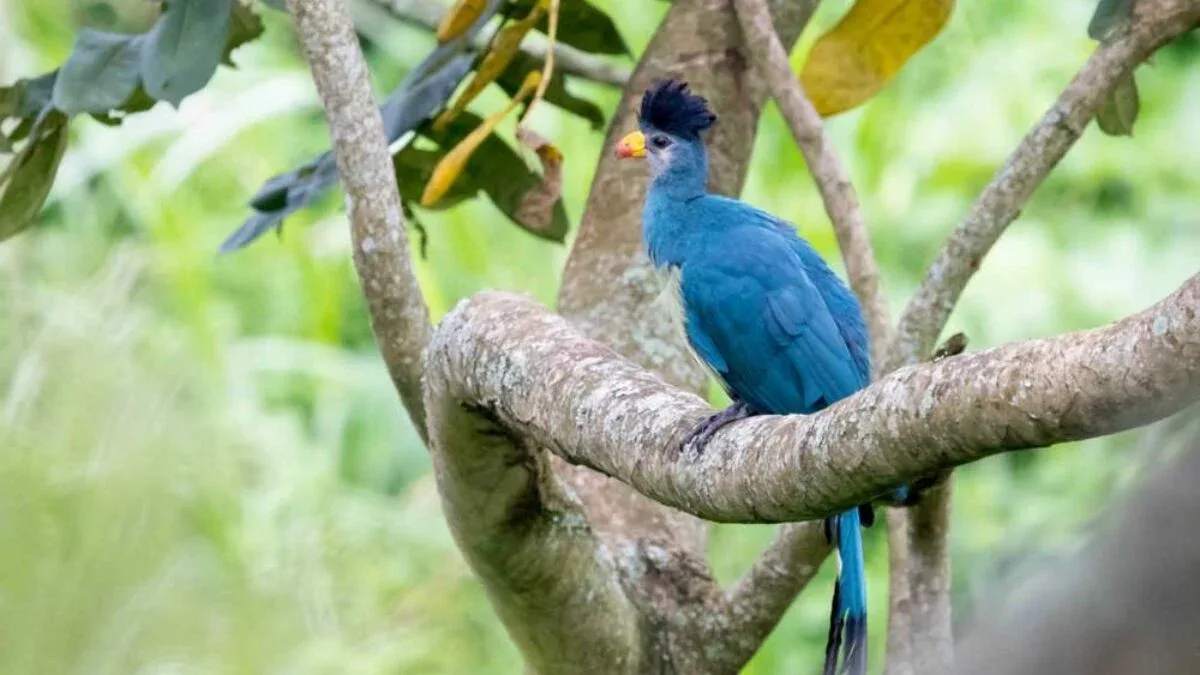
Embark on specialized safaris that focus on bird ringing and research activities, offering participants a unique opportunity to contribute directly to ongoing conservation efforts. Engage in hands-on experiences alongside expert researchers as you assist in the monitoring and study of avian populations within Arabuko Sokoke. By participating in bird ringing and research activities, you play a vital role in advancing scientific knowledge and conservation initiatives while immersing yourself in the captivating world of ornithology.

Arabuko Sokoke Forest Reserve is nestled on the Kenyan coast, in close proximity to the towns of Malindi and Watamu. This prime location makes it easily accessible for visitors seeking to explore the reserve’s rich biodiversity and captivating landscapes.
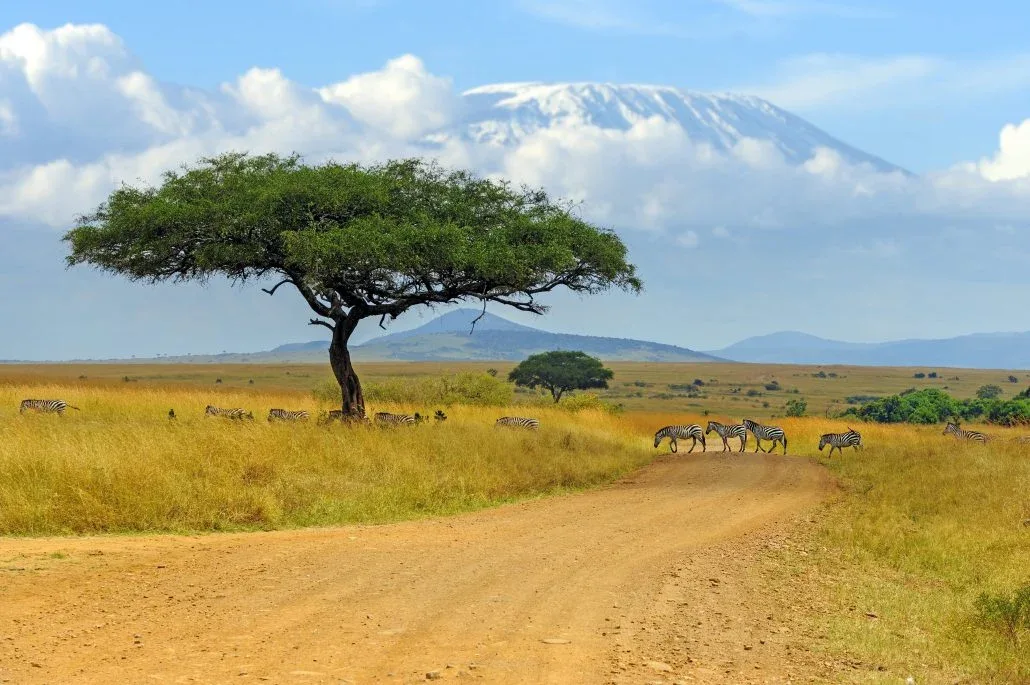
Arabuko Sokoke Forest Reserve is renowned as one of the last vestiges of the coastal forests of East Africa. Encompassing a mosaic of diverse ecosystems, from dense forests and open glades to grasslands and mangrove swamps, the reserve is a sanctuary for a rich array of flora and fauna uniquely adapted to its coastal habitat.
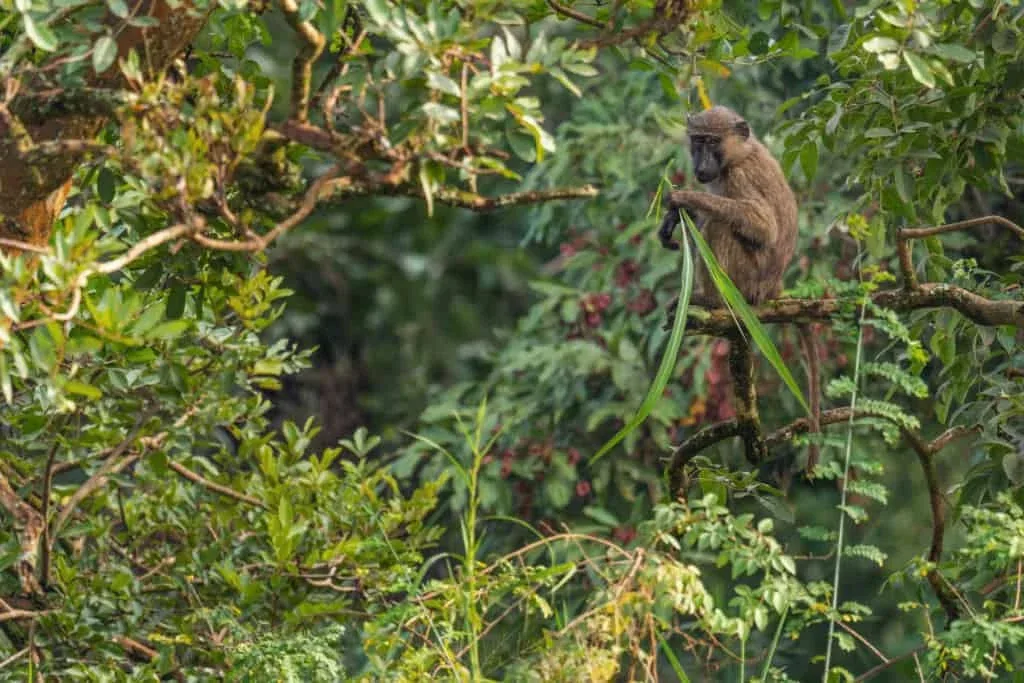
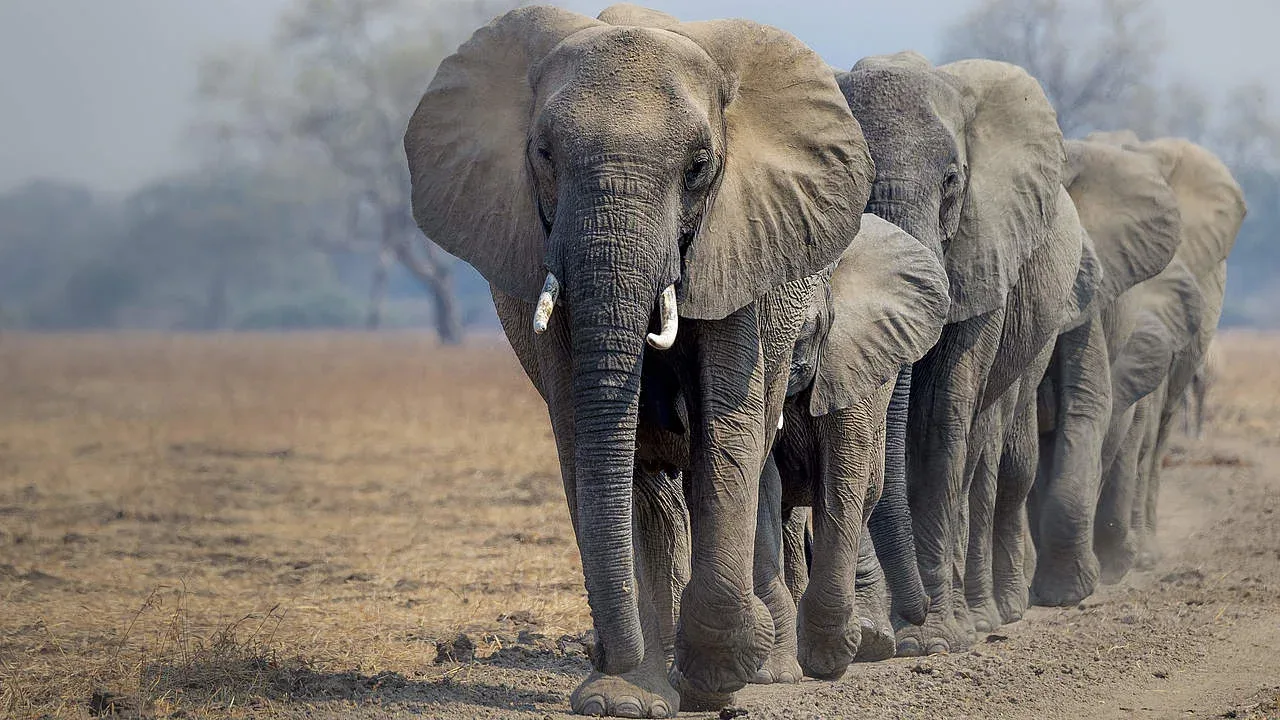
Arabuko Sokoke’s reputation for rich biodiversity is well-deserved, boasting a diverse array of animal species including colobus monkeys, Sykes’ monkeys, and even forest elephants. With over 270 bird species gracing its skies, the reserve is a paradise for avian enthusiasts. Additionally, Arabuko Sokoke is home to numerous plant species, including endemic and rare varieties, further enhancing its ecological significance.
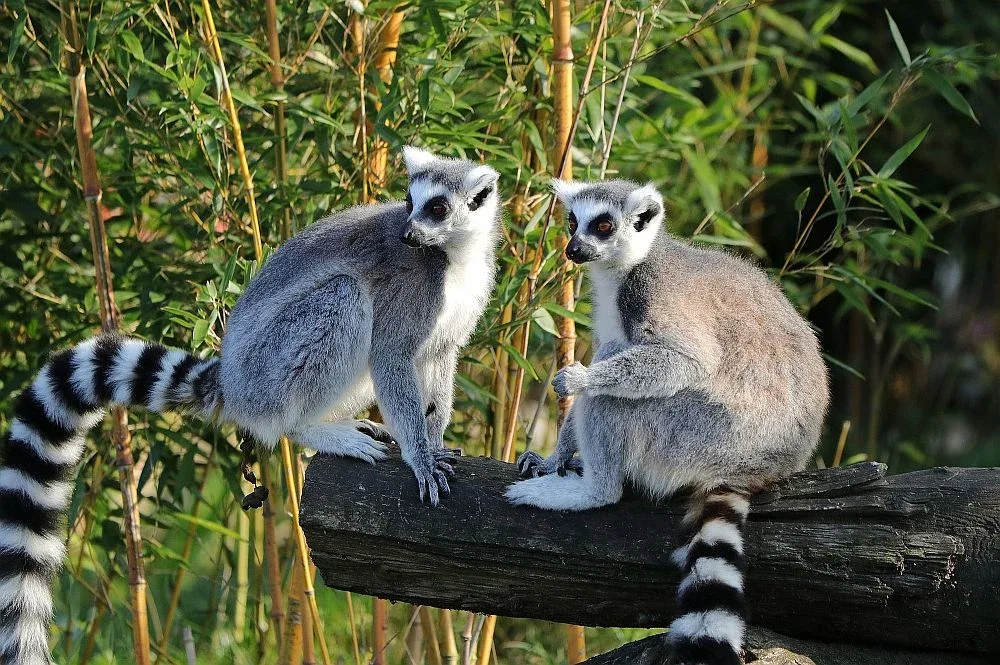
A wide range of accommodations awaits visitors to Arabuko Sokoke, catering to every budget and preference. From budget-friendly lodges and campsites to luxurious upscale options, there’s something for everyone. Opting for eco-friendly lodges not only ensures comfortable accommodations but also supports sustainable tourism practices, allowing you to enjoy your stay while minimizing your environmental footprint and contributing positively to the conservation of the reserve’s natural beauty.

Plan your visit to Arabuko Sokoke Forest Reserve during the dry seasons, typically from June to September and December to February. During these periods, you can expect optimal wildlife viewing opportunities and pleasant weather conditions, enhancing your overall experience of exploring the reserve’s natural wonders.
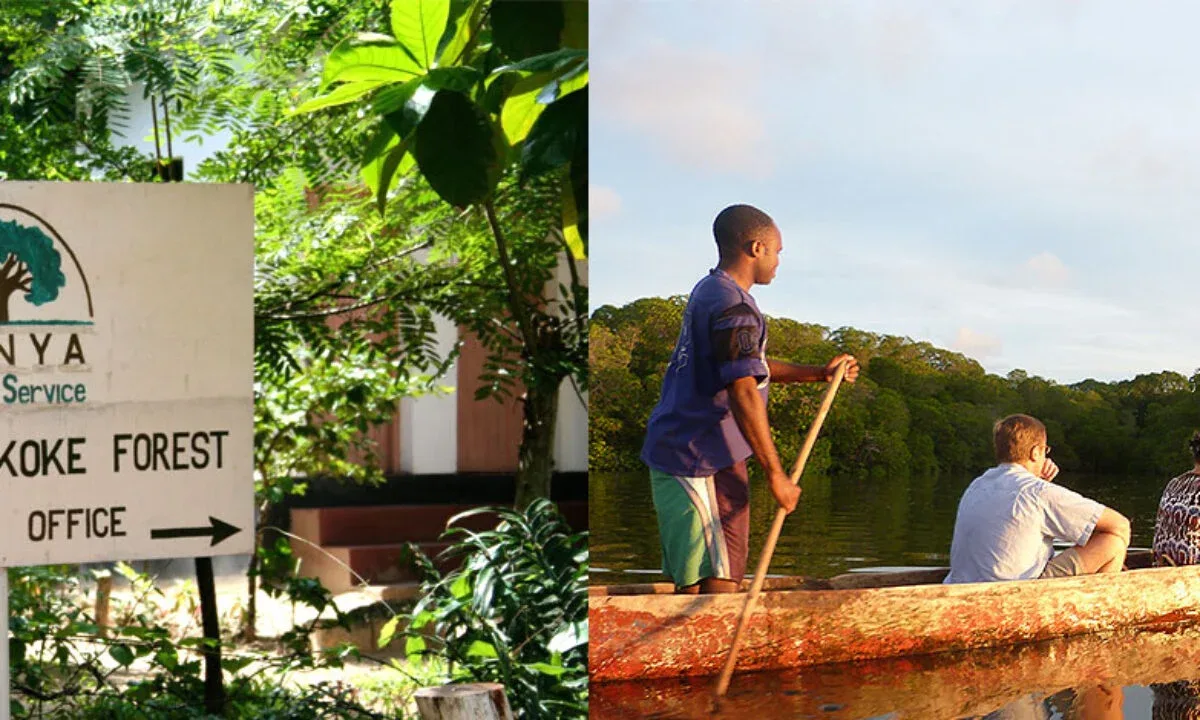
Entrance fees to the reserve are typically implemented to support vital conservation efforts and sustain the local community. By contributing through these fees, visitors play a crucial role in preserving Arabuko Sokoke’s biodiversity and supporting the livelihoods of those who call the surrounding areas home.

While Arabuko Sokoke Reserve is generally safe for tourists, it’s paramount to prioritize safety by adhering to guidelines and respecting the environment. Always follow the guidance of your guides, stay on designated trails, and avoid disturbing wildlife. By practicing responsible tourism and respecting the natural habitat, you can ensure a safe and enjoyable experience for yourself and future visitors.
Booking your safari with a reputable tour operator or guide is highly advisable to ensure a well-organized and enjoyable experience. Look for operators with a proven track record of professionalism, safety, and sustainability practices. By entrusting your adventure to experienced guides, you can rest assured that every aspect of your safari, from itinerary planning to on-the-ground logistics, will be expertly handled, allowing you to focus on immersing yourself in the wonders of Arabuko Sokoke with peace of mind.


