
Experience Katonga Wildlife, Beyond Your Imagination
Set out on immersive, nature-focused safaris in Katonga Wildlife Reserve, thoughtfully crafted through more than two decades of hands-on experience and strong local partnerships. Each journey is designed to create meaningful connections—leaving a positive mark on travellers, preserving the landscape, and supporting the communities that depend on it.
25+ years of expertise in 15 Africa Countries
1000+ thoughtfully selected travel partners
200,000+ travellers, many of whom return year after year

Why Travel With Exodussafaris?
25 Years of Safari Expertise
With more than 25 years of experience, we design tailor-made African safaris built on first-hand insight and trusted relationships across the continent.
We Know Because We Go
Our long-standing presence in Africa gives us unmatched knowledge of destinations, lodges, activities, and lesser-known highlights worth discovering.
24/7 Support
From your initial enquiry to your journey home, we provide continuous support. Our reliable local partners ensure every detail is handled seamlessly on the ground.
Every Adventure Makes a Difference
Every safari contributes to the preservation of fragile ecosystems and uplifts local communities, creating a positive impact that extends beyond your visit.
Complete Financial Protection
You can travel with confidence knowing your booking is secure, backed by comprehensive financial protection for complete peace of mind.
World-Class Recognition, Trusted by Travellers
Our reputation is built on international recognition and, more importantly, the trust and satisfaction of travellers who continue to choose us.
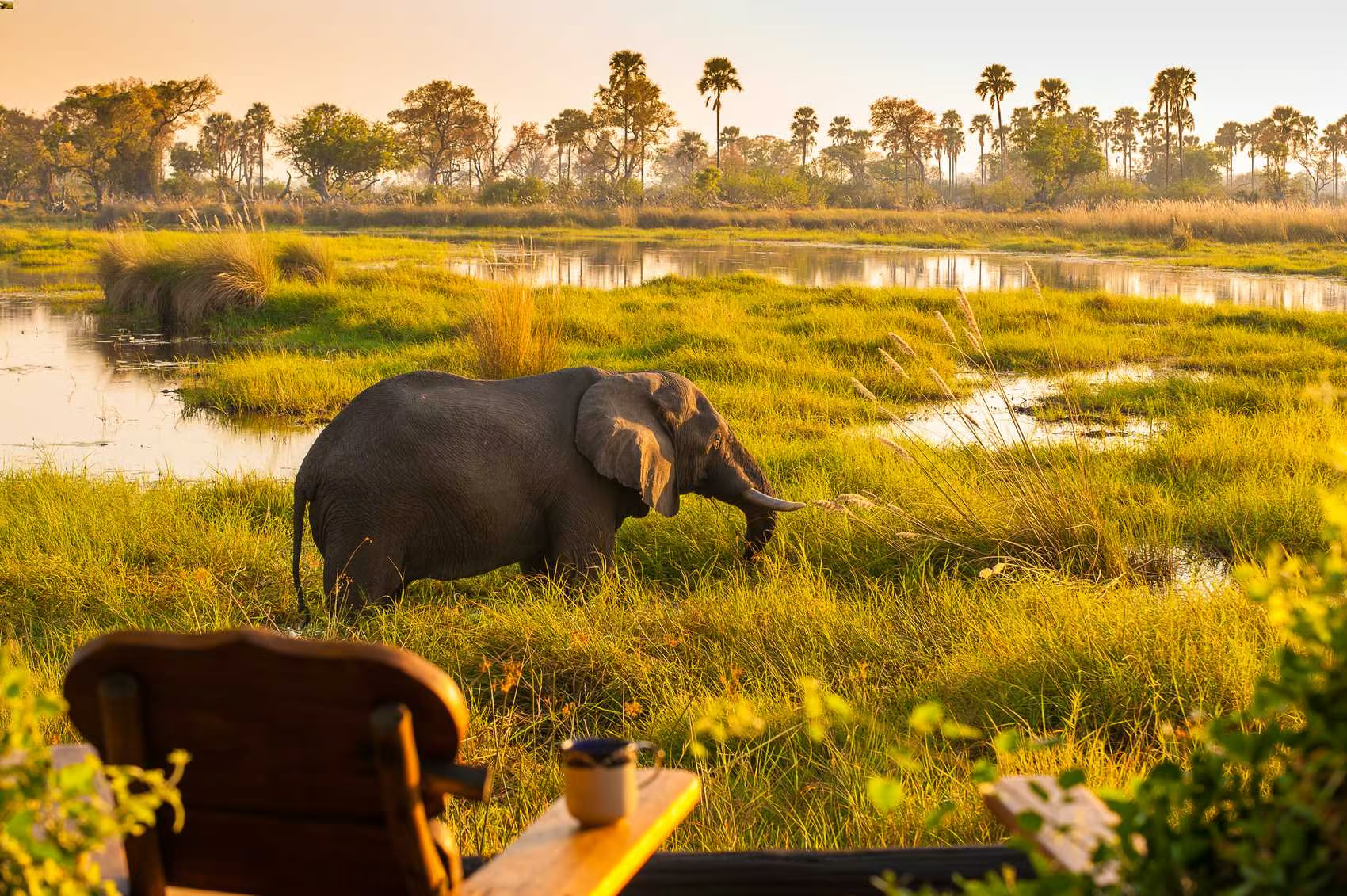
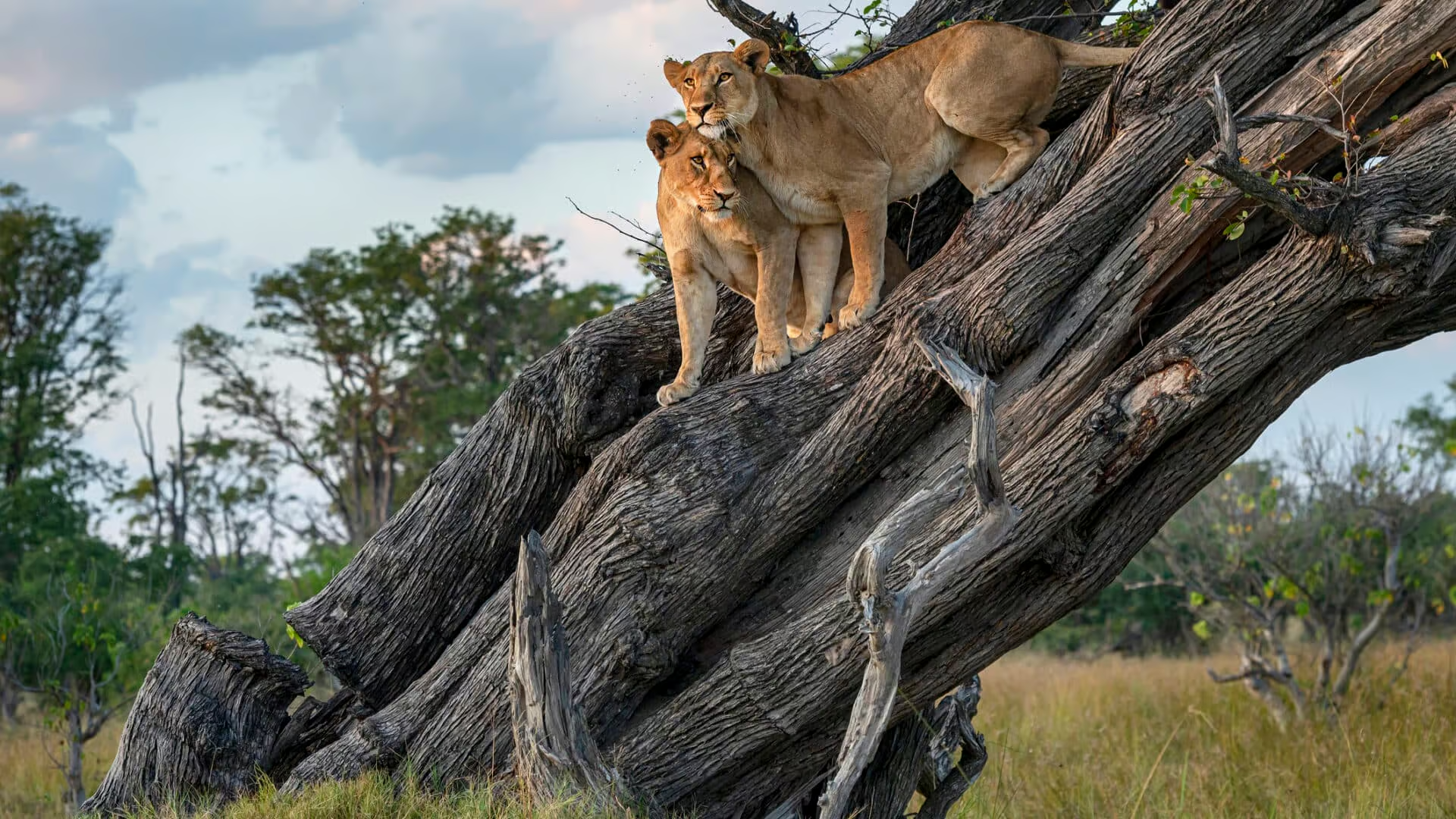
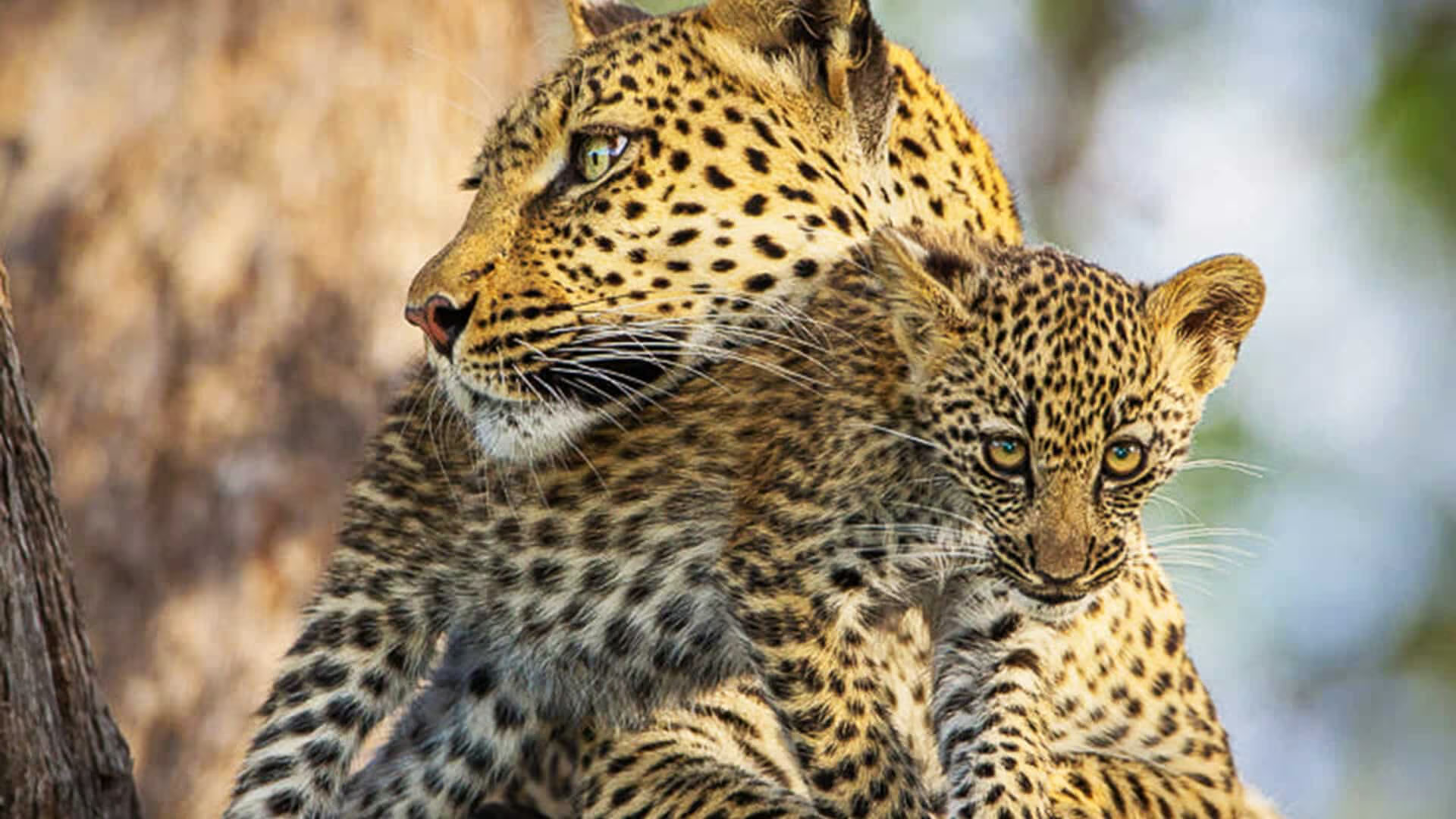
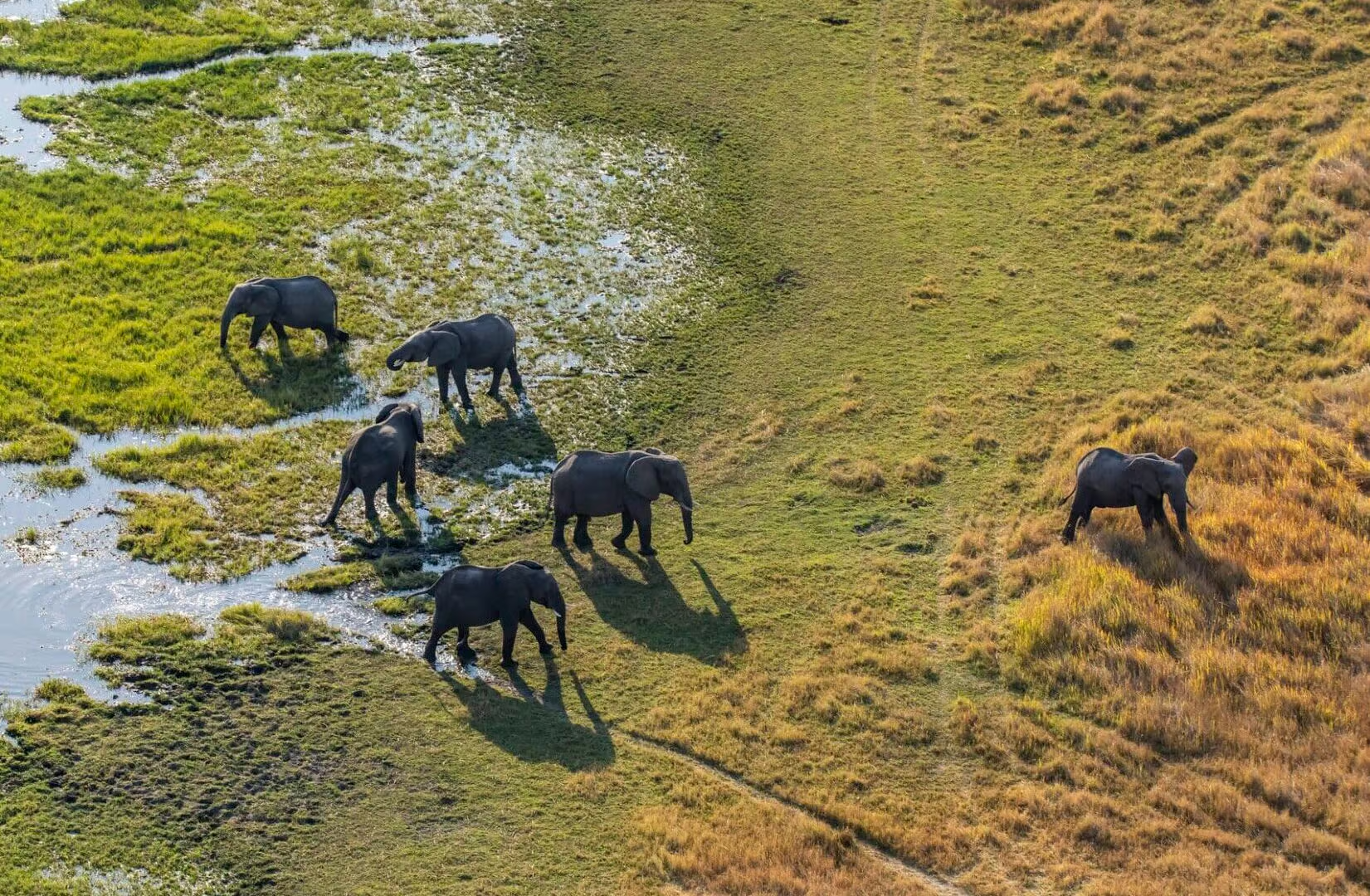
Katonga Wildlife Gallery
Where To Go In Katonga Wildlife
Katonga Wildlife Reserve offers a rich mix of landscapes, waterways, and hidden corners, giving visitors plenty of unique places to explore.
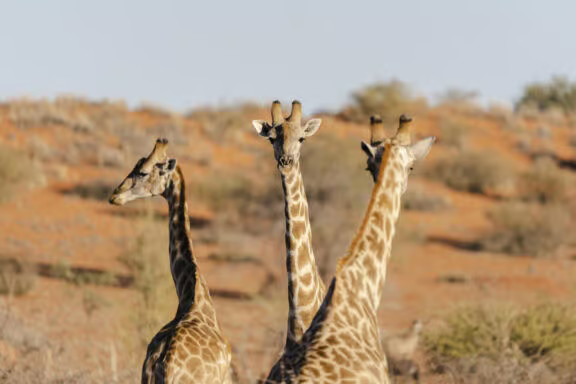
Katonga River
The lifeline of the reserve, the Katonga River winds gently through wetlands and savannah, offering excellent opportunities for canoeing and birdwatching. Its calm waters attract a variety of wildlife, making it ideal for quiet exploration. Visitors can enjoy scenic views while spotting birds and semi-aquatic species. It’s a peaceful setting that captures the reserve’s natural charm.
Kayonza Wetlands
These expansive wetlands are among the most biodiverse areas in the reserve. They are a haven for birdlife, including rare and migratory species. Guided walks reveal unique plant life and hidden animal tracks. The wetlands are especially rewarding for nature photographers.
Katonga Grassland Plains
Open savannah stretches provide prime ground for spotting antelope species like impala and waterbuck. The wide landscapes offer uninterrupted views, perfect for game drives. Predators are less common, making it a calm but rewarding wildlife experience. Sunsets here are particularly striking.
Forest Patches of Katonga
Scattered forested areas within the reserve provide contrast to the open plains. These pockets shelter primates, birds, and smaller mammals. Walking safaris here allow for close-up encounters with nature. The shade and quiet atmosphere make it a refreshing escape.
Lake Wamala Vicinity
Located near the reserve, this area adds a scenic extension to your safari. The lake attracts fishermen and birdlife, creating a lively yet tranquil environment. Visitors can explore both cultural and ecological aspects. It’s ideal for a relaxed excursion.
Kibale Corridor Edge
This transitional zone connects Katonga to other ecosystems, enhancing biodiversity. Wildlife movement through this corridor makes sightings unpredictable but exciting. It’s a great place to observe ecological interactions. Guided tours often reveal hidden wildlife activity.
Riverine Forest Trails
These trails follow the riverbanks, offering shaded walks and rich wildlife encounters. The dense vegetation supports birds, insects, and small mammals. It’s an excellent location for guided nature walks. The sound of flowing water enhances the experience.
Savannah Woodlands
A blend of trees and open grassland creates a diverse habitat. This area supports a mix of grazers and bird species. It’s perfect for those seeking a varied safari setting. The changing scenery keeps exploration engaging.
Seasonal Floodplains
During the rainy season, these plains transform into vibrant ecosystems. Water attracts wildlife and boosts plant growth. Birdlife flourishes, making it a top spot for birdwatching. The landscape shifts dramatically with the seasons.
Papyrus Swamps
Dense papyrus vegetation provides a unique habitat rarely explored in typical safaris. These swamps are home to specialized bird species. Canoe excursions offer a different perspective of the reserve. It’s a quiet and mysterious environment.
Local Community Areas
Bordering the reserve, these areas provide insight into local life. Cultural visits allow travellers to engage with nearby communities. Traditional practices and daily routines add depth to the safari experience. It’s an opportunity for meaningful interaction.
Nature Walk Zones
Designated walking areas offer safe, guided exploration of the reserve. Visitors can track animals, study plants, and learn about ecosystems. These zones are ideal for immersive experiences. Walking safaris bring you closer to nature.
Wildlife Observation Points
Strategically located spots provide excellent vantage points for viewing animals. These areas are often used during game drives. They offer clear views of grazing and movement patterns. Patience here often rewards visitors.
Birdwatching Hotspots
Specific zones within the reserve are known for high bird activity. Early mornings are especially productive. Bird enthusiasts can spot rare and colorful species. Guides help identify calls and behaviors.
Best Time To Visit Katonga Wildlife
The best time to visit Katonga Wildlife Reserve is during the dry seasons, when wildlife is easier to spot and conditions are ideal for exploration.
Katonga Wildlife Safari in January
January is part of the dry season, making it a favorable time for wildlife viewing. Vegetation is less dense, improving visibility across the plains. Temperatures are warm, and rainfall is minimal, allowing for uninterrupted activities. Birdwatching remains rewarding, with several resident species active. Trails are accessible, and canoeing conditions on the river are generally calm.
Katonga Wildlife Safari in February
February continues the dry spell, offering excellent conditions for safaris. Wildlife tends to gather around water sources, increasing sighting opportunities. The weather is warm but manageable, and skies are mostly clear. It’s a great month for photography, especially during early mornings and evenings. Activities such as guided walks and canoeing are highly enjoyable.
Katonga Wildlife Safari in March
March marks the beginning of the long rains, bringing renewed life to the reserve. While wildlife disperses due to abundant water, the scenery becomes lush and vibrant. Birdlife increases significantly, attracting enthusiasts. Some roads may become challenging, but the landscape is at its most picturesque. It’s ideal for travellers who appreciate greenery over game density.
Katonga Wildlife Safari in April
April is one of the wettest months, with frequent rainfall throughout the reserve. The wetlands and floodplains are at their fullest, supporting diverse ecosystems. Wildlife sightings can be less predictable, but the natural beauty is exceptional. Travel conditions may require flexibility due to muddy tracks. It’s a quieter period with fewer visitors.
Katonga Wildlife Safari in May
Rainfall begins to ease in May, although the environment remains lush. Wildlife starts to become more visible as conditions stabilize. Birdwatching is still excellent, with migratory species present. The reserve feels fresh and rejuvenated after the rains. It’s a transitional month offering a balance between scenery and wildlife.
Katonga Wildlife Safari in June
June marks the start of the dry season, making it a prime time for visiting. Vegetation begins to thin, improving wildlife visibility. Cooler temperatures make outdoor activities comfortable. Game drives and walking safaris become more productive. It’s an excellent time for a well-rounded safari experience.
Katonga Wildlife Safari in July
July offers some of the best safari conditions in the reserve. Dry weather ensures easy access to most areas. Wildlife congregates near water sources, increasing sighting chances. The cooler climate is ideal for extended exploration. Birdwatching remains good, though less intense than in wetter months.
Katonga Wildlife Safari in August
August continues the dry season with stable weather conditions. The reserve’s landscapes are open, enhancing game viewing opportunities. Animals are easier to track, especially during guided walks. The clear skies are perfect for photography. It’s a popular time for visitors seeking reliable safari conditions.
Katonga Wildlife Safari in September
September is another excellent dry-season month. Wildlife activity remains high as animals depend on limited water sources. The environment is dry but still visually appealing. Temperatures begin to rise slightly, especially during the day. It’s a great time for both game drives and river-based activities.
Katonga Wildlife Safari in October
October brings warmer temperatures as the dry season peaks. Wildlife sightings are still strong, though conditions can feel hotter. The landscape appears more arid, creating dramatic scenery. It’s a good time for experienced travellers who don’t mind the heat. Early morning and late afternoon activities are recommended.
Katonga Wildlife Safari in November
November signals the return of short rains, refreshing the reserve. The landscape begins to green again, and wildlife disperses slightly. Birdlife becomes more active with the arrival of migratory species. Occasional showers may affect travel plans. It’s a quieter period with fewer crowds.
Katonga Wildlife Safari in December
December offers a mix of dry and wet conditions, depending on timing. The scenery is green and lively, with good birdwatching opportunities. Wildlife sightings can vary but remain rewarding. Festive travel demand may increase visitor numbers. It’s a pleasant time for those seeking a balanced experience.
Our Recommended Activities In Katonga Wildlife
Explore our recommended experiences in Katonga Wildlife and find your perfect way to connect with its natural beauty.
Chief’s Island
Moremi Game Reserve
Makgadikgadi Pans
Chobe National Park and Savuti Marsh
Khwai
Chief’s Island
Our Recommended Activities In Katonga Wildlife
Explore our recommended experiences in Katonga Wildlife and find your perfect way to connect with its natural beauty.
Chief’s Island
Moremi Game Reserve
Makgadikgadi Pans
Chobe National Park and Savuti Marsh
Khwai
Chief’s Island
Safari Lodges, Tented Camps and Villas
in Katonga Wildlife
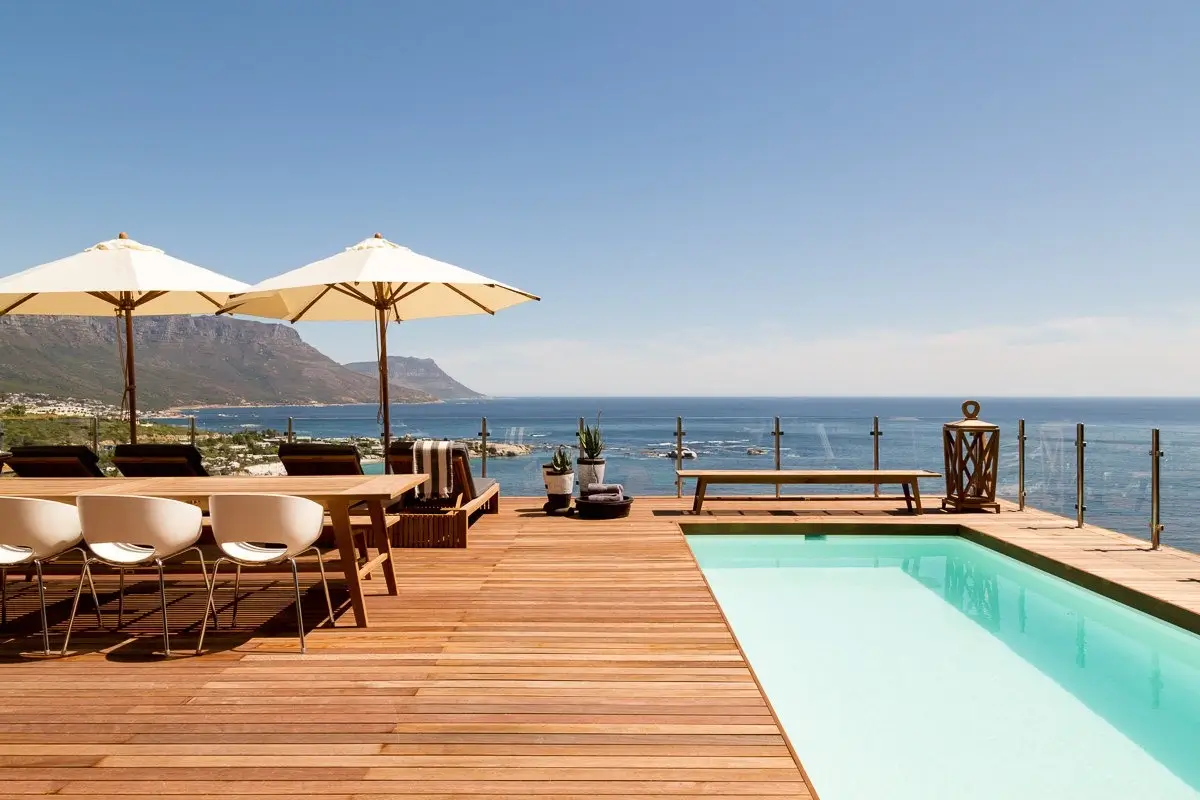
Savute Elephant Lodge, A Belmond Safari
- Botswana Chobe National Park
Belmond Savute Elephant Lodge is a luxury lodge in Chobe National Park known for its...

Luxury
African Bush Camps Atzaro Okavango Camp
- Botswana
Welcome to Atzaro Okavango, a premier safari destination that offers sustainable luxury in the heart...
Luxury
Cha Cha Metsi
- Botswana Okavango Delta
Explore our most popular safaris in Botswana and experience the magic of its untouched wilderness.cvbcccccccccccccccccccccc
Luxury
What You Need To Know About Katonga Wildlife Safaris
Find everything you need to know to plan your Katonga Wildlife adventure, from travel tips to essential insights for an unforgettable trip.
Katonga Wildlife Food and Tipping Practices
Meals on safari typically combine international cuisine with local Ugandan flavors, often prepared fresh at lodges or camps. Dietary requirements can usually be accommodated with prior notice. Tipping is appreciated but not mandatory, with guides, drivers, and lodge staff commonly receiving gratuities. A general guideline is to tip based on service quality and duration of stay. Small denominations are useful for convenience.
Katonga Wildlife Food and Tipping Practices
Cost of a Katonga Wildlife Safari
Safari costs vary depending on accommodation level, duration, and activities included. Budget options are available, but mid-range and luxury experiences provide more comfort and guided services. Prices usually cover accommodation, meals, park fees, and some activities. Transport and specialized excursions may cost extra. Planning ahead helps secure better rates and availability.
Cost of a Katonga Wildlife Safari
Packing List for Katonga Wildlife
Pack lightweight, breathable clothing in neutral colors suitable for warm days and cooler mornings. Include sturdy walking shoes, a hat, sunscreen, and insect repellent. A waterproof jacket is useful during rainy months. Binoculars and a camera enhance wildlife viewing. Personal essentials and any required medications should also be carried.
Packing List for Katonga Wildlife
Climate in Katonga Wildlife
The reserve experiences a tropical climate with distinct wet and dry seasons. Temperatures remain warm year-round, with cooler mornings and evenings. Rainfall occurs mainly between March to May and October to November. Humidity can be high, particularly in wet months. Weather conditions influence wildlife movement and accessibility.
Climate in Katonga Wildlife
Languages in Katonga Wildlife
English is widely spoken, especially in tourism settings, making communication easy for most visitors. Local languages such as Luganda are also commonly used by communities around the reserve. Guides are typically fluent in English and knowledgeable about the area. Cultural interactions may introduce visitors to additional regional dialects. Basic greetings in local languages are appreciated.
Languages in Katonga Wildlife
Is Katonga Wildlife Safe?
Katonga Wildlife Reserve is generally safe for visitors when standard precautions are followed. Guided activities are recommended to ensure safety and enhance the experience. Lodges and camps prioritize guest security and provide necessary guidance. Travellers should follow instructions from guides, especially during wildlife encounters. As with any destination, staying aware and prepared ensures a smooth visit.
Is Katonga Wildlife Safe?
What People Say About Us
We are the leading travel agency offering different programs and higher education diplomas that are designed with global requirements in mind.
Unforgettable Safari Experience!
— Jennifer L., USA
Incredible Service from Start to Finish
— Thomas K., Germany
Wildlife Like You’ve Never Seen!
— Sarah M., Australia
Perfect for First-Time Safari Travelers
— Mark & Ellie B., UK
A Dream Honeymoon!
— Nadia & Carlos R., Spain
Blog and articles
Latest travel tips and blog covering all travel experiences. Check out our mentions in different guides and articles.
Our Trusted Safari Partners in Africa
Latest travel tips and blog covering all travel experiences. Check out our mentions in different guides and articles.