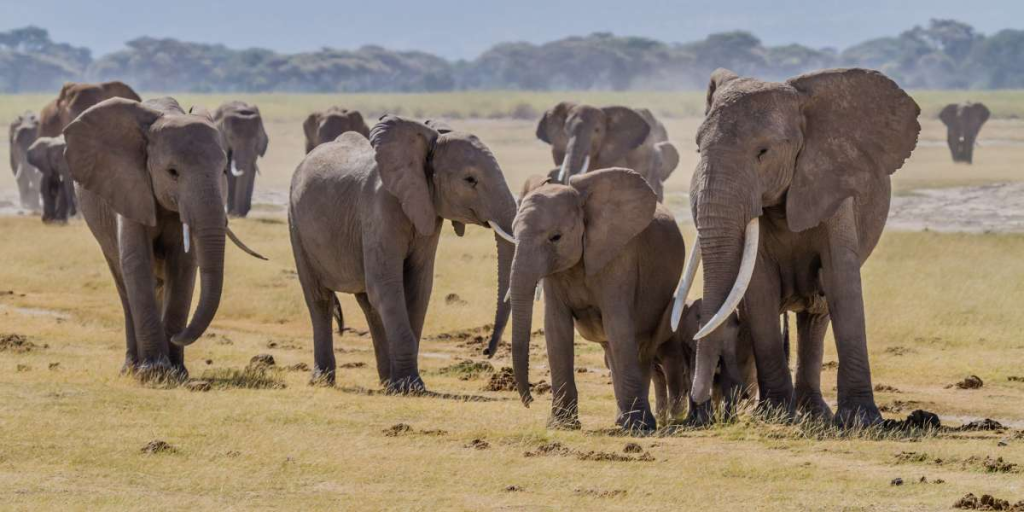
Elephants are among the most iconic and awe‑inspiring creatures on Earth, captivating the hearts of wildlife enthusiasts, photographers, and travellers alike. As the largest land animals, they are renowned for their intelligence, complex social structures, and remarkable memory. Yet, despite their magnificence, African elephants face significant threats from habitat loss, poaching, and human‑wildlife conflict, which have reduced their populations in certain areas.
Fortunately, Africa remains home to the largest elephant populations in the world, offering countless opportunities to observe these gentle giants in their natural habitats. From the open savannahs of East Africa to the dense rainforests of Central Africa, the continent boasts a wealth of exceptional elephant‑viewing destinations. This comprehensive guide will lead you through the most remarkable places in Africa where you can witness elephants in the wild.
Understanding Africa’s Elephants
Africa is home to two distinct species of elephants: the savannah elephant (Loxodonta africana) and the smaller, more elusive forest elephant (Loxodonta cyclotis). Savannah elephants roam the open plains and woodlands of eastern and southern Africa, while forest elephants inhabit the dense tropical rainforests of Central and West Africa. Both species are vital to their ecosystems, shaping landscapes and supporting biodiversity through their feeding and migratory behaviours.
Top Destinations for Elephant Viewing in Africa
1. Amboseli National Park, Kenya
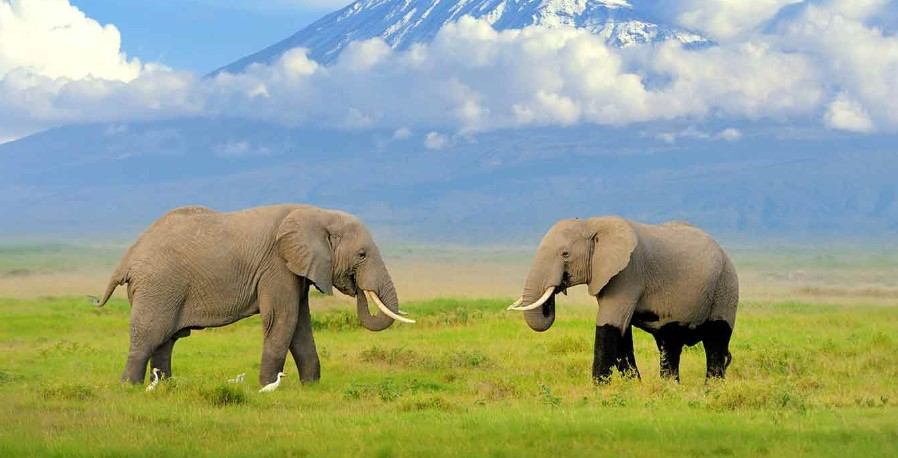
Amboseli National Park is widely regarded as one of the best places in Africa to see elephants up close. Located in southern Kenya, with Mount Kilimanjaro towering majestically in the background, Amboseli offers an unparalleled safari experience. The park is famous for its large elephant herds, often comprising multi‑generational families, and is home to some of Africa’s last remaining “super tuskers” – elephants with exceptionally long tusks that can reach over six feet in length.
Highlights:
- Iconic views: Watching elephants roam the open plains with the snow‑capped peak of Kilimanjaro in the background creates one of Africa’s most iconic photographic opportunities.
- Super tuskers: Amboseli is renowned for its population of old bulls with massive tusks, including the legendary Craig, who lived to 54 before passing away in 2026.
- Research and conservation: The Amboseli Trust for Elephants has been studying these elephants since 1972, making them among the most studied elephant populations in the world.
Best time to visit: June to October and January to March, when the dry weather offers the clearest views of Kilimanjaro and excellent game viewing.
2. Chobe National Park, Botswana
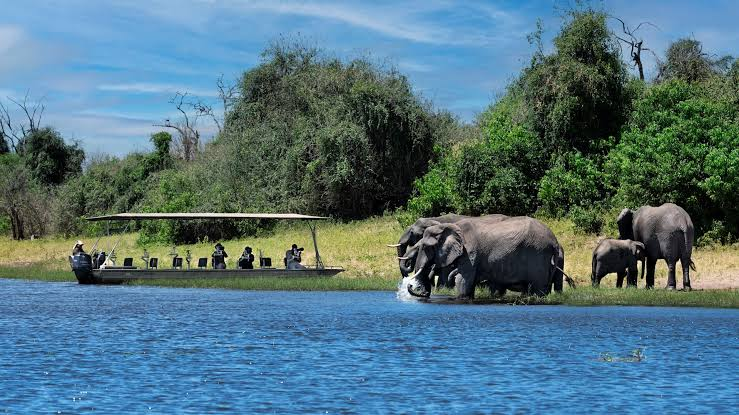
Chobe National Park is the undisputed elephant capital of the world. Home to an estimated 120,000 elephants – nearly a third of Africa’s entire elephant population – Chobe offers the highest concentration of elephants on the continent. The park’s location in northern Botswana, along the Chobe River, provides a unique water‑based perspective on elephant viewing.
Highlights:
- Boat safaris: A sunset cruise along the Chobe River offers front‑row views of herds of elephants drinking, bathing, and swimming – sometimes in groups of over 100 individuals.
- Massive herds: During the dry season (May to October), thousands of elephants gather along the river, making it one of the most spectacular wildlife spectacles in Africa.
- Diverse activities: In addition to boat safaris, visitors can enjoy 4×4 game drives through the floodplains and explore the surrounding Linyanti reserves.
Best time to visit: May to October, during the dry season when elephant concentrations are at their peak.
3. Addo Elephant National Park, South Africa
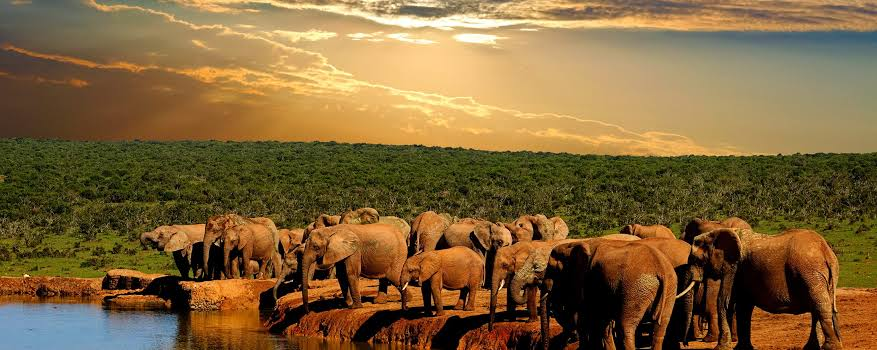
Addo Elephant National Park, located in South Africa’s Eastern Cape, is a remarkable conservation success story. Established in 1931 to protect a remnant population of just 11 elephants, the park now shelters over 600 elephants. It is the only park in the world to feature the “Big Seven” – the traditional Big Five (lion, leopard, elephant, rhino, and buffalo) plus the southern right whale and great white shark.
Highlights:
- Close encounters: Addo offers intimate safari experiences, with elephants often gathering at waterholes where visitors can observe them at close range.
- Year‑round viewing: Unlike many parks, Addo provides excellent elephant viewing throughout the year.
- Family‑friendly: The park is malaria‑free and offers a range of activities, including game drives, horse riding, and 4×4 trails.
Best time to visit: May to September, during the cooler dry season.
4. Hwange National Park, Zimbabwe
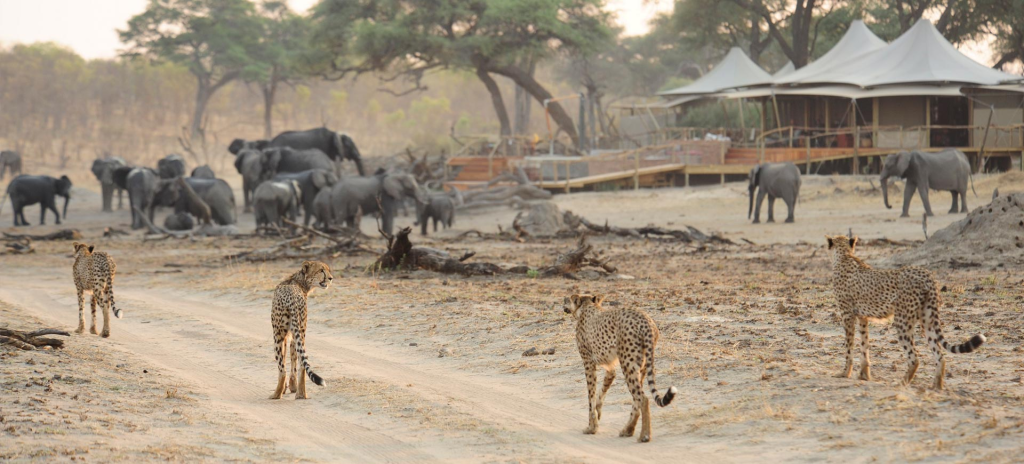
Hwange National Park is Zimbabwe’s largest national park and one of Africa’s premier elephant destinations. Covering over 14,600 square kilometres, Hwange is home to approximately 45,000 elephants during the dry season, making it one of the largest elephant populations in Africa.
Highlights:
- Waterhole viewing: Hwange has no natural permanent water sources, so pumped boreholes attract vast herds of elephants, especially during the dry season.
- Spectacular sightings: Herds of up to 45,000 elephants gather in the park, offering some of the most dramatic elephant viewing in Africa.
- Unique experiences: Many camps, such as Somalisa Camp, offer log‑pile hides where guests can observe elephants drinking at waterholes without leaving camp.
Best time to visit: June to October, during the dry season when elephants congregate around water sources.
5. Tarangire National Park, Tanzania
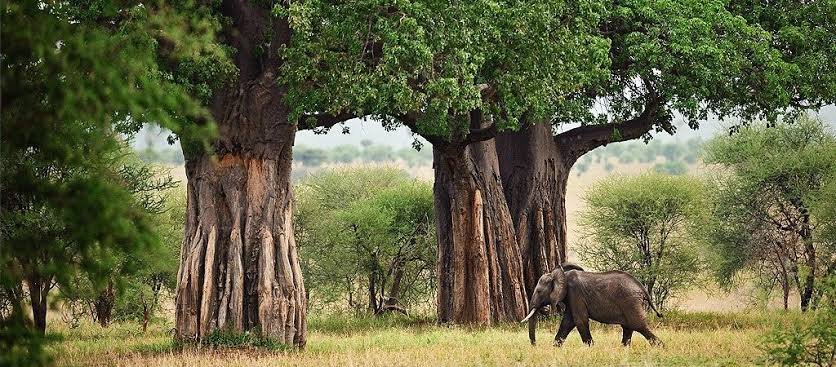
Tarangire National Park is a hidden gem for elephant lovers, offering some of the highest elephant concentrations in Tanzania. With approximately 2,500 to 3,000 elephants, the park is famous for its large herds, which can number up to 300 individuals. The park’s ancient baobab trees provide a striking backdrop to the elephant herds.
Highlights:
- Dry season gatherings: During the dry season (June to October), thousands of elephants migrate to the Tarangire River, creating incredible viewing opportunities.
- Less crowded: Tarangire receives fewer visitors than Tanzania’s more famous parks, offering a more intimate experience.
- Scenic landscapes: The combination of baobab trees, open savannah, and elephant herds creates a photographer’s paradise.
Best time to visit: June to October, for the highest elephant concentrations.
6. Samburu National Reserve, Kenya
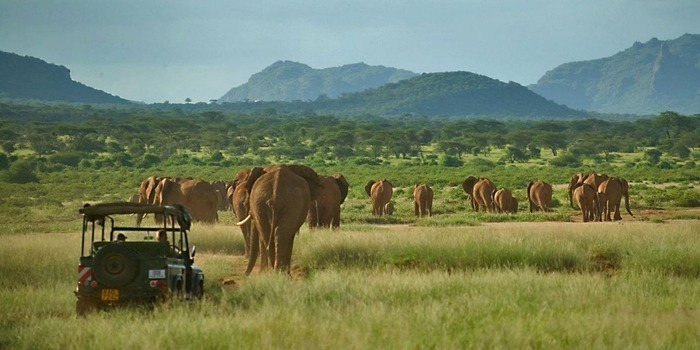
Samburu National Reserve in northern Kenya offers a unique elephant experience in a rugged, arid landscape. The reserve is home to the headquarters of Save the Elephants, making its elephants among the most studied in the world.
Highlights:
- Elephant conservation: Visitors can learn about elephant collaring programmes and conservation efforts at the Save the Elephants visitors’ centre.
- Reteti Elephant Sanctuary: Nearby, the Reteti Elephant Sanctuary rescues and rehabilitates orphaned elephant calves, offering a chance to learn about elephant care.
- Unique encounters: The unfenced Elephant Bedroom Camp allows elephants to wander freely, often greeting guests with sightings when they unzip their tents in the morning.
Best time to visit: June to October, during the dry season.
7. Ngorongoro Crater, Tanzania
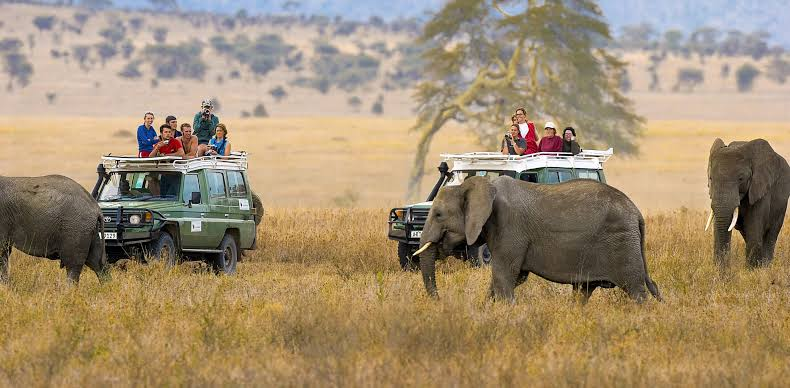
The Ngorongoro Crater, a UNESCO World Heritage site, offers a unique opportunity to see some of Africa’s oldest and largest “tuskers” – bull elephants with enormous tusks. While breeding herds are rare in the crater, it is home to some of the biggest tusker elephants still alive in Africa.
Highlights:
- Old bull elephants: The crater’s well‑protected environment allows elephants to reach old age, with tusks that can exceed six feet in length.
- Scenic setting: The crater’s walls create a dramatic backdrop for game viewing.
- Exclusive experience: The crater’s limited access ensures a more intimate wildlife experience.
Best time to visit: June to October, during the dry season.
8. Mana Pools National Park, Zimbabwe
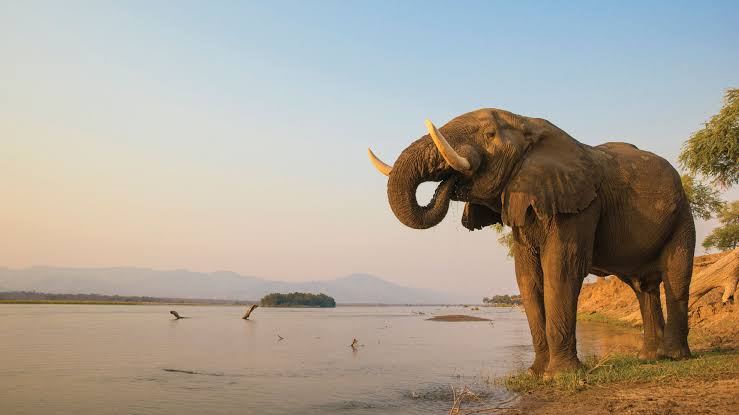
Mana Pools National Park, a UNESCO World Heritage site, is renowned for its exceptional elephant sightings. The park is famous for its large bull elephants, which are known to balance on their hind legs to reach seed pods in the winterthorn trees.
Highlights:
- Unique behaviour: Watching elephants stretch up on their hind legs to feed is a sight unique to Mana Pools.
- Varied safari experiences: Visitors can explore the park on game drives, walking safaris, and canoe trips.
- Atmospheric setting: The park’s floodplains and shaded winterthorn trees create a beautiful and intimate safari environment.
Best time to visit: July to October, during the dry season.
9. Tsavo National Parks, Kenya
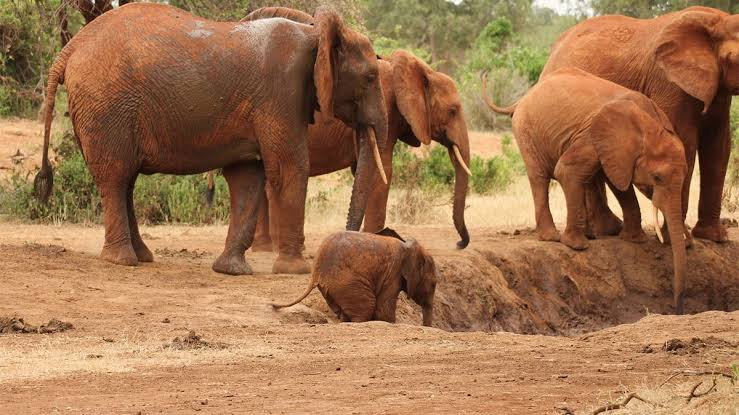
Tsavo East and Tsavo West National Parks together form Kenya’s largest national park system, covering over 22,000 square kilometres. The parks are famous for their large elephant herds, particularly the iconic “red elephants” of Tsavo East, whose distinctive reddish colour comes from dust bathing in the region’s iron‑rich soil.
Highlights:
- Red elephants: The elephants of Tsavo East are famous for their striking red colouring.
- Remote wilderness: Tsavo offers a more authentic and less crowded safari experience.
- Diverse landscapes: Tsavo West features volcanic hills, natural springs, and the Mzima Springs underwater viewing chamber.
Best time to visit: June to October and December to March, during the dry seasons.
10. Dzanga‑Sangha National Park, Central African Republic
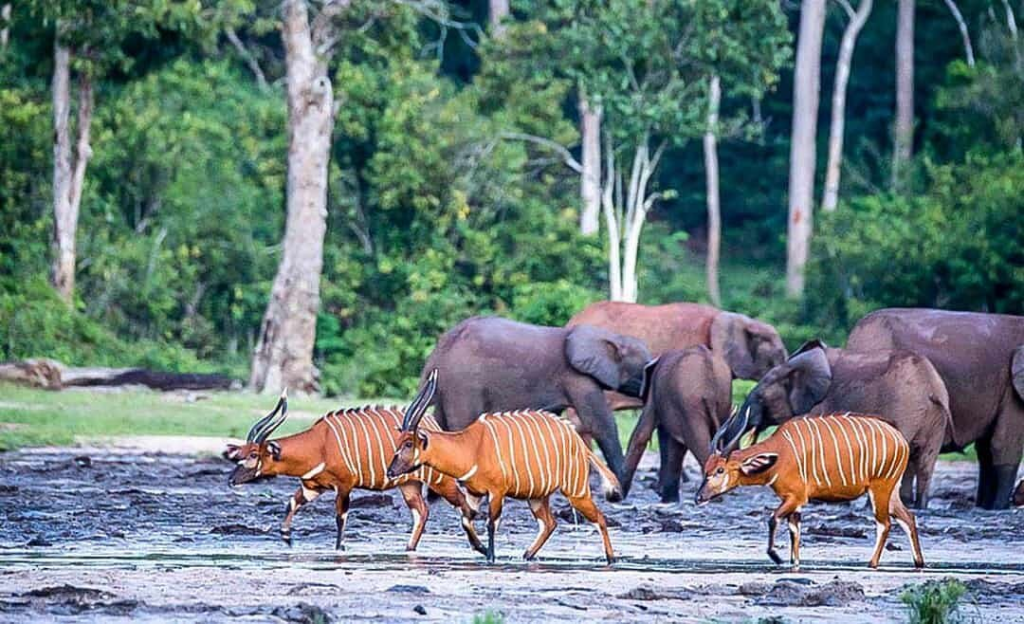
For those seeking a truly off‑the‑beaten‑path adventure, Dzanga‑Sangha National Park in the Central African Republic offers a rare opportunity to see forest elephants in their natural habitat. The park’s Dzanga Bai – a mineral‑rich forest clearing – is one of the only places in the world where visitors can observe hundreds of forest elephants gathering in the open.
Highlights:
- Forest elephants: The park is home to the elusive forest elephant (Loxodonta cyclotis), which is smaller and more secretive than its savannah cousin.
- Dzanga Bai: This exceptional clearing can draw up to 200 elephants at a time, offering unparalleled viewing opportunities.
- Biodiversity: The park also supports western lowland gorillas, chimpanzees, bongos, and forest buffaloes.
Best time to visit: December to February, when the weather is drier and elephant activity is at its peak.
Practical Tips for Elephant Viewing
- Book in advance: Popular elephant destinations and lodges fill up quickly, especially during the dry season.
- Pack appropriately: Neutral‑coloured clothing, a wide‑brimmed hat, sunscreen, and insect repellent are essential.
- Bring binoculars and a camera: A good pair of binoculars and a camera with a zoom lens will enhance your experience.
- Respect wildlife: Never approach elephants on foot or attempt to feed them. Follow your guide’s instructions at all times.
- Choose the right season: The dry season (June to October) generally offers the best elephant viewing, as animals congregate around water sources.
Conclusion
Africa offers an extraordinary array of destinations for observing elephants in the wild, from the iconic herds of Amboseli to the remote forest clearings of Central Africa. Whether you choose to explore the savannahs of East Africa, the riverbanks of Botswana, or the rainforests of the Congo Basin, each destination provides a unique and unforgettable encounter with these magnificent creatures.
By visiting these remarkable places, travellers not only experience the wonder of elephants in their natural habitats but also contribute to the conservation efforts that are vital to their survival. With increasing awareness and responsible tourism, the future of Africa’s elephants remains bright, ensuring that generations to come can continue to marvel at these gentle giants.