Africa hosts some of the most classic wildlife and spectacular scenery in the world and is at the forefront of the global trend toward green tourism. As travellers become more conscious of the importance of conservation and environmental protection, sustainable African safari parks are gaining recognition for their commitment to conservation, community involvement, and responsible tourism. These parks not only provide incredible wildlife experiences but also prioritise the welfare of the environment and local communities. This article discusses the five best sustainable African safari parks, each offering an experience that allows visitors to appreciate nature while actively contributing to its preservation.
Why Choose Sustainable Safari Parks
Sustainable safari parks operate on principles that balance ecology, economy, and social equity. They protect endangered species, restore habitats, and ensure that tourism revenue flows back into local communities. By choosing an eco‑friendly safari, travellers help fund anti‑poaching patrols, support education and healthcare for nearby villages, and reduce the environmental footprint of their journey. The parks highlighted below represent the best of responsible wildlife tourism in Africa.
1. Gorilla Highlands (Uganda and Rwanda)
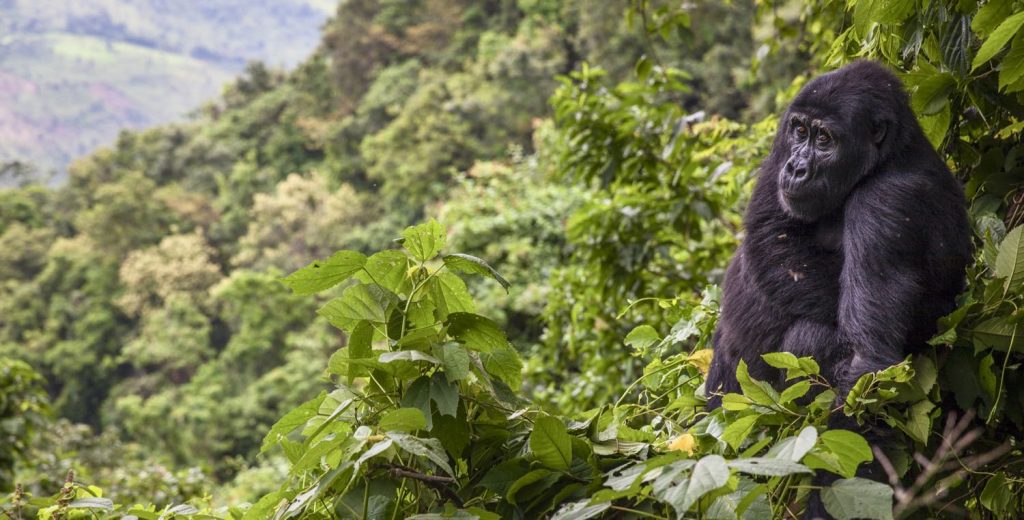
The Gorilla Highlands region, spanning Uganda and Rwanda, is an eco‑friendly safari destination famous for its population of endangered mountain gorillas in the lush highlands. Community work and wildlife conservation are at the heart of the region’s sustainability efforts. As one of the leading sustainable African safari parks, the Gorilla Highlands is at the forefront of protecting one of the world’s most valuable species while directly benefiting local people through tourism revenue.
Why It Is a Sustainable Park
Mountain gorillas have faced constant threats from poaching, habitat destruction, and human‑wildlife conflict. However, due to dedicated conservation activities and sustainable tourism, the mountain gorilla population has grown steadily in recent years. National parks in the region – Volcanoes National Park in Rwanda and Bwindi Impenetrable Forest in Uganda – are pioneers of controlled, low‑impact gorilla trekking.
Sustainability Practices
- Community‑Based Conservation: Revenue from gorilla trekking permits directly supports local communities in areas of education, health, and infrastructure development.
- Low‑Impact Trekking: Strict limits on visitor numbers minimise disturbance to the gorillas’ natural habitat.
- Forest and Habitat Restoration: Active reforestation and restoration programmes maintain a healthy ecosystem for gorillas and other species.
Top Attractions
- Gorilla Trekking: A once‑in‑a‑lifetime opportunity to observe mountain gorillas up close in their natural environment.
- Cultural Immersion: Meet the Batwa people, the ancient forest dwellers, and learn about their history and culture.
- Scenic Views: The Virunga Mountains, dense forests, and clear waterfalls make this region a natural paradise.
2. Maasai Mara National Reserve (Kenya)
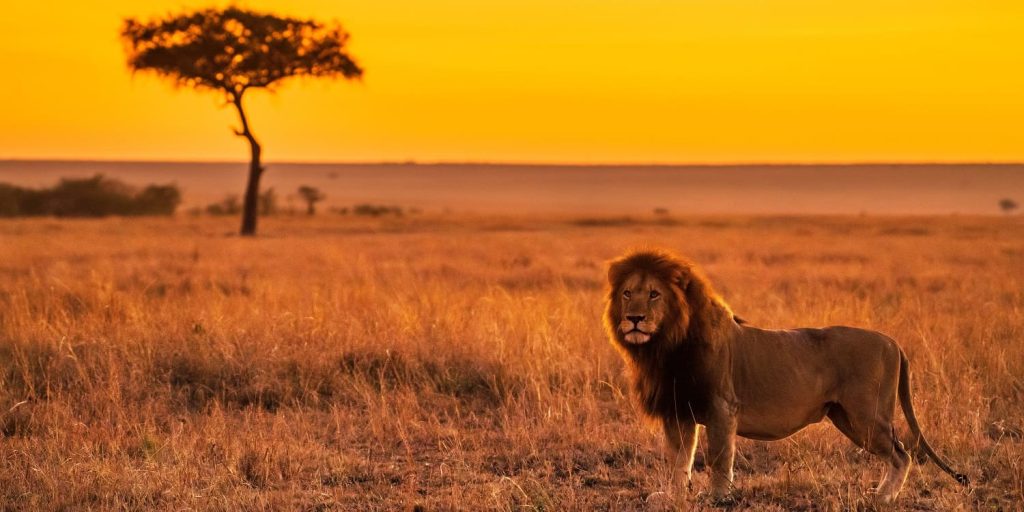
The Maasai Mara National Reserve in Kenya is one of the most classic safari destinations in Africa, renowned for its spectacular wildlife and landscapes. Beyond its beauty and animal abundance, the Maasai Mara is also recognised as a sustainable African safari park. The reserve has adopted responsible tourism principles that preserve its ecosystems while benefiting the Maasai communities who coexist with the park.
Why It Is a Sustainable Park
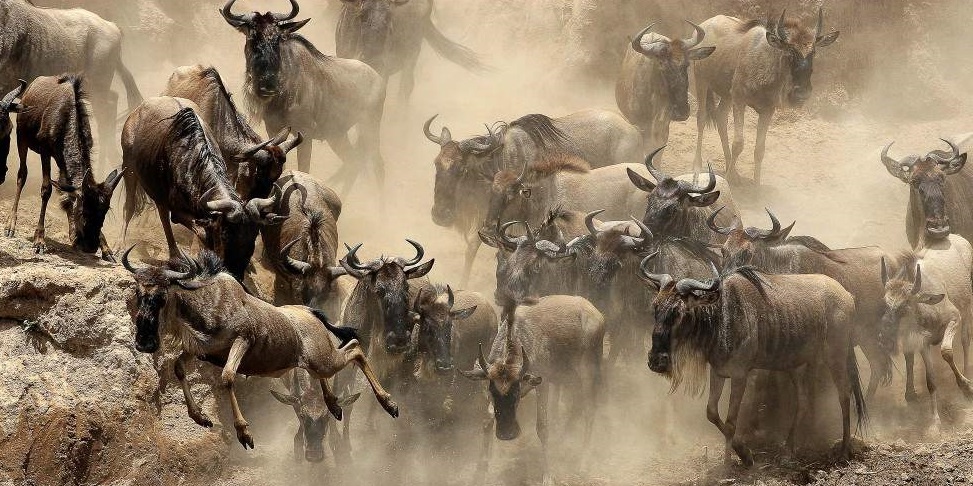
The Maasai Mara is famed for its extraordinary biodiversity, most notably the Great Migration – the annual movement of over 1.5 million wildebeest, zebras, and gazelles across the plains. However, high tourism volumes have placed strain on the environment and local communities. In response, the Maasai Mara has implemented responsible practices that prioritise wildlife conservation, eco‑friendly safari operations, and meaningful engagement with the Maasai people.
Sustainability Practices
- Community Engagement: The reserve operates under an agreement between the Kenyan government, Maasai landowners, and conservation agencies. A portion of tourism revenue funds local education, healthcare, and infrastructure.
- Low‑Impact Safaris: Many camps and lodges use solar power, reduce waste, and conserve water. The reserve enforces responsible safari rules to minimise vehicle impact on wildlife and the environment.
- Conservation Operations: Anti‑poaching patrols, wildlife monitoring, and habitat restoration projects are ongoing.
Top Attractions
- The Great Migration: Witness one of nature’s most spectacular phenomena as millions of animals cross from the Serengeti into the Maasai Mara.
- Big Five Safari: Spot lions, elephants, leopards, buffaloes, and rhinos across the vast savannah.
- Cultural Experience: Spend time with the Maasai people and learn about their traditional lifestyle and wildlife conservation methods.
3. Chobe National Park (Botswana)
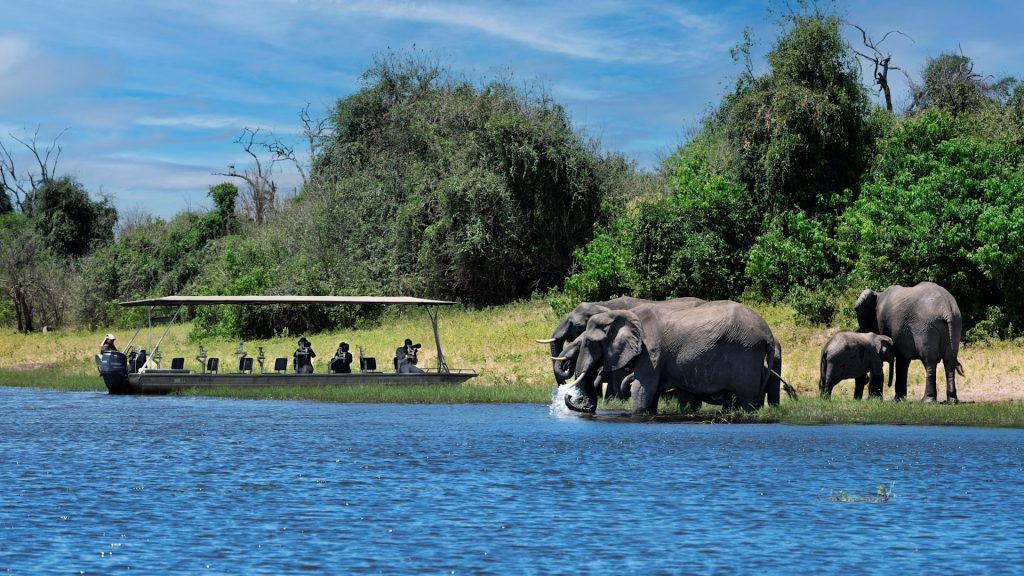
Chobe National Park is one of Africa’s premier safari destinations, particularly for travellers seeking to see elephants in their natural habitat. The park has a world‑renowned concentration of elephants. In addition to its wildlife, Chobe is a leader in sustainable African safari practices, ensuring the preservation of its diverse ecosystems and the promotion of responsible tourism.
Why It Is a Sustainable Park
Chobe’s commitment to eco‑friendly safaris, conservation efforts, and community involvement underpins its sustainability. The park hosts elephants, lions, hippos, and over 450 bird species. As tourist numbers have grown, Chobe has worked to ensure that its tourism industry remains environmentally friendly and wildlife‑conscious.
Sustainability Practices
- Wildlife Conservation: A strict anti‑poaching programme, in collaboration with other national parks and conservation organisations, protects endangered species such as rhinos and African wild dogs.
- Eco‑friendly Lodges: Lodges and camps use sustainable materials and renewable energy sources like solar power. They also minimise waste and offer environmentally responsible guest experiences.
- Community Partnerships: Chobe supports local communities through wildlife education programmes, conservation‑related employment, and sustainable livelihood initiatives.
Top Attractions
- Elephant Viewing: Chobe is famous for its massive elephant herds. The best viewing is along the Chobe River, where elephants gather to drink and bathe.
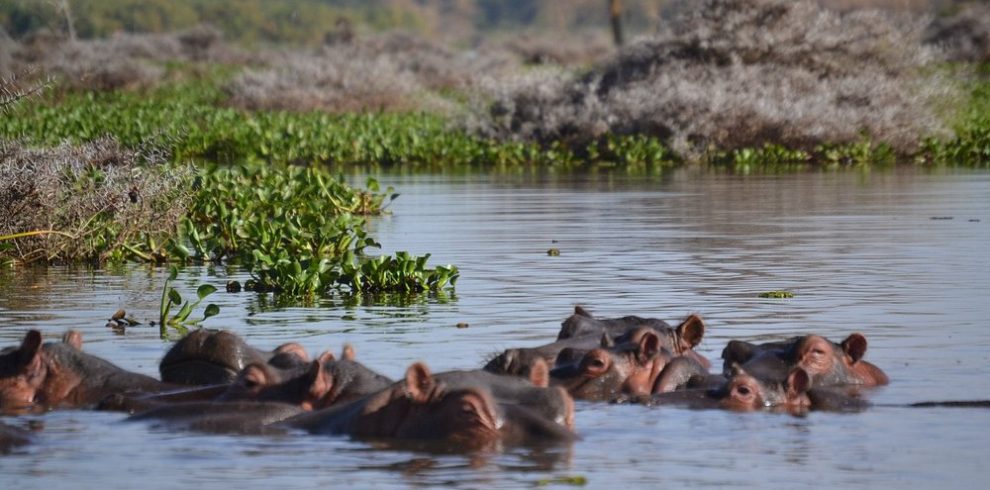
- Boat Safaris: Enjoy a boat safari on the Chobe River for close encounters with hippos, crocodiles, and numerous bird species.
- Game Drives: Explore the park’s varied ecosystems – savannahs, floodplains, and riverfronts – on classic African game drives.
4. Kruger National Park (South Africa)
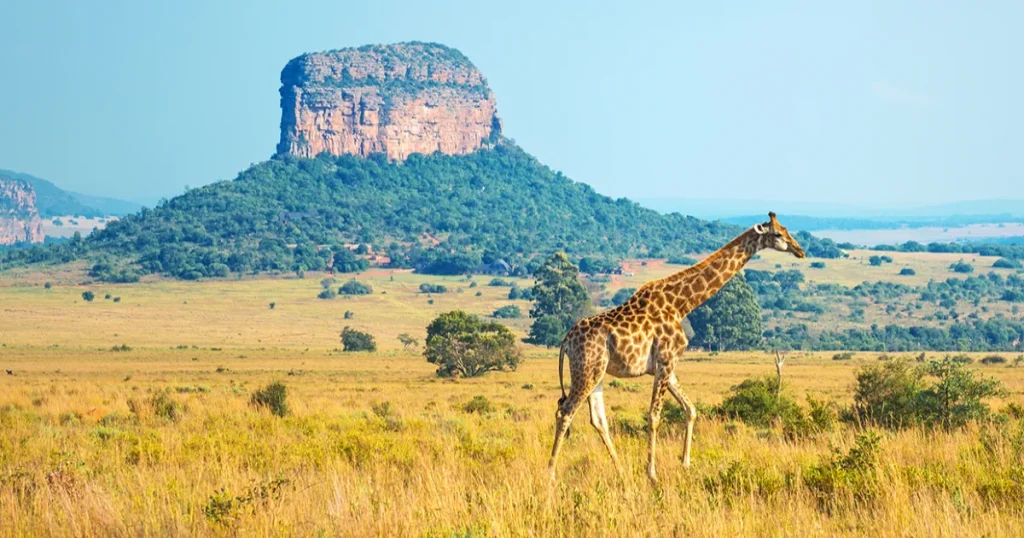
Kruger National Park is one of Africa’s most renowned and largest wildlife reserves, attracting millions of visitors each year. Covering nearly 20,000 square kilometres in northeastern South Africa, the park is celebrated for its outstanding wildlife and its sustainability initiatives, making it one of the best sustainable African safari parks.
Why It Is a Sustainable Park
Kruger has long been a leader in conservation and sustainable tourism, with numerous initiatives aimed at protecting wildlife and ecosystems. The park is home to the Big Five as well as cheetahs, African wild dogs, and more than 500 bird species. Sustainability is integrated into management practices to minimise tourism’s environmental impact and support conservation projects.
Sustainability Practices
- Conservation Projects: Kruger is at the forefront of wildlife protection, with effective anti‑poaching operations and wildlife monitoring programmes. The park also works closely with neighbouring communities to reduce human‑wildlife conflict.
- Green Accommodation: Many lodges and camps within Kruger follow green principles, including solar energy use, water recycling, and waste reduction.
- Environmental Education: The park offers educational programmes that teach visitors about conservation and sustainable tourism.
Top Attractions
- Big Five Safari: Kruger is one of the few places in Africa where you can see lions, elephants, buffaloes, leopards, and rhinos in one reserve.
- Biodiversity Hotspots: From savannahs to forests and wetlands, Kruger’s varied landscapes support an incredible array of wildlife, making it a paradise for nature lovers.
- Cultural Heritage Sites: The park contains ancient rock art and archaeological sites that offer a glimpse into the region’s human history.
5. Etosha National Park (Namibia)
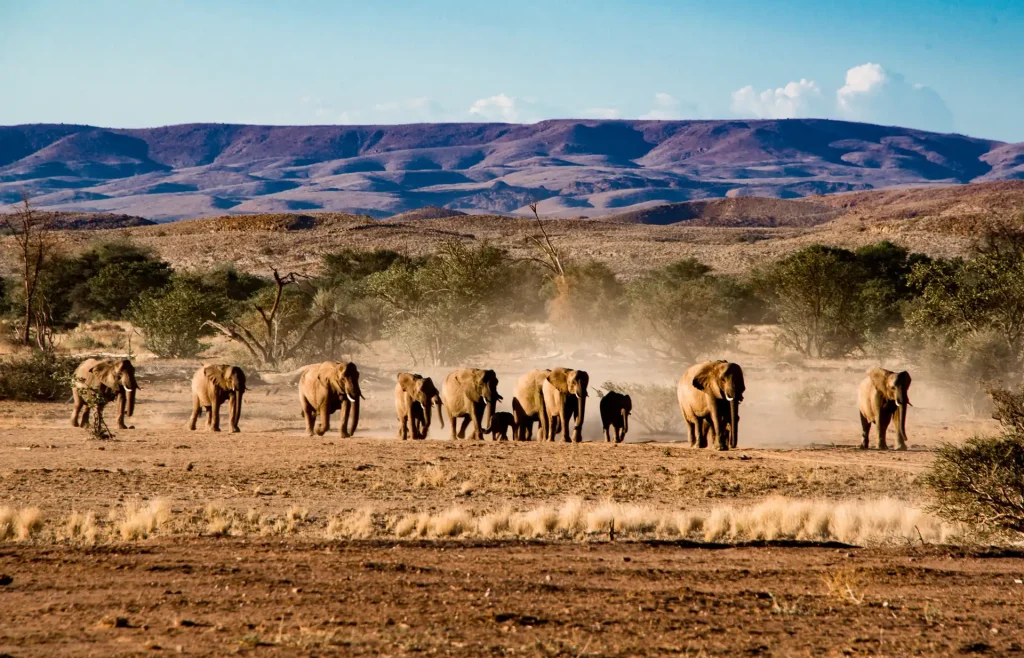
Etosha National Park is one of the most unique and beautiful safari destinations in southern Africa. Located in northern Namibia, the park is defined by a massive salt pan that creates an otherworldly landscape. Etosha is also a prime example of a sustainable African safari park, with a strong focus on conservation and responsible tourism.
Why It Is a Sustainable Park
Etosha is home to a rich array of wildlife, including elephants, lions, rhinos, and giraffes. Park management places a high priority on sustainability, aiming to preserve the unique ecosystems and maintain a healthy balance between wildlife, local communities, and tourism. Conservation efforts in Etosha have been critical to protecting endangered species such as the black rhino and mitigating the effects of drought on wildlife.
Sustainability Practices
- Water Management: Etosha has implemented water conservation measures to ensure that wildlife has access to water without undue environmental strain.
- Low‑Impact Safaris: The park encourages low‑impact tourism through restricted vehicle access to sensitive areas and the promotion of eco‑friendly accommodation.
- Community Involvement: Etosha collaborates with neighbouring communities to advance conservation education and sustainable livelihoods. Tourism revenue funds projects that improve the well‑being of local residents.
Top Attractions
- Etosha Pan: The vast salt pan is one of the largest in the world, creating a surreal and dramatic landscape.
- Waterholes: The park’s waterholes attract large concentrations of wildlife, offering excellent viewing opportunities especially during the dry season.
- Wildlife Viewing: Etosha supports an enormous range of animals, including rare species such as the black rhino and cheetah.
Conclusion
Sustainable African safari parks offer a rich and rewarding way to experience the continent’s wildlife and landscapes. By visiting these eco‑friendly parks, travellers become active participants in environmental conservation, contribute to the prosperity of local communities, and help ensure the long‑term survival of Africa’s iconic species. Whether you are trekking with mountain gorillas in Uganda and Rwanda, witnessing the Great Migration in the Maasai Mara, or watching elephants in Chobe, these responsible parks deliver unforgettable wildlife experiences while upholding the principles of conservation and responsible tourism. As the world continues to move toward more sustainable practices, these parks serve as powerful reminders that eco‑friendly travel can benefit both people and the planet.