
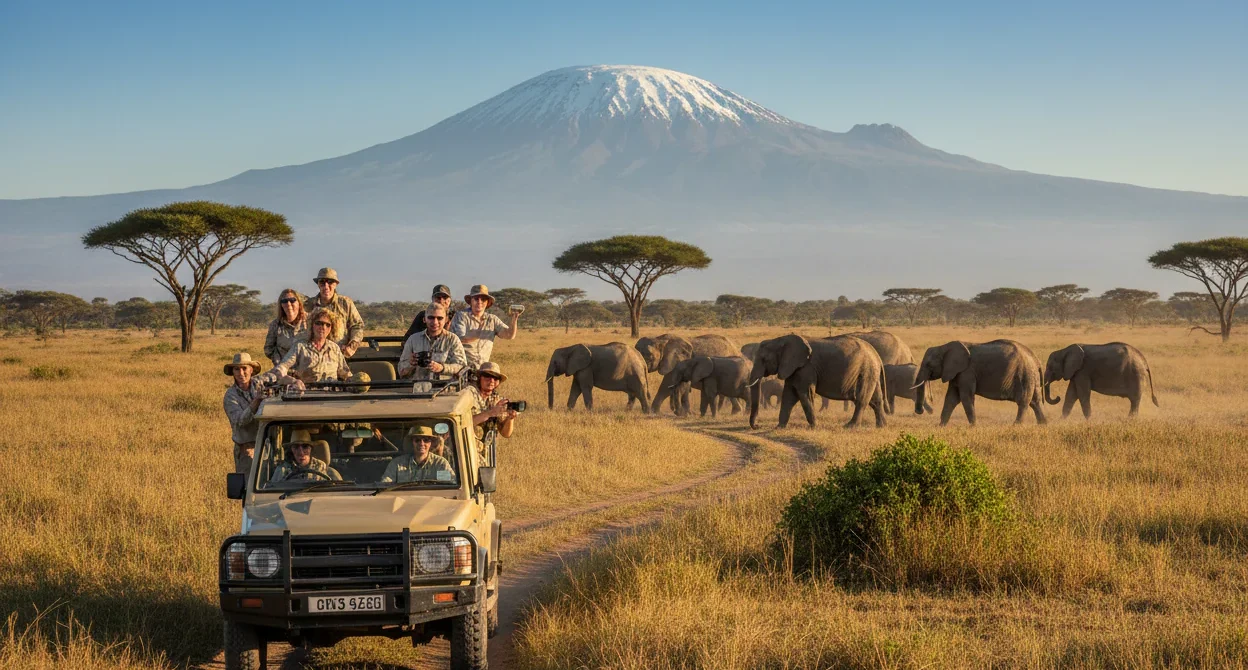
Experience Amboseli, Beyond Your Imagination
25+ years of expertise in 15 Africa Countries
1000+ thoughtfully selected travel partners
200,000+ travellers, many of whom return year after year

Why Travel With Exodussafaris?
25 Years of Safari Expertise
With more than 25 years under our belt, we craft bespoke African journeys grounded in on‑the‑ground insight and nurtured local alliances.
We Know Because We Go
Our deep presence across Africa gives us firsthand familiarity with every destination, lodge, experience, and hidden gem we share with you.
24/7 Support
From the moment you inquire until you return home safely, we’re by your side—handling logistics and care, 24/7. Through the strong trust we’ve nurtured with our local partners, you benefit from that same dedication in every moment.
Every Adventure Makes a Difference
As part of the Nawiri Group, each safari helps safeguard crucial ecosystems and supports local communities—so travel and conservation uplift one another.
Complete Financial Protection
Your journey is backed by comprehensive financial protection, so you can travel confidently and with peace of mind.
World-Class Recognition, Trusted by Travellers
Honored by Condé Nast Traveler, Travel + Leisure, and World Travel Awards, we’re proud of our accolades—but what matters most are the voices and stories of our travellers.
Amboseli Gallery
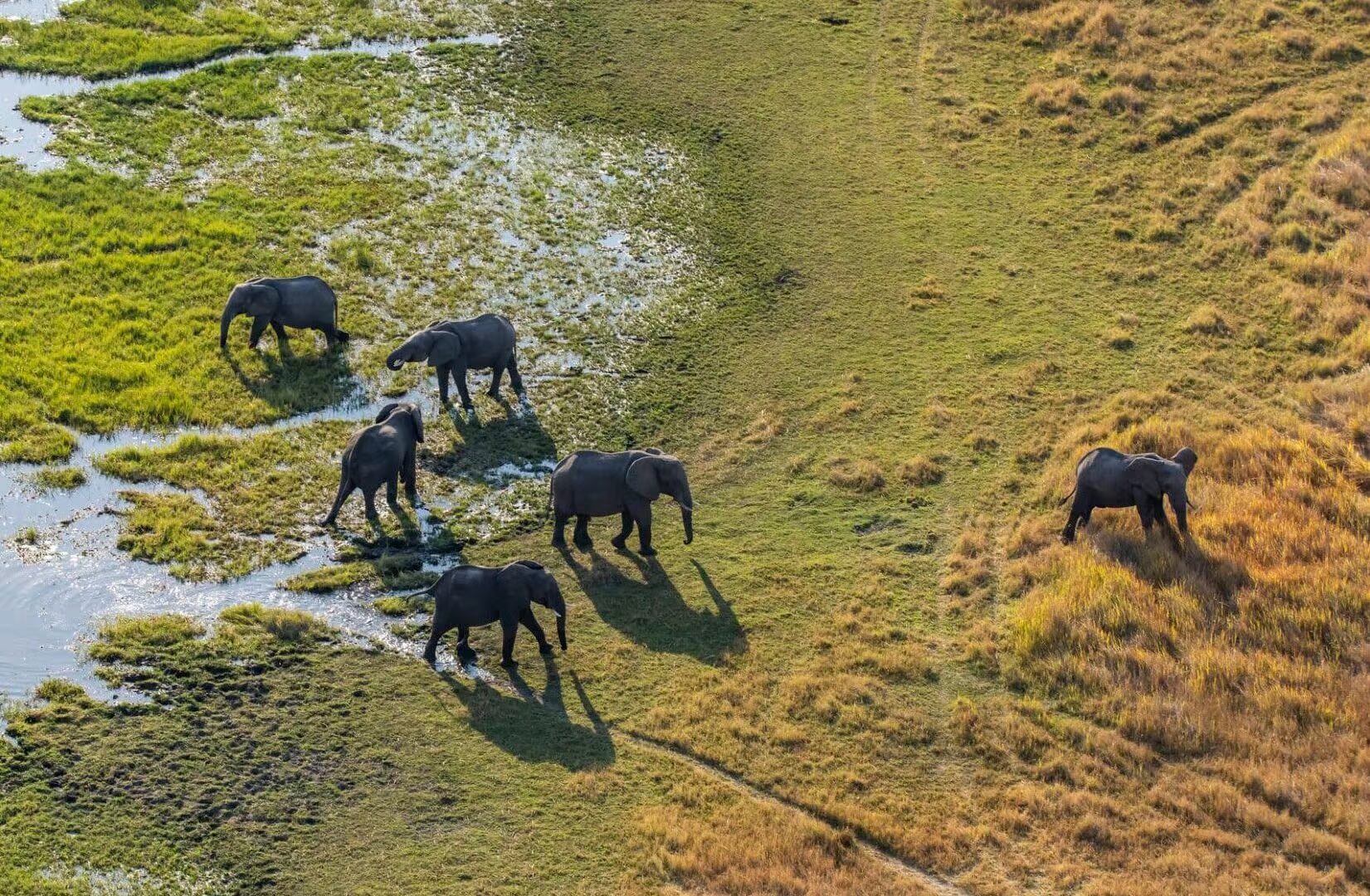
Where To Go In Amboseli
From breathtaking wildlife habitats to cultural attractions and spectacular viewpoints, Amboseli offers an incredible variety of places that reward every visitor with unforgettable experiences.
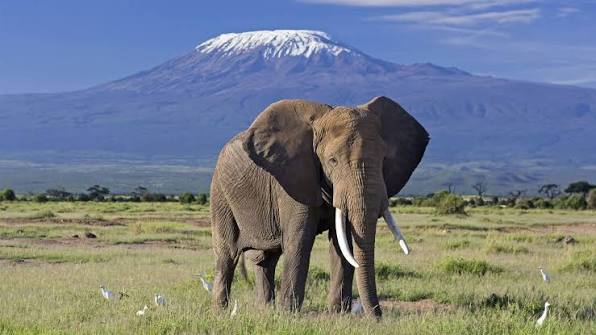
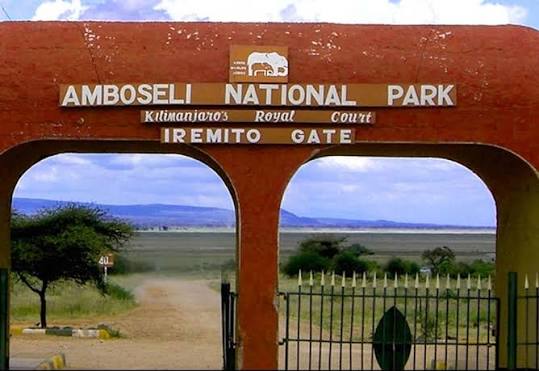
Amboseli National Park
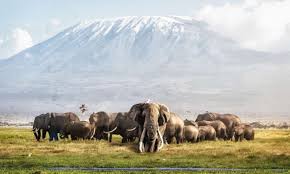
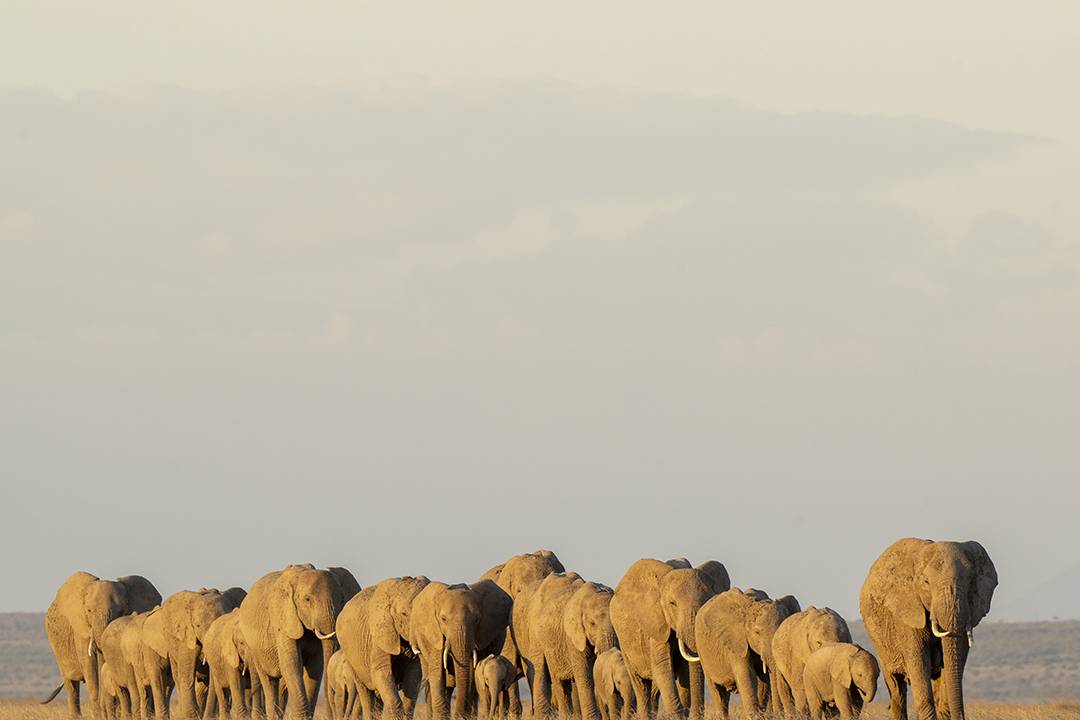
Amboseli National Park is Kenya's most celebrated wildlife destination and is famous for its enormous elephant herds roaming beneath the towering peak of Mount Kilimanjaro. The park's open plains make wildlife viewing exceptionally easy throughout the year. Visitors can expect memorable encounters with lions, giraffes, zebras, wildebeest, buffaloes, and hundreds of bird species.
Observation Hill
Observation Hill provides one of the finest panoramic views in the park. From the summit, visitors can admire Amboseli's wetlands, open grasslands, and wildlife spread across the landscape. It is one of the best photography locations and offers breathtaking sunrise and sunset scenery.
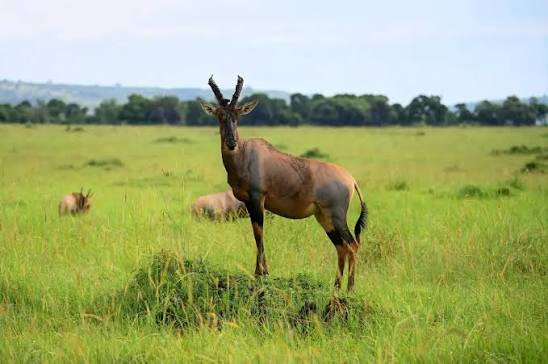
Enkongo Narok Swamp
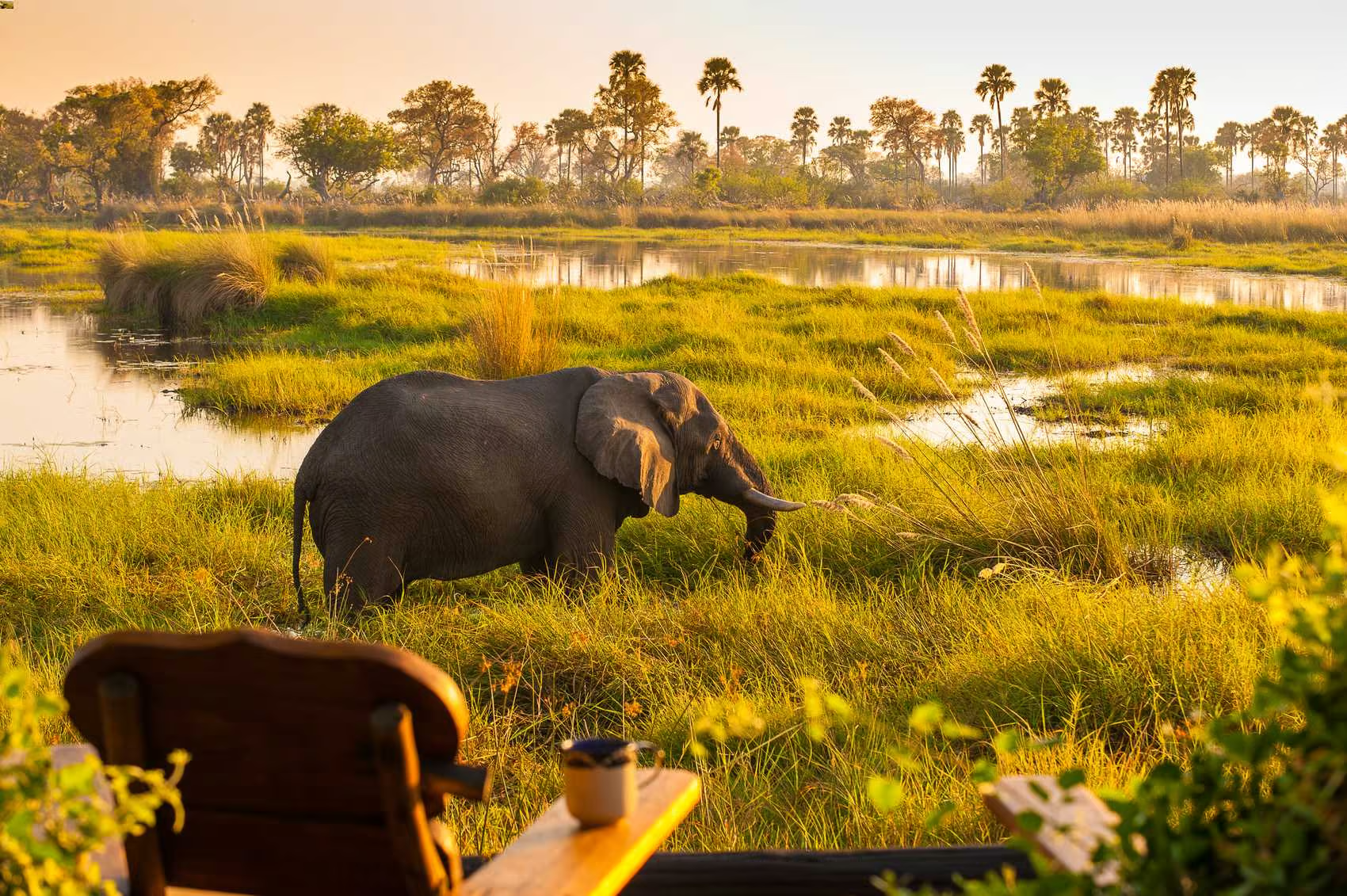
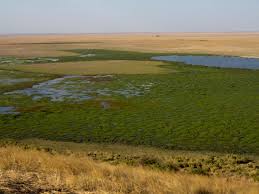
This permanent swamp attracts wildlife throughout the year thanks to its constant water supply. Elephants, hippos, buffaloes, and numerous bird species gather here, making it an excellent destination for game viewing. The lush vegetation also creates a striking contrast against Amboseli's dry plains.
Ol Okenya Swamp
Ol Okenya Swamp serves as another vital watering point within the ecosystem. Large elephant families frequently visit the area alongside antelope and predators searching for prey. Bird enthusiasts particularly enjoy spotting waterbirds and migratory species here.
Sinet Delta
Sinet Delta is renowned for its marshes and rich birdlife. During the wetter months, thousands of birds gather around the shallow waters, making it one of the best birdwatching locations in Amboseli. Wildlife also congregates nearby to drink and graze.
Lake Amboseli
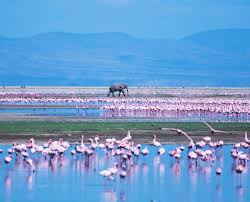
Lake Amboseli is a seasonal lake that transforms dramatically depending on rainfall. During wet periods it attracts flamingos, pelicans, and numerous waterbirds, while the dry season reveals wide salt flats that create spectacular photographic landscapes.
Mount Kilimanjaro Viewpoints
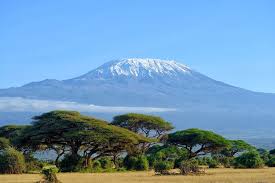
Although Mount Kilimanjaro lies across the border in Tanzania, Amboseli offers some of the world's finest views of Africa's highest mountain. Early mornings often reveal snow-capped peaks rising above the clouds. The scenery provides an unforgettable backdrop for wildlife photography.
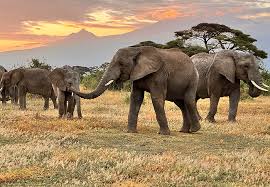
Kitirua Conservancy
Kitirua Conservancy offers a quieter safari experience away from the main park. Visitors enjoy excellent wildlife sightings with fewer vehicles while supporting community-led conservation initiatives. It is ideal for those seeking a more exclusive experience.
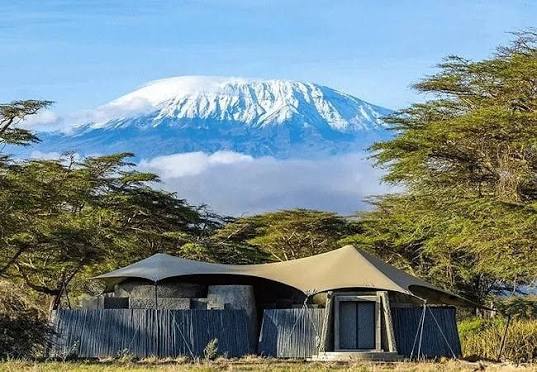
Kimana Wildlife Sanctuary
Kimana Wildlife Sanctuary is Kenya's first community-owned wildlife sanctuary. The reserve protects important migration corridors and provides excellent opportunities to see elephants, giraffes, zebras, and many antelope species. Guided walks are also available in designated areas.
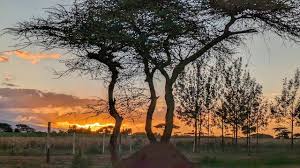
Noomotio Observation Point
Noomotio Observation Point offers elevated views across Amboseli's diverse landscapes. Visitors can enjoy peaceful wildlife viewing while appreciating the vastness of the ecosystem. It is particularly rewarding during sunrise when animals become active.
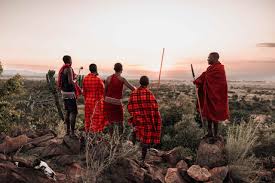
Maasai Cultural Villages
Visiting a Maasai village provides a fascinating insight into one of Africa's best-known cultures. Guests learn about traditional homes, customs, ceremonies, livestock keeping, and daily life. These authentic cultural visits also help support local communities.
Namanga Gateway
Located near the Kenya-Tanzania border, Namanga serves as an excellent stop for travellers combining Amboseli with northern Tanzania. Visitors can explore local markets, interact with residents, and experience the lively atmosphere of this border town.
Eselenkei Conservancy
Eselenkei Conservancy is a privately managed wildlife area that offers intimate safari experiences with limited visitor numbers. The conservancy supports important conservation efforts while providing exceptional opportunities for game drives, walking safaris, and night drives.
Mbirikani Group Ranch
Mbirikani Group Ranch surrounds parts of Amboseli and plays a vital role in wildlife conservation. The ranch protects migration routes for elephants and other species while allowing visitors to experience authentic community conservation initiatives.
Best Time To Visit Amboseli
The prime window for reliable wildlife viewing in Amboseli is during the dry season—especially from June through October.
Amboseli Safari in January
January brings dry, warm days and clearer skies. Wildlife is easier to spot because vegetation is thinning, and many newborns begin to appear from the short rains. It’s a solid month for both game viewing and photography.
Amboseli Safari in February
February is typically hot but still dry—ideal for game drives when animals are active early and late in the day. Visibility is good and the park sees moderate visitor numbers.
Amboseli Safari in March
In March, the onset of the long rains begins—by mid‑month, showers may dampen the plains. Animal sightings are less concentrated as wildlife disperses; however, it's still beautiful and lush.
Amboseli Safari in April
April is generally the wettest month, with heavy rains that may make roads difficult to traverse. Wildlife can be spread out, and visibility is reduced, so many safari operators avoid this month.
Amboseli Safari in May
May continues with rainfall and rising vegetation. The park is less crowded, and the landscape is lush and green. But game viewing is more challenging and roads may be muddy.
Amboseli Safari in June
June marks the start of the long dry period. Rainfall is minimal, vegetation recedes, and animals begin crowding around permanent water bodies—ideal for wildlife viewing.
Botswana Safari in July
July is one of the best months: cool mornings, dry days, excellent visibility. Animals concentrate, and Kilimanjaro views are often sharp in early hours.
Amboseli Safari in August
August continues the peak dry‑season rhythm. Wildlife congregates, the bush is open, and conditions are ideal. Though lodges fill fast, it’s among the top months for safari.
Botswana Safari in September
September remains dry, hot, and with excellent visibility. It’s a strong month for game drives and photography, though dust can be more noticeable.
Amboseli Safari in October
October is the tail end of the dry season. Water becomes scarcer, drawing wildlife near swamps. Dust increases, and afternoon cloud buildup may begin.
Amboseli Safari in November
November marks the start of the short rains. While wildlife isn’t as tightly grouped, the landscape turns green, and birdlife is enhanced. Occasional showers may intervene.
Amboseli Safari in December
December experiences intermittent short rains and brighter green scenery. Mornings tend to be clearer, but afternoon clouds can obscure Kilimanjaro. It’s a transitional month with moderate tourist traffic.
Our Recommended Activities In Amboseli
Explore our recommended experiences in Amboseli and find your perfect way to connect with its natural beauty.
Chief’s Island
Moremi Game Reserve
Makgadikgadi Pans
Chobe National Park and Savuti Marsh
Khwai
Chief’s Island
Our Recommended Activities In Amboseli
Explore our recommended experiences in Amboseli and find your perfect way to connect with its natural beauty.
Chief’s Island
Moremi Game Reserve
Makgadikgadi Pans
Chobe National Park and Savuti Marsh
Khwai
Chief’s Island
Safari Lodges, Tented Camps and Villas
in Amboseli
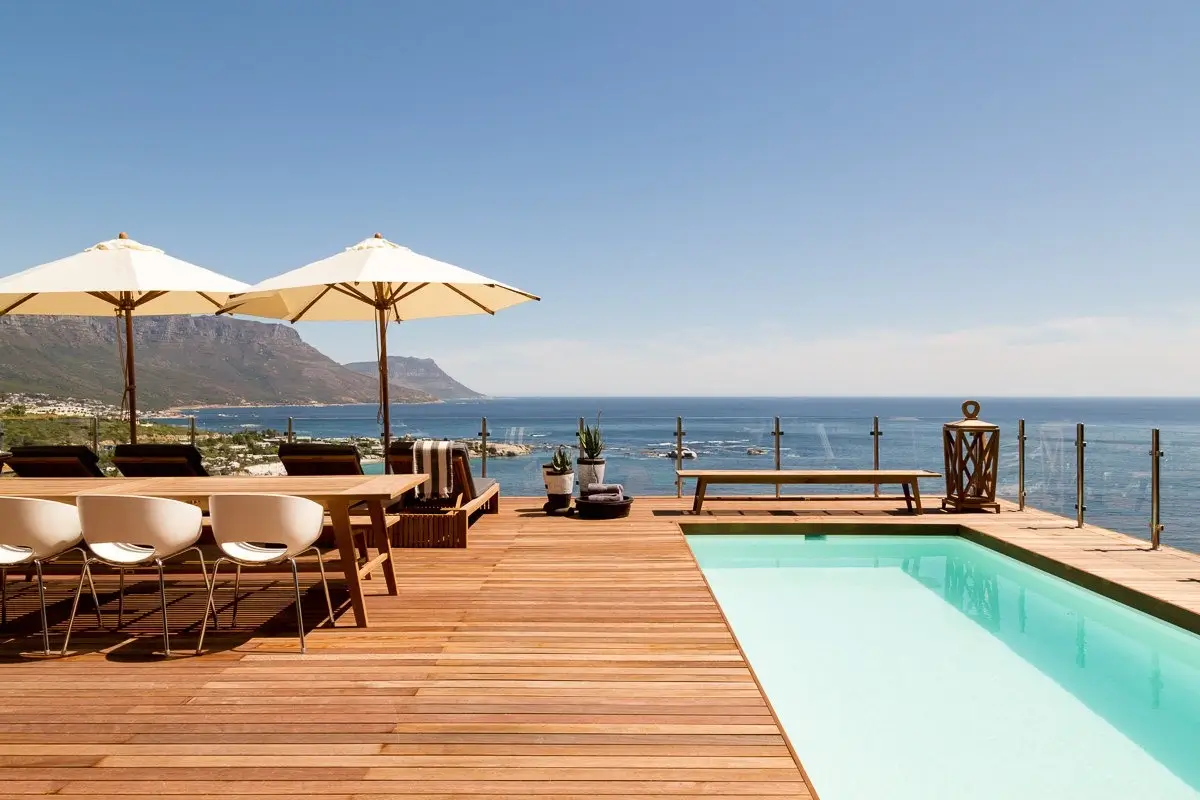
Savute Elephant Lodge, A Belmond Safari
- Botswana Chobe National Park
Belmond Savute Elephant Lodge is a luxury lodge in Chobe National Park known for its...

Luxury
African Bush Camps Atzaro Okavango Camp
- Botswana
Welcome to Atzaro Okavango, a premier safari destination that offers sustainable luxury in the heart...
Luxury
Cha Cha Metsi
- Botswana Okavango Delta
Explore our most popular safaris in Botswana and experience the magic of its untouched wilderness.cvbcccccccccccccccccccccc
Luxury
What You Need To Know About Amboseli Safaris
Find everything you need to know to plan your Amboseli adventure, from travel tips to essential insights for an unforgettable trip.
Amboseli Food and Tipping Practices
Most lodges and camps offer full board (breakfast, lunch, dinner), sometimes plus light meals and picnic options on drives. Tipping is customary for guides, drivers, lodge staff, porters, and cooks—usually in cash (USD or local currency). Ask your safari operator about standard tip ranges per day.
Amboseli Food and Tipping Practices
Cost of a Amboseli Safari
Safari pricing depends on accommodation level, vehicle choice, duration, and inclusions. As a rough guideline: budget to mid‑range safaris may run from USD 150–300 per person per day, while luxury safaris (private vehicle, fly‑in transfers, top camps) will cost significantly more. (This aligns with typical ranges offered in Kenya safaris).
Cost of a Amboseli Safari
Packing List for Amboseli
Bring neutral, lightweight clothing (khaki, beige), a warm layer for early mornings, a rain jacket (for green season), comfortable closed shoes, hat, sunglasses, sunscreen, insect repellent, binoculars, camera gear (with extras), refillable water bottle, and basic first aid. A small daypack is helpful.
Packing List for Amboseli
Climate in Amboseli
Amboseli lies in a semi‑arid zone with warm days and cooler nights. Rainfall occurs in two main seasons: short rains (Nov–Dec) and long rains (Mar–May). The dry season (June–October, and Jan–Feb) sees minimal rain, clear skies, and wildlife drawn to permanent water sources.
Climate in Amboseli
Languages in Amboseli
Kenya’s official languages are English and Kiswahili, which are widely understood in Amboseli. Locally, the Maasai community speaks Maa (also spelled Maa or Masai) and often Swahili or English as secondary languages.
Languages in Amboseli
Is Amboseli Safe?
Amboseli is generally regarded as safe for tourists when following standard precautions. Stay within the safari vehicle during drives, follow your guide’s instructions, avoid driving at night, and secure valuables. Health-wise, use mosquito protection and check recommended vaccinations. Trustworthy tour operators ensure safety in logistics, transfers, and local relationships.
Is Amboseli Safe?
What People Say About Us
We are the leading travel agency offering different programs and higher education diplomas that are designed with global requirements in mind.
Unforgettable Safari Experience!
— Jennifer L., USA
Incredible Service from Start to Finish
— Thomas K., Germany
Wildlife Like You’ve Never Seen!
— Sarah M., Australia
Perfect for First-Time Safari Travelers
— Mark & Ellie B., UK
A Dream Honeymoon!
— Nadia & Carlos R., Spain
Blog and articles
Latest travel tips and blog covering all travel experiences. Check out our mentions in different guides and articles.
Our Trusted Safari Partners in Africa
Latest travel tips and blog covering all travel experiences. Check out our mentions in different guides and articles.