
Kruger Safari

Authentic Kruger Safari Tours

Experience Kruger, Beyond Your Imagination

Discover expertly crafted, nature-focused safaris in Kruger National Park, built on more than two decades of hands-on experience and strong local relationships. Each journey is thoughtfully designed to create meaningful moments—not just for travellers, but for the landscapes explored and the communities that depend on them. 

25+ years of expertise in 15 Africa Countries

1000+ thoughtfully selected travel partners

200,000+ travellers, many of whom return year after year

Years Crafting Personalised African Safaris
0
Client Reviews at 5 Stars on Feefo
0
Globally Recognised Travel Awards Won Last Year
0
Travellers, Many Returning Year After Year
0
Travellers, Many Returning Year After Year
0

Interested to know more? Click the link to find out all about Exodussafaris Big 5 Guarantee

Why Travel With Exodussafaris?

25 Years of Safari Expertise ​

With over 25 years of experience, we design tailor-made African safaris guided by first-hand insight and trusted local partnerships.

We Know Because We Go

Our long-standing presence across Africa gives us unmatched knowledge of destinations, lodges, activities, and those lesser-known spots that elevate your journey.

24/7 Support

From your initial enquiry to your return home, we provide continuous support, ensuring every detail is managed seamlessly with trusted on-the-ground partners.

Every Adventure Makes a Difference ​

Every journey contributes to the preservation of ecosystems and supports local communities, helping sustain the natural and cultural heritage of each destination.

Complete Financial Protection

Book with confidence knowing your investment is protected, backed by reliable systems and established partnerships.

World-Class Recognition, Trusted by Travellers​

Celebrated by leading travel authorities and, more importantly, valued by our travellers, our reputation reflects consistent excellence and authentic experiences.
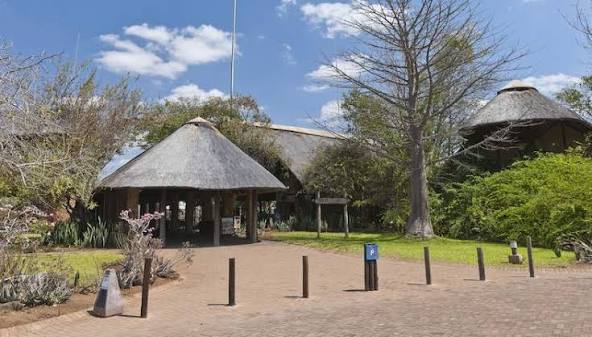
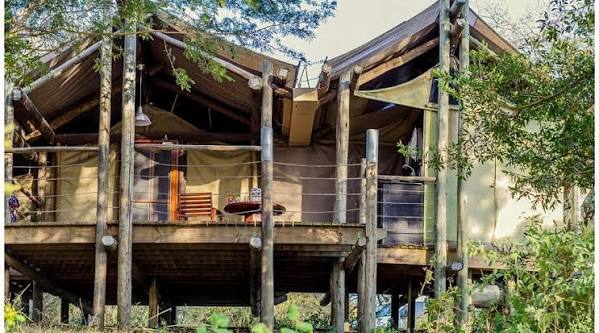
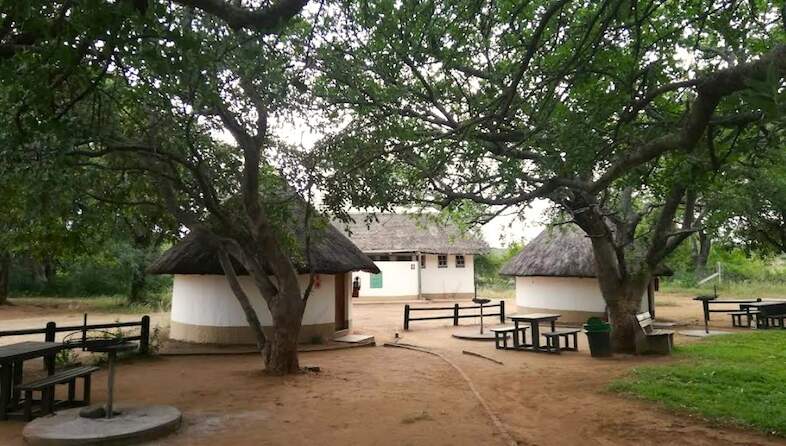
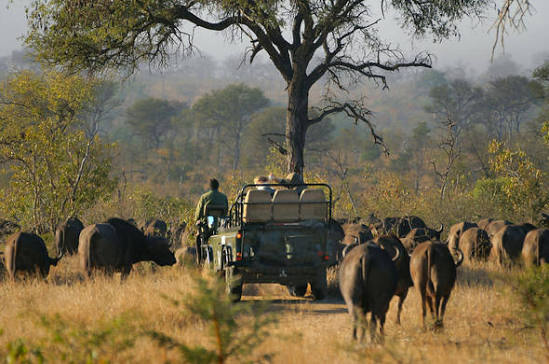
Kruger Gallery

Slide 4
Slide 3
Slide 2
Slide 1

Where To Go In Kruger

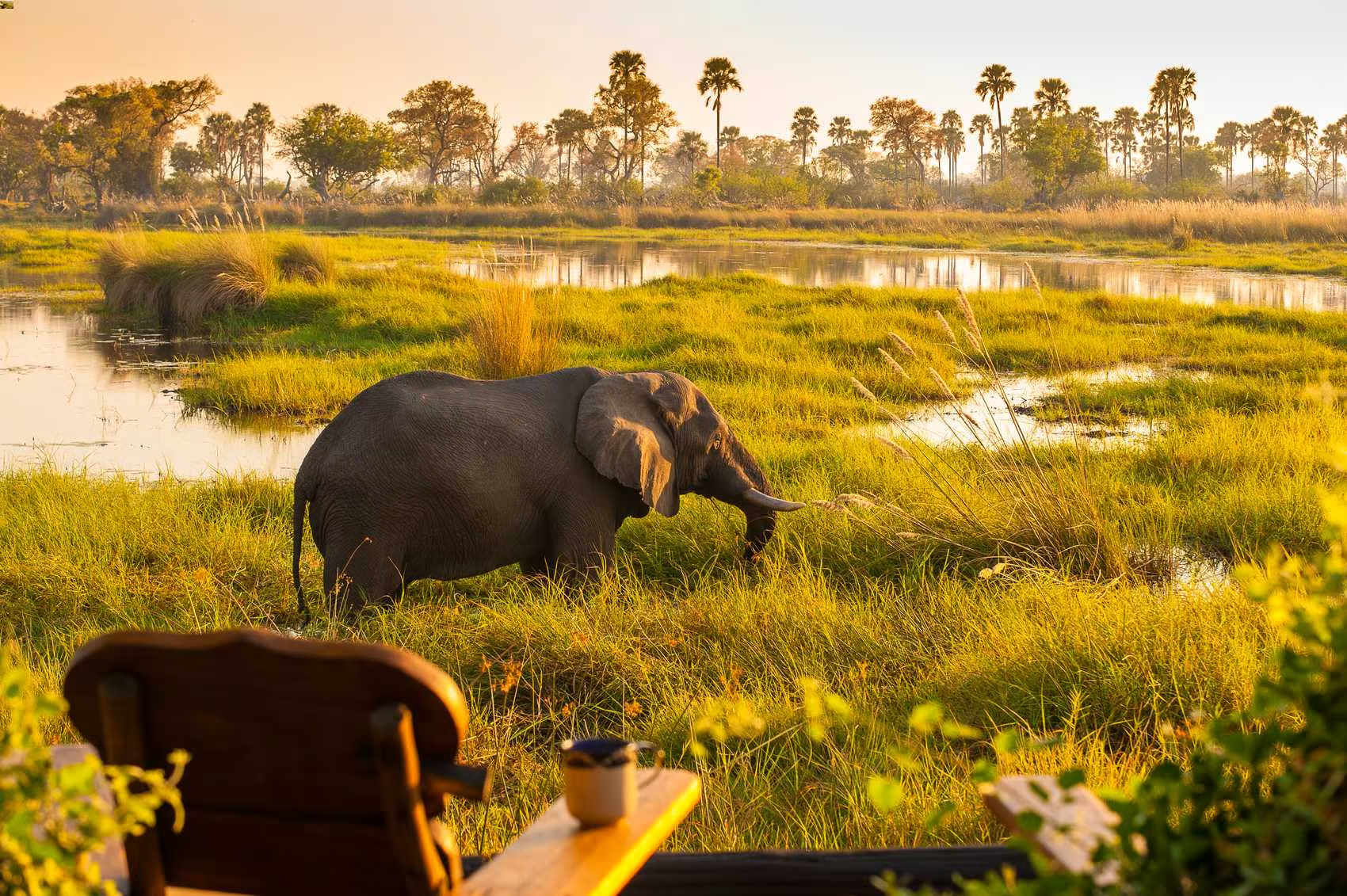
Kruger offers an incredible diversity of landscapes and wildlife hotspots, giving travellers countless places to explore, each with its own unique character and safari experience.

Skukuza

As the largest rest camp in the park, Skukuza serves as a lively hub with excellent facilities and frequent wildlife sightings. Its location along the Sabie River makes it ideal for spotting elephants, lions, and hippos. Visitors can enjoy guided walks, game drives, and even golf surrounded by wildlife.

Lower Sabie

Situated on the banks of the Sabie River, this area is known for its exceptional game viewing. The combination of water and open plains attracts large herds and predators alike. It’s particularly famous for frequent lion and leopard sightings.

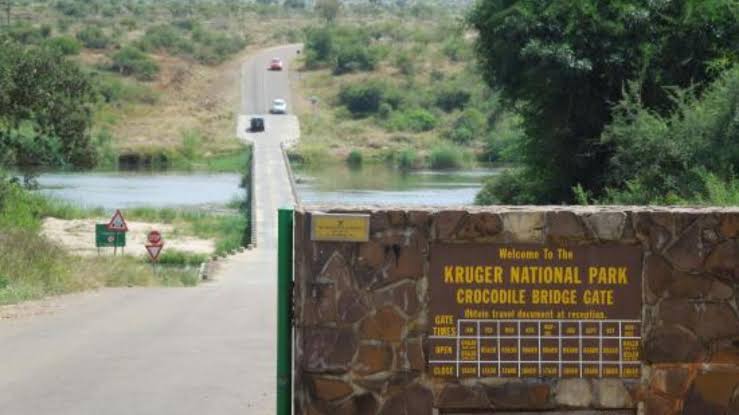
Crocodile Bridge

Located near the southern boundary, this region offers excellent chances to see the Big Five. The Crocodile River draws animals year-round, especially during the dry season. It’s a great entry point for those seeking immediate wildlife encounters.

Satara

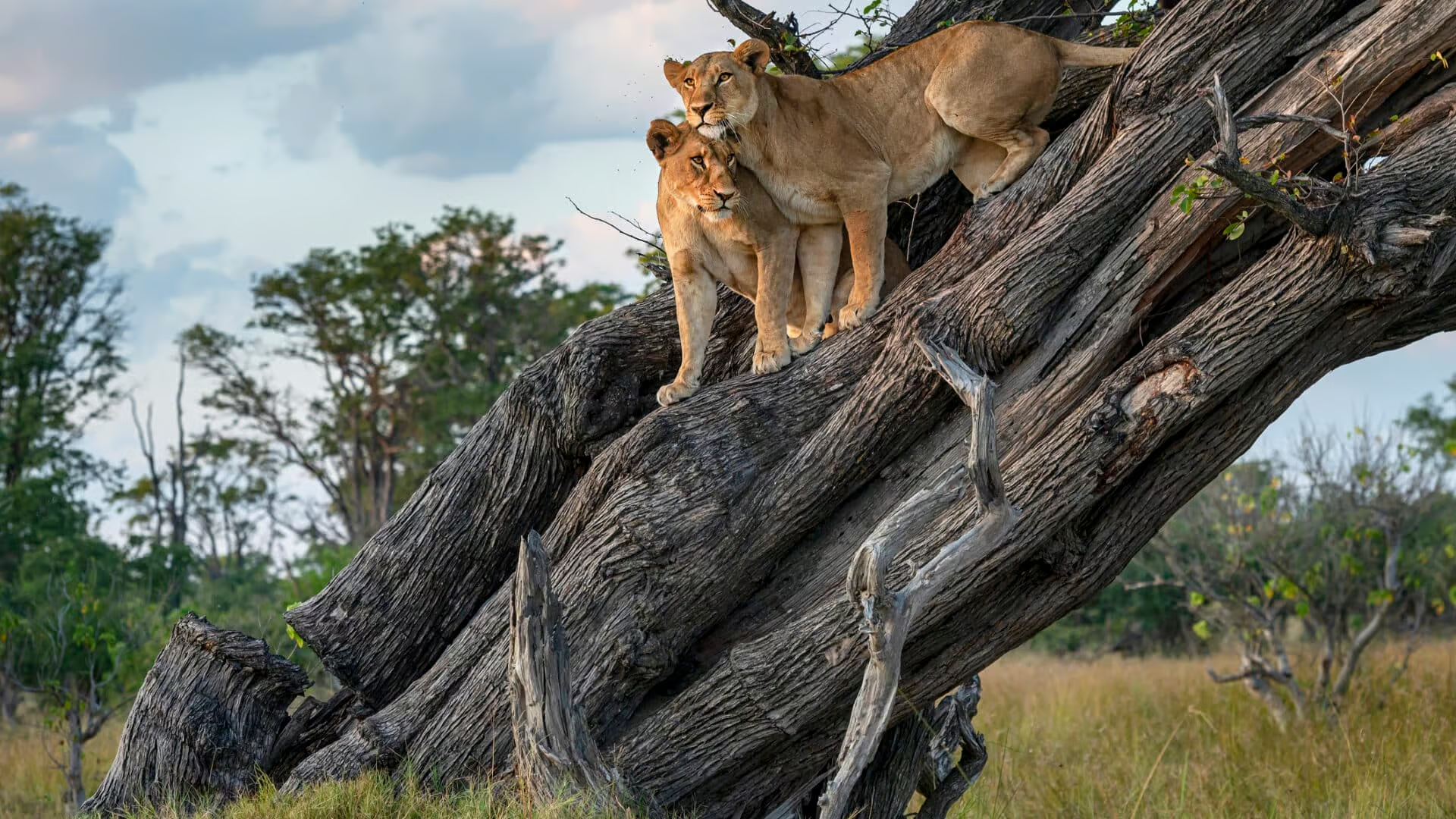
Satara lies in prime predator territory and is often regarded as one of the best places to see lions. The surrounding grasslands support large herds of buffalo and antelope. Night drives here often reveal elusive nocturnal species.

Olifants

Perched above the Olifants River, this camp offers breathtaking panoramic views. The river below attracts elephants, crocodiles, and hippos. It’s a quieter area, perfect for travellers seeking scenic beauty alongside wildlife.

Letaba

Known as the “Elephant Hall,” Letaba is ideal for elephant enthusiasts. The surrounding riverine forest creates a serene environment. It’s also a great spot for birdwatching and learning about elephant conservation.

Berg-en-Dal

Set in a mountainous region, Berg-en-Dal offers a different landscape from the typical savannah. It is known for rhino sightings and diverse plant life. Walking trails here provide a more immersive bush experience.

Pretoriuskop

One of the oldest camps in the park, Pretoriuskop features rolling hills and lush vegetation. It’s particularly beautiful during the rainy season when flowers bloom. Wildlife includes wild dogs, leopards, and numerous antelope species.

Punda Maria

Located in the far north, this area is less visited and offers a more remote experience. The landscape includes baobab trees and unique birdlife. It’s ideal for those seeking solitude and rare species.

Shingwedzi

A peaceful northern camp known for its quiet atmosphere and scenic surroundings. The Shingwedzi River attracts a variety of animals, especially elephants. It’s perfect for travellers looking to escape the crowds.

Mopani

Overlooking Pioneer Dam, Mopani offers excellent birdwatching opportunities. The area is home to diverse ecosystems and fewer tourists. It’s a great choice for a tranquil safari experience.

Tamboti

This small, rustic camp provides a more intimate bush experience. Surrounded by tamboti trees, it’s ideal for night-time wildlife sounds. It offers a true sense of being immersed in nature.

Balule

Balule is a basic camp with minimal facilities, perfect for those wanting an authentic safari. There is no electricity, enhancing the wilderness feel. It’s ideal for travellers who enjoy simplicity and solitude.

Orpen

A smaller camp near excellent game-viewing areas, Orpen is known for cheetah sightings. Its open plains attract grazers and predators alike. It’s a great base for exploring nearby private reserves.

Best Time To Visit Kruger

The best time to visit Kruger depends on your preferences, but the dry winter months from May to September are widely considered ideal for wildlife viewing.

Kruger Safari in January

January falls in the heart of the rainy season, bringing lush greenery and dramatic skies. Wildlife is still abundant, though animals are more dispersed due to plentiful water sources. Birdwatching is excellent, with migratory species in full display. However, the heat and humidity can be intense, and afternoon storms are common. This is a great time for photographers seeking vibrant landscapes and fewer crowds.

Kruger Safari in February

February continues the wet season, with similar conditions to January. The bush is dense and green, making animal spotting slightly more challenging. However, newborn animals are often seen during this period. Birdlife remains exceptional, and the park feels alive with activity. Temperatures stay high, and rainfall is frequent, but the scenery is at its most beautiful.

Kruger Safari in March

March marks the transition from wet to dry season. Rainfall begins to decrease, and the vegetation starts to thin out. Wildlife sightings gradually improve as animals become easier to spot. The temperatures are still warm but more manageable. This is a good time to visit for a balance between lush scenery and improving game visibility.

Kruger Safari in April

April is one of the most pleasant months in Kruger. The rains subside, leaving behind green landscapes without the heavy downpours. Temperatures are moderate, making game drives comfortable. Wildlife becomes easier to locate as water sources begin to shrink. It’s an excellent time for both photography and general safari experiences.

Kruger Safari in May

May signals the start of the dry season. Vegetation thins, and animals begin gathering around waterholes and rivers. The weather is cooler, especially in the mornings and evenings. This is one of the best times for game viewing, with clear visibility and fewer mosquitoes. It’s also less crowded than peak months.

Kruger Safari in June

June offers ideal safari conditions with cool, dry weather. Wildlife congregates around limited water sources, making sightings more predictable. The bush is sparse, improving visibility. Early mornings can be quite cold, so warm clothing is essential. It’s a popular time for serious wildlife enthusiasts.

Kruger Safari in July

July is one of the peak safari months in Kruger. Dry conditions persist, and animals are easier to spot due to reduced vegetation. Predator activity is often high, especially near water sources. The weather remains cool and comfortable, though mornings and nights can be chilly. This is a prime time for classic safari experiences.

Kruger Safari in August

August continues the dry season with excellent wildlife viewing. The landscape becomes more arid, and animals gather in large numbers around remaining water. Dusty conditions are common, but visibility is at its best. It’s an ideal month for spotting the Big Five.

Kruger Safari in September

September is the end of the dry season and one of the best times for game viewing. Animals are concentrated around water sources, and predator-prey interactions are frequent. Temperatures begin to rise, and the landscape is at its driest. This is a top choice for photographers and wildlife enthusiasts.

Kruger Safari in October

October marks the start of the hot season. Temperatures rise significantly, and the first rains may begin late in the month. Wildlife viewing remains good, but animals start to disperse as water becomes more available. It can be uncomfortably hot, especially during midday.

Kruger Safari in November

November sees the return of rains, transforming the landscape into a lush green environment. Wildlife becomes more scattered, but the park feels vibrant and alive. Birdwatching improves again with the arrival of migratory species. It’s a quieter time to visit with fewer tourists.

Kruger Safari in December

December is a festive yet rainy period in Kruger. Afternoon thunderstorms are common, and the bush is thick and green. While wildlife is harder to spot, the scenery is stunning. It’s a good time for those seeking a more relaxed and scenic safari experience.

Our Recommended Activities In Kruger

Explore our recommended experiences in Kruger and find your perfect way to connect with its natural beauty.

Chief’s Island

Moremi Game Reserve

Makgadikgadi Pans

Chobe National Park and Savuti Marsh

Khwai

Chief’s Island

Our Recommended Activities In Kruger

Explore our recommended experiences in Kruger and find your perfect way to connect with its natural beauty.

Chief’s Island

Moremi Game Reserve

Makgadikgadi Pans

Chobe National Park and Savuti Marsh

Khwai

Chief’s Island

Safari Lodges, Tented Camps and Villas
in Kruger

Savute Elephant Lodge, A Belmond Safari

Belmond Savute Elephant Lodge is a luxury lodge in Chobe National Park known for its...

African Bush Camps Atzaro Okavango Camp

Welcome to Atzaro Okavango, a premier safari destination that offers sustainable luxury in the heart...

Cha Cha Metsi

Explore our most popular safaris in Botswana and experience the magic of its untouched wilderness.cvbcccccccccccccccccccccc

What You Need To Know About Kruger Safaris

Find everything you need to know to plan your Kruger adventure, from travel tips to essential insights for an unforgettable trip.

Kruger Food and Tipping Practices

Food in Kruger ranges from self-catering options to full-service lodge dining. Rest camps typically have restaurants and shops, while private lodges offer high-quality meals with local and international cuisine. Tipping is customary but not mandatory; guides, trackers, and lodge staff are usually tipped at the end of a stay. Amounts vary, but small daily tips are appreciated and reflect good service.

Kruger Food and Tipping Practices

The cost of a safari varies widely depending on accommodation, duration, and level of luxury. Budget travellers can opt for self-drive safaris and rest camps, while luxury lodges offer all-inclusive packages with guided drives. Additional costs may include park entry fees, transport, and optional activities. Planning ahead helps secure better rates, especially during peak seasons.

Cost of a Kruger Safari

Pack lightweight, neutral-coloured clothing suitable for warm days and cool mornings. Essentials include a hat, sunscreen, insect repellent, and comfortable walking shoes. A good camera, binoculars, and a reusable water bottle are highly recommended. During winter months, bring layers for early game drives. Avoid bright colours that may disturb wildlife.

Packing List for Kruger

Kruger experiences a subtropical climate with distinct wet and dry seasons. Summers are hot and humid with frequent rains, while winters are dry and cooler. Daytime temperatures can be high, especially from October to March. Early mornings and evenings during winter can be surprisingly cold. Weather conditions play a major role in wildlife visibility.

Climate in Kruger

A variety of languages are spoken in and around Kruger, reflecting South Africa’s cultural diversity. English is widely used and understood, especially in tourism settings. Other common languages include Afrikaans, Zulu, and Tsonga. Guides and staff are typically multilingual, making communication easy for international visitors.

Languages in Kruger

Kruger is generally safe when visitors follow park rules and guidelines. Wildlife poses the primary risk, so staying inside vehicles in designated areas is essential. Camps are secure, and staff are trained to ensure visitor safety. Travellers should also take standard precautions such as safeguarding valuables and following health advice.

Is Kruger Safe?

Testimonials

What People Say About Us

We are the leading travel agency offering different programs and higher education diplomas that are designed with global requirements in mind.

Your ultimate guide to exploring the world

Blog and articles

Latest travel tips and blog covering all travel experiences. Check out our mentions in different guides and articles.


Our Trusted Safari Partners in Africa

Latest travel tips and blog covering all travel experiences. Check out our mentions in different guides and articles.