
The experience of racism in Africa is a multifaceted and intricate phenomenon that affects individuals, communities, and the larger society in terms of socio‑economic and political frameworks. Although the African continent is celebrated for its richness of cultures, languages, and traditions, it has not escaped the vices of prejudice and discrimination that have characterised societies around the world. The term racism here refers to either systemic or individual behaviour that discriminates against people on the basis of skin colour, ethnic ties, or nationality. This article discusses the issue of racism encountered in Africa, its causes, manifestations, and consequences for both local and foreign populations. Through an analysis of historical, social, and cultural fronts, we seek to offer a deeper insight into the persistence of racist discrimination in the contemporary African experience.
Historical Background of Racism in Africa
To understand the present picture of dealing with racism in Africa, one must examine the history of racial discrimination on the continent. Colonial rule was a major determinant of social order, establishing superiority in favour of certain racial or ethnic groups to the disadvantage of others. Colonial patterns introduced by Europeans created a racial hierarchy, as those with lighter skin tones took positions of privilege while those with darker skin became marginalised. This heritage has persisted in different proportions, contributing to systemic disparities in access to resources, education, and political representation.
Moreover, the Atlantic slave trade reinforced racial hierarchies and stereotypes that still shape social attitudes today. The consequences of these historical wrongs remain present in many African nations, where socio‑economic disparities often align with ethnic or racial lineages. Therefore, when we examine the problem of racism in Africa, it cannot be reduced to a single issue of modernity; it is deeply rooted in historical processes that have moulded societal conceptions of race.
Forms of Racism Experienced in Africa
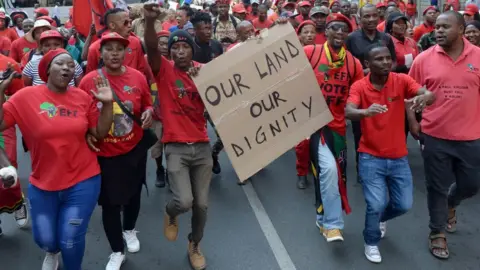
The experience of racism in Africa is varied, with some discrimination being blatant and other forms being subtle but systematic. Common experiences include:
- Social Exclusion and Prejudice: Many people face social barriers due to their race or ethnicity. In certain cities, foreigners or representatives of minority ethnic groups may be refused access to social events, universities, or business circles.
- Economic Discrimination: Race or ethnicity can impact employment and economic opportunity. For example, some individuals face discrimination in hiring or access to well‑paid positions, which perpetuates poverty and marginalisation.
- Cultural Stereotyping: Stereotypes based on intelligence, behaviour, or social value often lead to discriminatory actions. Experiencing racism in Africa frequently involves confronting deeply held ideas that demean a person’s identity and dignity.
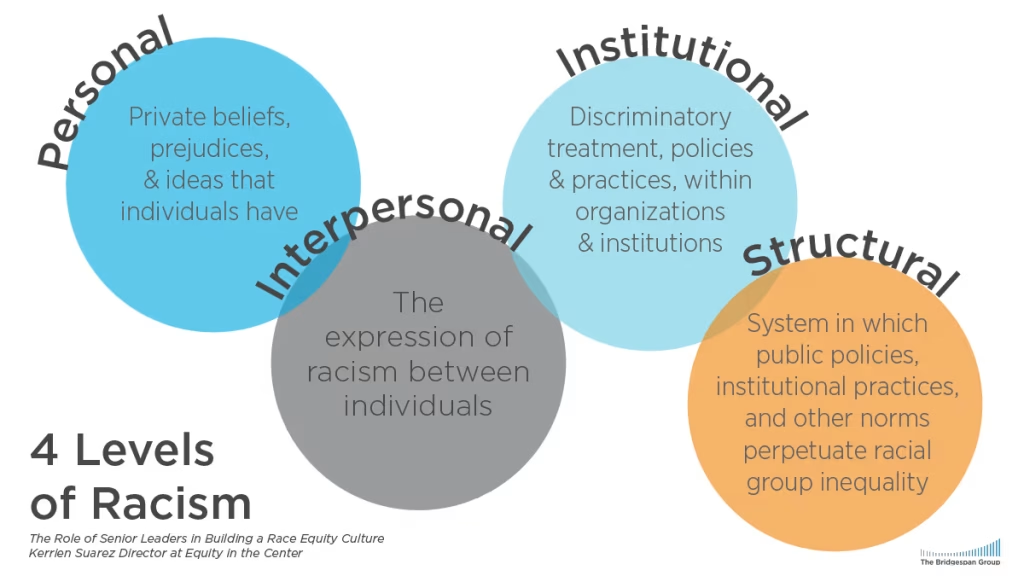
- Institutional Racism: Government policies and practices in law enforcement, government agencies, and educational institutions can unintentionally favour certain groups, making it difficult for others to access services or achieve social mobility.
These varied experiences show that racism in Africa is not merely a matter of personal bias; it is embedded in social systems that impose themselves on daily life.
Local and Foreigner Experiences of Racism
While local communities tend to suffer discrimination based on historical ethnic lines, foreigners – especially those from Western countries or Asia – may experience discrimination differently. Tourists and expatriates report cases of bias based on assumptions about wealth, nationality, or skin colour. For instance, a light‑skinned visitor may receive more favourable treatment than a dark‑skinned one, reflecting deeply rooted issues of colourism and class‑based prejudice.
Similarly, members of the African diaspora who return to the continent may face unintended discrimination. Even within their cultural and ancestral homelands, they can be regarded as outsiders – an example of how race and nationality intersect to create experiences of exclusion. For these groups, facing racism in Africa often means negotiating a mixture of social beliefs, institutional mindsets, and specific cultural attitudes.
Psychological and Social Effects of Racism
The effects of facing racism in Africa extend far beyond individual social interactions. Psychological research shows that repeated exposure to racial discrimination can lead to anxiety, depression, and low self‑esteem. Victims may internalise negative stereotypes, resulting in long‑term emotional and mental health challenges.
At a social level, racism creates segregation and weakens community bonds. When individuals or groups feel a lack of belonging, trust and cooperation across ethnic or racial lines become difficult. This fragmentation can hinder social development and limit opportunities for collective progress. Thus, addressing racism is not only a moral imperative but also a necessary step toward sustainable societal development.
Institutional and Government Responses

Many African governments and organisations have recognised the need to fight racial discrimination and encourage inclusiveness. Countries such as South Africa, Kenya, and Nigeria have established legal frameworks designed to protect citizens against race‑based abuse. For example, anti‑discrimination laws forbid workplace discrimination and hate speech, while educational initiatives promote tolerance and diversity.
Nevertheless, enforcement is uneven, and social attitudes often lag behind legal provisions. Civil society groups, community leaders, and advocacy organisations play an important role in filling this gap by offering support, facilitating discussions, and confronting discriminatory acts. Despite these efforts, the problem of racism in Africa remains a widespread challenge that requires coordinated action by all parties.
Racism in Education and Workplaces
Schools and workplaces are key settings where racism occurs and can also be addressed. In schools and universities, minority ethnic groups and international students may face bullying, unequal treatment, or prejudice from teachers. Such experiences can impede academic performance and limit future opportunities, reinforcing systemic inequality.
In the workplace, racial discrimination affects hiring, advancement, and financial fairness. Those who experience racism in Africa often report being overlooked for leadership positions, having their contributions undervalued, or facing microaggressions. Combating these issues requires not only legal reform but also a shift in corporate culture toward genuine inclusiveness and equity.
Strategies to Overcome and Reduce Racism
Addressing racism in Africa requires a holistic approach that combines legal, educational, and social actions. Key strategies include:
- Strengthening Legal Enforcement: Governments must ensure that anti‑discrimination laws are strictly enforced, with clear repercussions for violations.
- Raising Awareness Through Education: Incorporating lessons on tolerance, cultural appreciation, and the historical roots of racism into school curricula can reduce prejudice from a young age.
- Fostering Dialogue and Representation: Creating platforms for open discussion about race and ensuring diverse representation in leadership roles promote understanding and inclusion.
- Supporting Victims: Establishing counselling programmes, advocacy networks, and community support groups helps those who experience racism in Africa find assistance and healing.
- Engaging Media and Public Discourse: Responsible media reporting that avoids stereotypes and highlights positive inter‑community relationships can disrupt prejudice and foster unity.
Conclusion
The problem of racism in Africa is a complex issue that continues to affect people and communities across the continent. From the historical legacies of colonialism and slavery to present‑day experiences in workplaces, schools, and social circles, racism remains a persistent challenge. Locals and foreigners alike face discrimination in different forms, demonstrating the need for multi‑level measures that address legal, social, and cultural dimensions.
Tackling racism in Africa demands cooperation among governments, civil society, educational institutions, and communities to instil equity, tolerance, and inclusion. By understanding the causes, effects, and manifestations of racial discrimination, societies can make informed decisions that lead to a future where racism becomes a rare exception rather than an embedded culture. Awareness, education, and proactive intervention are the keys to creating a continent that celebrates diversity and upholds fairness and justice for everyone.