

Africa is one of the most fascinating and diverse continents on Earth, characterised by ancient historical landmarks, bustling metropolises, stunning wildlife, and remarkable natural scenery. However, visiting Africa can be quite different from visiting other continents. Distances are greater, infrastructure varies, and cultural norms differ. Planning errors can easily lead to missed opportunities or unnecessary hassle. That is why adopting smart strategies for African sightseeing is essential to make the most of your journey.
Whether you are exploring North African medinas, East African savannahs, Southern African cities, or West African cultural hubs, the right approach can dramatically improve your experience. This article provides practical, real‑world advice centred on the traveller. These strategies will save you time, reduce frustration, keep you safe, and facilitate more meaningful and deeper interactions across the continent.
Understanding Africa’s Scale and Diversity
Understanding the sheer size and diversity of Africa is one of the most important smart strategies for African sightseeing. Africa is not a single destination – it is a continent of over 50 countries, thousands of cultures, and diverse climates, languages, and travel conditions.
Many first‑time travellers overestimate distances between attractions. What appears close on a map may take hours or even days to cover, depending on road conditions and transport options. Effective sightseeing in Africa begins with realistic planning that accounts for travel time, regional variations, and local logistics.
Prioritise Quality Over Quantity
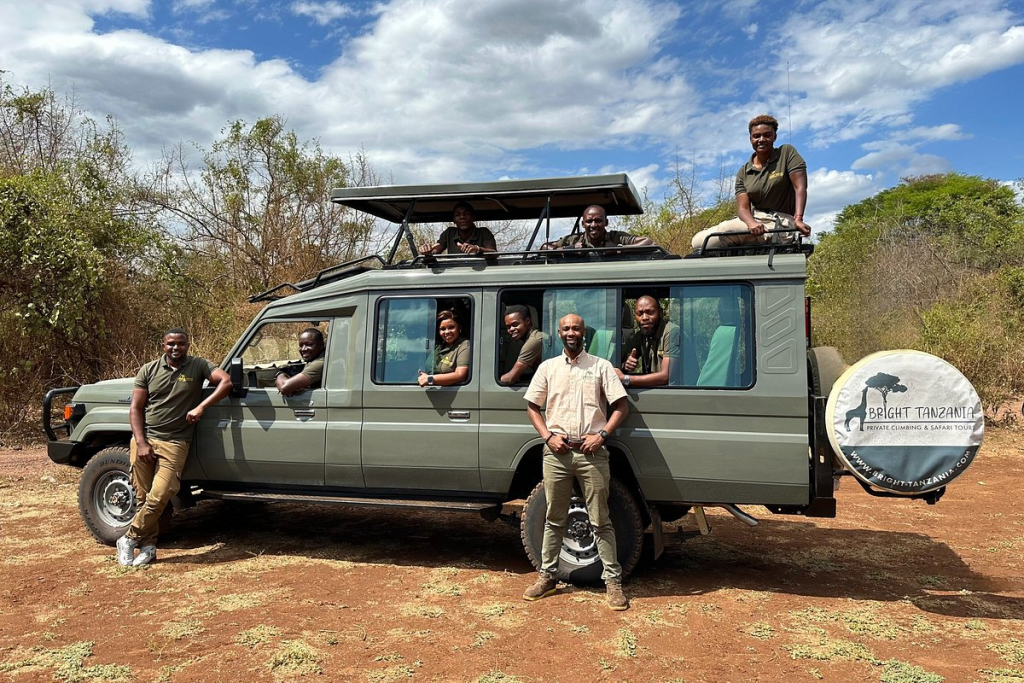
A key rule in smart strategies for African sightseeing is to focus on quality rather than quantity. Attempting to see too much in a short period often leads to exhaustion and superficial experiences.
Instead of visiting many countries or cities, choose a few places and get to know them well. Spending more time in an area allows you to:
- Adjust to local rhythms.
- Explore hidden gems.
- Reduce travel fatigue.
- Build meaningful cultural connections.
It also provides flexibility in case plans change due to weather, transport delays, or local events.
Research Local Conditions Before You Go
Thorough research is among the strongest smart strategies for African sightseeing. Before travelling, familiarise yourself with:
- Local customs and etiquette.
- Dress expectations.
- Seasonal and climatic conditions.
- Opening hours of attractions.
- Photography rules.
Some sites may close unexpectedly due to weather, religious events, or local circumstances. Being informed helps you plan effectively and avoid disappointments.
Choose the Right Time of Year
Timing is critical for successful sightseeing. Choosing the right season for your destinations is one of the most effective smart strategies for African sightseeing.
Peak seasons generally offer the best weather but also higher prices and larger crowds. Shoulder seasons often provide a balance between good conditions and fewer tourists. In wildlife areas, the time of year affects wildlife visibility, migration patterns, and park accessibility. Understanding seasonal variations ensures you experience what you came for without unnecessary difficulty.
Sightsee Early in the Morning

Early mornings are a secret weapon in smart strategies for African sightseeing. Attractions are less crowded, cooler, and quieter in the first hours of the day.
Benefits of early sightseeing include:
- Fewer crowds.
- Better lighting for photography.
- More wildlife activity.
- Reduced heat in hot regions.
Starting early also leaves room later in the day for adjustments or unexpected delays.
Hire Local Guides
One of the most overlooked smart strategies for African sightseeing is hiring local guides. No guidebook can match the depth of knowledge offered by local experts.
Guides can:
- Provide cultural and historical context.
- Help navigate complex sites.
- Share local stories and traditions.
- Help you avoid tourist traps.
Local guides also support the local economy, making your journey more meaningful and responsible.
Balance Iconic and Lesser‑Known Attractions
Iconic attractions are popular for good reason, but focusing solely on them can make your experience one‑sided. Balancing well‑known sites with off‑the‑beaten‑path destinations is one of the smartest strategies for African sightseeing.
Near every famous site, you will often find similar places with fewer tourists. Exploring lesser‑known areas can lead to more authentic interactions and exceptional memories. Ask locals, guides, or accommodation hosts for recommendations on the best hidden spots.
Be Culturally Aware
Cultural awareness is a pillar of smart strategies for African sightseeing. Africa is traditionally oriented, and showing respect goes a long way.
Key considerations include:
- Dressing modestly in conservative areas.
- Asking permission before photographing people.
- Greeting locals politely.
- Respecting religious sites.
Cultural respect not only prevents misunderstandings but also facilitates warmer interactions and more enriching experiences.
Use Smart Transportation

Sightseeing is directly linked to transportation. Choosing the right mode of transport for each destination is a highly effective smart strategy for African sightseeing.
In cities, walking or using local taxis may be more efficient than public transport during rush hours. In rural areas, hiring a driver or joining a small group tour can save time and reduce stress. Always allow buffer time – delays are common in many places.
Stay Strategically Located
Your choice of accommodation can make or break a sightseeing plan. Being near major attractions or transport hubs is a fundamental component of smart strategies for African sightseeing.
Strategic accommodation reduces commute time, allows more rest, and gives you the freedom to explore sites during off‑peak hours. In some cases, staying slightly outside city centres provides a more serene environment while maintaining easy access.
Prioritise Safety
Safety awareness is important and should not overshadow enjoyment. Staying informed without becoming anxious is one of the most balanced smart strategies for African sightseeing.
Basic safety measures include:
- Avoiding lonely areas at night.
- Keeping valuables secure.
- Following local advice.
- Using reputable tour operators.
Sightseeing in Africa is generally safe provided travellers remain alert and observant.
Stay Flexible and Adaptable
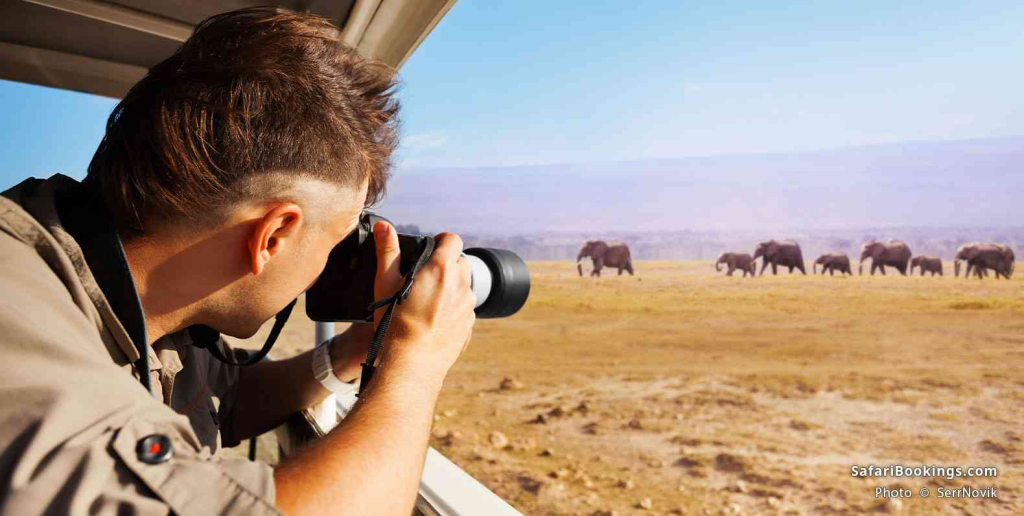
Flexibility is one of the strongest smart strategies for African sightseeing. Plans can be disrupted by infrastructure issues, weather changes, or local events.
Rather than feeling frustrated, embrace flexibility as part of the adventure. Use downtime productively, reschedule when you have extra days, and stay open‑minded – these approaches often lead to the most memorable experiences.
Use Technology Wisely
Technology can significantly enhance sightseeing when used appropriately. Navigation apps, translation software, offline maps, and travel reviews all support smart strategies for African sightseeing.
However, do not rely solely on technology. Internet connectivity can be poor in many locations, so always save maps and essential information before heading out. Combining digital tools with local knowledge is the most effective approach.
Manage Energy and Health
Sightseeing in Africa can be physically demanding due to heat, distances, and long journeys. Managing your energy is an important aspect of smart strategies for African sightseeing.
Take regular breaks, stay hydrated, eat well, and avoid overloading your schedule. Listening to your body ensures you remain healthy and enjoy your trip to the fullest.
Be Mindful of Photography and Social Media
Photography is a major part of sightseeing, but it should be done thoughtfully. Balancing photography with presence is a sensible smart strategy for African sightseeing.
Never photograph without permission, respect no‑photo areas, and avoid turning communities into tourist attractions. Authentic interactions often create stronger memories than photos alone.
Support Local Communities Through Sightseeing
Smart strategies for African sightseeing revolve around responsible tourism. Use local businesses, hire local guides, and purchase handmade goods whenever possible.
Your choices can:
- Support livelihoods.
- Preserve cultural heritage.
- Promote sustainable tourism.
When sightseeing positively impacts the places you visit, the experience becomes far more meaningful.
Don’t Over‑Schedule Your Itinerary

Over‑scheduling is a common mistake. Allowing room to move freely is one of the best smart strategies for African sightseeing.
Africa rewards spontaneous events – impromptu conversations, neighbourhood celebrations, or unexpected discoveries. These moments arise when you allow time to be unhurried.
Learn Basic Local Phrases
Sightseeing is greatly enhanced by knowing a few words of the local language. This is a simple but effective smart strategy for African sightseeing.
Simple greetings show respect, break down barriers, and often lead to friendlier interactions. Even if pronunciation is imperfect, locals appreciate the effort.
Conclusion
Africa offers some of the best sightseeing experiences in the world, and how you approach it largely determines the quality of your journey. Smart strategies for African sightseeing are not about rigid planning or rushing through attractions – they are about thoughtful preparation, cultural awareness, flexibility, and purposeful travel.
By knowing the best times to visit, balancing famous and lesser‑known sites, respecting local cultures, and seeking local expertise, you can transform a trip from exhausting to deeply rewarding. Every smart choice, when applied correctly, enables you to discover more than just places – it gives you the opportunity to connect with people, hear stories, and create memories that will make Africa unforgettable.