Africa is one of the most adventurous and educational travel experiences a family can have. With its diversity of wildlife, spectacular scenery, and rich cultures, Africa offers a unique opportunity for children to explore the world in a highly interactive and immersive way. Many parents ask whether it is safe and worthwhile to take their kids to Africa. The answer is yes – not only is it enjoyable, but it can also be safe when the trip is carefully planned for children of all ages.
This guide covers everything parents need to know about taking their kids to Africa, including family‑friendly destinations, safari planning, health and safety considerations, and how to make the trip memorable for the whole family. By the end, you will know how to ensure your African family adventure is both safe and enchanting.
Why Take Your Kids to Africa
The reasons families consider taking their kids to Africa as a travel goal are numerous:
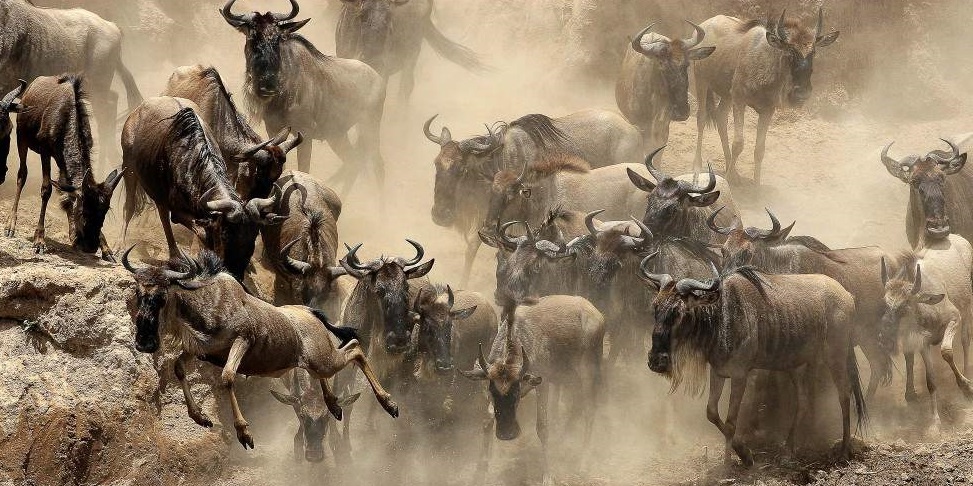
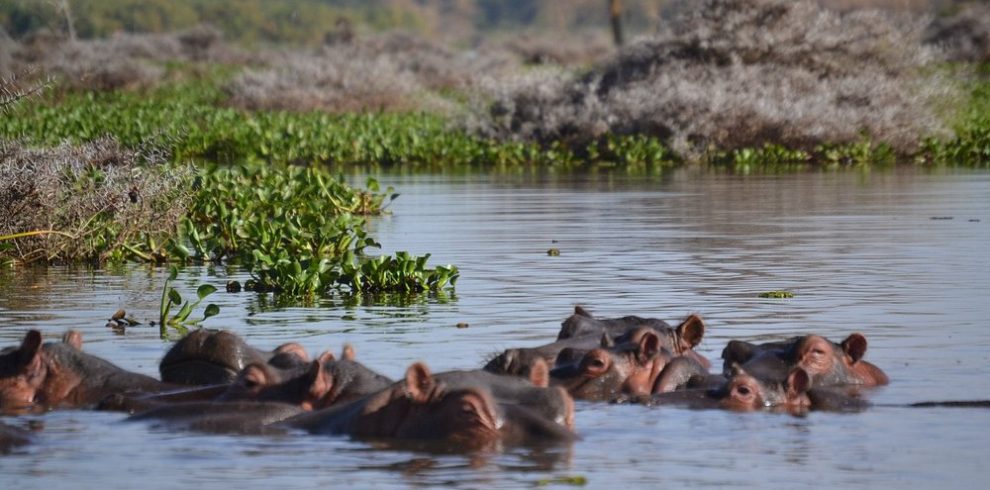
- Wildlife Experiences: Africa is home to some of the most iconic animals on earth – lions, zebras, giraffes, and elephants. Children find it exciting and educational to observe these animals in their natural habitat.
- Cultural Exposure: Africa’s diverse cultures give children a rare opportunity to learn about different traditions, languages, and ways of life.
- Learning and Adventure: Safaris, hiking, and storytelling allow children to engage with the natural world and develop curiosity and appreciation.
- Family Bonding: Shared experiences in Africa create lasting family memories. Storytelling, photography, and wildlife interactions bring parents and children closer together.
By deciding to take your children to Africa, you are providing them with a life‑changing, educational experience that will broaden their perspective.
Key Considerations When Taking Kids to Africa
Families should consider several important factors before deciding to take their kids to Africa:
1. Age and Readiness of Children
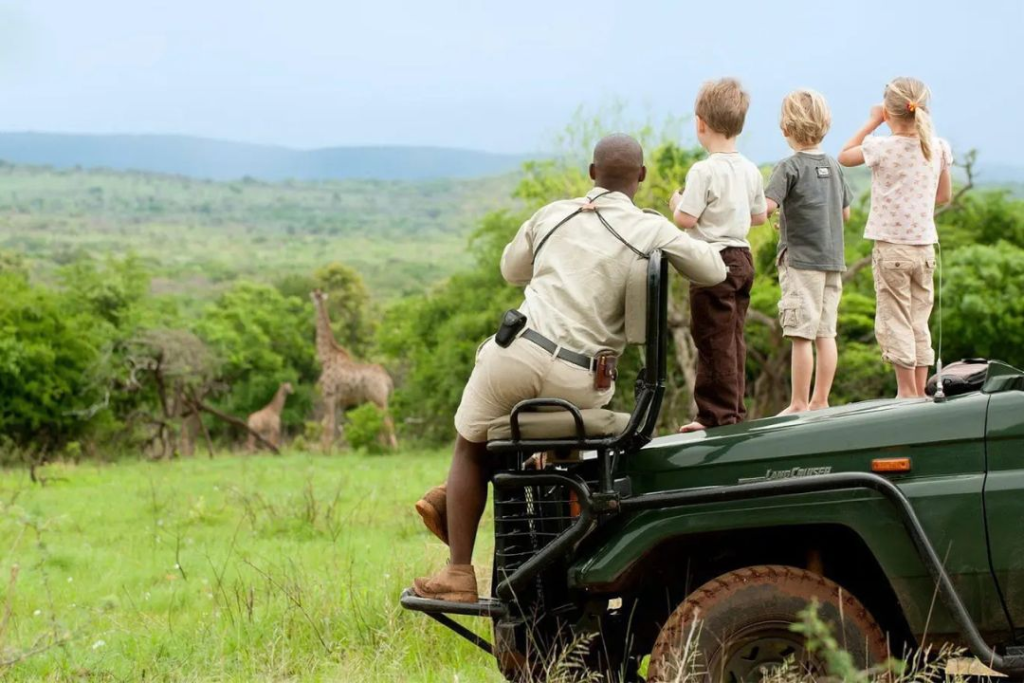
Younger children may become bored during long drives or early morning game drives. Most safari lodges recommend a minimum age of six for guided game drives. However, wildlife viewing can be enjoyed by children of all ages through activities at lodges, nature centres, and family‑friendly cultural experiences.
2. Health and Safety
Travel health for children requires careful planning:
- Consult a paediatrician about vaccinations, malaria prevention, and specific health issues for different regions.
- Bring a first‑aid kit with basic medications, insect repellent, and medical supplies.
- Ensure travel insurance covers medical emergencies and evacuation for children.
3. Duration and Travel Pace
Long flights and multi‑day drives can be challenging for children. Families should:
- Limit the number of destinations to prevent fatigue.
- Include rest days between activities.
- Choose child‑friendly outings such as short nature walks, boat safaris, or cultural interactions.
4. Climate and Weather Conditions
Africa’s climate varies by region – from hot and dry areas to humid zones. Keep children hydrated, use sun protection, and dress them in light, breathable clothing.
Considering these factors ensures a safe and enriching experience when taking your kids to Africa.
Best African Family Destinations
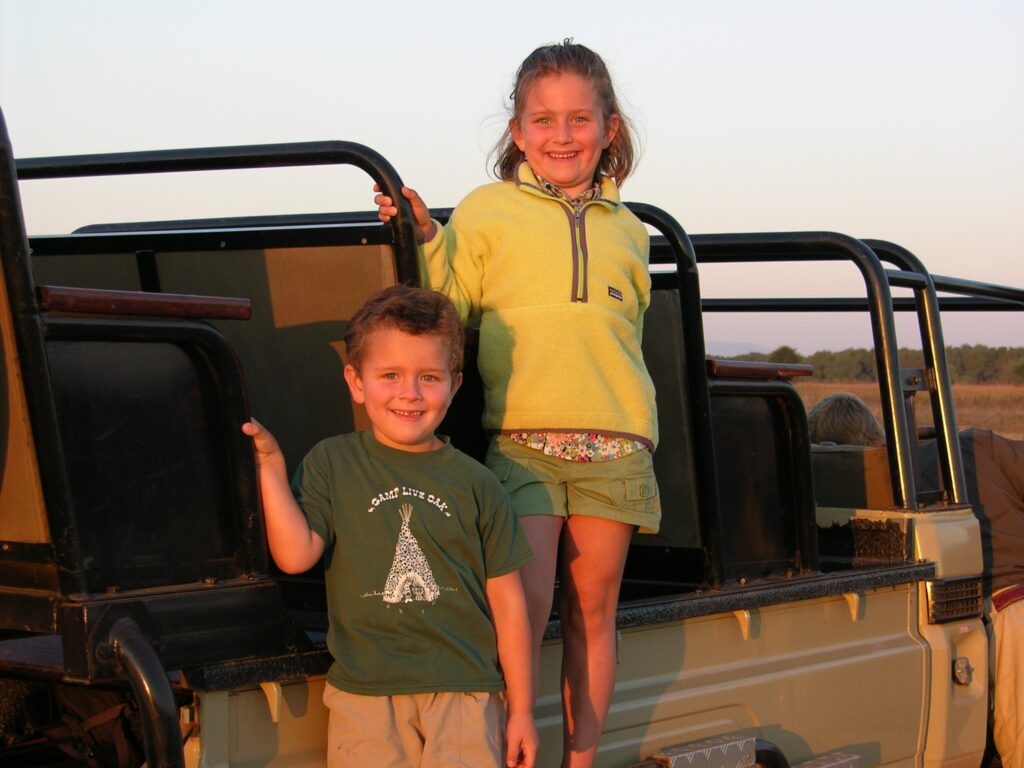
Focus on family‑friendly destinations when planning a trip with your children to Africa. The most suitable destinations include:
South Africa – Kruger National Park and Cape Town
South Africa is highly recommended for families. Kruger National Park offers comfortable safari options with private tours and child‑friendly wildlife programmes. Cape Town provides beaches, museums, and cultural experiences that complement a safari.
Kenya – Maasai Mara and Nairobi National Park
The Maasai Mara is ideal for viewing iconic African wildlife. Nairobi National Park is conveniently located and suitable for shorter trips with children. Many lodges offer educational programmes to teach children about conservation and wildlife.
Tanzania – Ngorongoro Crater and Serengeti
Tanzania offers spectacular scenery and safe safari tours. The Serengeti and Ngorongoro Crater allow children to see animals in their natural habitat, with lodges offering family comfort and guided tours.
Botswana – Chobe National Park and Okavango Delta
River safaris and boat tours in Botswana are ideal for children, offering safe wildlife viewing. Lodges provide family‑friendly accommodation and activities such as birdwatching and nature walks.
Namibia – Etosha National Park and Swakopmund
Namibia offers unique scenery and wildlife. Children enjoy dolphin watching, sandboarding, and interactive cultural tours in Swakopmund.
These destinations show that taking your kids to Africa can be safe, comfortable, and memorable.
Activities for Children on an African Safari
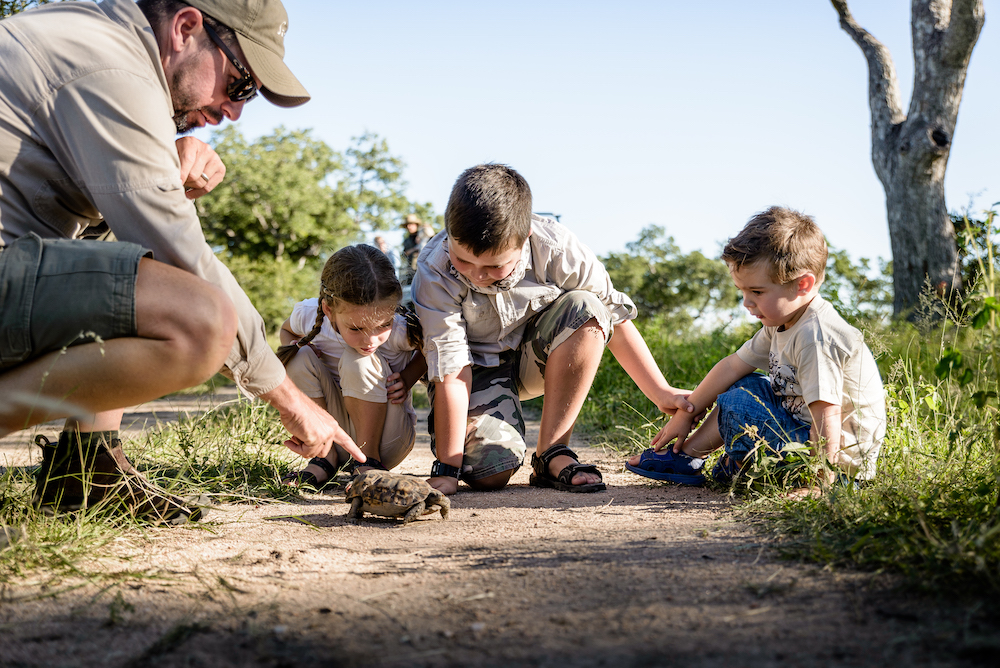
A safari in Africa with kids can include a variety of educational and entertaining activities:
Guided Game Drives
Game drives allow children to see wildlife safely. Knowledgeable guides explain animal behaviour, conservation, and ecology, making the experience both exciting and educational.
Nature Walks
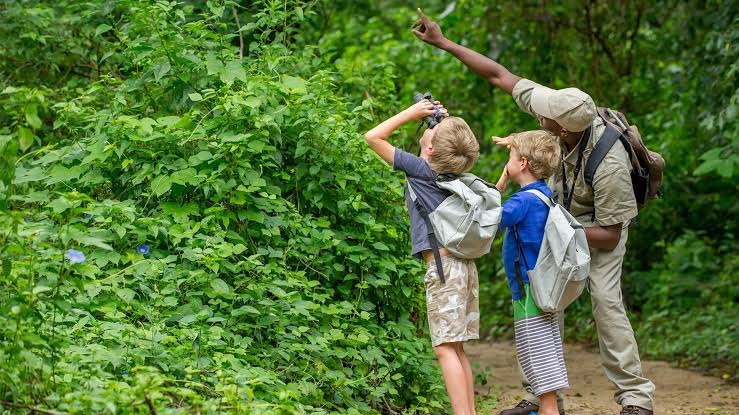
Many lodges offer short, guided nature walks suitable for children. Kids can observe smaller creatures, insects, and plants up close, learning about the natural environment.
Cultural Experiences
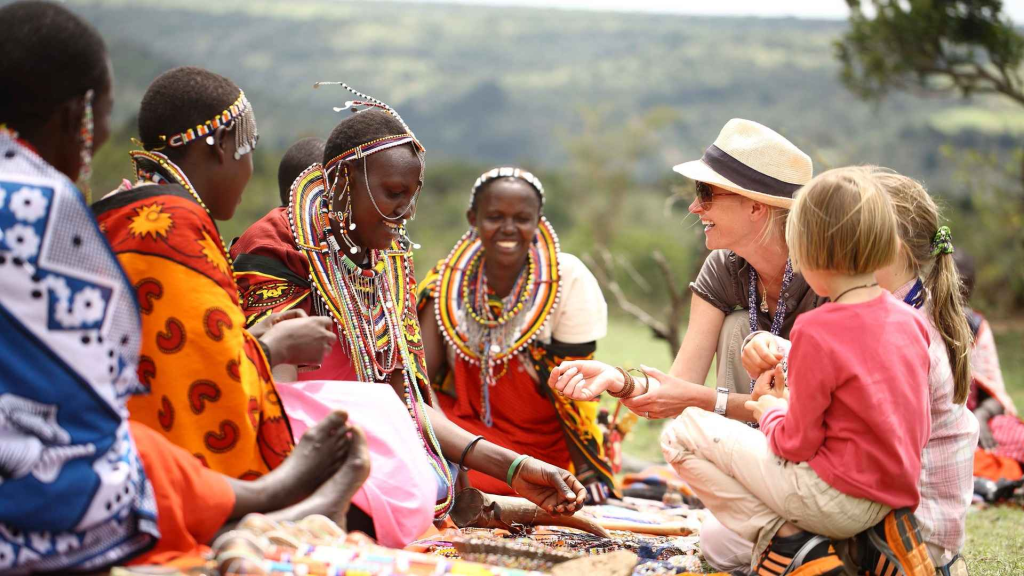
Visiting villages exposes children to different cultures. Interactive activities such as traditional dance, music, and craft sessions help children develop positive attitudes towards cultural diversity.
Educational Programmes
Many wildlife lodges offer junior ranger courses, conservation lectures, and wildlife seminars. Children learn about sustainable tourism and the importance of protecting endangered species.
Photography and Art Activities
Encourage children to take photos or draw pictures of wildlife and landscapes. These activities help children be creative while documenting their adventure.
With these activities, taking your kids to Africa becomes more than a vacation – it becomes a life‑enriching experience.
Tips for Travelling with Kids in Africa
To ensure a smooth and enjoyable experience when taking your kids to Africa:
- Plan Shorter Activities: Children have shorter attention spans, so plan shorter activities with rest breaks in between.
- Pack Appropriately: Bring lightweight clothes, comfortable shoes, hats, sun protection, insect repellent, and a first‑aid kit. Carry snacks, games, and books for downtime.
- Prioritise Health: Ensure up‑to‑date vaccinations, use mosquito nets where needed, and have access to clean drinking water.
- Involve Children in Planning: Let children help choose activities and destinations to build excitement.
- Choose Child‑Friendly Lodges: Select lodges offering kid‑friendly amenities such as children’s meals, play areas, and educational programmes.
- Capture Memories: Encourage children to keep a travel journal or scrapbook to help them remember the experience.
These strategies ensure a safe and engaging trip to Africa with kids.
Challenges to Anticipate
While Africa is an excellent family destination, parents should be aware of potential challenges:
- Long Flights and Travel Fatigue: Many destinations are far away. Plan layovers and rest days upon arrival.
- Limited Medical Facilities: Some remote areas have limited healthcare. Always carry a first‑aid kit and emergency contacts.
- Wildlife Safety: Children must stay inside vehicles or under guide supervision at all times.
- Extreme Weather: High temperatures or cool evenings can affect comfort. Plan clothing and hydration accordingly.
Understanding these challenges helps families prepare and avoid setbacks.
Optimising the Family Experience
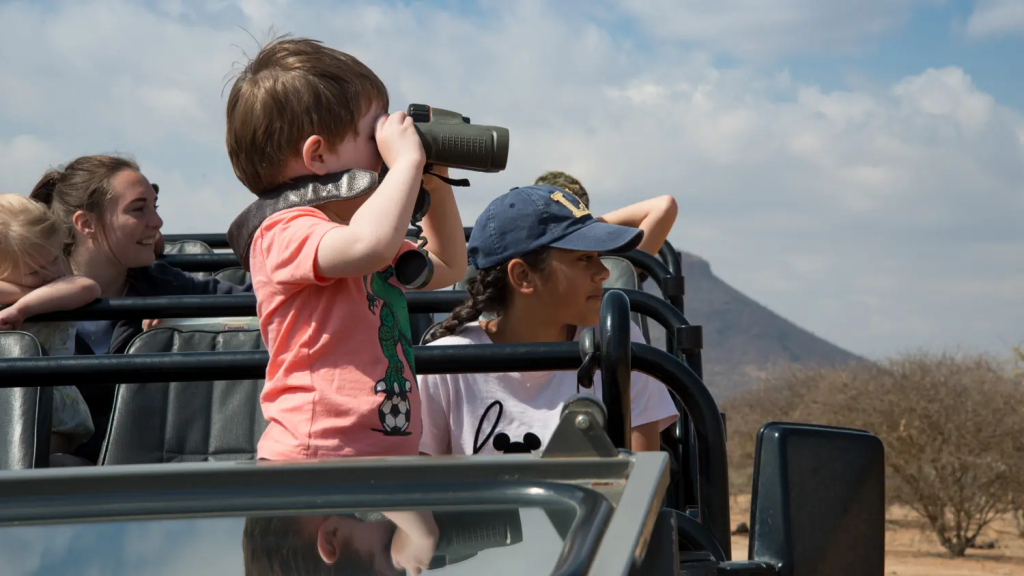
To make the most of taking your kids to Africa, combine fun, education, and relaxation:
- Balance Education and Leisure: Combine wildlife viewing with cultural and interactive experiences.
- Schedule Rest Days: Prevent exhaustion by including rest days.
- Get Children Involved: Encourage children to identify animals, take photographs, and ask questions during tours.
- Create Lasting Memories: Photos, journals, or videos help children reflect on their experience and remember it for years to come.
With thoughtful planning, families can enjoy a safe, enjoyable, and educational safari.
Conclusion
A family trip to Africa is an excellent experience that satisfies wildlife, cultural, and family bonding needs in a way few other destinations can. By choosing family‑friendly destinations, planning child‑friendly activities, and prioritising health and safety, parents can ensure their children have a memorable and enriching experience.
Whether it is game drives in Kruger National Park, river safaris in Botswana, or cultural visits in Kenya and Tanzania, Africa offers diverse experiences for children of all ages. Taking your children to Africa is not only possible with the right planning, but it is also one of the most rewarding educational adventures a family can have.
Africa evokes curiosity, promotes appreciation of wildlife and cultures, and strengthens family bonds – making it an attractive destination for families seeking adventure, learning, and lasting memories. When you take your children to Africa, you are not just creating memories; you are building experiences that will last a lifetime.