
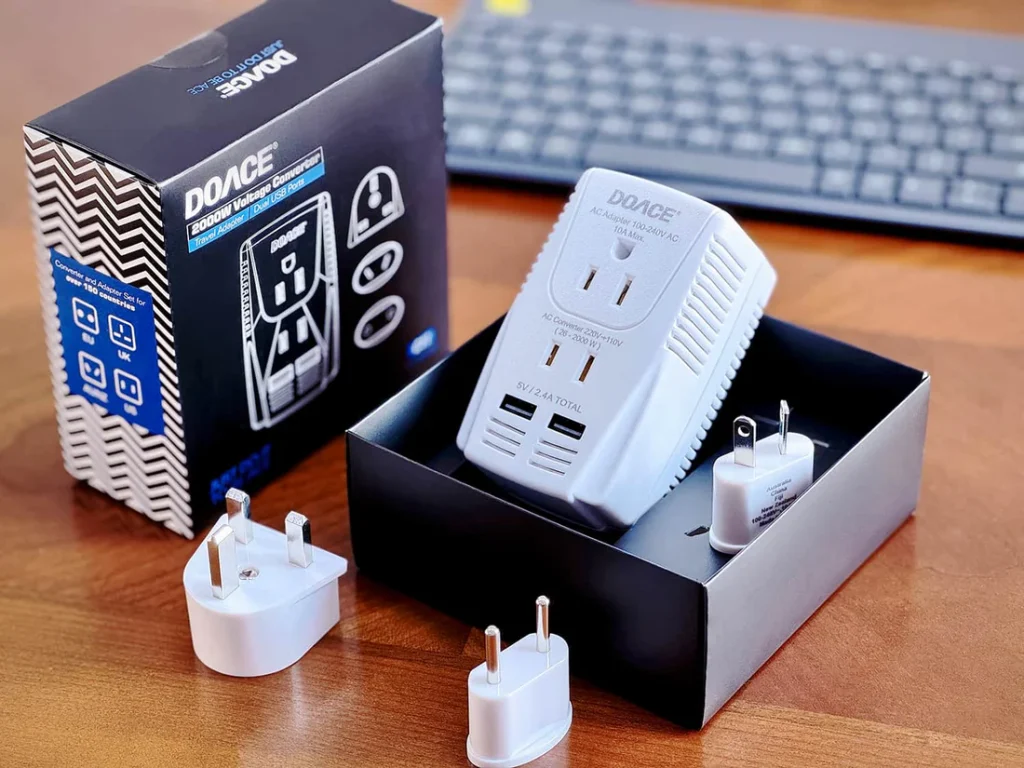
Africa is a thrilling travel destination, full of scenic sights, rich cultures, and unforgettable experiences. However, one of the most overlooked aspects of planning a trip to Africa is managing your electronic devices. Laptops, phones, cameras, and other gadgets are essential for modern travel, which is why understanding electrical systems in Africa – including adapters and converters – is crucial for staying charged and connected.
Electrical systems across Africa vary widely, with differences in plug types, voltage standards, and frequency levels. Without proper preparation, travellers risk damaging their devices, facing inconvenience, or struggling to charge electronics at hotels, lodges, and airports. This comprehensive guide provides an overview of electrical systems in Africa, covering plug types, voltage compatibility, travel tips, and essential equipment every traveller should carry.
Why Understanding Electrical Systems in Africa Matters
Africa has diverse electrical systems. While many cities have modern electrical supplies, rural areas or remote lodges may have outdated wiring, limited sockets, or intermittent power. Using the wrong adapter or forcing a device into an incompatible system can lead to device failure or safety hazards.
Key reasons to understand African electrical systems include:
- Device protection: Safeguard smartphones, laptops, cameras, and tablets.
- Staying connected: Keep devices charged for navigation, communication, and photography.
- Safety: Prevent electrical fires, short circuits, or shocks from incompatible plugs or voltage.
- Saving time and frustration: Plan ahead with the correct adapters to avoid last‑minute issues.
Proper preparation ensures you enjoy your African adventure without worrying about power complications.
African Electrical Systems
Africa does not have a single standard electrical system. Voltage, frequency, and plug types vary by country.
1. Voltage
Most African countries use 220‑240 volts, though some still use 110‑127 volts. It is essential to verify the voltage in your destination country before deciding whether you need a converter.
2. Frequency
Most African countries use a standard frequency of 50 Hz, which differs from the 60 Hz used in countries such as the United States. Some devices do not operate optimally when the frequency is incompatible, especially appliances like hair dryers or electric shavers.
3. Plug Types
Africa uses multiple plug types, including Type C, Type D, Type E, Type F, Type G, and Type M. Below is a breakdown of the most common plug types by region:
- Type C: Common in Morocco, Tunisia, Algeria, and most of North Africa.
- Type D: Found in Ghana, Nigeria, and Kenya.
- Type E and F: Used in South Africa, Senegal, and Egypt.
- Type G: Widely used in Nigeria, Ghana, and parts of East Africa.
- Type M: Used in South Africa and Eswatini (Swaziland).
For travellers visiting multiple African countries, a universal travel adapter is highly recommended.
Difference Between Adapters and Converters
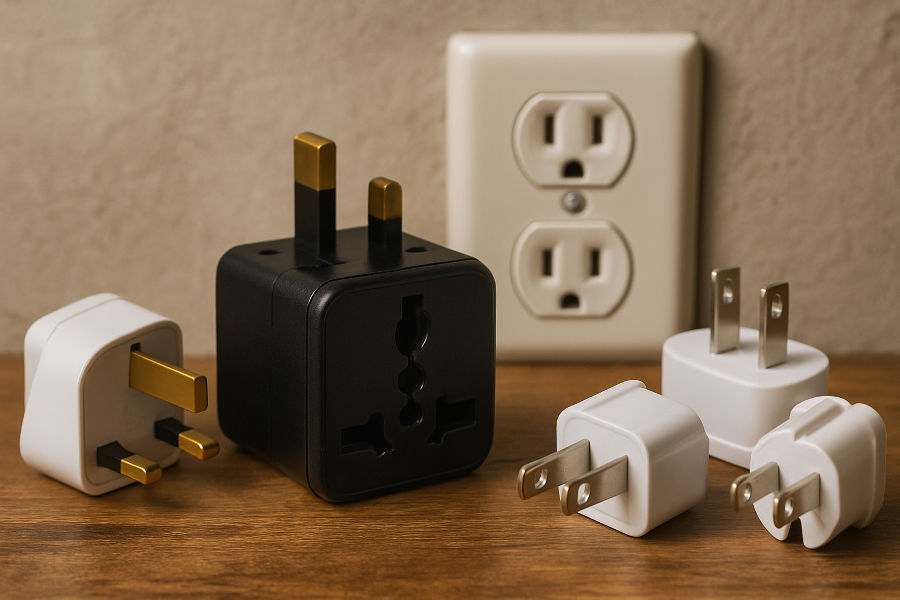
Understanding the distinction between adapters and converters is essential for safe device usage.
Adapters
Adapters allow you to connect your device to foreign sockets without converting electrical voltage. They do not transform voltage; they simply change the plug shape.
When to use an adapter:
- Your device supports the local voltage (check the label for ratings such as 100‑240V).
- You are using multi‑voltage devices like laptops, smartphones, tablets, or camera chargers.
Converters
Converters (or voltage converters) change the electrical voltage from one level to another. They are required when your device is not compatible with the local voltage.
When to use a converter:
- Single‑voltage appliances such as hair dryers, curling irons, or electric kettles.
- Devices that are not dual‑voltage.
Essential Electrical Accessories for Travel in Africa
1. Universal Travel Adapter
A universal travel adapter is essential for multi‑country travel in Africa. Look for features such as:
- Multiple plug types (C, D, E, F, G, M)
- USB charging ports for smartphones and tablets
- Compact and lightweight design
- Surge protection for device safety
2. Dual‑Voltage Devices
Many modern electronics are dual‑voltage (110‑240V). Laptops, smartphones, and cameras typically fall into this category. If your device is dual‑voltage, a simple adapter will suffice.
3. Voltage Converters
Appliances with single‑voltage requirements, such as hair dryers or electric kettles, need voltage converters. When choosing a converter:
- Ensure it can handle the wattage of your device.
- Portable converters are best for travel.
- Some converters include built‑in surge protection.
Practical Tips for Using Adapters and Converters in Africa
1. Check Your Device Labels
Read the labels on all your electronic devices before travelling. Look for voltage and frequency ratings (e.g., 100‑240V, 50‑60Hz). This helps determine whether you need an adapter or a converter.
2. Bring Multiple USB Adapters
Travellers often carry multiple devices that charge via USB. A multi‑port USB charger is useful because it allows you to charge several devices from a single outlet instead of carrying individual chargers.
3. Pack a Portable Power Bank
Some areas of Africa have unreliable power. A high‑capacity portable power bank helps keep your devices charged during safaris, road trips, or stays in remote locations.
4. Use Surge Protectors
Voltage fluctuations are common in some African countries. Travel surge protectors are inexpensive but worthwhile for protecting sensitive electronics.
5. Research Local Plug Types in Advance
Find out the plug types used in your destination before you travel. This helps you avoid buying expensive adapters at airports or hotels at the last minute.
Country‑Specific Electrical Information
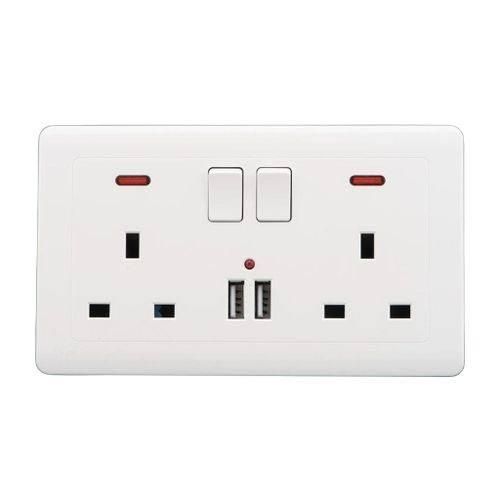
Below is a brief overview of electrical systems in popular African travel destinations:
- South Africa: Type M plugs, 230V, 50Hz
- Kenya: Type G plugs, 240V, 50Hz
- Egypt: Type C and F plugs, 220V, 50Hz
- Morocco: Type C and E plugs, 220V, 50Hz
- Nigeria: Type G plugs, 230V, 50Hz
- Tanzania: Type D and G plugs, 230V, 50Hz
A universal adapter simplifies travel across multiple countries.
Safety Considerations for Electrical Devices in Africa
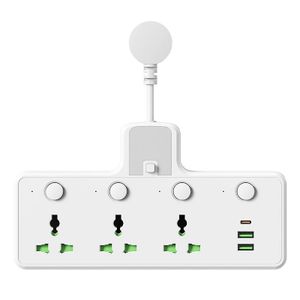
Electrical power in some African countries can be variable. Follow these safety tips:
- Do not use damaged plugs or sockets.
- Never force an adapter to fit into a socket.
- Use only certified adapters and converters.
- Keep devices away from moisture and wet conditions.
- Switch off appliances when not in use to prevent overheating.
Taking these precautions allows travellers to enjoy their electronic devices safely while exploring Africa.
Additional Tech‑Savvy Travel Tips
- Get a Multi‑Country Adapter: Reduces clutter and ensures compatibility across Africa.
- Check Hotel Room Outlets: Not all accommodations have enough sockets; consider a travel power strip.
- Consider Solar Chargers: Ideal for safaris or areas with limited electricity.
- Label Your Chargers and Adapters: Avoid confusion when sharing a room with other travellers.
- Save Offline Maps and Travel Apps: Reduce reliance on continuous charging and mobile data.
Conclusion
Understanding electrical systems in Africa – including adapters and converters – is an essential part of travel planning. With diverse electrical systems, voltage standards, and plug types across the continent, proper preparation ensures that smartphones, laptops, cameras, and other gadgets remain safe and functional.
By carrying universal adapters, voltage converters, portable chargers, and surge protectors, travellers can avoid hassles, protect their electronics, and continue their adventures uninterrupted. Whether you are visiting the pyramids of Egypt, going on safari in Tanzania, or exploring the streets of Johannesburg, considering your electrical needs is as important as packing your passport and tickets.
Understanding electrical systems in Africa is not just about gadgets – it is an essential part of travel preparation that keeps you connected, safe, and ready to capture every moment of your African journey.