
Experience Mokolodi, Beyond Your Imagination
25+ years of expertise in 15 Africa Countries
1000+ thoughtfully selected travel partners
200,000+ travellers, many of whom return year after year

Why Travel With Exodussafaris?
25 Years of Safari Expertise
With more than two decades of hands-on experience, we design tailor-made African safaris shaped by in-depth destination knowledge and trusted local partnerships.
We Know Because We Go
Our long-standing presence across Africa gives us unmatched insight into every destination, from lodges and landscapes to unique experiences and lesser-known treasures.
24/7 Support
From your first inquiry to your safe return home, we provide round-the-clock assistance, ensuring every detail is handled seamlessly while our local partners deliver exceptional service on the ground.
Every Adventure Makes a Difference
Each journey contributes to the preservation of natural habitats and the well-being of local communities, helping both thrive sustainably.
Complete Financial Protection
Book with confidence knowing your investment is secure, supported by reliable systems designed to protect every aspect of your travel experience.
World-Class Recognition, Trusted by Travellers
Celebrated by leading travel authorities and valued by our guests, our reputation is built on consistently delivering exceptional safari experiences that travelers remember for a lifetime.
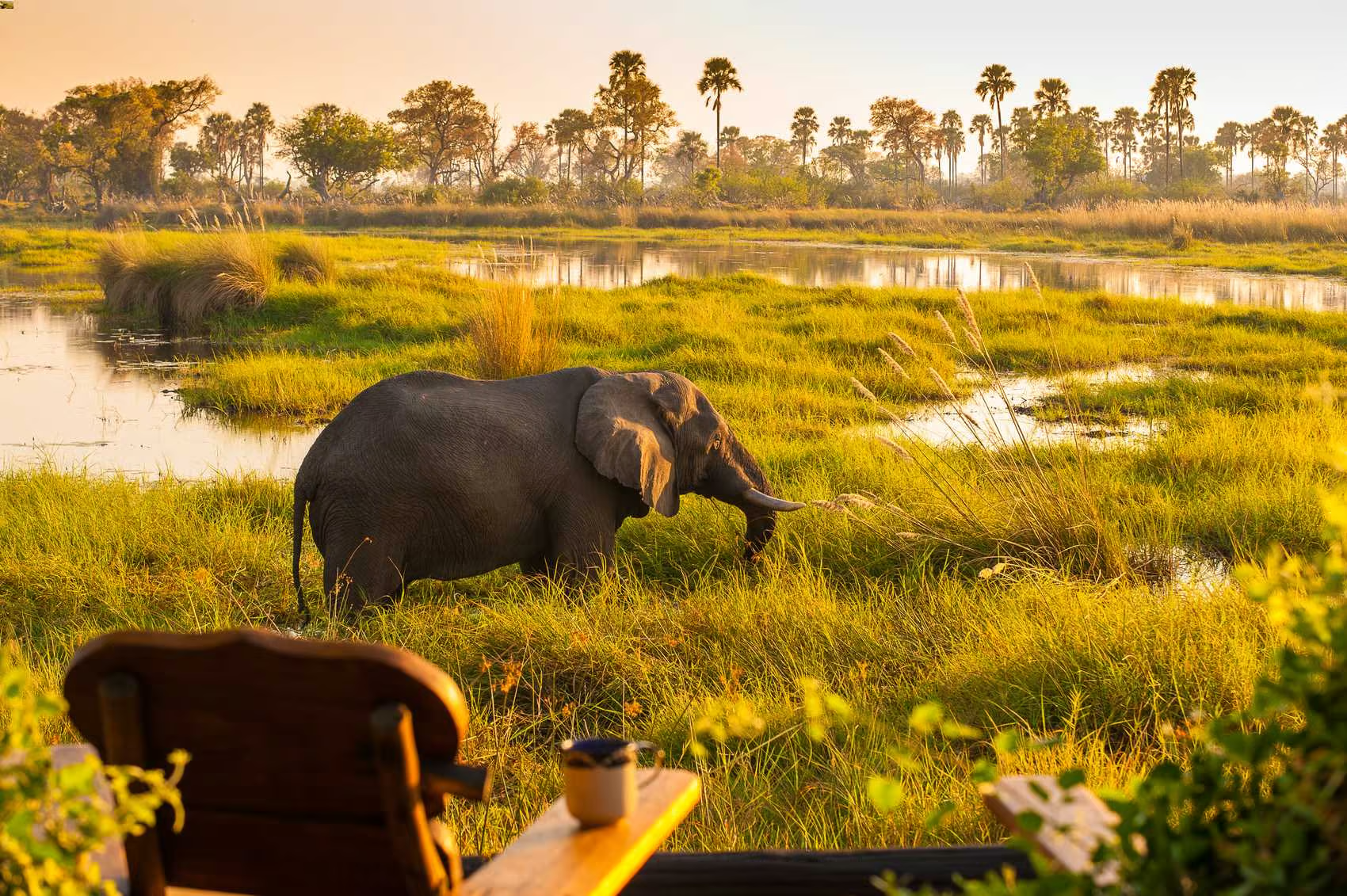
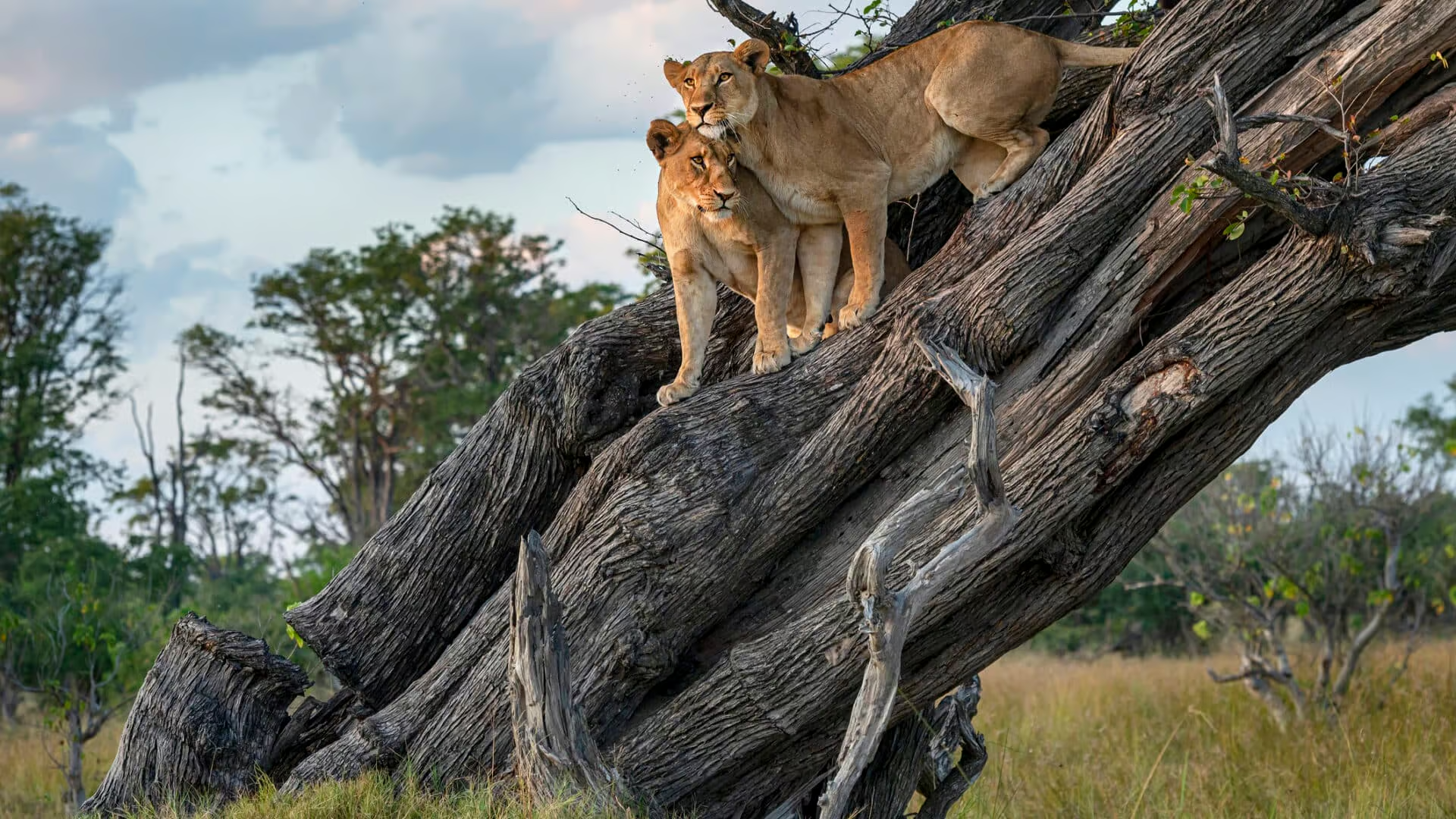
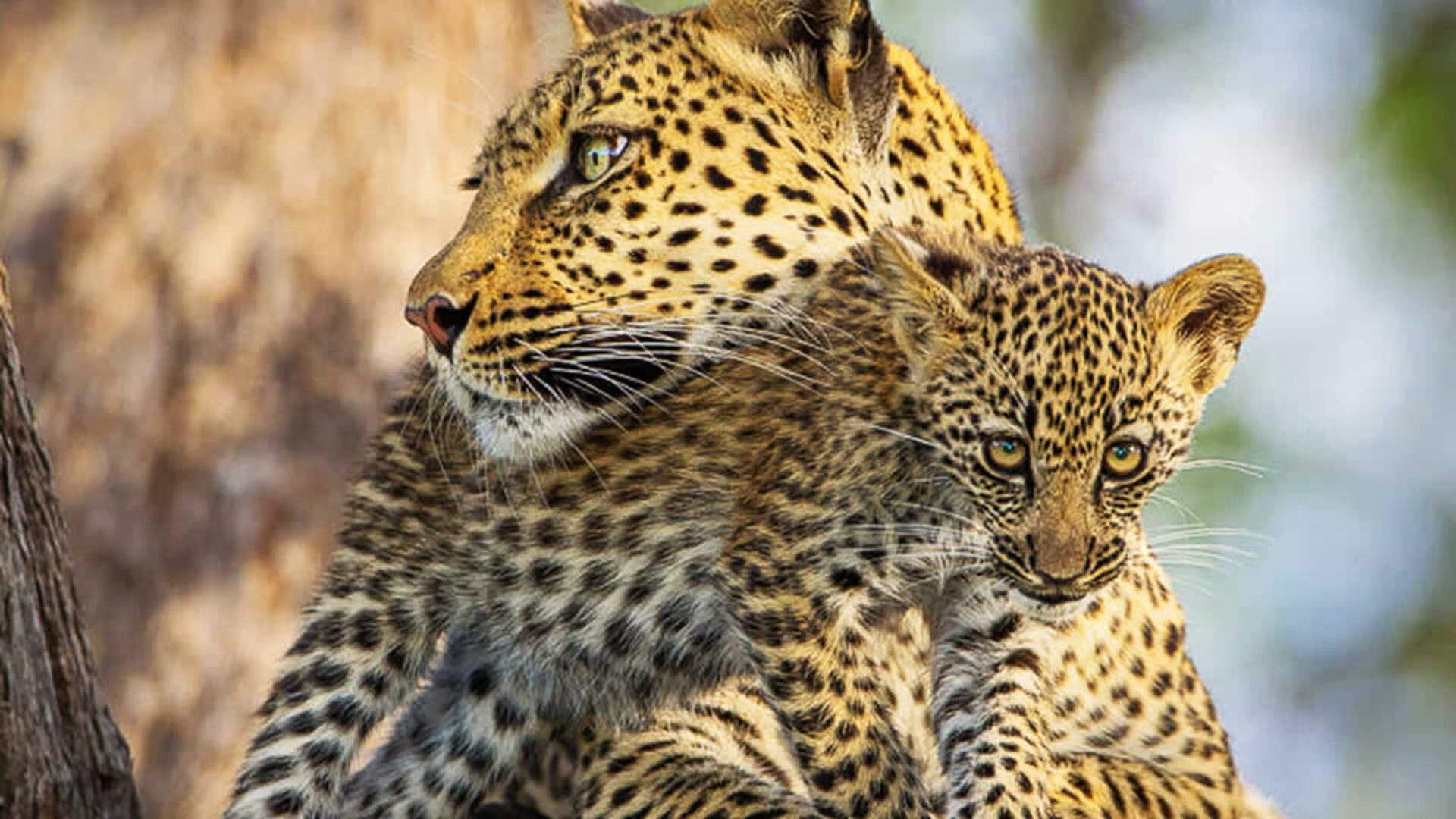
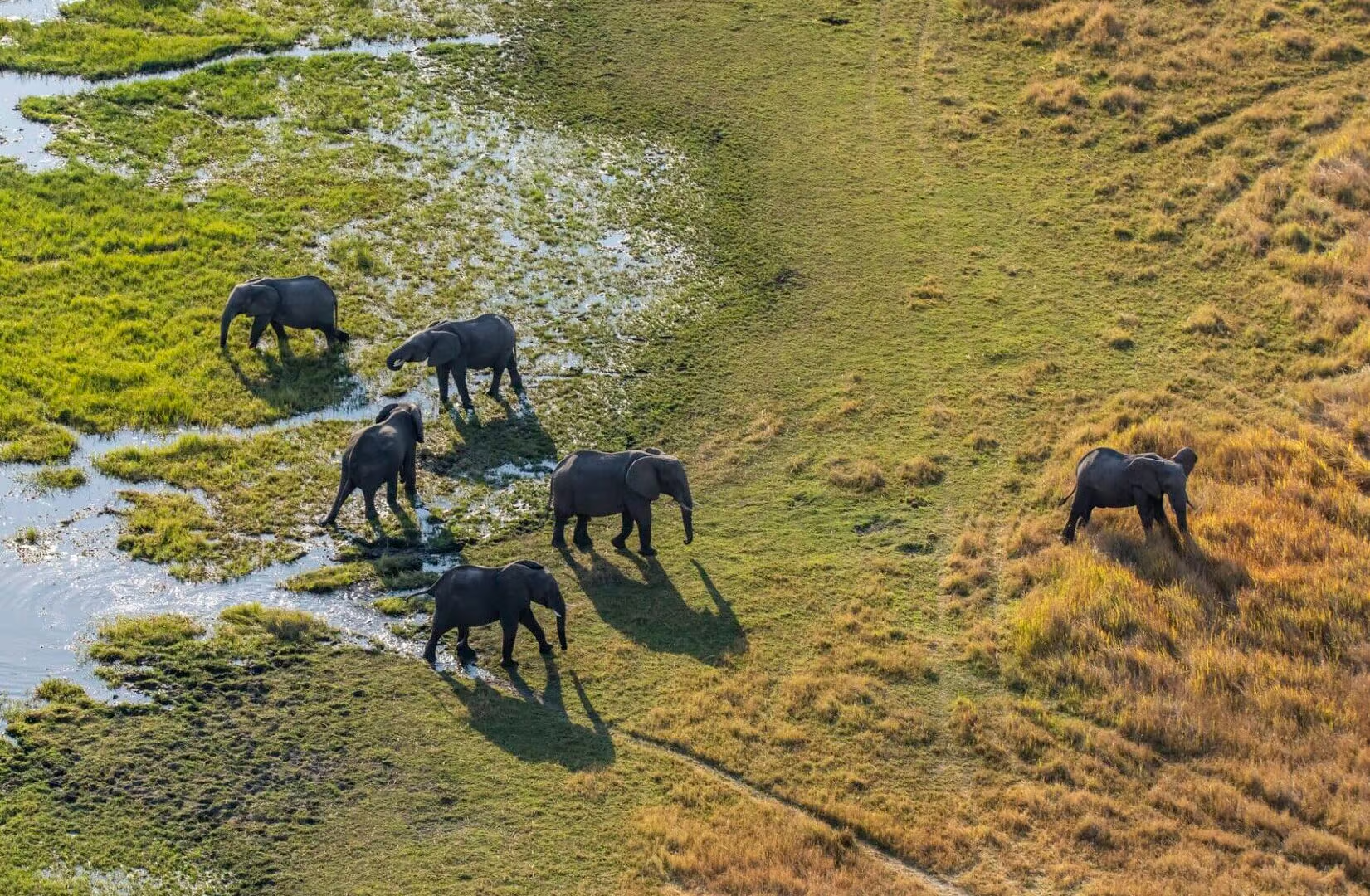
Mokolodi Gallery
Where To Go In Mokolodi
Mokolodi offers a rich variety of wildlife areas, scenic viewpoints, and cultural experiences, making it a destination filled with diverse places to explore.
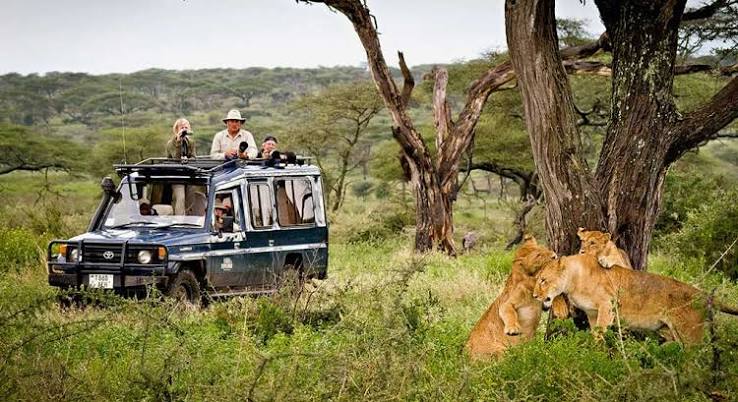
Mokolodi Nature Reserve Main Game Area
This is the heart of Mokolodi, where visitors can enjoy classic safari drives through open savannah dotted with acacia trees. Expect sightings of giraffes, zebras, and antelope species roaming freely. The landscape provides excellent photography opportunities, especially during sunrise and sunset. Guided drives enhance the experience with expert insights into wildlife behavior.
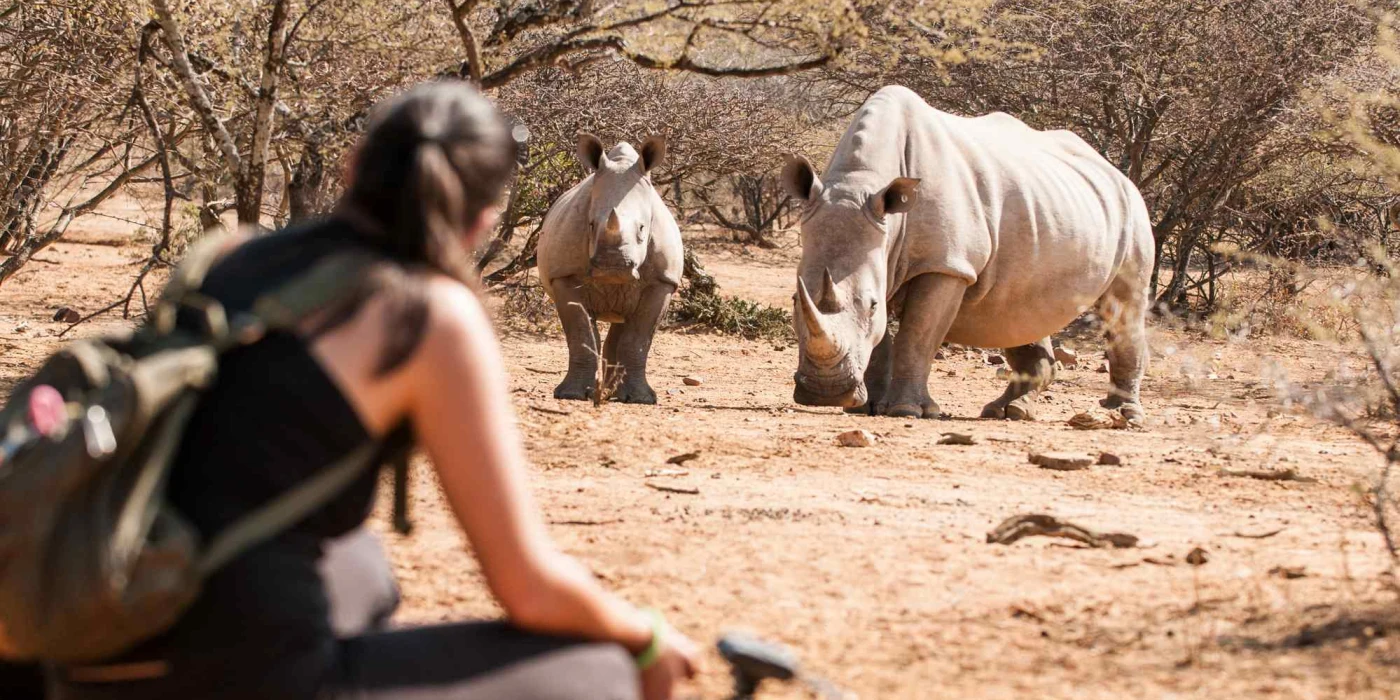
Rhino Enclosure
A highlight for many visitors, the rhino enclosure offers a rare chance to observe these majestic animals up close. Guided walks allow for safe and educational encounters. Conservation efforts are a major focus here, giving visitors insight into anti-poaching initiatives. It’s both inspiring and unforgettable.
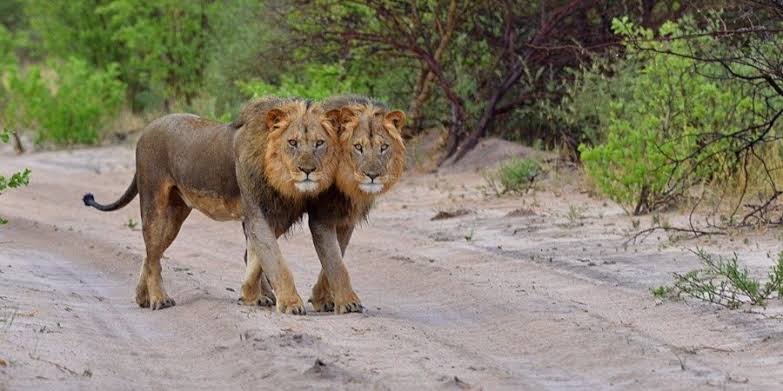
Predator Park
Home to leopards and other carnivores, this section offers a deeper look into Africa’s top predators. The enclosures are designed to mimic natural habitats while ensuring safety. Informative guides explain predator behavior and conservation challenges. It’s a must-visit for wildlife enthusiasts.
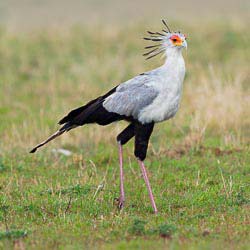
Bird Hide
Perfect for bird lovers, this quiet spot overlooks a waterhole that attracts a variety of bird species. Early mornings are especially rewarding, with vibrant activity and calls filling the air. It’s also a peaceful place to relax and connect with nature. Bring binoculars for the best experience.
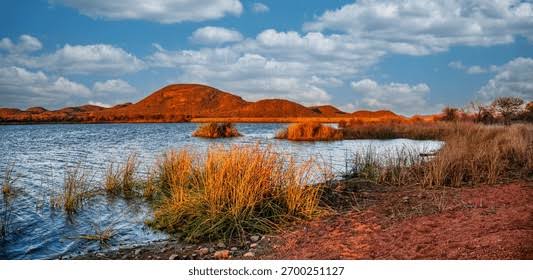
Kgabo Dam
A serene water body within the reserve, Kgabo Dam is ideal for scenic views and wildlife spotting. Animals frequently gather here to drink, particularly during dry seasons. It’s also a great picnic location. The calm setting makes it perfect for unwinding.
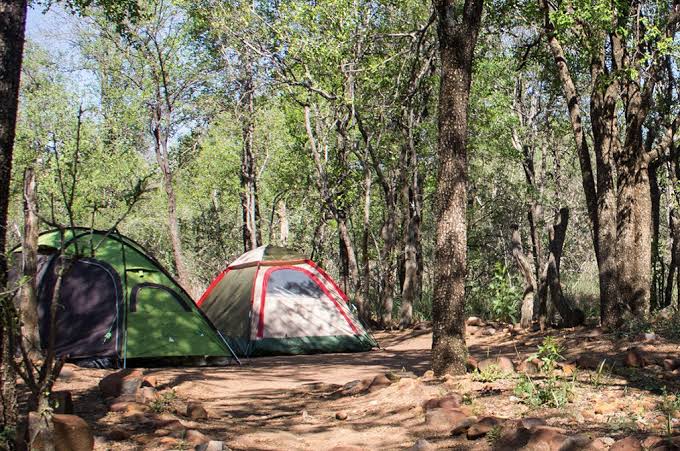
Mokolodi Campsite Area
This area offers an immersive bush experience for those who enjoy camping. Surrounded by nature, it allows visitors to experience the sounds and sights of the wild up close. Facilities are basic but comfortable. Nights under the stars are truly memorable.
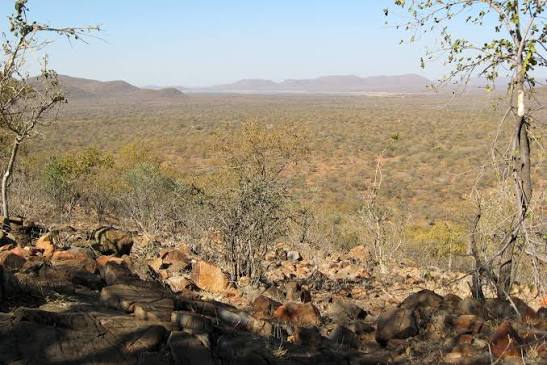
Nature Trails Network
Mokolodi features a range of walking trails that cater to different fitness levels. These trails allow for intimate encounters with nature, guided by experienced rangers. You’ll discover smaller wildlife and plant species often missed on drives. It’s an enriching way to explore the reserve.
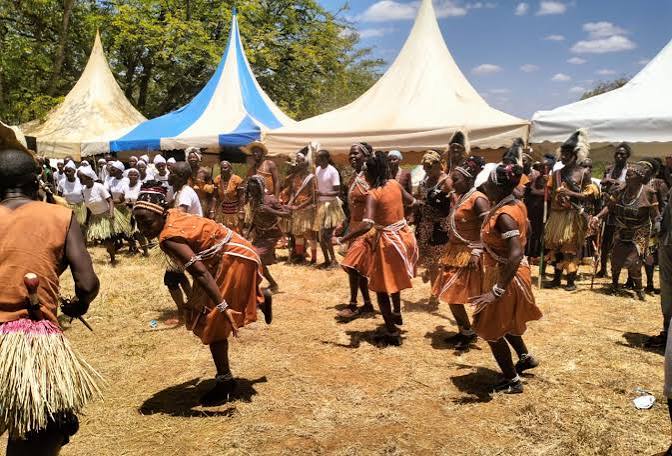
Cultural Village Experience
This area provides insight into local traditions and lifestyles. Visitors can engage with cultural demonstrations, crafts, and storytelling. It adds a human dimension to the safari experience. It’s both educational and culturally enriching.
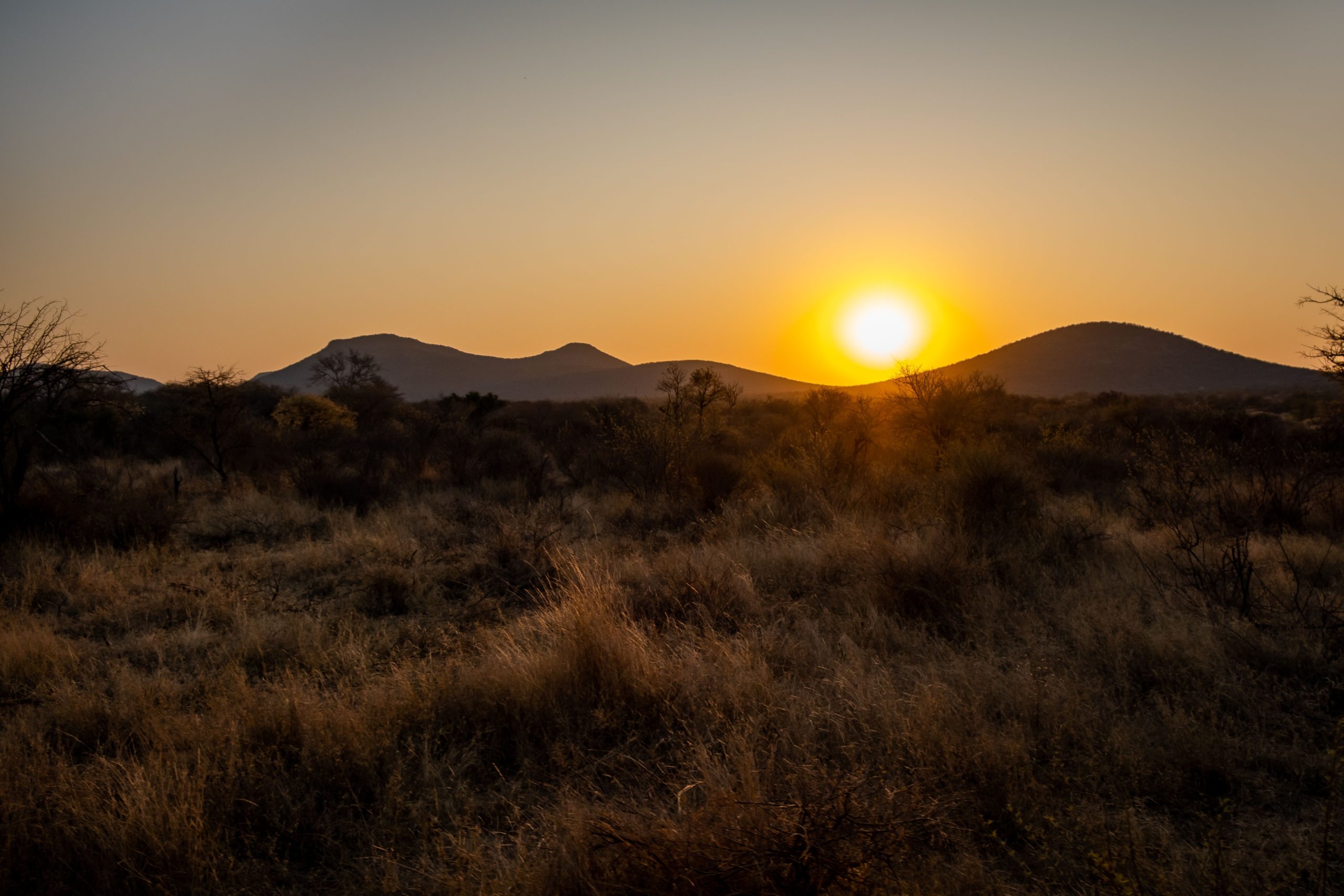
Photography spots
Offering panoramic views of the reserve, this elevated spot is perfect for photography and quiet reflection. It’s especially stunning during golden hour. Visitors can take in the vast landscape and spot wildlife from above. A short hike leads to this rewarding viewpoint.
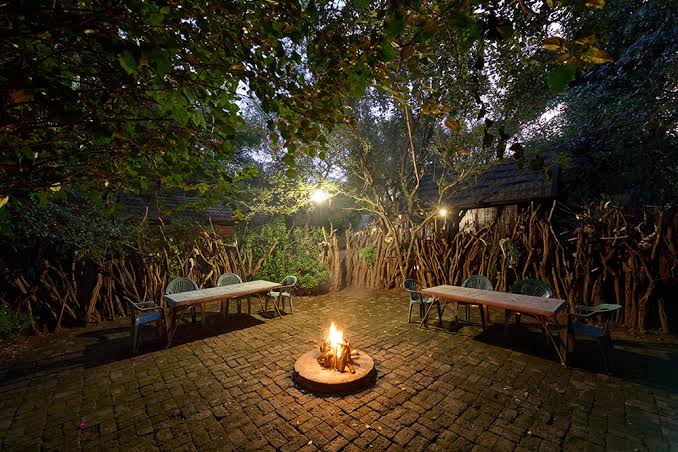
Bush Braai Site
Enjoy a traditional African barbecue in a scenic outdoor setting. This site is perfect for group gatherings and special occasions. Surrounded by nature, it combines great food with a unique atmosphere. It’s a memorable way to end a safari day.
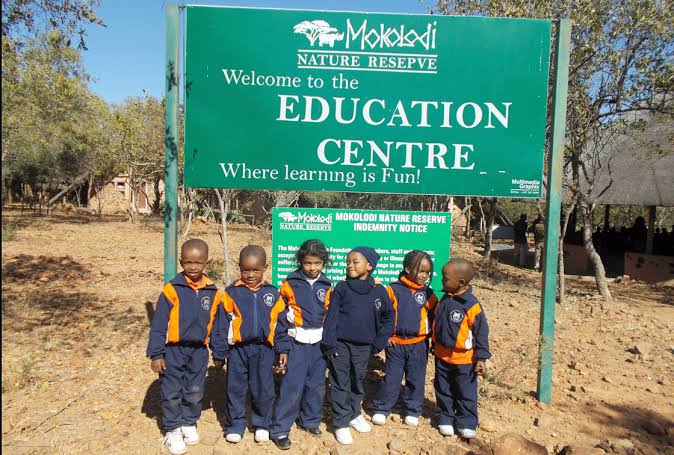
Environmental Education Centre
Ideal for families and students, this center focuses on conservation education. Interactive exhibits and guided sessions provide valuable knowledge about ecosystems. It’s both informative and engaging. A great stop for those interested in sustainability.
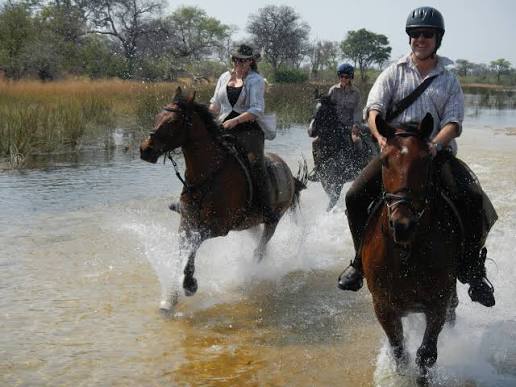
Horseback Safari Trails
Explore the reserve on horseback for a unique perspective. This activity allows for closer encounters with wildlife without disturbing them. It’s suitable for both beginners and experienced riders. The experience feels adventurous and intimate.
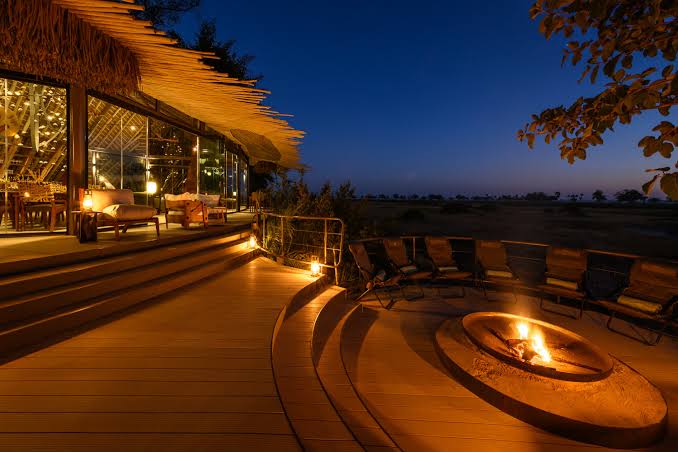
Night Safari Routes
These routes offer a chance to see nocturnal animals in action. Guided drives reveal species rarely seen during the day. The atmosphere is thrilling and mysterious. It’s an entirely different safari experience.
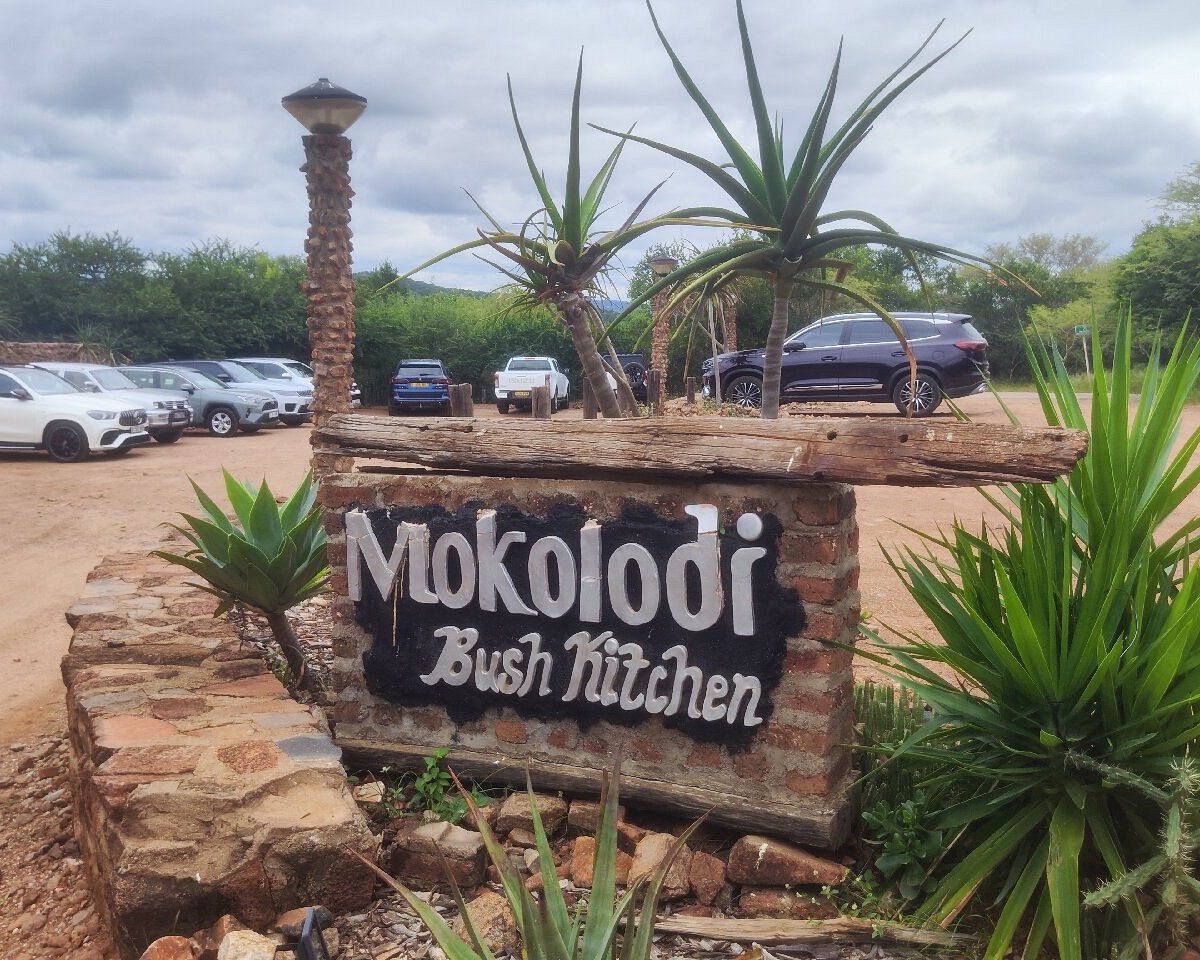
Picnic Spots Across the Reserve
Scattered throughout Mokolodi are designated picnic areas surrounded by scenic beauty. These spots are ideal for relaxing between activities. Wildlife sightings are still possible while you unwind. They offer a perfect balance of comfort and nature.
Best Time To Visit Mokolodi
The best time to visit Mokolodi is during the dry season from May to October when wildlife viewing is at its peak.
Mokolodi Safari in January
January falls in the rainy season, bringing lush greenery and vibrant landscapes. Wildlife is still present, but animals tend to disperse due to abundant water sources. Birdwatching is excellent during this time, with migratory species in full display. Temperatures can be warm, and occasional thunderstorms may occur. It’s a quieter time for tourism, ideal for those seeking fewer crowds and scenic beauty.
Mokolodi Safari in February
month2 Going on a Botswana safari in February is unique. Since calving season occurs in January, you can see animals with their young in February. You can be sure that with all this prey, predators will be on the prowl, especially in the Okavango Delta. However, the lush vegetation will make it a bit difficult to spot wildlife. In the Makgadikgadi Pans and Nxai Pan, meanwhile, migratory birds will still be enjoying the seasonal floodplains that also attract tens of thousands of zebras, wildebeests, and other antelope species. Weather in February The rainy weather persists during February but begins to lessen...
Mokolodi Safari in March
March marks the transition from the rainy season to drier conditions. Vegetation is still dense, but wildlife becomes slightly easier to spot as water sources begin to shrink. The weather is generally warm and comfortable. It’s a great time for combining wildlife viewing with scenic exploration.
Mokolodi Safari in April
April brings cooler temperatures and reduced rainfall. The landscape remains green, but visibility improves for game viewing. It’s a pleasant time to visit with fewer crowds. Wildlife activity begins to concentrate around water sources. Ideal for both relaxation and exploration.
Mokolodi Safari in May
May signals the start of the dry season, making it one of the best times to visit. Vegetation thins out, improving wildlife visibility. Days are warm, and nights can be cooler. Animals gather near waterholes, offering excellent viewing opportunities. It’s a popular time for safaris.
Mokolodi Safari in June
June offers cool and dry conditions, perfect for outdoor activities. Wildlife viewing is excellent as animals remain concentrated around limited water sources. Early mornings can be chilly, so warm clothing is recommended. The clear skies enhance photography conditions.
Mokolodi Safari in July
July is one of the coolest months, with crisp mornings and mild afternoons. Wildlife sightings are frequent and rewarding. The dry landscape makes tracking animals easier. It’s an ideal month for game drives and walking safaris.
Mokolodi Safari in August
August continues the dry season with excellent wildlife viewing conditions. Temperatures begin to rise slightly, but remain comfortable. Water sources are scarce, drawing animals into predictable areas. It’s a great time for both first-time and experienced safari-goers.
Mokolodi Safari in September
September is warm and dry, with some of the best game viewing opportunities of the year. Animals are highly active around waterholes. The landscape is more open, making sightings easier. It’s also a great time for photography.
Mokolodi Safari in October
October is hot and dry, just before the rains return. Wildlife viewing remains exceptional as animals gather around remaining water sources. Temperatures can be high, especially midday. Early morning and evening activities are recommended.
Mokolodi Safari in November
November marks the start of the rainy season. The landscape begins to transform with fresh greenery. Wildlife disperses slightly, but sightings are still possible. Birdwatching improves as migratory species arrive.
Mokolodi Safari in December
December is characterized by warm temperatures and occasional rains. The reserve is lush and vibrant. Wildlife viewing can be more challenging, but the scenery is beautiful. It’s a festive period with a lively atmosphere.
Our Recommended Activities In Mokolodi
Explore our recommended experiences in Mokolodi and find your perfect way to connect with its natural beauty.
Chief’s Island
Moremi Game Reserve
Makgadikgadi Pans
Chobe National Park and Savuti Marsh
Khwai
Chief’s Island
Our Recommended Activities In Mokolodi
Explore our recommended experiences in Mokolodi and find your perfect way to connect with its natural beauty.
Chief’s Island
Moremi Game Reserve
Makgadikgadi Pans
Chobe National Park and Savuti Marsh
Khwai
Chief’s Island
Safari Lodges, Tented Camps and Villas
in Mokolodi
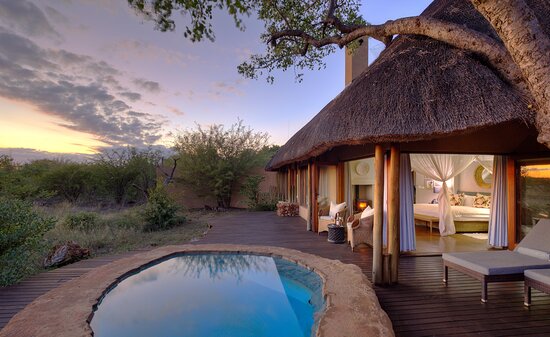
Mokolodi Nature Reserve Lodge
- Mokolodi Nature Reserve, Botswana
Comfortable lodge offering wildlife encounters, nature activities, and peaceful bush surroundings.

Luxury
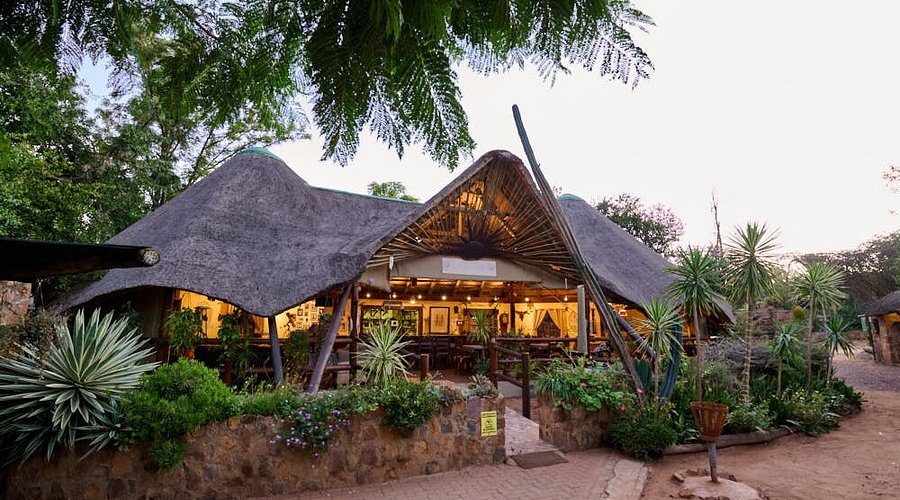
Mokolodi Bush Camp
- Mokolodi Nature Reserve, Botswana
Rustic camp providing authentic wilderness experiences and access to reserve wildlife.
Luxury
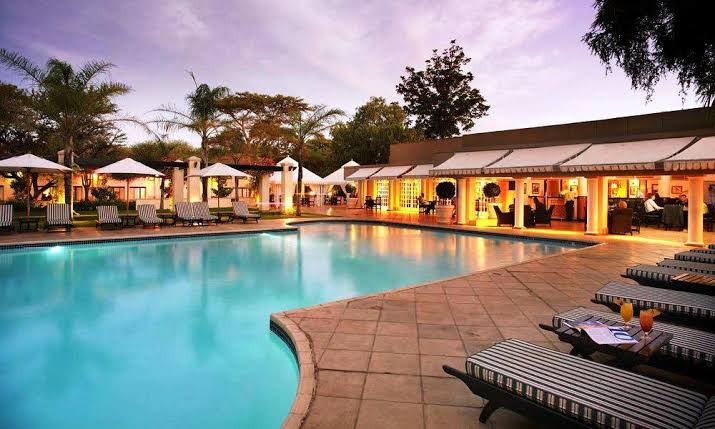
Gaborone Sun Hotel
- Mokolodi Nature Reserve, Botswana
Comfortable city hotel offering modern facilities, dining, and convenient Gaborone access.
Luxury
What You Need To Know About Mokolodi Safaris
Find everything you need to know to plan your Mokolodi adventure, from travel tips to essential insights for an unforgettable trip.
Mokolodi Food and Tipping Practices
Meals in Mokolodi typically feature a mix of local and international cuisine, often served at lodges or designated picnic spots. Traditional dishes and grilled meats are common highlights. Tipping is appreciated but not mandatory, with small gratuities given to guides, drivers, and staff for good service. It’s advisable to carry some local currency for convenience.
Mokolodi Food and Tipping Practices
Cost of a Mokolodi Safari
The cost of a Mokolodi safari varies depending on activities, accommodation, and duration. Day visits are relatively affordable, while guided safaris and overnight stays increase the overall cost. Private experiences and specialized activities like rhino walks or horseback safaris may carry additional fees. Planning ahead helps manage expenses effectively.
Cost of a Mokolodi Safari
Packing List for Mokolodi
Pack lightweight, neutral-colored clothing suitable for warm days and cooler evenings. Comfortable walking shoes, a hat, sunscreen, and insect repellent are essential. Binoculars and a camera enhance the experience. A light jacket is recommended for early mornings and night drives.
Packing List for Mokolodi
Climate in Mokolodi
Mokolodi experiences a semi-arid climate with distinct wet and dry seasons. Summers are warm with occasional rains, while winters are cooler and dry. Daytime temperatures are generally comfortable, but mornings and evenings can be chilly during winter months.
Climate in Mokolodi
Languages in Mokolodi
English is widely spoken and used for communication in tourism services. Local languages such as Setswana are also commonly spoken. Guides are typically fluent in English, ensuring clear and informative interactions for international visitors.
Languages in Mokolodi
Is Mokolodi Safe?
Mokolodi is considered a safe destination, especially within the reserve where activities are guided and regulated. Visitors are advised to follow safety instructions, particularly during wildlife encounters. General travel precautions, such as securing valuables and staying within designated areas, help ensure a smooth and enjoyable experience.
Is Mokolodi Safe?
What People Say About Us
We are the leading travel agency offering different programs and higher education diplomas that are designed with global requirements in mind.
Unforgettable Safari Experience!
— Jennifer L., USA
Incredible Service from Start to Finish
— Thomas K., Germany
Wildlife Like You’ve Never Seen!
— Sarah M., Australia
Perfect for First-Time Safari Travelers
— Mark & Ellie B., UK
A Dream Honeymoon!
— Nadia & Carlos R., Spain
Blog and articles
Latest travel tips and blog covering all travel experiences. Check out our mentions in different guides and articles.
Our Trusted Safari Partners in Africa
Latest travel tips and blog covering all travel experiences. Check out our mentions in different guides and articles.