
Niassa Safari

Authentic Niassa Safari Tours

Experience Niassa, Beyond Your Imagination

Discover immersive, nature-focused safaris in Niassa, thoughtfully crafted through more than 25 years of hands-on expertise and strong local partnerships. Each journey is carefully designed to create meaningful memories while positively impacting travellers, preserving the environment, and supporting the communities that call this remarkable region home.

25+ years of expertise in 15 Africa Countries

1000+ thoughtfully selected travel partners

200,000+ travellers, many of whom return year after year

Years Crafting Personalised African Safaris
0
Client Reviews at 5 Stars on Feefo
0
Globally Recognised Travel Awards Won Last Year
0
Travellers, Many Returning Year After Year
0
Travellers, Many Returning Year After Year
0

Interested to know more? Click the link to find out all about Exodussafaris Big 5 Guarantee

Why Travel With Exodussafaris?

25 Years of Safari Expertise ​

With more than two decades of experience, we design tailor-made African safaris informed by extensive first-hand knowledge and trusted local relationships.

We Know Because We Go

Our deep connection to Africa gives us unmatched insight into every destination, from lodges and activities to lesser-known treasures that make each journey unique.

24/7 Support

From your initial enquiry to your safe return home, we provide round-the-clock assistance, ensuring every detail is handled seamlessly with the help of our reliable on-the-ground partners.

Every Adventure Makes a Difference ​

Each journey contributes to the preservation of vital ecosystems and supports local communities, helping both nature and people flourish together.

Complete Financial Protection

Book with confidence knowing your investment is secure, backed by strong financial safeguards that ensure peace of mind throughout your travel experience.

World-Class Recognition, Trusted by Travellers​

Our reputation is built on global recognition and, more importantly, the genuine experiences shared by travellers who continue to trust us with their adventures.
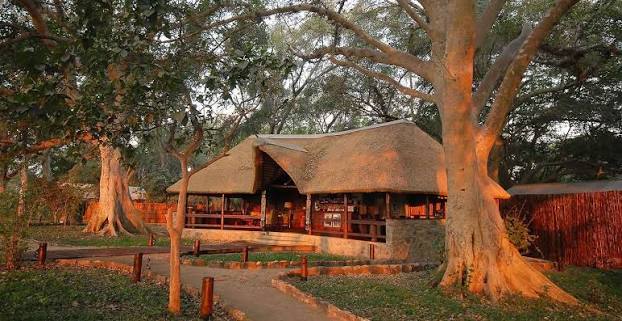
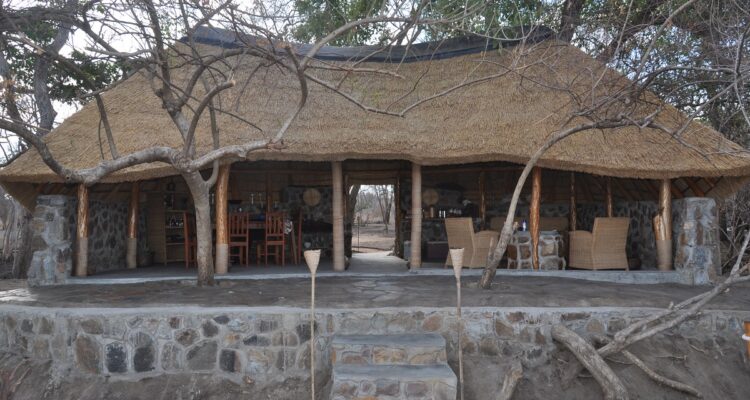
Niassa Gallery

Slide 4
Slide 3
Slide 2
Slide 1

Where To Go In Niassa

Niassa offers a vast and diverse landscape filled with untouched wilderness, remote reserves, and culturally rich destinations waiting to be explored.

Niassa Special Reserve

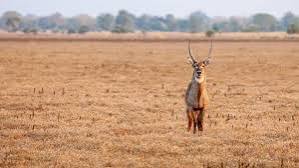
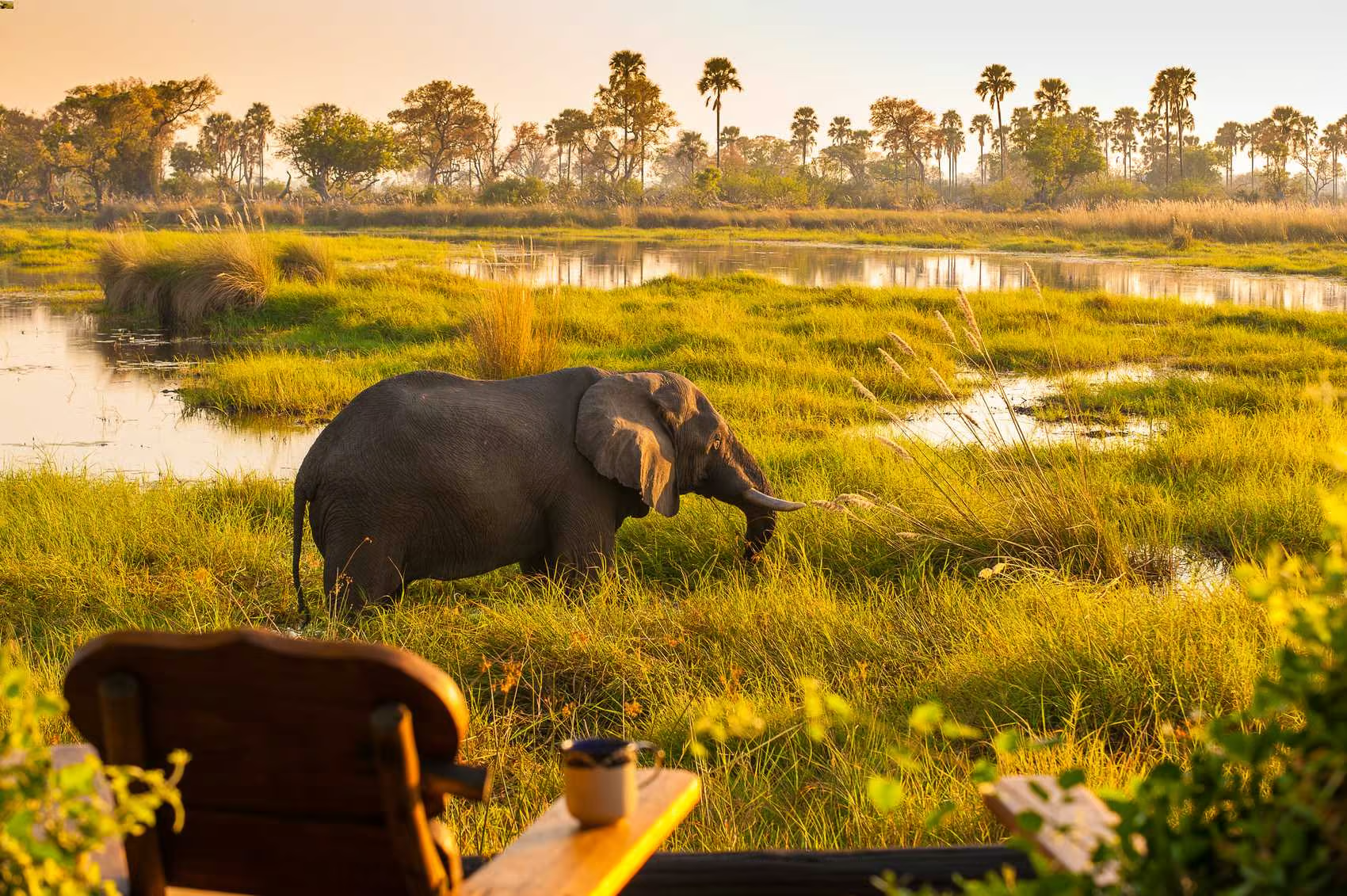
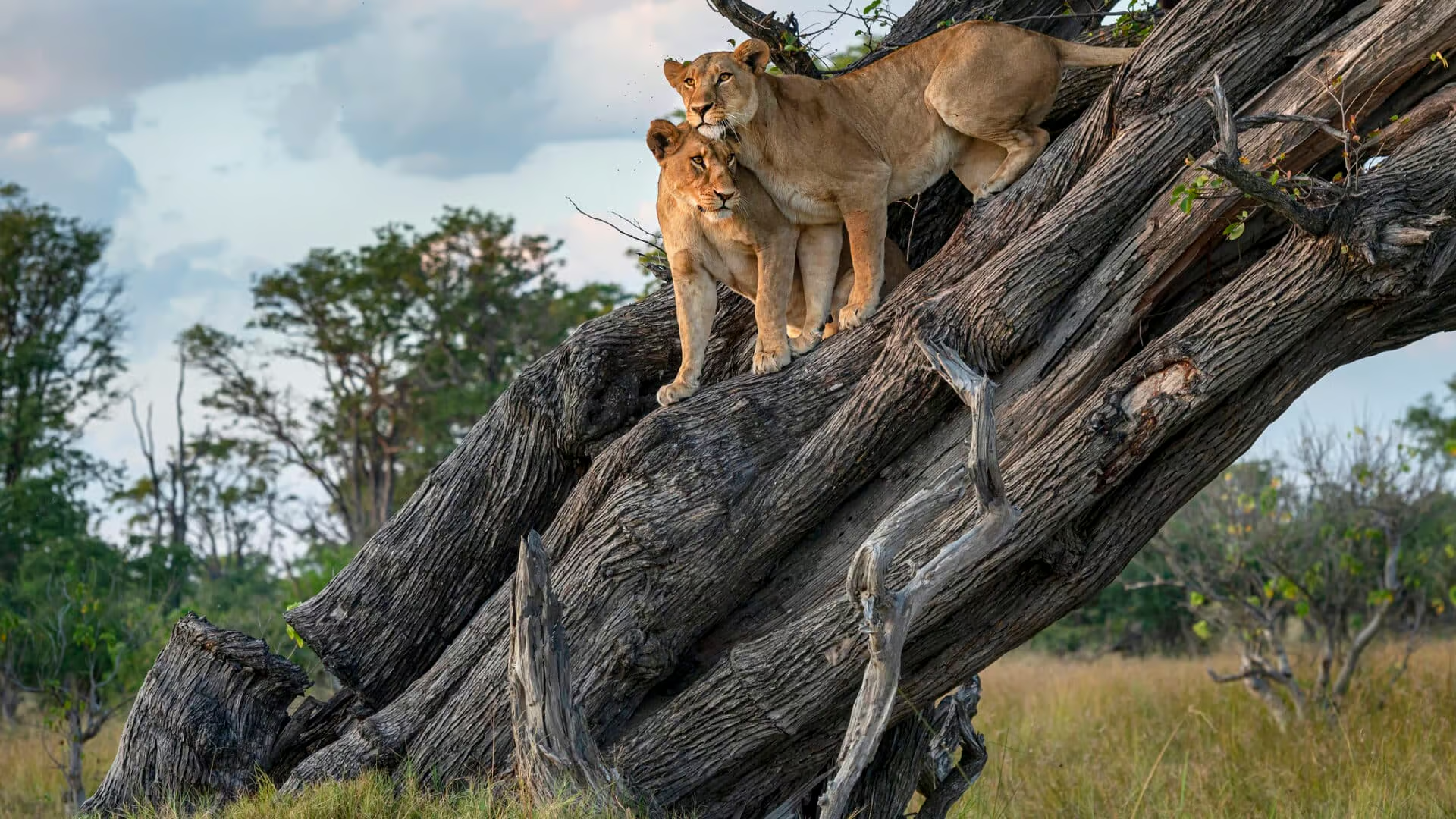
This vast protected area is one of Africa’s largest and wildest conservation zones. It offers a true off-the-grid safari experience with thriving populations of elephants, lions, and wild dogs. Visitors can enjoy guided game drives, walking safaris, and the rare chance to explore untouched ecosystems. Its remoteness makes it perfect for travellers seeking solitude and authenticity.

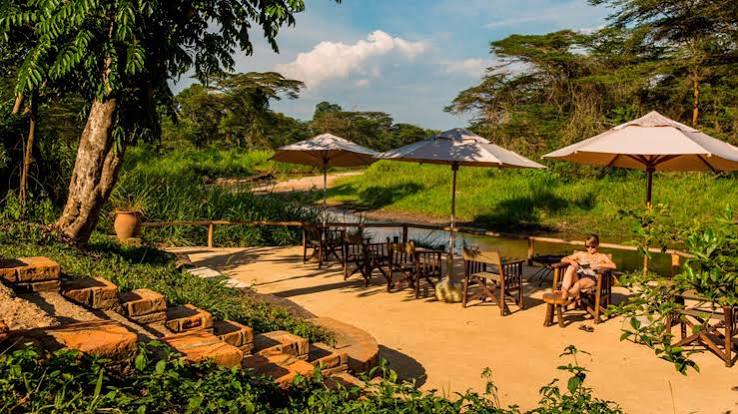
Lugenda River

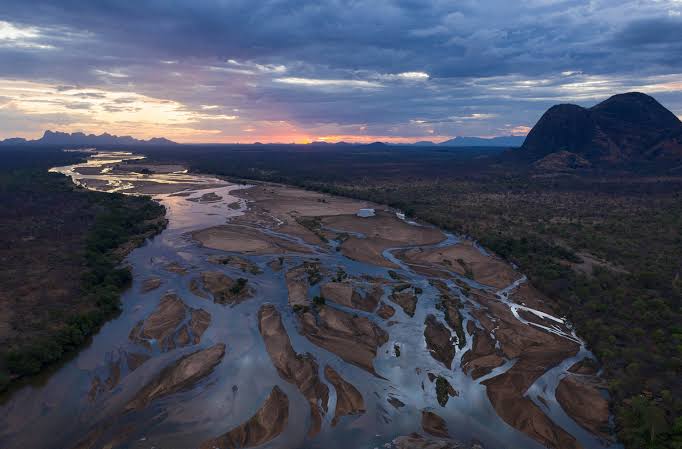
Flowing through the reserve, the Lugenda River provides a lifeline for wildlife and a scenic backdrop for safaris. Its banks attract a wide range of animals, making it ideal for game viewing. Boat safaris and riverside camps enhance the experience with stunning views. The peaceful atmosphere adds a unique dimension to any Niassa adventure.

Lake Niassa (Lake Malawi)

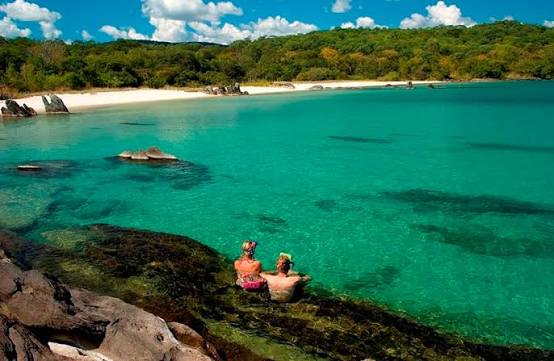
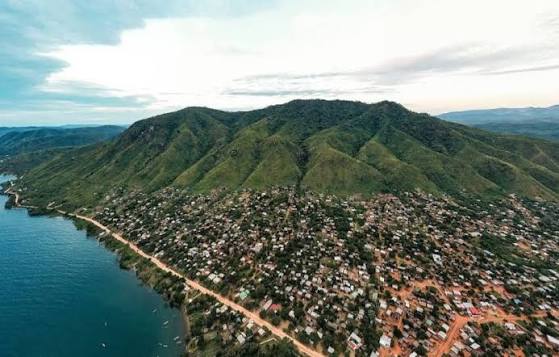
This expansive freshwater lake offers crystal-clear waters and serene beaches. It’s perfect for relaxation after a safari, with opportunities for swimming, kayaking, and fishing. The surrounding communities provide cultural insights and local hospitality. The lake’s beauty creates a striking contrast to the rugged wilderness inland.

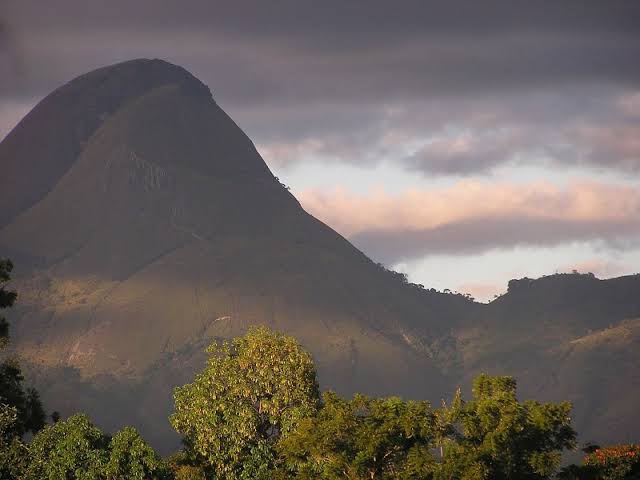
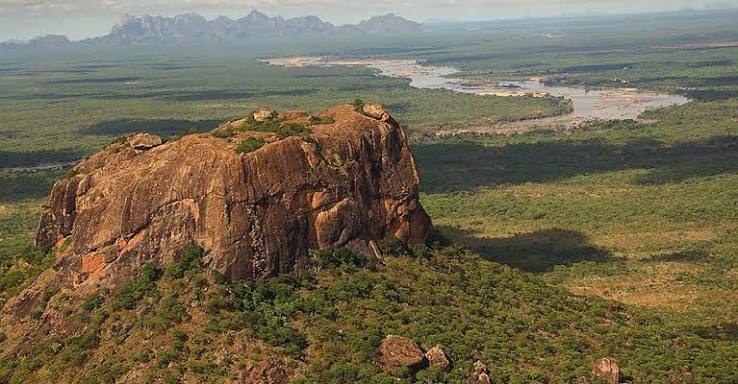
Mecula Mountain

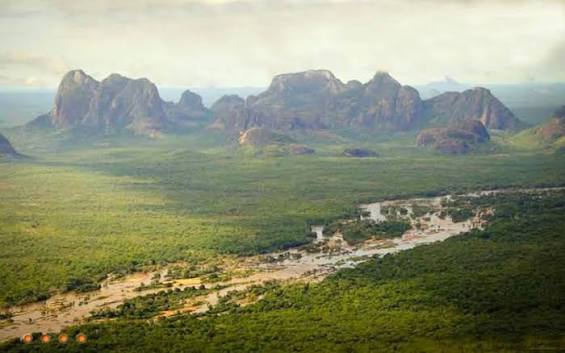
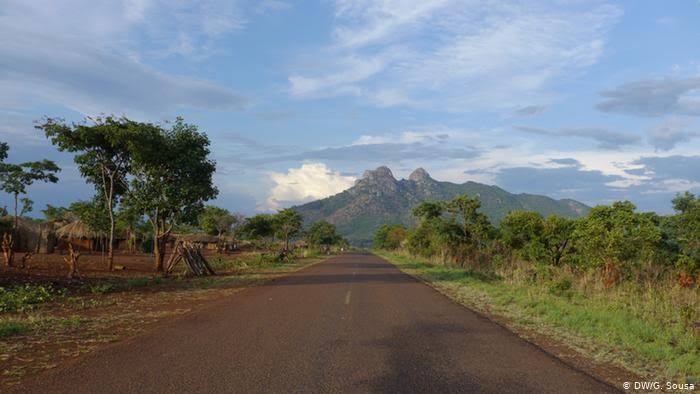
Rising dramatically from the plains, Mecula Mountain is a sacred and scenic landmark. It offers hiking opportunities with rewarding panoramic views of the surrounding wilderness. The mountain also holds cultural significance for local communities. Its striking presence adds a spiritual and adventurous element to the region.

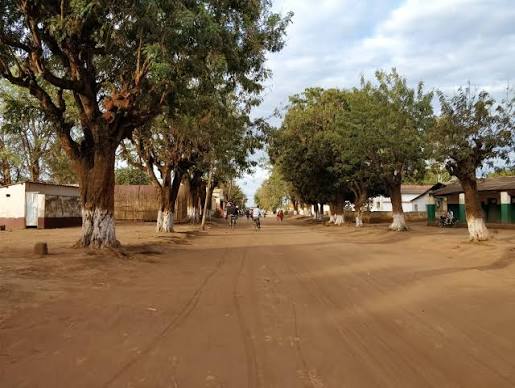
Lichinga

As the gateway to Niassa, Lichinga is a vibrant town with a cool climate and scenic surroundings. It serves as a convenient base for exploring nearby attractions. Visitors can enjoy local markets, cultural experiences, and nearby viewpoints. The town offers a blend of urban comfort and natural beauty.

Mbamba Village

Located along the lakeshore, Mbamba is known for its peaceful setting and friendly atmosphere. It provides access to Lake Niassa’s beaches and water activities. Visitors can interact with local communities and experience traditional lifestyles. The village is ideal for a quiet and culturally immersive stay.

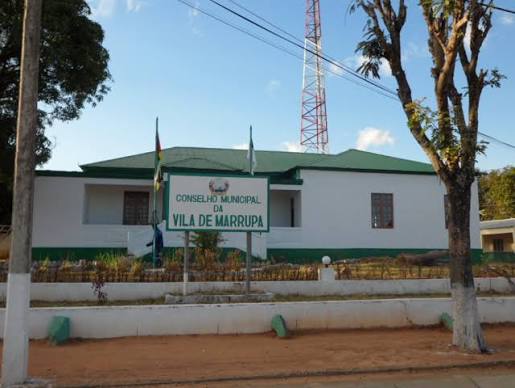
Marrupa

Marrupa is a small but strategically located town that acts as a stopover for travellers heading into the reserve. It offers basic amenities and a glimpse into rural life in northern Mozambique. The surrounding landscapes are scenic and largely untouched. It’s a useful point for logistical planning and exploration.

Negomano

Situated near the borders of Tanzania and Mozambique, Negomano is rich in history and cultural diversity. It’s a meeting point of different traditions and landscapes. The area offers a unique blend of cross-border influences and remote wilderness. Its location makes it an interesting addition to a Niassa itinerary.

Metangula

Metangula is a charming lakeside town with stunning views of Lake Niassa. It combines natural beauty with cultural richness and historical significance. Visitors can enjoy water-based activities and explore nearby heritage sites. The relaxed pace makes it ideal for unwinding.

Unango

Unango is known for its picturesque hills and tranquil environment. It offers opportunities for hiking and exploring rural landscapes. The area is also home to local communities that welcome cultural interaction. It’s a peaceful retreat away from more frequented areas.

Muembe

Muembe is a rural destination surrounded by lush greenery and rolling terrain. It offers a glimpse into traditional life and agricultural practices. Visitors can enjoy nature walks and community visits. Its simplicity and authenticity make it a rewarding stop.

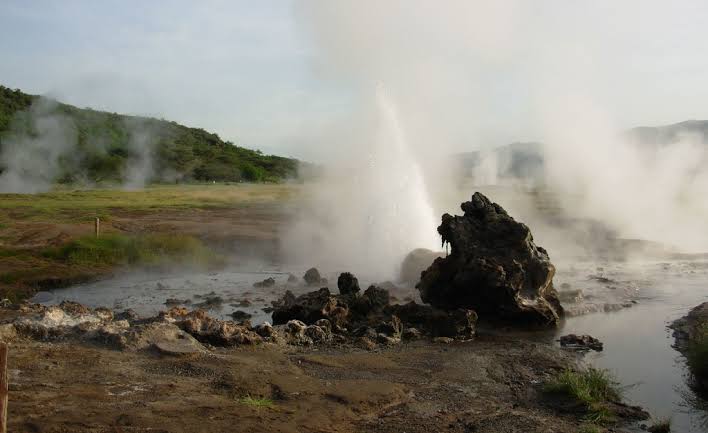
N’sawisi Hot Springs

These natural hot springs provide a relaxing and rejuvenating experience. Surrounded by scenic landscapes, they offer a peaceful escape. The warm waters are believed to have therapeutic properties. It’s a hidden gem for travellers seeking relaxation in nature.

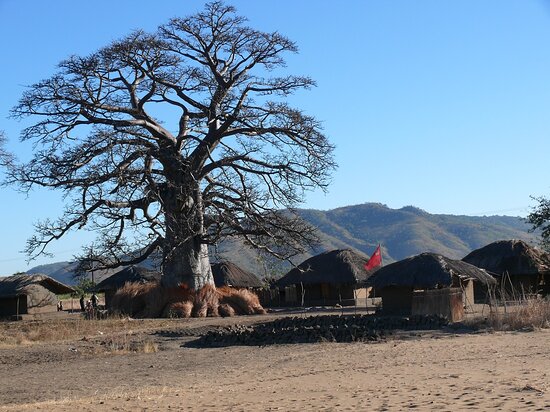
Msawize Village

Msawize is a remote village that offers an authentic cultural experience. Visitors can engage with local traditions, crafts, and daily life. The surrounding environment is pristine and largely untouched. It’s ideal for those interested in community-based tourism.

Chimbonila Plateau

This elevated region offers breathtaking views and a cooler climate. It’s perfect for hiking and photography, with expansive vistas of the surrounding plains. The plateau’s isolation adds to its appeal for adventurous travellers. It’s a scenic highlight within Niassa.

Best Time To Visit Niassa

The best time to visit Niassa is during the dry season from May to October, when wildlife viewing is at its peak and travel conditions are ideal.

Niassa Safari in January

January falls in the heart of the rainy season, bringing lush greenery and rejuvenated landscapes. Wildlife disperses due to abundant water sources, making sightings less predictable but still rewarding for patient travellers. Birdwatching is excellent, with migratory species in full display. Roads can be challenging, so access to remote areas may be limited. This month is best suited for adventurous travellers seeking vibrant scenery rather than classic safari conditions.

Niassa Safari in February

February continues with heavy rains, sustaining the region’s rich vegetation and dramatic scenery. The reserve becomes quieter, offering a more exclusive experience for those who venture in. Wildlife is harder to spot due to dense foliage, but the landscape is at its most photogenic. Birdlife remains exceptional, attracting enthusiasts from around the world. Travel logistics can still be difficult, especially in remote zones.

Niassa Safari in March

March marks the tail end of the rainy season, with occasional downpours gradually decreasing. The bush remains thick and green, creating beautiful scenery for photography. Wildlife sightings begin to improve slightly as animals move more frequently. Birdwatching is still a highlight during this period. Accessibility improves toward the end of the month as roads begin to dry out.

Niassa Safari in April

April is a transitional month, with rains subsiding and landscapes remaining lush. Wildlife becomes more visible as vegetation starts thinning. This is a quieter time to visit, with fewer tourists and peaceful surroundings. Travel conditions improve significantly, making it easier to explore deeper into the reserve. It’s a great time for those seeking a balance between scenery and wildlife viewing.

Niassa Safari in May

May signals the start of the dry season, bringing cooler temperatures and clearer skies. Vegetation begins to recede, improving wildlife visibility. Animals start gathering around permanent water sources, making game viewing more rewarding. Roads are generally accessible, and conditions are comfortable for travel. It’s an excellent time to begin safari adventures in Niassa.

Niassa Safari in June

June offers ideal safari conditions with dry weather and mild temperatures. Wildlife sightings improve as animals concentrate near rivers and waterholes. The landscape transitions from green to golden, providing stunning contrasts. Activities such as walking safaris become more enjoyable. It’s one of the best months for a well-rounded safari experience.

Niassa Safari in July

July is firmly within the peak safari season, with excellent wildlife viewing opportunities. Dry conditions make animals easier to spot, especially predators. Days are sunny and pleasant, while nights can be cool. The reserve remains relatively uncrowded compared to other African destinations. It’s perfect for travellers seeking prime game viewing in a remote setting.

Niassa Safari in August

August continues the peak season with consistent dry weather and outstanding wildlife sightings. Animals gather around shrinking water sources, increasing viewing opportunities. The landscapes are open, making it easier to spot even elusive species. Conditions are ideal for photography and outdoor activities. It’s one of the most popular months to visit Niassa.

Niassa Safari in September

September is one of the best months for wildlife viewing as water becomes scarce. Animals are highly concentrated around rivers and remaining waterholes. The weather is warm and dry, with clear skies. Predator activity is often heightened, offering thrilling safari experiences. It’s a top choice for serious wildlife enthusiasts.

Niassa Safari in October

October is hot and dry, marking the end of the peak safari season. Wildlife viewing remains excellent as animals continue to rely on limited water sources. Temperatures can be high, especially during midday. The anticipation of the rains adds a dramatic atmosphere to the landscape. It’s a great time for experienced safari-goers.

Niassa Safari in November

November brings the first rains, transforming the landscape with fresh greenery. Wildlife disperses slightly as water becomes more available. Birdlife becomes more active, attracting enthusiasts. Temperatures begin to cool, and the scenery becomes increasingly vibrant. It’s a transitional period with fewer visitors.

Niassa Safari in December

December sees the return of consistent rainfall, revitalizing the entire ecosystem. The landscape is lush and full of life, offering stunning views. Wildlife can be harder to spot due to dense vegetation. Birdwatching is excellent, with many species active during this time. It’s a peaceful period for those seeking a quiet and scenic escape.

Our Recommended Activities In Niassa

Explore our recommended experiences in Niassa and find your perfect way to connect with its natural beauty.

Chief’s Island

Moremi Game Reserve

Makgadikgadi Pans

Chobe National Park and Savuti Marsh

Khwai

Chief’s Island

Our Recommended Activities In Niassa

Explore our recommended experiences in Niassa and find your perfect way to connect with its natural beauty.

Chief’s Island

Moremi Game Reserve

Makgadikgadi Pans

Chobe National Park and Savuti Marsh

Khwai

Chief’s Island

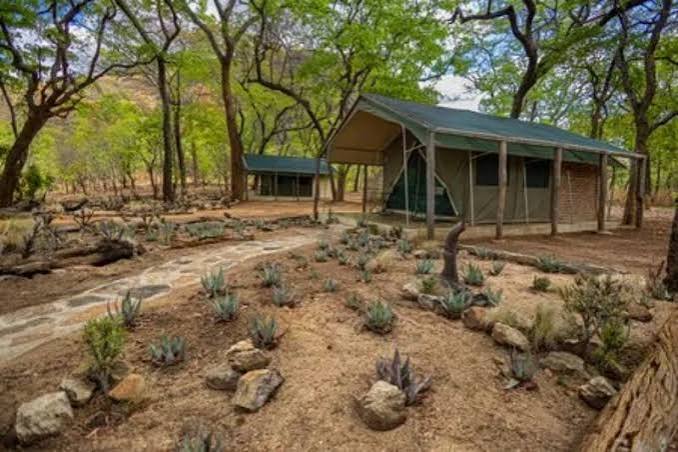
Safari Lodges, Tented Camps and Villas
in Niassa

Savute Elephant Lodge, A Belmond Safari

Belmond Savute Elephant Lodge is a luxury lodge in Chobe National Park known for its...

African Bush Camps Atzaro Okavango Camp

Welcome to Atzaro Okavango, a premier safari destination that offers sustainable luxury in the heart...

Cha Cha Metsi

Explore our most popular safaris in Botswana and experience the magic of its untouched wilderness.cvbcccccccccccccccccccccc

What You Need To Know About Niassa Safaris

Find everything you need to know to plan your Botswana adventure, from travel tips to essential insights for an unforgettable trip.

Niassa Food and Tipping Practices

Meals in Niassa are typically prepared by safari lodges and camps, offering a mix of international cuisine and locally inspired dishes. Fresh ingredients are commonly used, with options catering to various dietary needs. Tipping is appreciated and often expected, usually given to guides, trackers, and lodge staff. A general guideline is to tip modestly but fairly based on service quality. It’s advisable to carry small denominations for convenience.

Niassa Food and Tipping Practices

A Niassa safari can vary widely in cost depending on the level of luxury, duration, and activities included. Remote access and exclusivity often make it more expensive than mainstream safari destinations. Packages typically include accommodation, meals, guided activities, and transfers. Budget-conscious travellers may find limited options, while high-end lodges dominate the region. Planning ahead helps secure better rates and availability.

Cost of a Niassa Safari

Packing for Niassa requires practical and lightweight clothing in neutral colours suitable for warm days and cooler evenings. Essentials include a hat, sunscreen, insect repellent, and comfortable walking shoes. A light jacket is useful for early morning and evening game drives. Binoculars and a good camera enhance the safari experience. Don’t forget personal medications and travel documents.

Packing List for Niassa

Niassa has a tropical climate with distinct wet and dry seasons. The rainy season runs from November to April, bringing lush landscapes and occasional travel challenges. The dry season, from May to October, offers cooler temperatures and ideal safari conditions. Daytime temperatures can be warm, while nights may be cooler, especially in mid-year months. Understanding seasonal patterns helps in planning the perfect trip.

Climate in Niassa

Portuguese is the official language of Mozambique, but local languages such as Yao and Makonde are widely spoken in Niassa. English is commonly used in safari lodges and by guides, making communication easier for international visitors. Learning a few basic phrases in Portuguese can enhance interactions with local communities. Cultural exchange is often a rewarding part of the experience.

Languages in Niassa

Niassa is generally considered safe for travellers, particularly within safari areas and lodges where security measures are in place. Visitors are advised to follow guidance from guides and lodge staff at all times. Remote locations mean medical facilities are limited, so travel insurance is essential. Basic precautions, such as safeguarding valuables and staying informed, help ensure a smooth and secure यात्रा experience.

Is Niassa Safe?

Testimonials

What People Say About Us

We are the leading travel agency offering different programs and higher education diplomas that are designed with global requirements in mind.

Your ultimate guide to exploring the world

Blog and articles

Latest travel tips and blog covering all travel experiences. Check out our mentions in different guides and articles.


Our Trusted Safari Partners in Africa

Latest travel tips and blog covering all travel experiences. Check out our mentions in different guides and articles.