
Experience Nkasa Rupara, Beyond Your Imagination
v
25+ years of expertise in 15 Africa Countries
1000+ thoughtfully selected travel partners
200,000+ travellers, many of whom return year after year

Why Travel With Exodussafaris?
25 Years of Safari Expertise
With more than two decades of experience, we design tailor-made African safaris rooted in deep destination knowledge and trusted local relationships.
We Know Because We Go
Our extensive presence across Africa gives us unmatched insight into every destination, from lodges and wildlife experiences to lesser-known hidden treasures.
24/7 Support
From your first inquiry to your return journey home, we provide round-the-clock support, ensuring every detail is handled with care and precision.
Every Adventure Makes a Difference
Each safari contributes to the protection of fragile ecosystems and supports local communities, helping them grow sustainably alongside nature.
Complete Financial Protection
Book with confidence knowing your investment is secure, backed by reliable financial protection and trusted partnerships across Africa.
World-Class Recognition, Trusted by Travellers
Celebrated by leading travel authorities and, more importantly, valued by our travellers, our reputation is built on consistently delivering exceptional safari experiences.
Nkasa Rupara Gallery
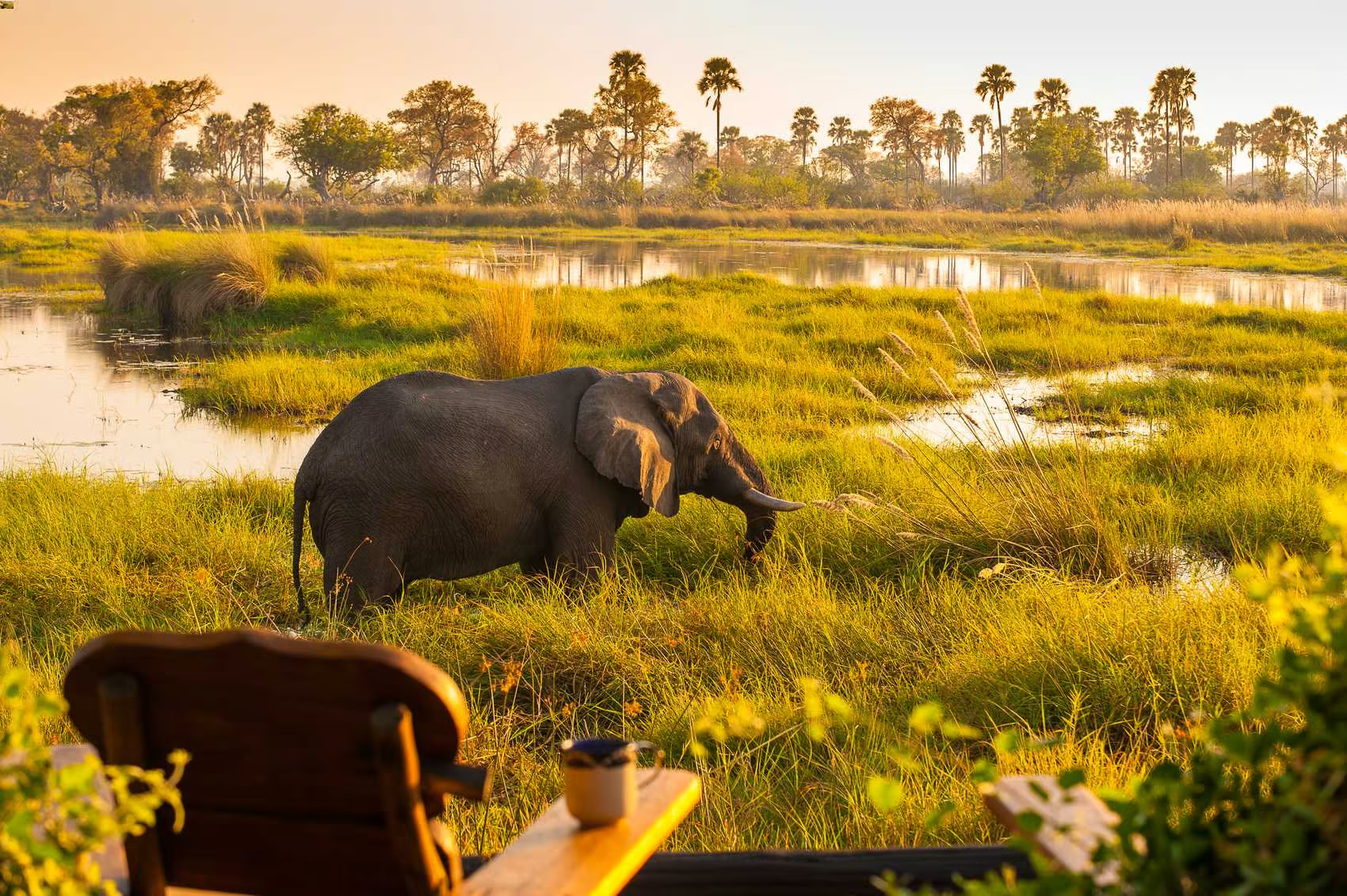
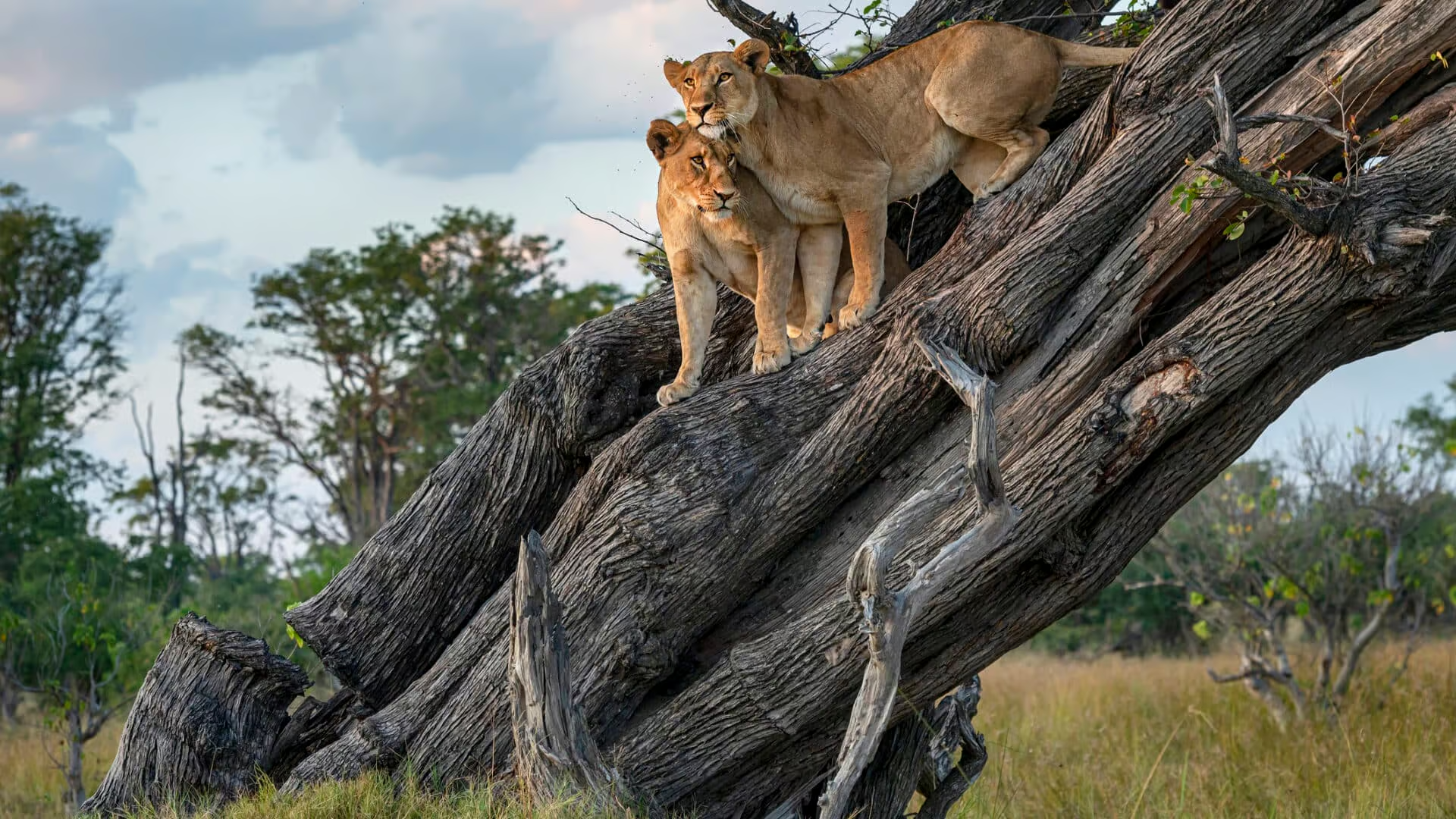
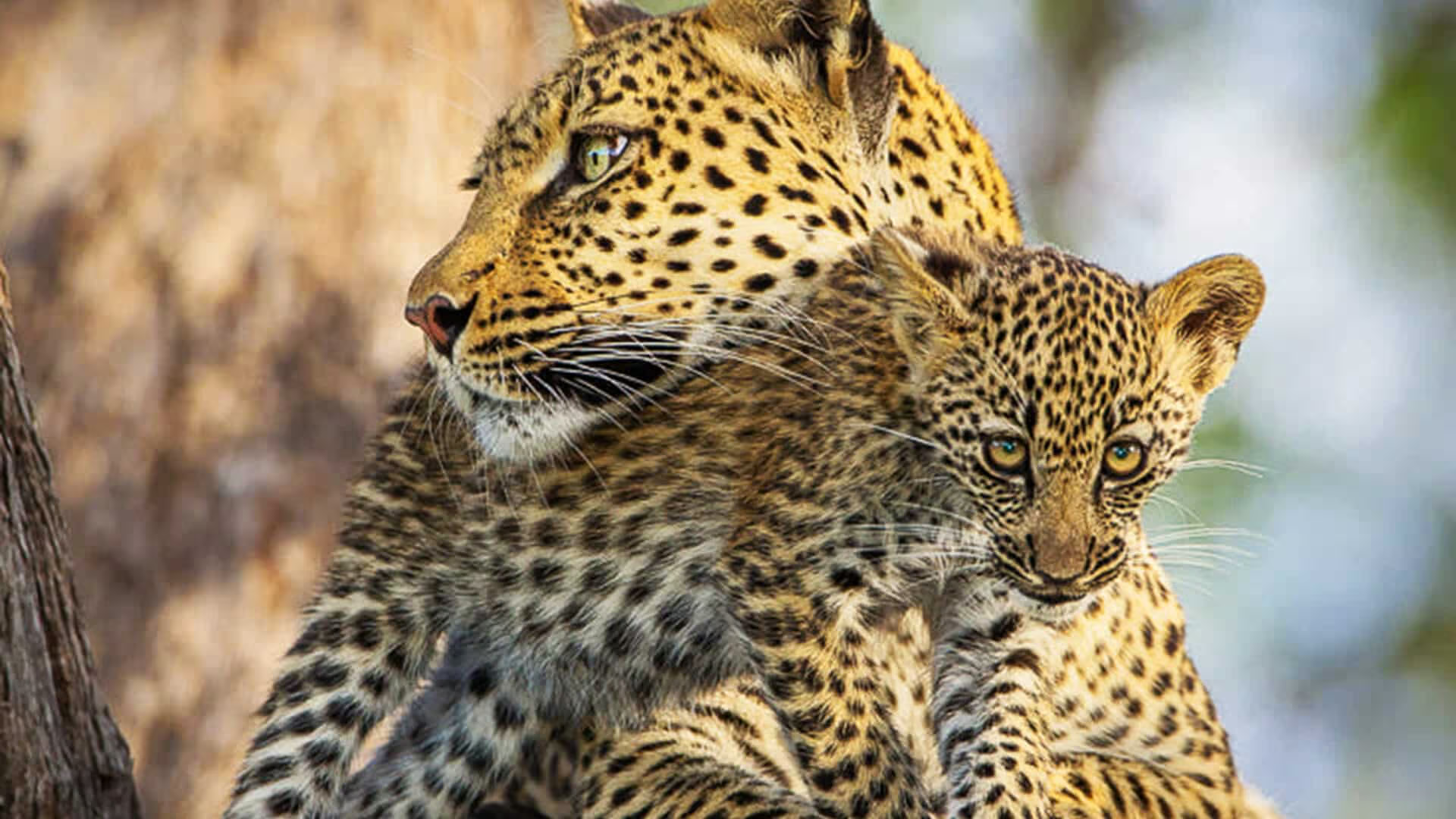
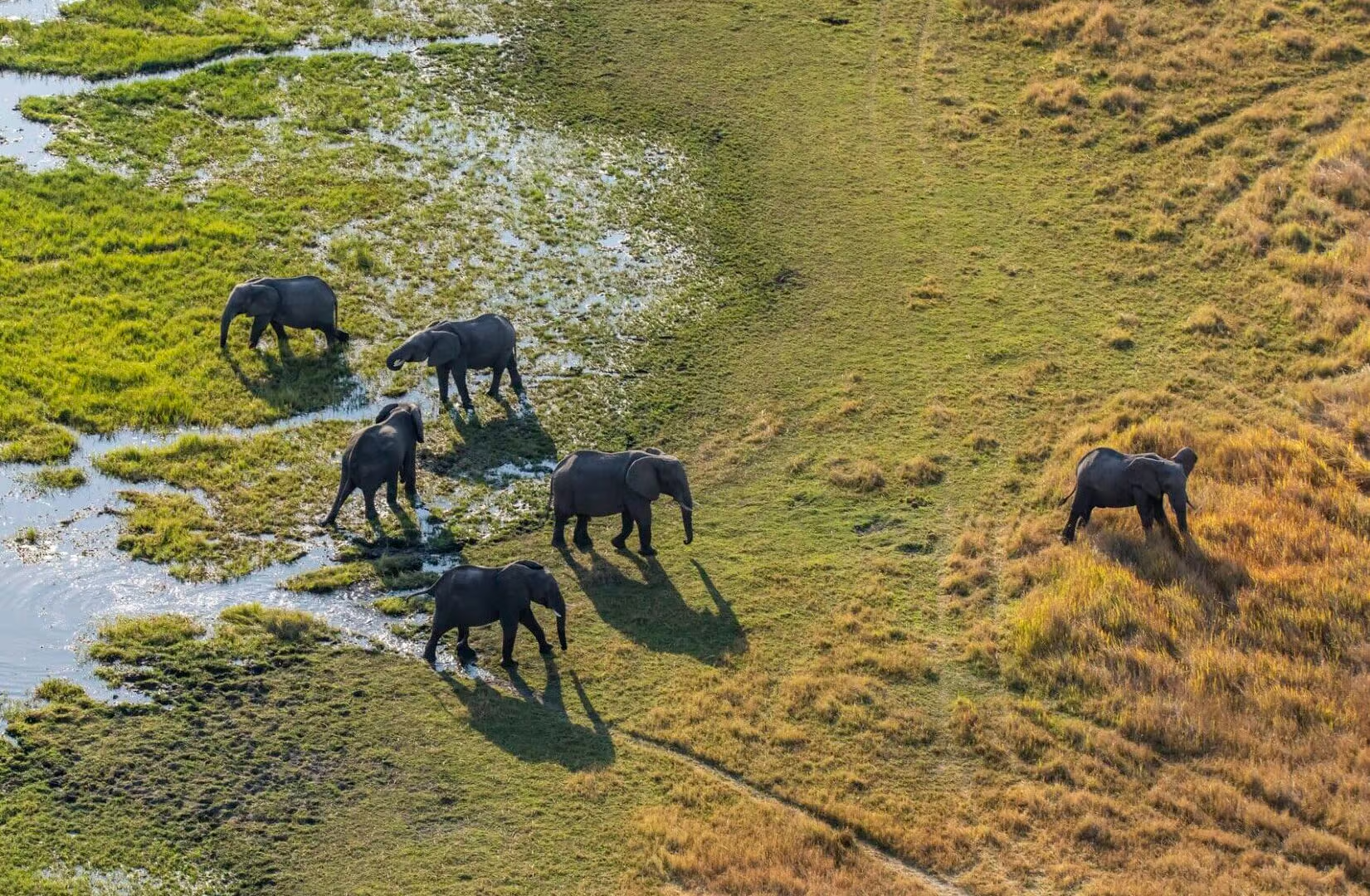
Where To Go In Nkasa Rupara
Nkasa Rupara offers a rich tapestry of landscapes and wildlife experiences, with countless hidden corners waiting to be explored across its vast wetlands and savannahs.
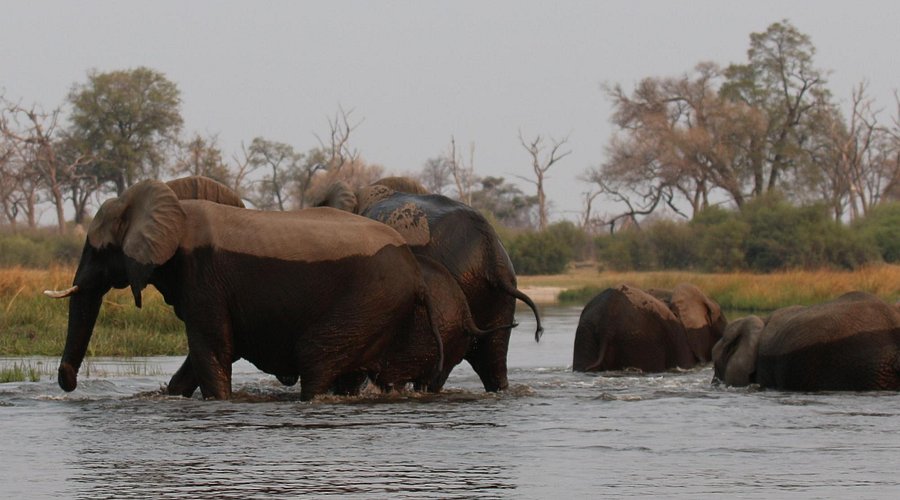
Nkasa Island
This is the heart of the park, surrounded by channels and floodplains that create a true island ecosystem. It offers exceptional wildlife viewing, particularly for buffalo and antelope species. During the wet season, the area transforms into a lush paradise. It’s ideal for immersive game drives and photography.
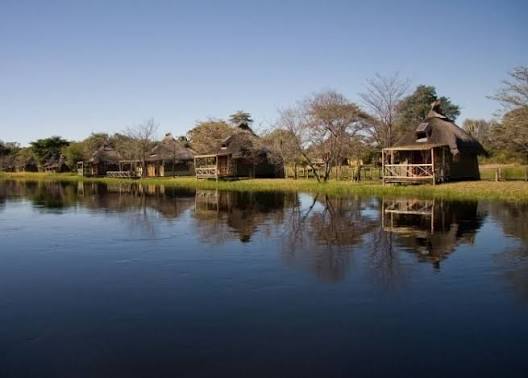
Rupara Island
Smaller but equally captivating, Rupara Island is known for its dense vegetation and birdlife. It provides a more secluded safari experience with fewer visitors. The waterways around it attract hippos and crocodiles. It’s perfect for those seeking quiet exploration.
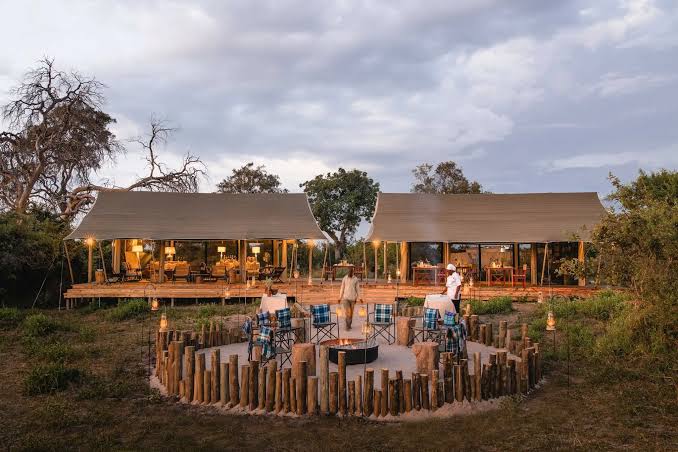
Linyanti River Front
This riverine stretch is a magnet for wildlife, especially elephants and predators. The permanent water source ensures consistent game viewing throughout the year. Boat safaris here offer a unique perspective of the park. Sunsets along the river are particularly spectacular.
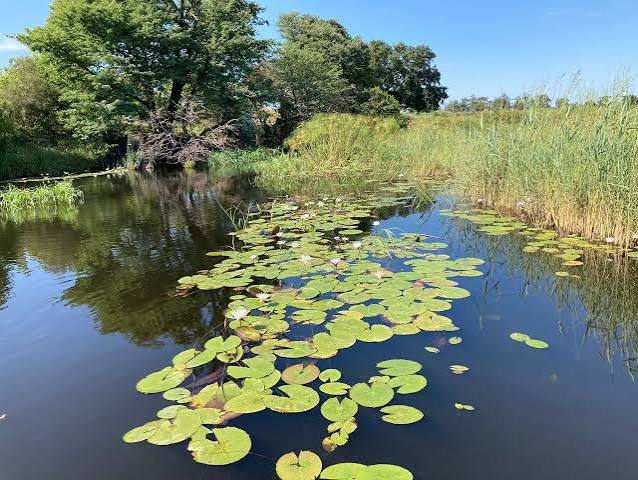
Nkasa Rupara Wetlands
The wetlands define the park’s identity, especially during the rainy season. Floodwaters attract migratory birds and create dramatic scenery. It’s a haven for birdwatchers and nature enthusiasts. The shifting water levels make every visit unique.
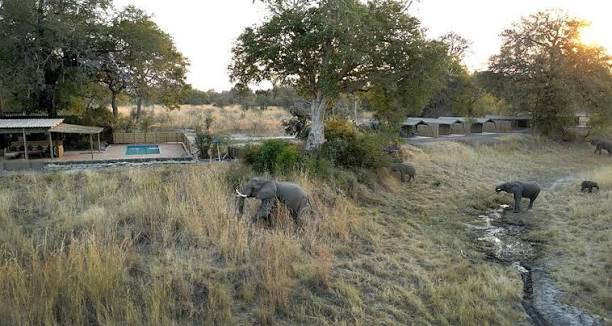
Sangwali Area
Located near the park’s entrance, this area offers easy access and diverse wildlife sightings. It’s a good starting point for exploring the park. Cultural interactions with nearby communities can also be arranged. The area blends nature and local heritage.
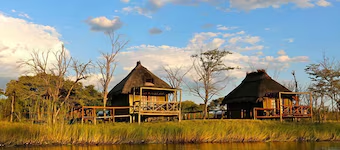
Lizauli Traditional Area
This nearby region offers insight into local traditions and lifestyles. Visitors can engage with the community and learn about conservation efforts. It provides a cultural dimension to the safari experience. The connection between people and nature is evident here.
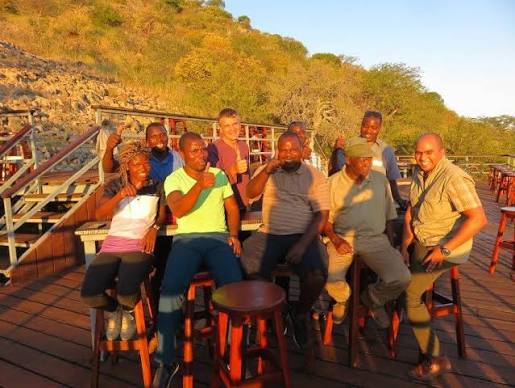
Mashi Conservancy
Bordering the park, this conservancy plays a key role in wildlife protection. It offers opportunities to see wildlife outside the main park boundaries. Community-led tourism initiatives thrive here. It’s a great example of conservation in action.
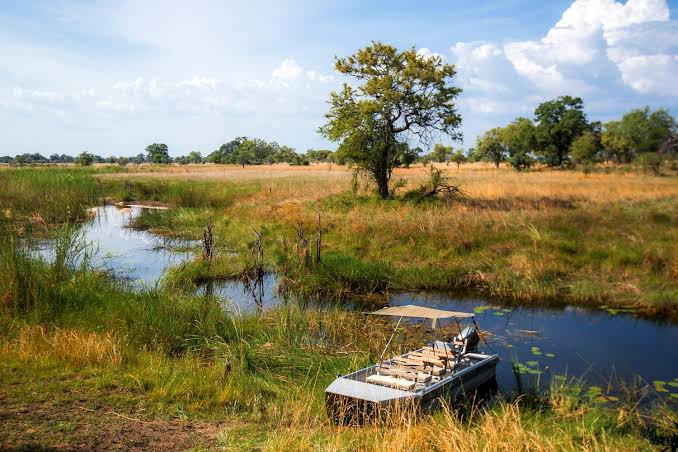
Kwandu Conservancy
Known for its strong conservation programs, Kwandu offers excellent wildlife viewing. Elephants frequently roam through this area. Visitors can enjoy guided walks and cultural visits. It’s an important buffer zone for the park.
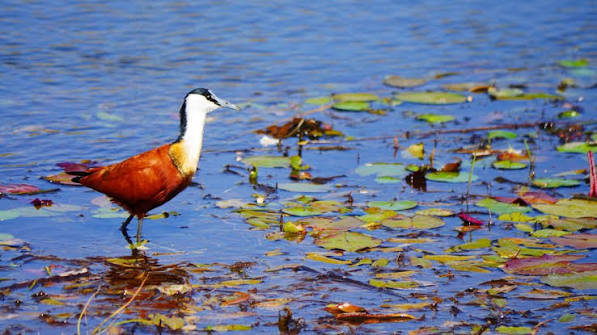
Kwando River
This river supports a rich ecosystem and is vital to the park’s biodiversity. Boat trips reveal hippos, crocodiles, and abundant birdlife. It’s especially rewarding during sunrise and sunset. The river adds a tranquil dimension to the safari.
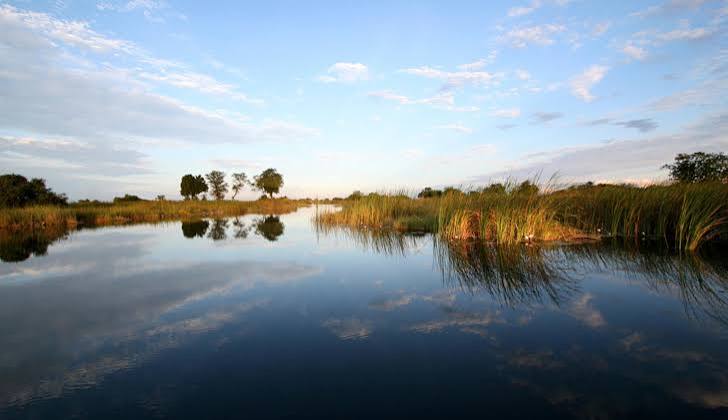
Floodplains of Nkasa
These expansive plains come alive during the rainy season. Herds of antelope gather, attracting predators. The open landscapes provide excellent visibility for game viewing. It’s one of the most dynamic areas in the park.
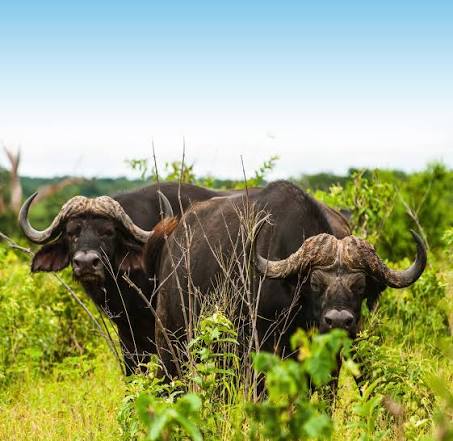
Woodland Savannas
Away from the wetlands, these areas offer a different habitat. They are home to species like kudu and warthog. The mix of trees and open land creates scenic diversity. It’s ideal for varied wildlife encounters.
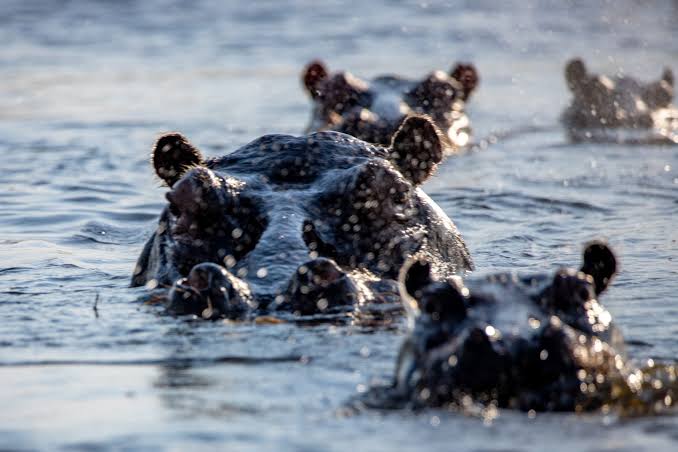
Hippo Pools
These natural تجمع areas along waterways are perfect for observing hippos. The constant activity makes them fascinating to watch. Birdlife is also abundant here. It’s a highlight for many visitors.
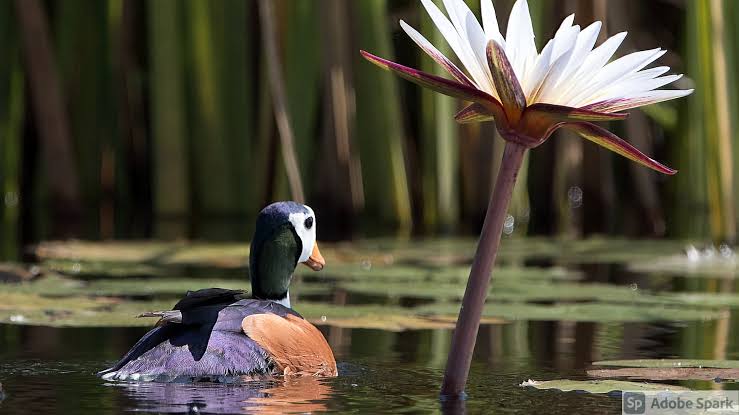
Birdwatching Hotspots
Nkasa Rupara is a paradise for bird lovers, with hundreds of species recorded. Seasonal migrations bring rare and colorful birds. Guided birding tours enhance the experience. It’s a must-visit for enthusiasts.
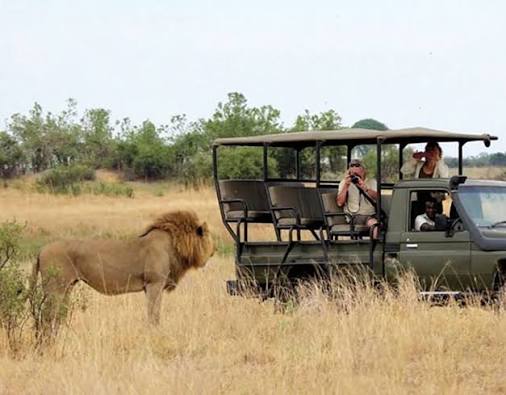
Remote Wilderness Trails
For adventurous travellers, these trails offer a deeper connection to nature. Guided walks reveal smaller details often missed on drives. The solitude adds to the experience. It’s raw, untouched Africa.
Best Time To Visit Nkasa Rupara
The best time to visit Nkasa Rupara is during the dry season from June to October, when wildlife gathers around water sources and is easier to spot.
Nkasa Rupara Safari in January
January falls in the peak rainy season, transforming Nkasa Rupara into a lush wetland paradise. The landscape is vibrant, and birdlife is at its most active, with migratory species arriving in large numbers. However, some roads may become challenging due to flooding. Wildlife viewing can be more scattered, but the scenery is breathtaking. This month is ideal for birdwatchers and photographers seeking dramatic landscapes.
Nkasa Rupara Safari in February
Rain continues through February, maintaining the park’s rich greenery and abundant water sources. The wetlands are expansive, and animal movements are less predictable due to the widespread availability of water. Birdwatching remains exceptional during this time. Travel conditions may still be tricky in some areas. It’s a quieter period with fewer visitors, offering a more exclusive experience.
Nkasa Rupara Safari in March
March marks the gradual transition toward the end of the rainy season. Vegetation remains dense, but water levels begin to stabilize. Wildlife starts to become slightly easier to spot. Birdlife is still abundant, making it a rewarding time for enthusiasts. The park remains scenic and less crowded.
Nkasa Rupara Safari in April
In April, rainfall decreases, and conditions improve for travel. The landscape is still green, but visibility begins to open up. Wildlife sightings become more frequent as animals adjust to changing conditions. It’s a pleasant time with moderate temperatures. The park offers a balance between scenery and wildlife viewing.
Nkasa Rupara Safari in May
May signals the start of the dry season, with cooler temperatures and clearer skies. Vegetation begins to thin, improving game viewing opportunities. Water sources start to shrink, concentrating wildlife. It’s an excellent time for photography and comfortable travel. Visitor numbers remain relatively low.
Nkasa Rupara Safari in June
June is one of the best months for safaris, with dry conditions and mild temperatures. Wildlife gathers around remaining water sources, making sightings more predictable. Roads are easily accessible throughout the park. The atmosphere is calm and ideal for exploration. It’s a great time for first-time visitors.
Nkasa Rupara Safari in July
July brings cooler mornings and evenings, but excellent wildlife viewing continues. Animals are easier to spot due to sparse vegetation. The dry conditions make travel straightforward. It’s a popular time, so planning ahead is advisable. The overall safari experience is highly rewarding.
Nkasa Rupara Safari in August
In August, the dry season intensifies, and wildlife activity peaks around water sources. Predator sightings become more common. The weather is dry and sunny, perfect for outdoor activities. It’s one of the busiest months due to optimal conditions. The park delivers classic safari experiences.
Nkasa Rupara Safari in September
September remains dry and warm, with excellent wildlife visibility. Animals congregate in large numbers near water. Birdlife is still present, though less diverse than in the wet season. The conditions are ideal for game drives. It’s a prime safari month.
Nkasa Rupara Safari in October
October is hot and dry, often considered one of the best months for wildlife viewing. Animals are highly concentrated and easier to find. The heat can be intense, especially during midday. Early morning and evening drives are most productive. It’s a dramatic and rewarding time to visit.
Nkasa Rupara Safari in November
November marks the start of the rainy season, with occasional showers refreshing the landscape. Wildlife begins to disperse as water becomes more available. Birdlife starts to increase again. The park becomes greener and more vibrant. It’s a transitional period with fewer tourists.
Nkasa Rupara Safari in December
December sees increased rainfall, bringing the park back to life with lush vegetation. Birdwatching becomes excellent once again. Wildlife viewing can be more challenging due to dense cover. Travel conditions may vary depending on rainfall. It’s a beautiful and peaceful time for those seeking a different safari experience.
Our Recommended Activities In Nkasa Rupara
Explore our recommended experiences in Nkasa Rupara and find your perfect way to connect with its natural beauty.
Chief’s Island
Moremi Game Reserve
Makgadikgadi Pans
Chobe National Park and Savuti Marsh
Khwai
Chief’s Island
Our Recommended Activities In Nkasa Rupara
Explore our recommended experiences in Nkasa Rupara and find your perfect way to connect with its natural beauty.
Chief’s Island
Moremi Game Reserve
Makgadikgadi Pans
Chobe National Park and Savuti Marsh
Khwai
Chief’s Island
Safari Lodges, Tented Camps and Villas
in Nkasa Rupara
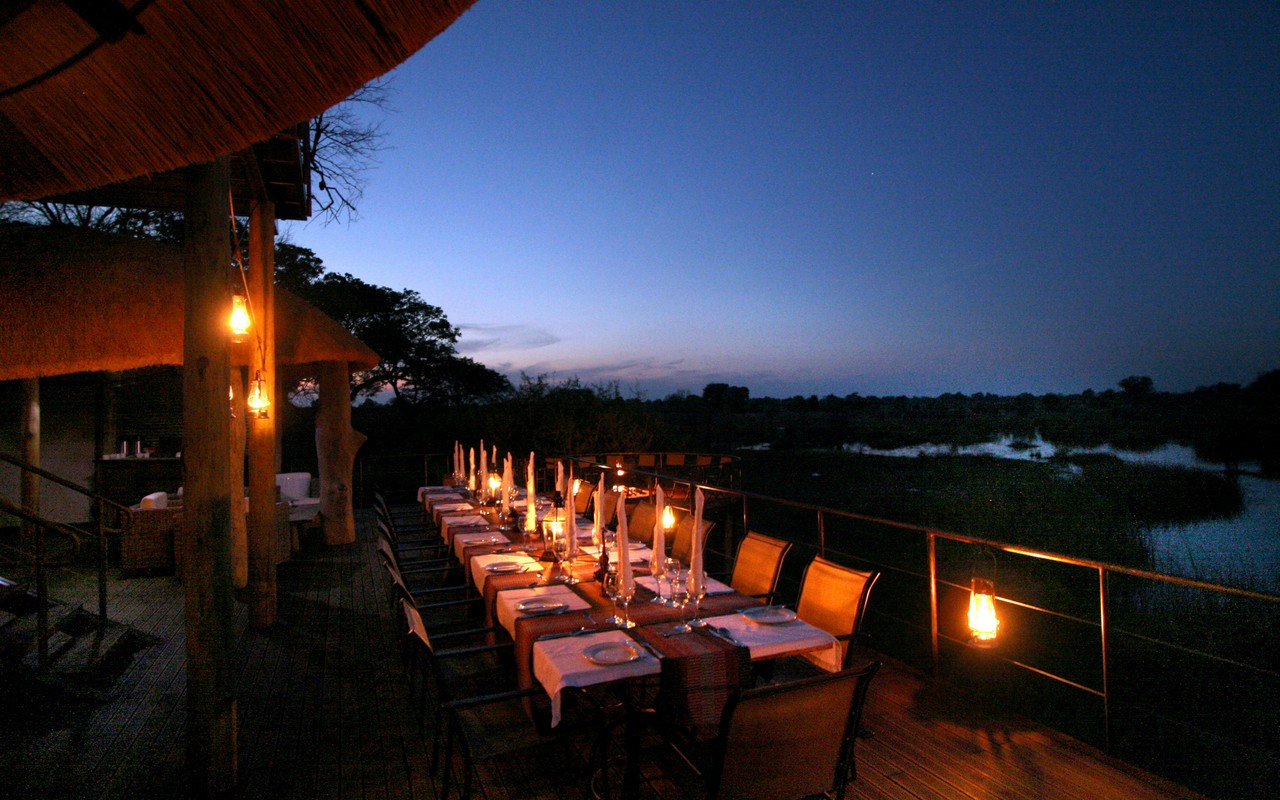
Nkasa Lupala Tented Lodge
- Nkasa-Rupara National Park, Namibia
Intimate riverside lodge offering wildlife viewing, waterways, and peaceful wilderness experiences.

Luxury
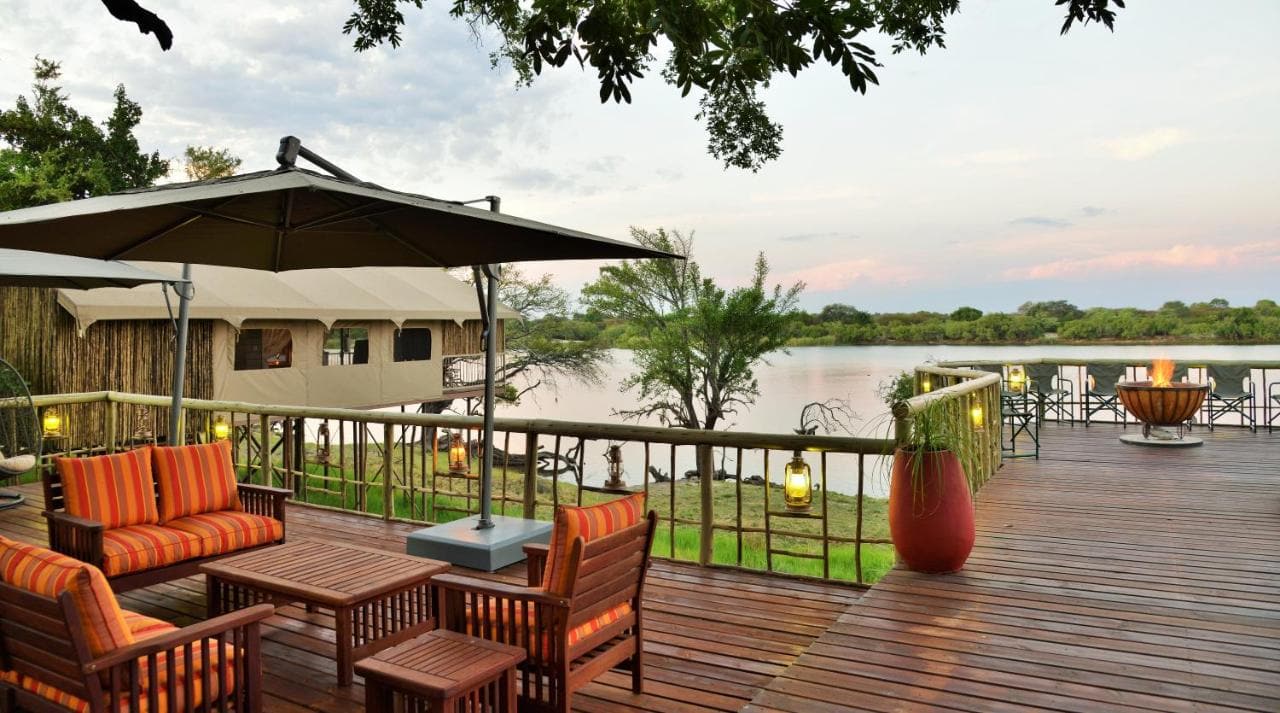
Jackalberry Tented Camp
- Nkasa-Rupara National Park, Namibia
Comfortable tented camp surrounded by waterways, wildlife, and beautiful Caprivi wilderness.
Luxury
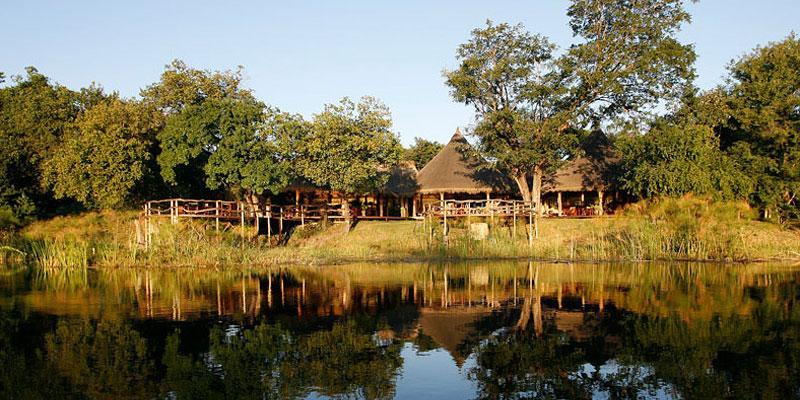
Camp Kwando
- Nkasa-Rupara National Park, Namibia
Relaxed riverside camp offering comfortable accommodation, boat safaris, and wildlife experiences.
Luxury
What You Need To Know About Nkasa Rupara Safaris
Find everything you need to know to plan your Nkasa Rupara adventure, from travel tips to essential insights for an unforgettable trip.
Nkasa Rupara Food and Tipping Practices
Meals on safari are typically included and feature a mix of international and local cuisine, often freshly prepared at lodges or camps. Dietary requirements can usually be accommodated with prior notice. Tipping is customary but not mandatory, with guides and staff appreciating gratuities for good service. A general guideline is to tip guides, drivers, and lodge staff separately. Carry small denominations in cash for convenience.
Nkasa Rupara Food and Tipping Practices
Cost of a Nkasa Rupara Safari
Safari costs vary depending on accommodation level, season, and activities included. Budget options are limited, with most experiences leaning toward mid-range or luxury due to the park’s remote nature. Prices typically cover accommodation, meals, game drives, and park fees. Transport to the park may be an additional cost. Booking in advance can help secure better rates.
Cost of a Nkasa Rupara Safari
Packing List for Nkasa Rupara
Pack lightweight, neutral-colored clothing suitable for warm days and cool mornings. Include a hat, sunscreen, insect repellent, and comfortable walking shoes. Binoculars and a good camera are essential for wildlife viewing. A light jacket is useful for early game drives. During the rainy season, waterproof gear is highly recommended.
Packing List for Nkasa Rupara
Climate in Nkasa Rupara
The park has a subtropical climate with distinct wet and dry seasons. The rainy season runs from November to March, bringing lush vegetation and flooding. The dry season from May to October offers cooler temperatures and better wildlife viewing. Daytime temperatures can be high, especially in October. Nights can be surprisingly cool during winter months.
Climate in Nkasa Rupara
Languages in Nkasa Rupara
English is widely spoken in Namibia and is the main language used in tourism. Local communities speak various indigenous languages, including Lozi and Subiya. Guides and lodge staff are generally fluent in English. Communication is rarely a challenge for international visitors. Learning a few local greetings can enhance cultural interactions.
Languages in Nkasa Rupara
Is Nkasa Rupara Safe?
Nkasa Rupara is generally safe for tourists when visiting through reputable operators. Wildlife poses the main risk, so always follow guide instructions. The remote location means medical facilities are limited, so travel insurance is essential. Lodges maintain strong safety protocols. With proper planning, visitors can enjoy a secure and memorable safari experience.
Is Nkasa Rupara Safe?
What People Say About Us
We are the leading travel agency offering different programs and higher education diplomas that are designed with global requirements in mind.
Unforgettable Safari Experience!
— Jennifer L., USA
Incredible Service from Start to Finish
— Thomas K., Germany
Wildlife Like You’ve Never Seen!
— Sarah M., Australia
Perfect for First-Time Safari Travelers
— Mark & Ellie B., UK
A Dream Honeymoon!
— Nadia & Carlos R., Spain
Blog and articles
Latest travel tips and blog covering all travel experiences. Check out our mentions in different guides and articles.
Our Trusted Safari Partners in Africa
Latest travel tips and blog covering all travel experiences. Check out our mentions in different guides and articles.