
With over two decades of experience, we have been creating tailor-made African safaris built on in-depth regional knowledge and trusted local relationships.
Our strong presence across Africa gives us unmatched insight into every destination, lodge, activity, and hidden treasure we recommend.
From your initial enquiry to your return home, we provide round-the-clock assistance, ensuring every detail is managed seamlessly and professionally.
Each journey contributes to the protection of natural habitats and the well-being of local communities, helping both to flourish together.
You can travel with confidence knowing your investment is secure, backed by reliable systems designed to protect every booking.
Our reputation is built on global recognition and, more importantly, the genuine experiences and satisfaction of travellers who journey with us.
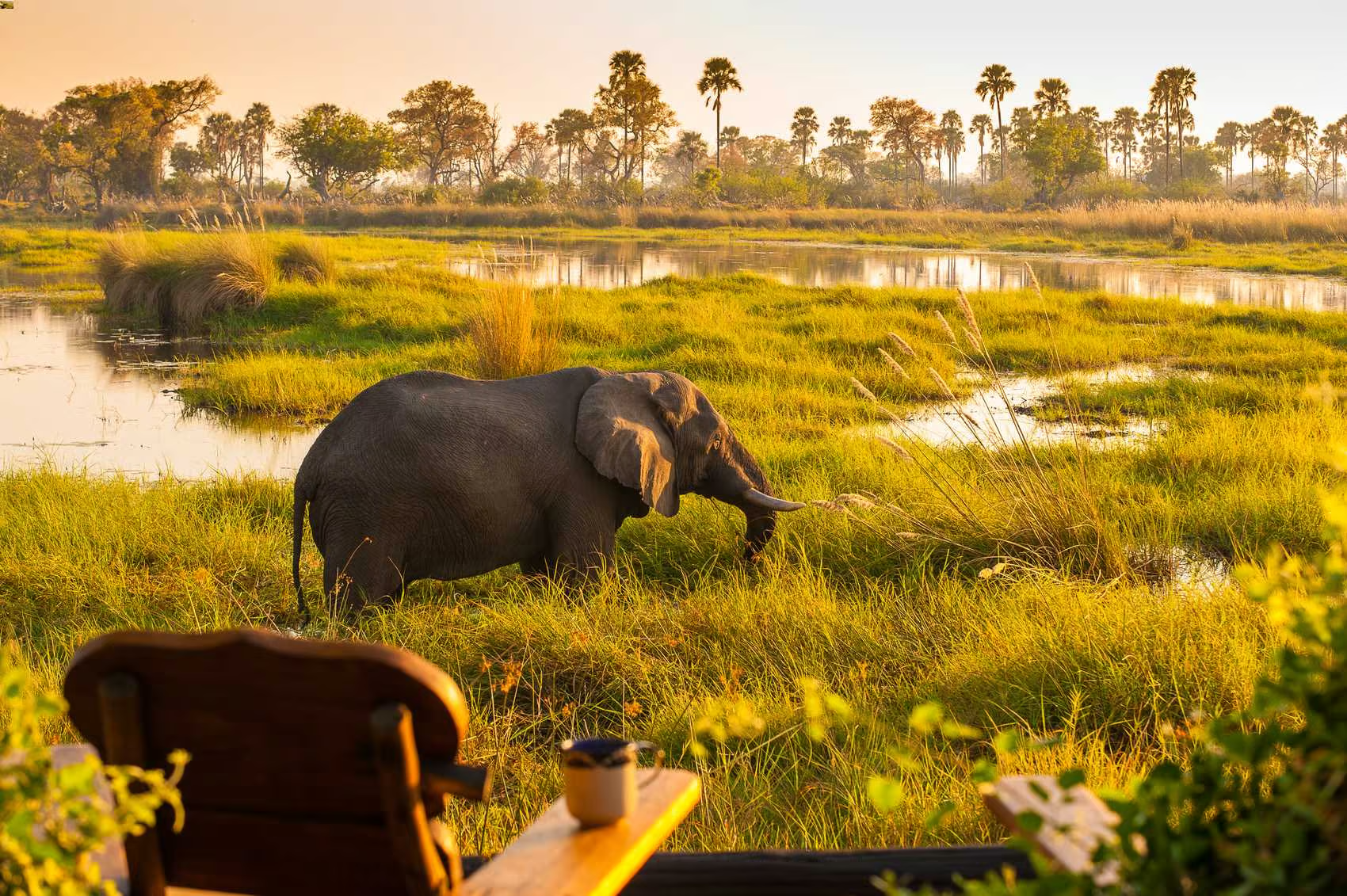
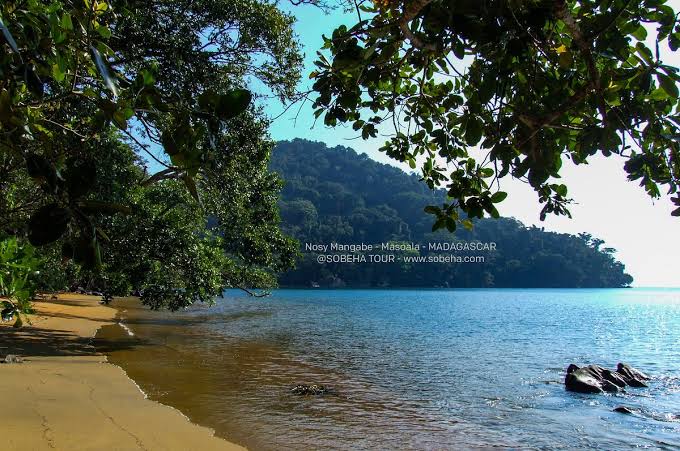
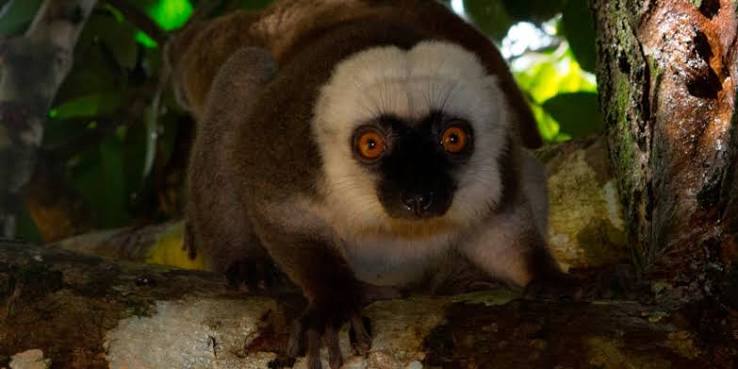
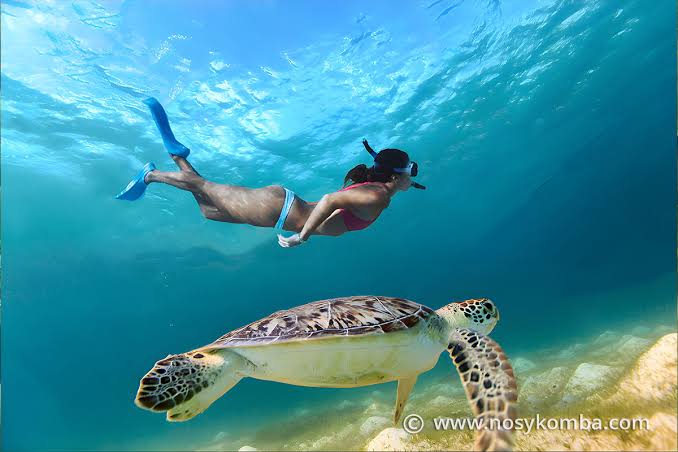
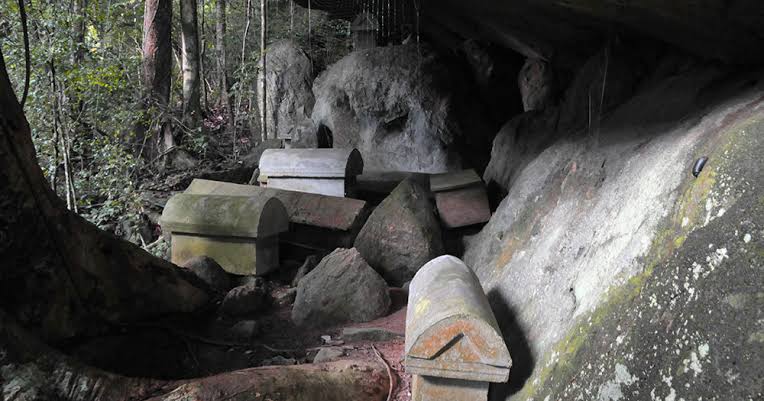
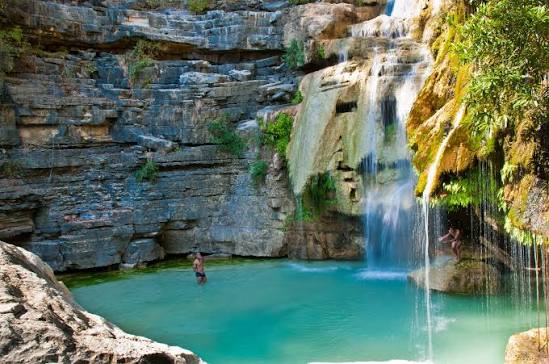
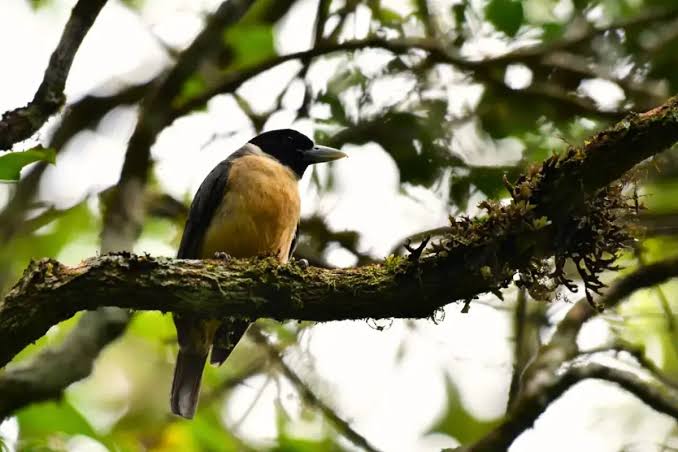
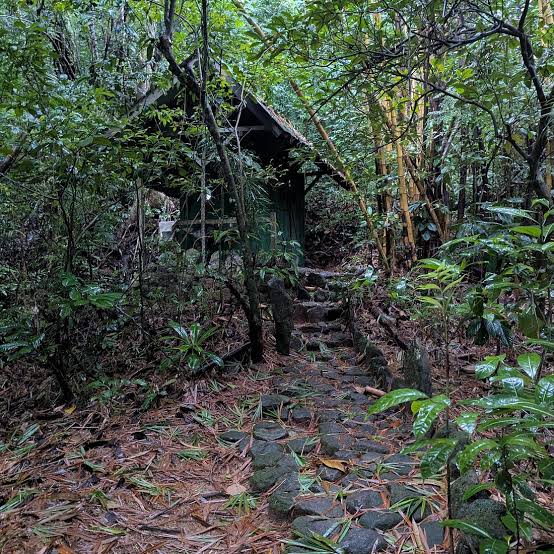
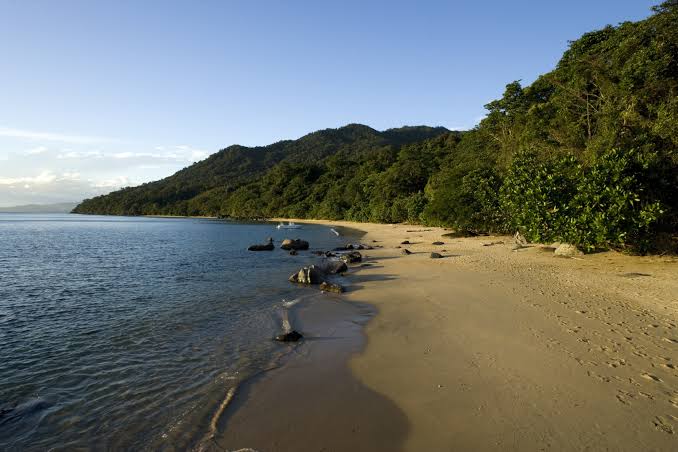
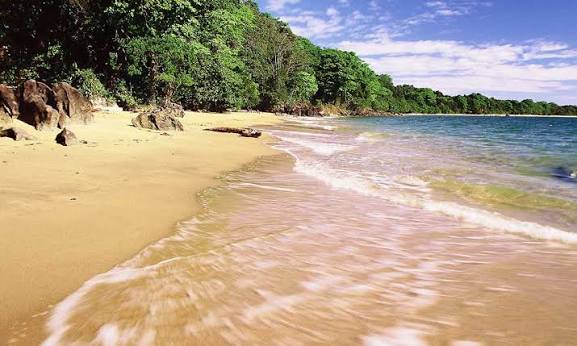
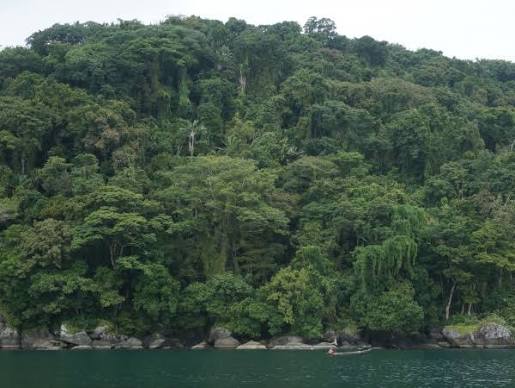
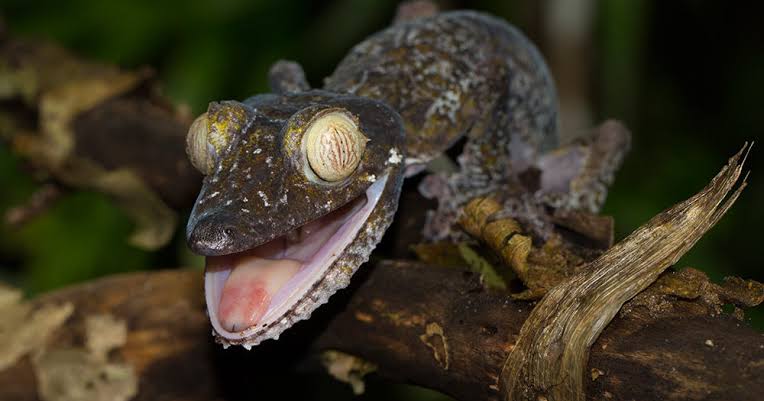
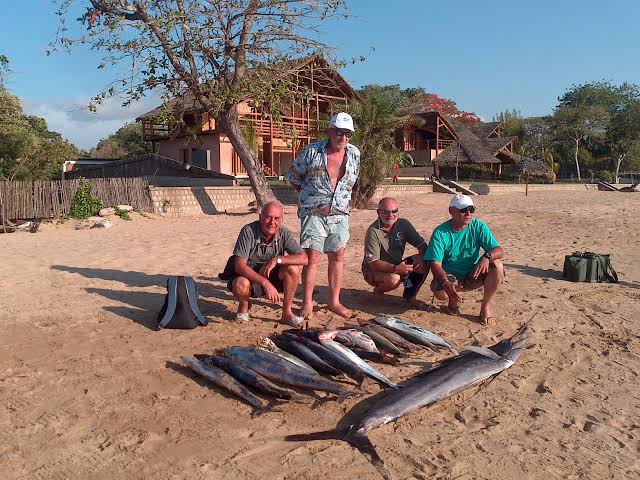

Find everything you need to know to plan your Nosy Mangabe adventure, from travel tips to essential insights for an unforgettable trip.
Meals on Nosy Mangabe safaris typically feature fresh, locally sourced ingredients, including seafood, rice, fruits, and simple international dishes. Lodges and camps cater to various dietary needs with prior notice. Tipping is appreciated but not mandatory; small gratuities are usually given to guides, boat operators, and staff as a gesture of appreciation. It’s best to carry small denominations in cash for convenience.
Nosy Mangabe Food and Tipping Practices
The cost of a safari varies depending on accommodation level, duration, and activities included. Budget options are limited, with most experiences leaning toward mid-range or eco-luxury. Prices often cover accommodation, guided tours, meals, and transfers. Additional costs may include park fees and specialized excursions. Planning in advance helps secure better rates and availability.
Cost of a Nosy Mangabe Safari
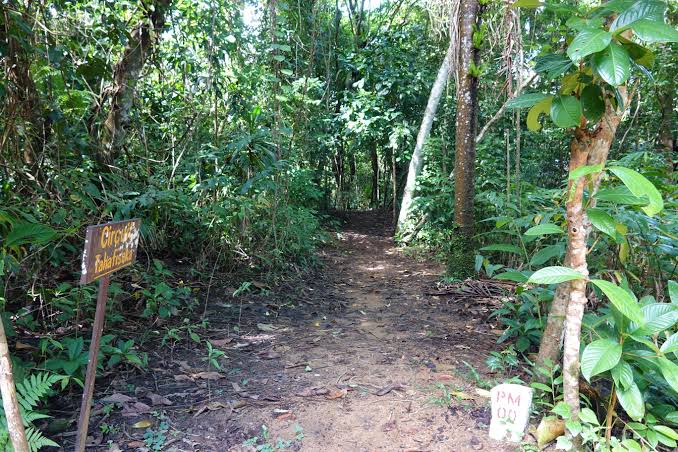
Pack lightweight, breathable clothing suitable for humid conditions, along with sturdy walking shoes for forest trails. Include insect repellent, sunscreen, and a reusable water bottle. A rain jacket is essential, especially during wetter months. Binoculars and a camera are highly recommended for wildlife viewing. Don’t forget a flashlight for night walks and personal essentials.
Packing List for Nosy Mangabe
Nosy Mangabe has a tropical climate characterized by warm temperatures and high humidity throughout the year. The wet season runs from November to April, bringing heavy rains, while the dry season from May to October offers cooler and more stable conditions. Temperatures generally remain consistent, making it a year-round destination with varying experiences depending on the season.
Climate in Nosy Mangabe
The primary language spoken is Malagasy, with French widely used in tourism and official settings. Some guides and staff may also speak basic English, particularly in established safari operations. Learning a few simple local phrases can enhance interactions and show respect for the culture. Communication is generally manageable with the help of guides.
Languages in Nosy Mangabe
Nosy Mangabe is considered a safe destination, especially when travelling with reputable guides or safari operators. The island is remote and less crowded, reducing common travel risks. Visitors should follow standard precautions, such as securing valuables and adhering to guide instructions. Health safety measures, including vaccinations and insect protection, are recommended. Overall, it offers a secure and peaceful travel experience.
Is Nosy Mangabe Safe?
We are the leading travel agency offering different programs and higher education diplomas that are designed with global requirements in mind.
Latest travel tips and blog covering all travel experiences. Check out our mentions in different guides and articles.
Latest travel tips and blog covering all travel experiences. Check out our mentions in different guides and articles.


















Website Usage Terms & Conditions | Booking Terms & Conditions | Privacy Policy | Notice of Collection | Sitemap


WhatsApp us