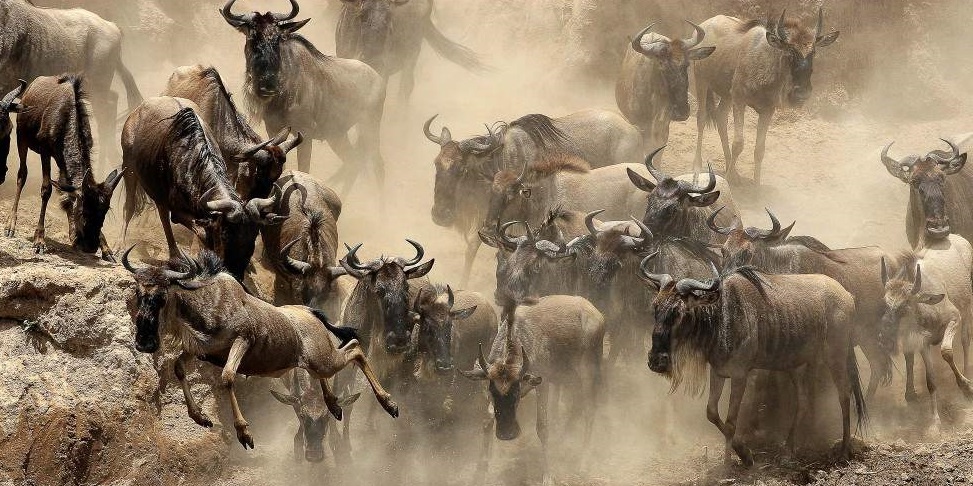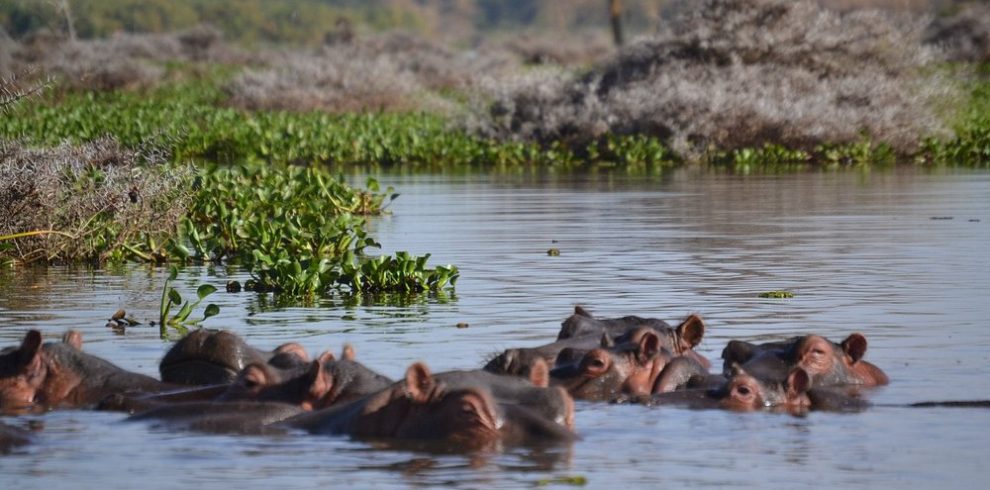
Africa is a lifetime journey that offers amazing wildlife safaris in Kenya and Tanzania, vibrant markets in Morocco, stunning deserts in Namibia, and cosmopolitan urban centres in South Africa. Nevertheless, exploring Africa comes with distinct financial challenges. Differences in currency, banking facilities in remote areas, and diverse payment methods necessitate thorough pre‑trip planning.
A pre‑trip money checklist helps travellers manage cash, cards, and digital payment options in Africa without incurring high fees, falling victim to fraud, or facing financial stress. This guide provides a comprehensive roadmap to effectively manage your finances before and during your African adventure.
1. Understand the Currency in Your Destination Countries
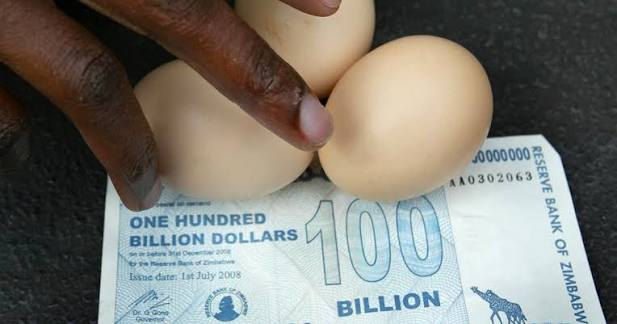
Africa is diverse, and its currencies reflect that diversity. Key currencies include:
- South Africa: South African Rand (ZAR)
- Kenya: Kenyan Shilling (KES)
- Tanzania: Tanzanian Shilling (TZS)
- Morocco: Moroccan Dirham (MAD)
- Egypt: Egyptian Pound (EGP)
- Namibia: Namibian Dollar (NAD)
- Botswana: Botswana Pula (BWP)
Research the currency of every country you plan to visit, including the denominations in circulation. Rural vendors and small businesses may not accept large bills.
2. Plan How Much Cash to Bring

While cards are widely accepted in cities and tourist hotels, cash remains essential for:
- Small markets, street vendors, and taxis.
- Rural lodges and safari parks.
- Tips for guides, hotel staff, and drivers.
Tips for Cash Planning:
- Carry small and medium denominations.
- Avoid carrying excessive cash – use a secure money belt.
- Consider bringing US dollars or euros, which can be exchanged in many countries.
Check exchange rates and estimate daily expenses to determine how much cash to bring.
3. Check Your Bank Cards and Credit Cards

Before departure:
- Notify Your Bank: Inform your bank and credit card companies about your travel dates and destinations to prevent card blocks.
- Check Card Networks: Visa and Mastercard are widely accepted; American Express may be more restricted.
- Review Limits: Ensure your cards have sufficient daily withdrawal and spending limits.
- Consider Travel‑Friendly Cards: Some cards offer no foreign transaction fees, rewards, or travel insurance.
Carry at least two cards from different banks or networks as backup.
4. Prepare for ATM Use
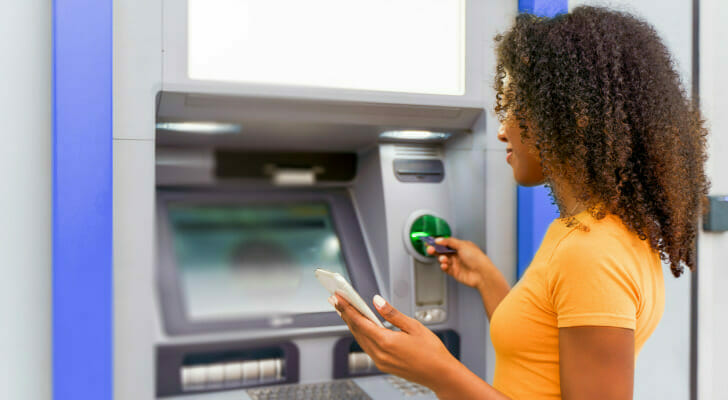
ATMs are common in African cities but may be limited in rural areas. Planning is essential:
- Locate ATMs: Identify bank branches, shopping malls, and airport ATMs in your destination cities.
- Know the Fees: Be aware of foreign transaction fees, ATM withdrawal fees, and dynamic currency conversion charges.
- Use Secure ATMs: Prefer ATMs inside banks or well‑lit areas; avoid isolated machines.
- Withdraw Strategically: Withdraw larger amounts to minimise fees, but avoid carrying excessive cash.
Debit cards are generally safer and less expensive than credit cards for cash withdrawals.
5. Understand Digital Payment and Mobile Money
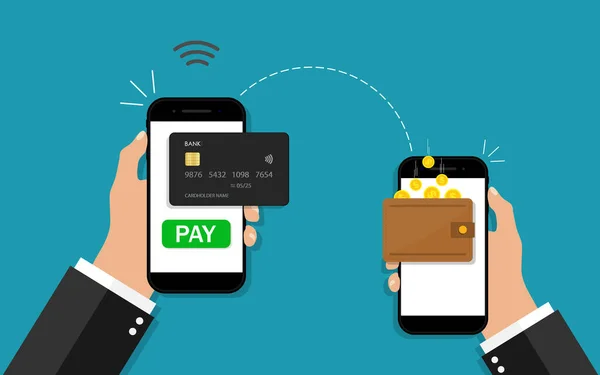
Africa is a leader in mobile money solutions. To reduce reliance on cash, familiarise yourself with:
- M‑Pesa: Widely used in Kenya and Tanzania.
- EcoCash: Common in Zimbabwe and parts of Southern Africa.
- Orange Money: Popular in West Africa and Morocco.
Learn how these systems work, connect them to your bank account where possible, and ensure your phone is set up with a local network.
6. Plan for Currency Exchange
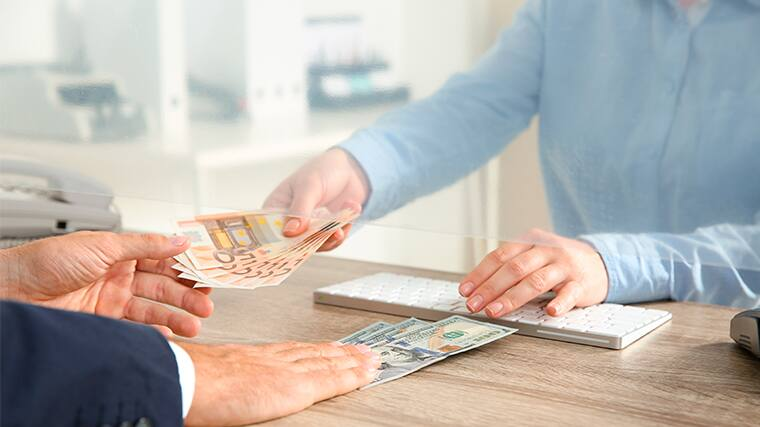
Exchanging money requires care to avoid poor rates and high fees:
- Exchange Before Arrival: Consider exchanging some cash at your home bank before departure.
- Use Reliable Exchange Services: Banks and airports offer consistent rates; avoid street money changers.
- Use Local ATMs: ATMs often provide better rates than currency exchange counters.
- Avoid Dynamic Currency Conversion: Always choose to pay in the local currency when using cards to avoid hidden charges.
Keep a small amount of US dollars or euros as emergency backup in areas with limited banking services.
7. Research Typical Costs and Budget Accordingly
Knowing approximate costs helps prevent overspending:
- Accommodation: Budget options ($10‑50) to luxury lodges ($200‑500).
- Meals: Street food ($1‑5) to mid‑range restaurants ($10‑30).
- Transport: Taxis, buses, and car hire.
- Tours: Safaris and tours can range from $50 to $500 per day.
Create a daily budget covering accommodation, meals, transport, tips, and emergencies. Allow extra for unexpected costs.
8. Safety Precautions for Money
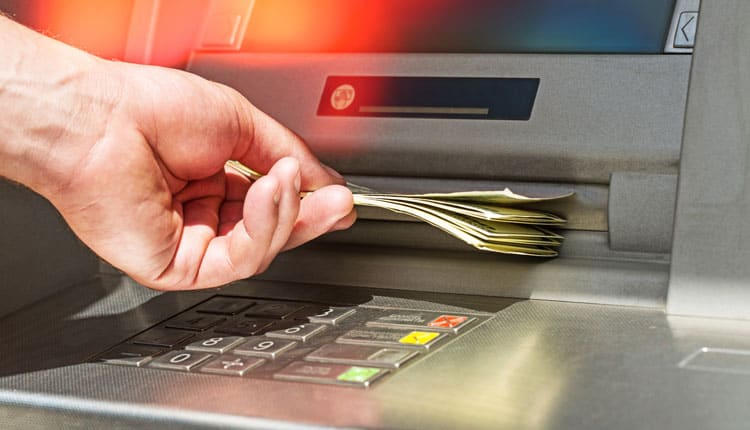
Financial safety is essential during your trip:
- Money Belts: Keep cash, cards, and passports hidden in a money belt.
- Separate Cards: Carry one card with you and leave another in a secure place (e.g., hotel safe).
- Avoid Flashing Cash: Do not display large amounts of money in public.
- Emergency Contacts: Keep your bank’s contact numbers in case of lost or stolen cards.
Monitor your accounts through banking apps and use alerts to detect suspicious activity.
9. Emergency Money Planning
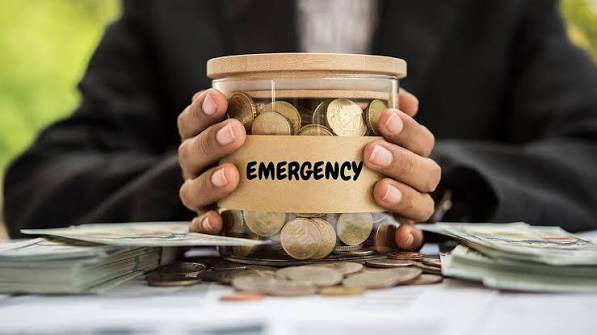
Always prepare for unexpected situations:
- Back‑up Cards: Carry an additional credit or debit card in case one is lost or stolen.
- Emergency Cash: Keep a small amount of US dollars or euros for emergencies.
- Know Bank Helplines: Store international card support numbers.
- Travel Insurance: Ensure your policy covers lost or stolen cards and emergency cash.
10. Consider Prepaid Travel Cards
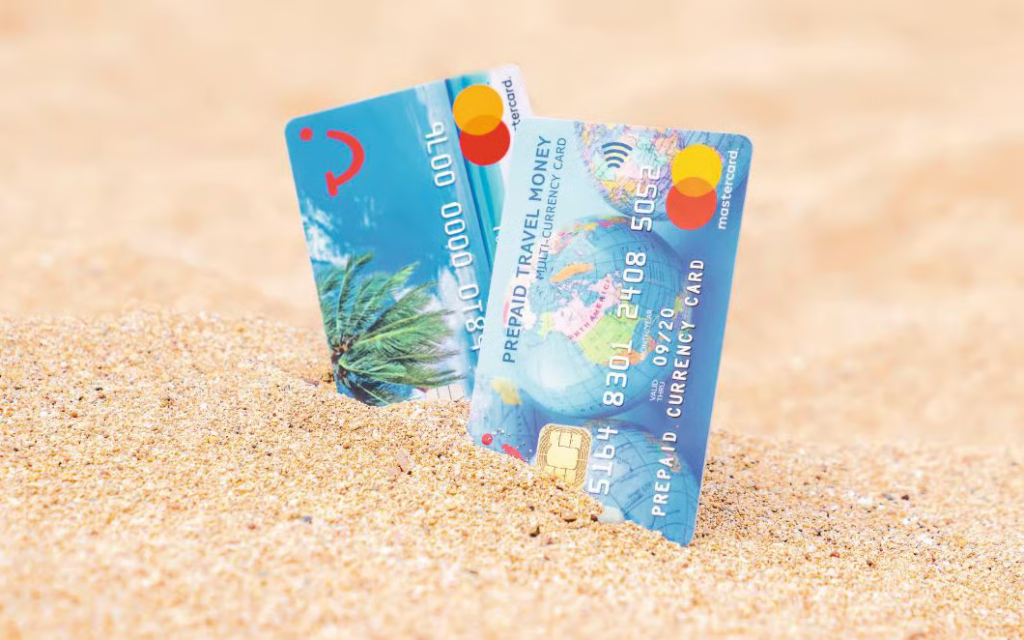
Prepaid travel cards offer an alternative to cash and standard bank cards:
- Loaded with multiple currencies.
- Help with spending management and budgeting.
- Provide added security as they are not directly linked to your main bank account.
Check compatibility in the countries you are visiting, as not all prepaid cards are accepted everywhere.
11. Rural and Remote Provisions

Many remote areas – including safari lodges, small villages, and distant national parks – do not accept cards:
- Bring sufficient cash for park entrance fees, guides, and tips.
- Consider paying for accommodation online in advance.
- Inform your bank about planned withdrawals to avoid card rejection.
Research local payment norms in each region you plan to visit.
12. Review Fees and Charges
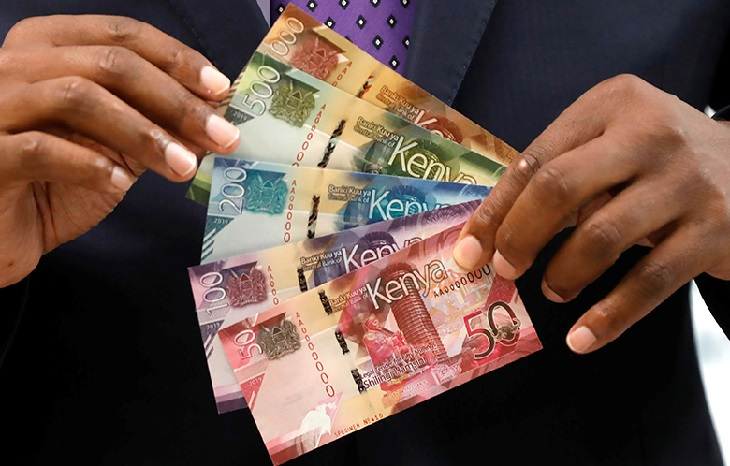
ATM and card payments can incur significant fees:
- Foreign Transaction Fees: Typically 1‑3% of each transaction.
- ATM Withdrawal Fees: Both your home bank and the local bank may charge fees.
- Dynamic Currency Conversion Fees: Charging in your home currency abroad usually results in poor exchange rates.
Minimise fees by using travel‑friendly cards, withdrawing larger amounts less frequently, and always choosing local currency.
13. Adopt a Money Management Strategy

Organise your finances for safety and convenience:
- Set a Daily Budget: Allocate a daily spending limit.
- Split Your Money: Keep cash, cards, and mobile money in separate places.
- Track Spending: Use apps or a notebook to monitor expenses.
- Secure Large Amounts: Store excess cash and cards in a hotel safe.
14. Monitor Exchange Rates and Local Banking
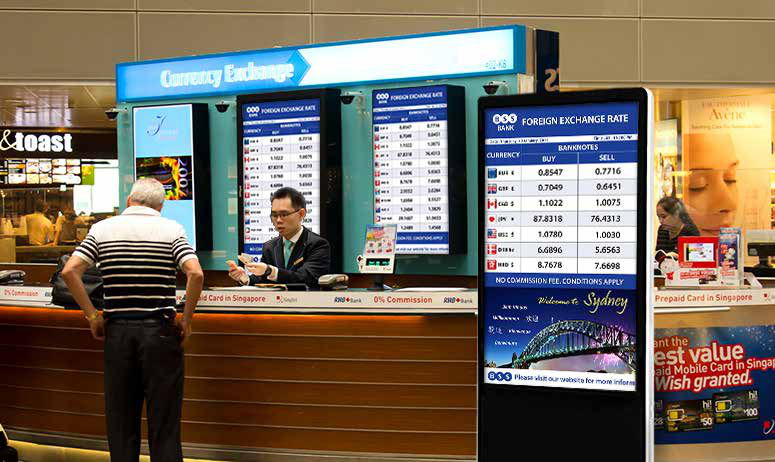
Track rates and banking conditions before and during your trip:
- Use Apps: XE, Revolut, or Wise for live exchange rates.
- Check Local Banking: Some local banks partner with international banks to offer lower ATM fees.
- Stay Updated: Monitor news on currency fluctuations or banking disruptions in your destination.
15. Be Prepared for Tipping and Small Expenses

Tipping guides, drivers, and hotel staff often requires cash:
- Keep small denominations readily available.
- Include tips in your daily budget to avoid scrambling for change.
- In rural areas, mobile payments and cards may not be accepted.
16. Pre‑Trip Money Checklist
Use this practical checklist for your pre‑trip money preparation:
- Research destination currencies and denominations.
- Budget and estimate daily costs.
- Notify your bank about travel plans.
- Carry at least two bank cards (different networks).
- Identify ATM locations, fees, and security measures.
- Familiarise yourself with mobile money and digital payments.
- Set aside emergency cash.
- Avoid dynamic currency conversion when using cards.
- Store emergency funds and backup cards securely.
- Use a money belt and secure cardholders.
- Plan for cash needs in rural and remote areas.
- Track daily spending and monitor bank accounts.
- Check travel insurance coverage for lost cards or cash.
- Keep small bills for tips and small purchases.
Conclusion
Financial preparation is essential for a safe and enjoyable trip to Africa. A pre‑trip money checklist helps travellers reduce risks, minimise fees, and ensure access to funds throughout their journey. Understanding currencies, planning cash needs, using cards wisely, and integrating mobile money solutions provide the flexibility and security required in both urban and remote areas.
With proper planning, your African trip can focus on wildlife, cultural heritage, and stunning scenery – rather than financial concerns or limited access to funds.
Key Takeaways:
- Research costs and typical prices for each destination.
- Carry a combination of cash, bank cards, and mobile money.
- Understand fees, currency exchange, and ATM limitations.
- Secure money and cards separately for emergencies.
- Track spending and stay informed about local banking conditions.
With this preparation, travellers can enjoy both city streets and remote safari lodges with peace of mind and financial confidence.