A trip to Africa can be thrilling, yet it often involves decisions that can influence your entire experience. One of the most important questions travellers face is whether to reserve or not reserve accommodation in Africa. Africa is a vast continent with diverse destinations and accommodation types, so a one‑size‑fits‑all solution does not exist.
Some travellers prefer to plan everything in advance, while others enjoy the freedom of finding a place to stay upon arrival. Each approach has its merits and drawbacks, depending on the destination, travel style, budget, and season. This guide provides real‑world advice, tips, and expert insights to help you decide. By the end, you will be able to make a confident decision tailored to your African adventure.
Understanding Accommodation Choices in Africa
Before deciding whether to book ahead or not, it is important to understand the diverse accommodation options in Africa. The continent offers:
- Luxury hotels and international chains in major cities.
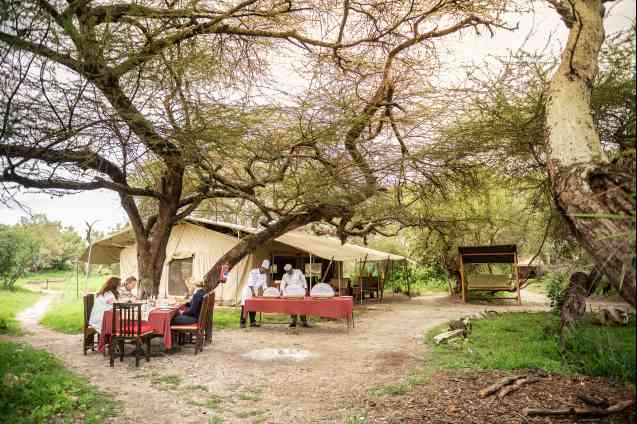
- Wildlife lodges and tented camps in remote areas.
- Mid‑range hotels and serviced apartments.
- Guesthouses, hostels, and budget hotels.
- Community‑based accommodation and eco‑lodges.
Availability, quality, and pricing vary significantly by country, city, and season. This diversity means there is no simple answer to whether you should reserve or not reserve accommodation in Africa.
Why This Question Matters

The question of accommodation affects more than where you sleep. It influences:
- Your safety and peace of mind.
- Your travel budget.
- Your daily schedule and energy levels.
- Your overall comfort and enjoyment.
In some African destinations, rooms can be booked months in advance; in others, walk‑in options are common. Understanding when to plan ahead and when flexibility works best is key to deciding whether to reserve or not reserve accommodation in Africa.
Key Factors to Consider
1. Destination and Location
Africa is not a single travel environment. Major cities such as Cape Town, Nairobi, Marrakech, and Accra offer a wide range of hotels with good availability. However, accommodation in remote destinations like safari parks, islands, or desert regions is often limited.
- Urban areas: Hotels are easier to find upon arrival.
- Safari destinations: Almost always require advance booking.
- Remote or rural locations: Few options exist – advance booking is safer.
Your destination alone can be a deciding factor.
2. Season and Travel Period
Seasonality significantly affects accommodation availability.
- High season: Peak tourism, higher prices, limited availability.
- Low season: Lower prices, more availability, fewer tourists.
- Shoulder season: Balanced pricing and availability.
Popular safari or beach destinations can sell out months in advance during high season. In low season, spontaneous travel becomes more viable.
3. Type of Traveller
Your travel style is one of the strongest factors influencing your booking decision.
- First‑time travellers: Advance booking provides confidence and structure, reducing uncertainty.
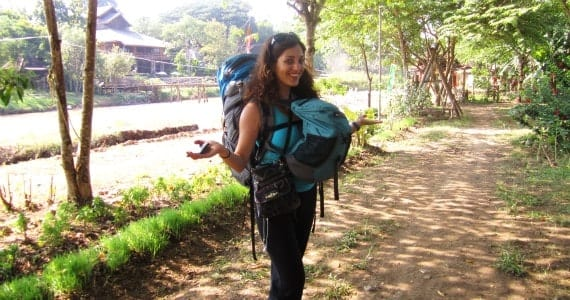
- Backpackers or experienced travellers: May prefer flexibility, especially in areas with good infrastructure.
- Families and groups: Advance booking ensures suitable rooms and facilities are available.
Benefits of Booking Accommodation in Advance

Pre‑booking offers several clear advantages:
- Peace of mind: You know where you are staying, reducing stress after long flights or border crossings.
- Better planning: Pre‑booking helps organise transport, tours, and daily activities more effectively.
- Guaranteed availability: Essential in busy destinations to avoid being turned away.
- Budget control: Securing rates in advance protects against last‑minute price increases.
These advantages make advance booking an attractive option for many travellers.
Drawbacks of Booking Too Early
Despite its benefits, advance booking has disadvantages:
- Less flexibility: You may want to stay longer in a place you love or leave earlier from a place you dislike.
- Cancellation costs: Some hotels, particularly safari lodges and resorts, have strict cancellation policies.
- Missed local deals: Pre‑booking may prevent you from finding on‑the‑ground deals or local recommendations.
These drawbacks explain why some travellers choose not to book everything in advance.
Benefits of Not Reserving Accommodation
Choosing not to reserve offers freedom and flexibility:
- Spontaneity: You can adjust your itinerary based on weather, recommendations, or personal preference.
- Potential cost savings: Last‑minute accommodation may be cheaper in low season or less touristy areas.
- Local experience: Walking into guesthouses allows you to view rooms before committing and speak directly with hosts.
For flexible travellers, this approach can be highly rewarding.
Drawbacks of Not Reserving Accommodation

However, this strategy carries risks:
- Limited availability: During peak season or in tourist hotspots, finding accommodation can be difficult.
- Safety concerns: Arriving in unfamiliar places at night without a confirmed stay can be stressful and unsafe.
- Time consumption: Searching for accommodation upon arrival takes time away from sightseeing.
These risks need careful consideration before deciding against a reservation.
Destination‑Based Advice
Safari Destinations
Always reserve in advance. Safari lodges have limited rooms and fixed schedules.
Major Cities
Book the first few nights and leave the rest flexible. Cities offer plenty of choices.
Beach Resorts and Islands
Book ahead during high seasons to secure the best options.
Backpacker Routes
Booking on arrival can work well in popular backpacking areas, especially during low season.
Budget Considerations
Your budget also influences your choice:
- Luxury travellers: Advance booking ensures access to premium properties.
- Mid‑range travellers: Pre‑booking offers stability and security.
- Budget travellers: Flexibility may lead to better last‑minute deals.
Knowing your financial priorities helps clarify whether to reserve or not reserve accommodation in Africa.
Using Technology to Your Advantage
Modern booking platforms allow flexibility even with advance bookings. Look for:
- Free cancellation policies.
- Pay‑later options.
- Last‑minute booking apps.
These tools allow travellers to combine flexibility with planning.
The Hybrid Approach: Best of Both Worlds
Many experienced travellers adopt a hybrid approach:
- Book accommodation for arrival and key destinations.
- Leave some nights unbooked for spontaneity.
- Adjust plans as you travel.
This moderate approach often provides the most satisfying solution to whether to reserve or not reserve accommodation in Africa.
Common Mistakes to Avoid
When making accommodation decisions, avoid these pitfalls:
- Over‑booking without flexibility.
- Failing to book during high season.
- Ignoring location and safety.
- Not reading cancellation policies.
- Assuming availability is guaranteed.
Avoiding these errors leads to smarter decisions.
Cultural and Regional Differences

In some African countries, walk‑in accommodation is common and accepted. In others, particularly where tourism infrastructure is formalised, advance reservation is expected. Researching cultural norms helps prevent misunderstandings.
Final Decision Checklist
Ask yourself:
- Am I travelling in peak season?
- Is my destination remote or popular?
- Do I prefer flexibility or certainty?
- Am I travelling with family or alone?
Your answers will guide you to the right decision.
Conclusion
Should you reserve or not reserve accommodation in Africa? The answer depends on your destination, travel style, budget, and comfort with uncertainty. Africa offers both structured and flexible travel, and successful travellers choose the approach that suits them best.
For most travellers, a moderate approach – reserving some nights while leaving room for spontaneity – works best. By weighing the pros and cons, understanding seasonal variations, and considering regional differences, you can confidently decide whether to reserve or not reserve accommodation in Africa. With thoughtful planning, your accommodation choices will enhance rather than limit your African experience.