

There is no adventure quite like travelling through Africa. Whether you are exploring the markets of Marrakech or the wildlife wonders of Kenya, the continent offers experiences that will last a lifetime. However, one challenge many travellers face is staying in touch without a mobile device. While smartphones and mobile networks are increasingly widespread in Africa, there are still many areas where connectivity is unreliable, expensive, or unavailable. Fortunately, alternative ways to stay connected safely and efficiently exist for travellers who do not want to rely solely on mobile technology.
Understanding the Communication Landscape in Africa
Africa is a vast continent of over 50 nations, each with its own infrastructure, languages, and cultures. Cities such as Johannesburg, Lagos, and Nairobi are generally well connected with mobile networks and decent internet access, while rural regions and remote areas often suffer from poor coverage. This can make it challenging for tourists to coordinate travel arrangements, stay in touch with loved ones, or access emergency services.
Understanding the communication landscape is essential. Mobile signals can be weak in certain areas, power supplies may be erratic, and internet access can be costly or very slow. This makes reliance on a mobile device risky. By exploring alternative forms of communication, travellers can ensure safety, maintain connections, and engage more deeply with local communities.
Traditional Methods of Communication
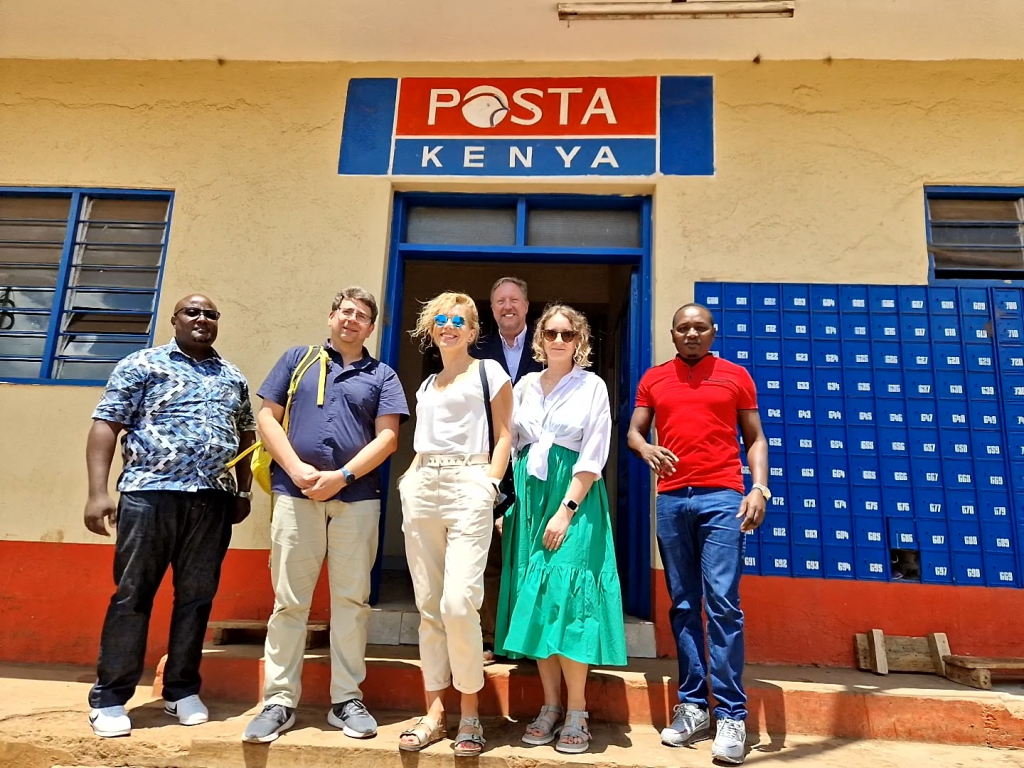
1. Postal Services and Courier Services
Postal services remain a viable option for travellers in Africa. National postal systems are reasonably reliable in most countries, allowing you to send letters, postcards, and packages to friends and family. Major courier companies such as DHL, FedEx, and UPS operate in most African countries and can deliver faster communication for urgent matters.
Tips for using postal services:
- Always verify the address format for the destination country.
- Use registered mail for important documents.
- Consider sending postcards or letters from iconic locations to provide a personal and memorable touch to your correspondence.
2. Landline Telephones
Although mobile phones dominate modern communication, landlines are still available in many hotels, lodges, and local businesses across Africa. International calling services are typically offered by tourist accommodations in urban centres and safari lodges. While less convenient than a smartphone, landline calls can help travellers make important connections without needing a mobile device.
Tips for using landlines:
- Check with your hotel reception for international dialling codes before calling.
- Write down your conversation or message beforehand to save on call costs.
- Calling cards are available at some hotels and may offer cheaper rates than direct international calls.
3. Community Message Boards and Local Contacts
In smaller towns and rural communities, informal communication hubs such as community message boards, local shops, and lodges serve as gathering points for sharing information. Travellers can leave messages for friends or share updates with the local community. While this approach may take more time, it can also result in rich cultural exchanges and unique experiences.
Digital Alternatives Without a Mobile Device

Travellers can use several digital tools to stay connected even without a smartphone:
1. Internet Cafés
Internet cafés are common in African cities and towns. They allow travellers to access email, social media, and messaging platforms using computers rather than mobile phones. Internet cafés are typically pay‑per‑hour, making them a low‑cost option for travellers who need communication tools but do not have a phone.
Internet café tips:
- Avoid accessing sensitive accounts on public computers.
- Log out completely after each session.
- Use encrypted email services such as Gmail or ProtonMail for secure communication.
2. Satellite Phones
For travellers exploring remote locations – such as the deserts of Namibia or the forests of the Congo Basin – satellite phones can provide a reliable alternative when conventional networks are unavailable. They are more expensive to use but operate where other networks cannot.
Important considerations for satellite phones:
- Rent equipment from local providers or international travel agencies.
- Familiarise yourself with their operation before heading into remote areas.
- Use them as a reserve for critical communication due to high call costs.
3. Wi‑Fi Hotspots and Lodges
Many hotels, hostels, and lodges in Africa offer Wi‑Fi, even in areas where mobile networks are poor. Travellers can plan their accommodation around places with Wi‑Fi to send messages, update social media, or make internet calls using VoIP services such as Skype or Zoom.
Tips for maximising Wi‑Fi access:
- Check for Wi‑Fi availability before booking accommodation.
- Use a VPN to maintain privacy on shared networks.
- Download essential maps or travel guides to minimise the need for constant connectivity.
Cultural and Social Communication Methods
1. Word of Mouth

In many African communities, word of mouth remains a highly effective communication tool. Messages are often passed along through local guides, taxi drivers, or lodge staff. This approach relies on trust and patience but can foster meaningful cultural interactions.
2. Tourism Offices and Community Centres
Tourist information centres, cultural hubs, and local offices frequently provide message boards or assist with sending messages to distant friends or family. These centres are especially useful for travellers visiting rural or less‑developed regions.
3. Traditional Couriers and Messengers
In some areas – particularly in West and East Africa – traditional couriers or messengers still deliver urgent messages or parcels across towns and villages. These local systems have been used for decades and often work effectively even in low‑technology settings.
Practical Advice for Travellers
Staying connected without a mobile phone in Africa requires planning, flexibility, and knowledge of local infrastructure. Here are some practical tips:
1. Plan Your Communication Strategy
Think ahead about how you will communicate in areas with low mobile coverage. Identify available landlines, Wi‑Fi, or postal facilities in the cities or lodges you will visit. Arrange regular check‑in times with family or travel companions, and establish emergency backup plans.
2. Carry Multiple Communication Options
Do not rely on a single method of communication. Using postal services, internet cafés, landlines, and Wi‑Fi‑enabled lodges provides backup options when one method fails.
3. Learn Local Contact Numbers
Always carry a small notebook with the addresses and phone numbers of your accommodation, local guides, and emergency services. This information can be invaluable in the event of network outages or lost devices.
4. Prioritise Safety
When travelling without a phone, it is especially important to share your itinerary and expected return times with someone you trust. Use reliable local contacts or tour operators, particularly in remote or rural areas.
5. Embrace the Offline Experience
Being disconnected from mobile devices allows travellers to experience African life more deeply. Without constant notifications, you will have more opportunities to appreciate local culture, enjoy the natural environment, and build authentic relationships with people nearby.
Conclusion
Travelling through Africa without a mobile phone can be both a challenge and a rewarding experience. By combining traditional communication methods, alternative digital tools, and local cultural networks, travellers can stay connected with loved ones while fully embracing the continent’s adventure.
Whether you are sending postcards from the Sahara, making a landline call from a lodge in Kenya, or using word‑of‑mouth messengers in a remote village, staying in touch without a mobile device encourages creativity, patience, and greater connection with local communities.
Ultimately, this experience teaches travellers that communication is not simply about convenience – it is also about creativity, human solidarity, and understanding the diverse ways people remain connected across Africa. With proper planning, a variety of techniques, and a willingness to embrace offline experiences, a traveller can navigate the continent without a smartphone confidently, safely, and meaningfully.