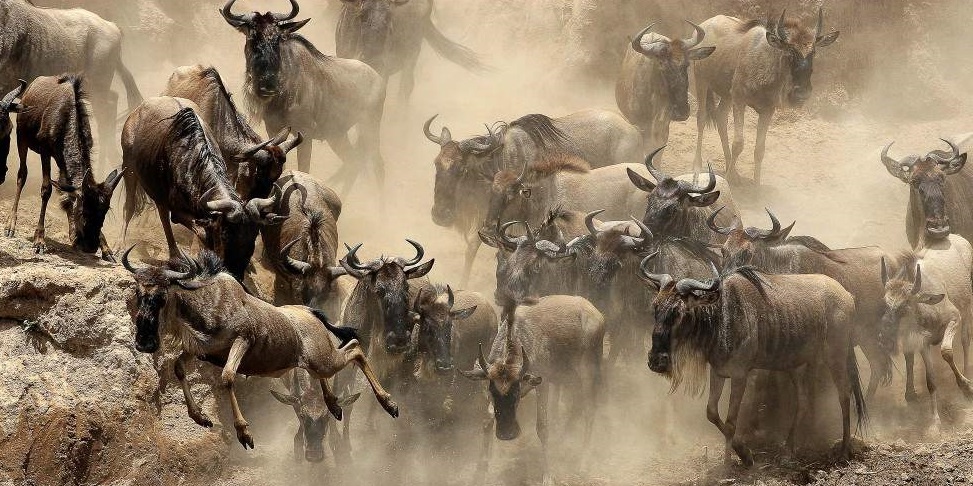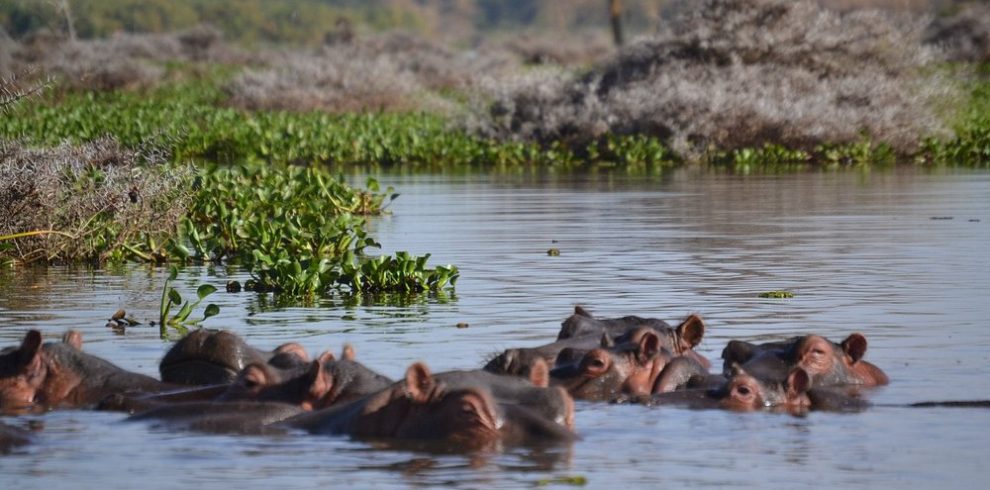
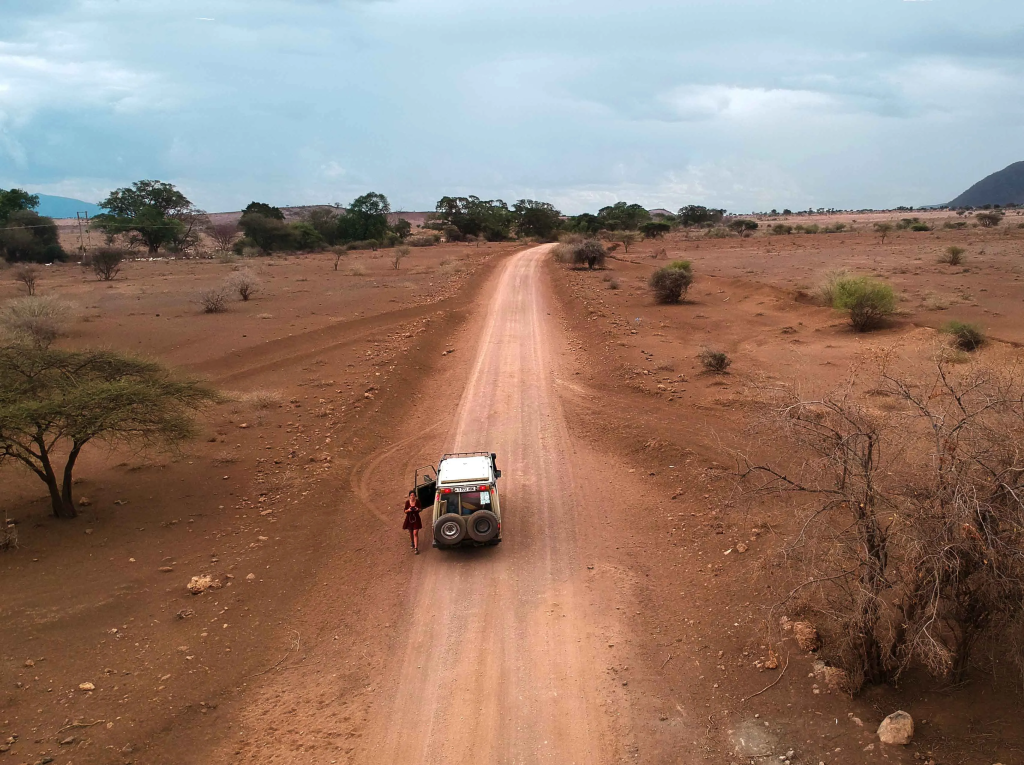
Travelling through Africa is a once‑in‑a‑lifetime experience. Whether you are exploring the stunning scenery of South Africa’s Garden Route, the wildlife‑rich savannahs of Kenya and Tanzania, or the desert highways of Namibia and Morocco, there is no better way to experience the continent than by driving. Yet, for the accidental tourist – one unfamiliar with local driving conditions, road regulations, and cultural practices – mistakes are bound to happen. Handling driving mishaps is essential for maintaining a safe and enjoyable trip, as it relates to safety, legal compliance, and even saving lives.
This guide provides a comprehensive look at what to expect, how to prepare, and how to respond to accidents, breakdowns, or road‑related issues across Africa. It is designed for tourists, expatriates, and long‑term travellers who wish to navigate the continent responsibly and sensibly, reducing stress when unfortunate events occur.
Understanding the Unique Driving Conditions in Africa
Driving in Africa is a very different experience compared to many other continents, involving a mix of road conditions, cultural differences, and environmental challenges:
- Different Types of Roads: You will encounter paved roads, gravel roads, dirt paths, and off‑road safari tracks. Some roads are well marked; others have minimal signage.
- Wildlife and Livestock: Animals are common on roads – from cows and goats in rural villages to elephants and zebras in national parks.
- Traffic Patterns: Traffic congestion in cities, aggressive driving, and informal traffic management can be unexpected for new motorists.
- Weather Challenges: Rains can turn dirt roads to mud, and desert sandstorms can reduce visibility to near zero.
The first step in reducing mishaps is being prepared for these conditions.
Common Tourist Driving Mishaps

When unfamiliar with local roads, tourists experience certain types of accidents:
- Minor Collisions: Scrapes, bumps, or fender damage due to narrow city streets or poorly marked roads.
- Mechanical Breakdowns: Flat tyres, battery problems, overheating, or mechanical issues on long or isolated routes.
- Fuel Problems: Running out of fuel or using the wrong type of petrol or diesel.
- Animal‑Related Incidents: Collisions or close encounters with wildlife.
- Navigation Errors: Getting lost in rural areas, misreading road signs, or entering restricted zones.
- Police and Legal Encounters: Fines for speeding, lacking correct documentation, or violating local traffic laws.
Knowing these potential mishaps allows tourists to anticipate difficult situations and reduce panic when they occur.
How to Prepare Before You Hit the Road
Preparation is essential for any African road trip. Proper planning can prevent many mishaps or make them less complicated:
1. Vehicle Selection and Servicing
- Rent from reputable companies with well‑maintained vehicles.
- Choose the right vehicle for your route (e.g., 4×4 for off‑road, sedan for city driving).
- Ensure the vehicle has a spare tyre, jack, first‑aid kit, and fire extinguisher.
2. Documentation
Carry essential documents:
- Valid driver’s licence (International Driving Permit recommended).
- Rental agreement and insurance documents.
- Vehicle registration, roadside assistance, and insurance contact numbers.
3. Technology and Navigation Tools
- Use GPS apps such as Google Maps, Waze, or Maps.me to plan routes and avoid hazards.
- Download offline maps for areas with poor mobile signal.
- Use travel and emergency apps for insurance, hospital locations, and roadside assistance.
4. Road Safety Knowledge
- Research country‑specific road regulations and driving habits.
- Understand local traffic lights, road signs, and speed limits.
- Learn about unsafe areas prone to theft, carjacking, or road hazards.
Handling Accidents and Collisions
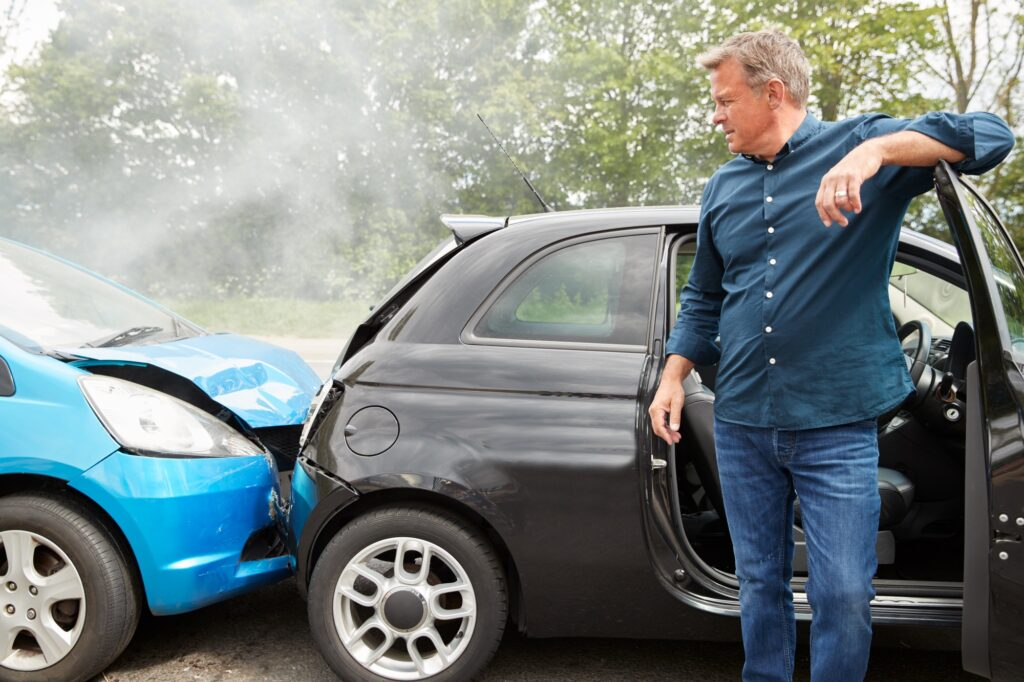
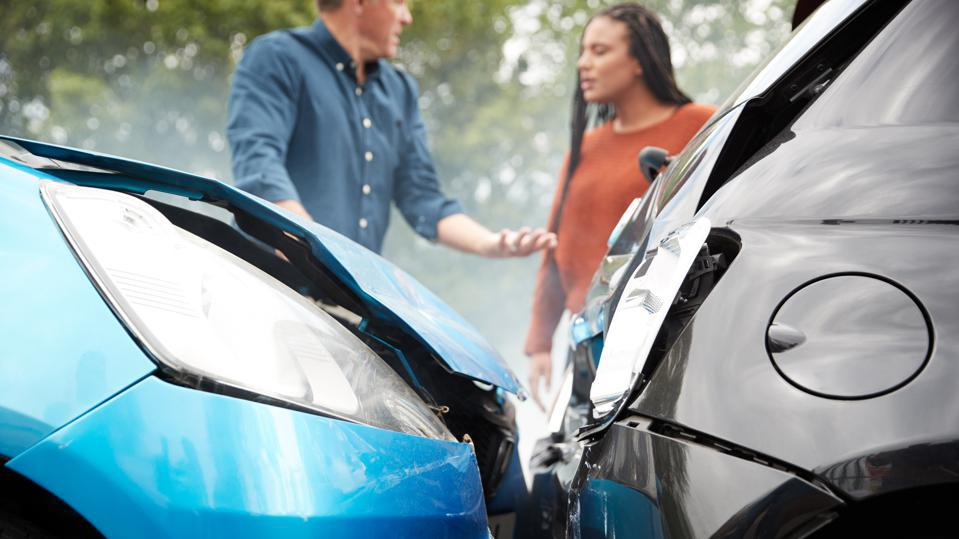
Despite preparation, minor collisions or accidents may occur. Follow this step‑by‑step guide:
1. Stay Calm and Assess the Situation
- Pull over safely, if possible.
- Check for injuries – yours, your passengers’, and others’.
- Turn on hazard lights and use warning triangles on busy roads.
2. Document the Incident
- Take photos of all vehicles, road conditions, skid marks, and surroundings.
- Record names, addresses, and contact details of other drivers and witnesses.
- Avoid admitting fault until the situation has been assessed and documented.
3. Contact Authorities if Necessary
- Report serious injuries or significant vehicle damage to local police.
- Obtain a police report, which is often required for insurance claims.
- For minor fender benders, you may settle out of court, but document the settlement.
4. Notify Your Rental Company and Insurer
- Contact your rental agency to report the accident or damage.
- Confirm coverage for collision, theft, and liability.
- Follow company protocols to avoid penalties or extra charges.
Handling Breakdowns and Mechanical Problems
Long highways and rural roads increase the likelihood of mechanical problems. Planning and a calm response reduce risk:
Before a Breakdown
- Perform regular maintenance on rental vehicles, especially for long‑term or cross‑border travel.
- Carry spare fluids (oil, water), a first‑aid kit, and emergency equipment.
- Have roadside assistance and emergency numbers for your destination.
During a Breakdown
- Move the vehicle off the road to a safe location.
- Turn on hazard lights and use reflective warning signs.
- In isolated areas, remain in the vehicle until assistance arrives – unless it is unsafe.
- Contact roadside assistance or your rental company immediately.
Managing Tyres and Engine Problems
- Flat Tyres: Use the spare tyre and jack. Many cars have inflation kits for small punctures.
- Engine Overheating: Turn off the engine, allow it to cool, and check coolant levels.
- Electrical Issues: Check battery connections; seek professional help if the problem persists.
Fuel‑Related Mishaps
Running out of fuel or filling with the wrong type is a common issue:
- Plan fuel stops using apps or maps, especially in Namibia, Botswana, and rural East Africa.
- Carry extra fuel in certified jerry cans for long journeys.
- Always verify the fuel type before filling – using diesel in a petrol car, or vice versa, is disastrous.
- Know the location of fuel stations along highways to avoid long distances without service.
Navigation Errors
Getting lost in unfamiliar territory can be concerning:
- Always have offline maps as backup in case GPS fails.
- Mark key locations such as hotels, lodges, fuel stations, and hospitals.
- Avoid driving on poorly known roads at night.
- Never take shortcuts through unfamiliar areas; ask locals or lodge staff for directions.
Handling Wildlife Incidents
Wildlife presents a unique challenge in Africa:
- Reduce speed near parks, reserves, and rural areas.
- Watch for wildlife on roads, especially at dawn and dusk – avoid driving at night.
- Avoid sudden swerves, which can lead to accidents.
- In the event of an encounter, stay calm and follow park rangers’ instructions if you are in a protected area.
Interactions with Authorities
Tourists may encounter traffic stops or inspections at border points:
- Always carry ID, driver’s licence, vehicle registration, and insurance documents.
- Be polite and calm when interacting with officials.
- Avoid arguing; comply and pay fines or address violations later.
- Know local traffic regulations – some countries have strict rules on seat belts, alcohol, and mobile phone use while driving.
Emergency Preparedness and Insurance

1. Insurance Coverage
- Collision Damage Waiver (CDW): Covers accident damage.
- Theft Insurance: Essential, especially in urban areas.
- Third‑Party Liability: Covers damage to other vehicles or property.
2. Emergency Kit Essentials
- First‑aid kit, water, flashlight, and non‑perishable snacks.
- Warning triangles, reflective vests, and basic tools.
- Emergency contact numbers for police, the rental company, and your local embassy.
Country‑Specific Tips
South Africa
- Major roads are well maintained, but road rage can occur in cities.
- Roadside assistance numbers: 112 (general), 0860 10 21 22 (AA).
- Wildlife crossings in national parks require extra caution.
Kenya and Tanzania
- Rural roads are often gravel; 4×4 vehicles are recommended for safari routes.
- Plan fuel, water, and mobile network availability – services are limited on remote roads.
- Police checkpoints are common; carry documents and remain polite.
Morocco
- Mountain roads are winding and steep – drive slowly.
- Toll roads accept cash or prepaid cards.
- Traffic in Marrakech and Casablanca can be chaotic; watch for pedestrians and scooters.
Namibia and Botswana
- Low‑density roads require careful planning for fuel, water, and supplies.
- Tyre damage and sand‑related breakdowns are common – prepare spares.
- Wildlife may be encountered unexpectedly, especially near protected areas.
Tips for Reducing Mishaps
- Plan your route, including fuel stops, rest areas, and accommodation.
- Drive defensively and adjust speed to road conditions.
- Avoid driving at night in unfamiliar or high‑risk areas.
- Keep vehicle documentation and insurance accessible.
- Use technology – offline maps and emergency apps – to stay informed.
- Lock vehicles and store valuables out of sight.
- Take regular breaks to avoid fatigue on long journeys.
- Learn basic vehicle troubleshooting for minor issues.
Conclusion
For the accidental tourist, driving in Africa can be both exciting and challenging. Accidents – whether minor collisions, mechanical breakdowns, wildlife encounters, or fuel problems – can be regarded as learning experiences. However, with proper preparation, awareness, and a calm, systematic response, you can handle these incidents and continue your journey.
Key lessons when handling driving mishaps in Africa:
- Know the road conditions, vehicle requirements, and local traffic laws.
- Use reputable rental companies with secure vehicles and emergency services.
- Maintain good records, insurance, and emergency contact numbers.
- Park safely, lock valuables, and rely on technology for navigation and warnings.
- Stay calm and systematic during accidents, breakdowns, or other incidents.
With these strategies, even the least experienced driver can enjoy Africa’s cultures, landscapes, and adventure without being overwhelmed by unexpected road challenges. An African road trip is not only about exploration – it also demonstrates adaptability, awareness, and responsible tourism.