

Africa is a region that many people dream of travelling through, due to its expansive scenery, culture, wildlife safaris, and historical sites. Nevertheless, travelling when a person has limited mobility can sometimes seem overwhelming to plan. Mobility issues can affect the travel experience because of the existence of uneven land surfaces as well as some areas with a lack of accessibility. However, this guide on tips for travellers in Africa with limited mobility is designed to make your adventure smoother, safer, and more enjoyable. Africa’s most iconic destinations can now be explored without compromising on comfort and safety, provided the trip is well planned.
Africa has greatly progressed over the years in terms of accessibility, particularly in major cities and tourist attractions. Nonetheless, one needs to be well organised and informed. Whether you use a wheelchair, a walking aid, or have other mobility limitations, these tips will help you explore the continent with confidence. This article covers mobility‑friendly destinations, practical advice, and essential resources to make your trip memorable.
Understanding Accessibility in Africa
Before making travel arrangements, it is important to understand the level of accessibility in most regions of Africa. While accessible features are being implemented in cities such as Cape Town, Johannesburg, Nairobi, and Marrakech, rural areas may present challenges related to unpaved roads, stairs, and uneven paths.
- Pre‑research: Read reviews, forums, and blogs by disabled travellers. They often provide personal experiences of which destinations are genuinely accessible.
- Call directly: Enquire with hotels, lodges, and guesthouses about wheelchair ramps, elevators, accessible bathrooms, and transport options.
- Local transport: Ask if the company offers wheelchair‑accessible vehicles. In some countries, it is important to book accessible cabs or shuttle services in advance.
Mobility‑Friendly Destinations in Africa

Choosing destinations that accommodate travellers with limited mobility is one of the keys to a successful trip. Africa has several destinations that are both accessible and enjoyable.
South Africa
South Africa is one of the most accessible countries in Africa. Cities such as Cape Town and Johannesburg offer public transport and mobility‑friendly attractions. Cape Town, in particular, has wheelchair‑inclusive tours, accessible wineries, and scenic drives along the peninsula.
Kenya
There are a number of accessible parks and hotels in Nairobi. Nairobi National Park has wheelchair‑accessible viewing zones, and some safari operators conduct tours adapted for travellers with limited mobility, allowing visitors to explore the famous savannah without barriers.
Morocco
Cities such as Marrakech and Casablanca have begun focusing on accessibility. Many riads and hotels offer accessible rooms, and travellers can find guided tours adapted to their needs.
Egypt
Major attractions such as the Egyptian Museum and the Pyramids of Giza have improved accessibility. Ramps and elevators are increasingly available, making it possible for travellers with mobility issues to visit these historical wonders comfortably.
Practical Tips for Travellers with Limited Mobility
Now that you know some mobility‑friendly destinations, here are practical tips to ensure a comfortable and enjoyable trip.
1. Plan Accommodation Carefully
Your lodge or hotel will play a significant role in your travel experience. When booking, look for:
- Accessible rooms with wide doorframes, roll‑in showers, and grab bars.
- Elevators if your accommodation has more than one level.
- Proximity to attractions to reduce long rides on bumpy roads.
Platforms such as Booking.com and Airbnb often allow filtering for accessibility features.
2. Choose the Right Transport
Transportation is crucial when travelling with limited mobility. Consider:
- Accessible taxis or rideshare services in city centres.
- Private drivers or shuttle services when travelling between cities – enquire about wheelchair accessibility.
- Flights with special assistance – airlines can provide wheelchair support from check‑in to boarding.
3. Use Mobility Equipment Wisely
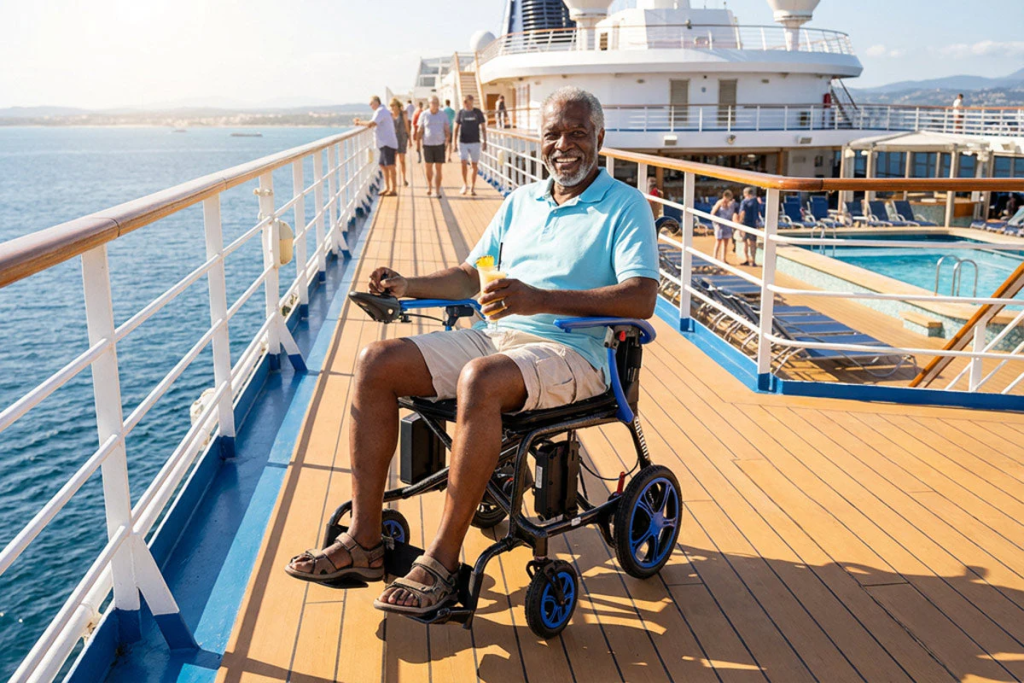
You can either bring or rent equipment depending on your needs:
- Lightweight, foldable wheelchairs for easy transport.
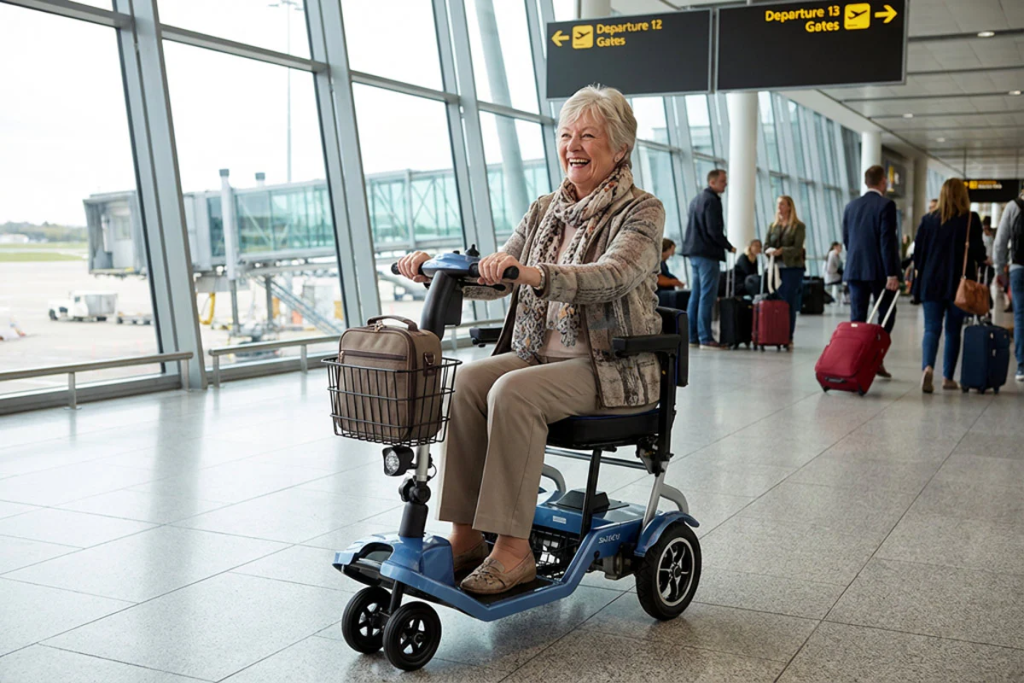
- Mobility scooters for longer distances.
- Portable ramps or travel aids for uneven surfaces.
Always verify airline and local transport policies to avoid issues during travel.
4. Research Activities in Advance
Many African destinations offer accessible tours such as wildlife safaris, city tours, and cultural experiences. Planning ahead ensures you can participate without worry.
- Safaris: Some safari lodges offer wheelchair‑accessible facilities and modified game vehicles.
- Historical tours: Museums and heritage sites are increasingly equipped with ramps and elevators.
- Beach excursions: Coastal resorts may have beach wheelchairs for navigating sand.
5. Stay Safe and Healthy
Health and safety are important when travelling in Africa:
- Medications and vaccinations: Visit a travel clinic to protect against region‑specific diseases.
- Travel insurance: Ensure it covers mobility equipment and pre‑existing conditions.
- Emergency contacts: Have local hospital and embassy contact numbers handy.
Packing Tips for Travellers with Limited Mobility

Packing carefully affects your comfort and mobility during the trip. Essential items include:
- Mobility aid or wheelchair that fits your needs.
- Medication and a first‑aid kit.
- Sturdy, non‑slip shoes suitable for rough surfaces.
- Lightweight wheeled luggage.
- Copies of medical records and insurance documents.
These items will save you stress and help you navigate Africa’s varied landscapes more easily.
Technology and Travel Apps
Technology can enhance the travel experience for those with mobility impairments:
- Accessibility apps: Apps such as AccessNow or Wheelmap help locate accessible places and facilities.
- Navigation: Google Maps offers walking and driving routes, with wheelchair‑friendly paths in major cities.
- Tour booking services: Some platforms allow filtering by accessibility features, making it easier to find accessible tours in Africa.
Cultural Awareness and Local Assistance
Being sensitive to local culture and asking for assistance when needed can enhance your travel experience:
- Learn a few simple phrases in local languages to express your needs.
- Hire local guides who are knowledgeable about accessibility – they can provide personalised assistance.
- Be flexible in areas where infrastructure is still developing, and adapt your strategies accordingly.
Making the Most of Your Trip

Travelling in Africa with limited mobility is achievable with careful planning. Some strategies include:
- Prioritise activities you are most enthusiastic about and have accessible alternatives.
- Take regular breaks and pace yourself to prevent exhaustion.
- Record your experiences – sharing your story can inspire others with similar mobility challenges.
Africa’s diversity is its greatest asset, and accessibility is gradually improving, giving more travellers the opportunity to experience its wonders without fear.
Final Checklist for Travellers with Limited Mobility
- Research accessibility at your destination.
- Book accessible accommodation and transport.
- Arrange mobility equipment and verify airline policies.
- Plan activities and tours with accessibility in mind.
- Pack medications, documents, and comfort items.
- Download helpful travel and accessibility apps.
- Have emergency contact information readily available.
Conclusion
Limited mobility does not mean missing out on Africa’s beautiful scenery, vibrant culture, and wildlife adventures. By following these tips for travellers in Africa with limited mobility, you can plan a safe, comfortable, and unforgettable journey. The key to enjoying the continent is prioritising accessible accommodation, using mobility aids wisely, and choosing mobility‑friendly destinations.
Africa is opening up as a welcoming destination for travellers with disabilities, offering numerous accessible tours and experiences. With the right planning, research, and flexibility, you can fully experience the continent – and your adventure will be one worth remembering. Whether you are exploring Kenya’s safaris, South Africa’s beaches, or Egypt’s historical marvels, Africa offers unforgettable experiences for all travellers, including those with mobility challenges.
By following these tips, you will not only enjoy your trip but also feel empowered to make your African experience extraordinary. Travelling with limited mobility in Africa is not only possible – it can be truly exceptional.