Choosing when to go to Africa is one of the most important decisions you will make while planning your trip. Africa is not a single destination with one climate and one season to visit – it is a vast continent with diverse regions, landscapes, weather conditions, and experiences. The timing of your visit can have an overwhelming impact on wildlife viewing, costs, comfort, accessibility, and your overall travel experience.
This guide is designed to help you pick the most suitable moment to visit Africa based on your interests, budget, and expectations. Whether you are dreaming of a classic safari, a beach escape, cultural exploration, or adventure travel, understanding when to go to Africa ensures you get the most value and enjoyment from your experience.
Why Timing Matters When Planning an Africa Trip
A common mistake many travellers make is assuming Africa has a single best season. In reality, Africa travel seasons vary significantly by region, and the most advantageous time to visit depends on your intentions.
Timing affects:
- Wildlife visibility and movement patterns.
- Weather comfort and temperatures.
- Crowd levels and travel expenses.
- Road and park accessibility.
- Cultural events and celebrations.
Knowing the optimal time to visit Africa helps you avoid disappointment and organise your trip in favour of the experiences you value most.
Africa’s Climate and Travel Seasons
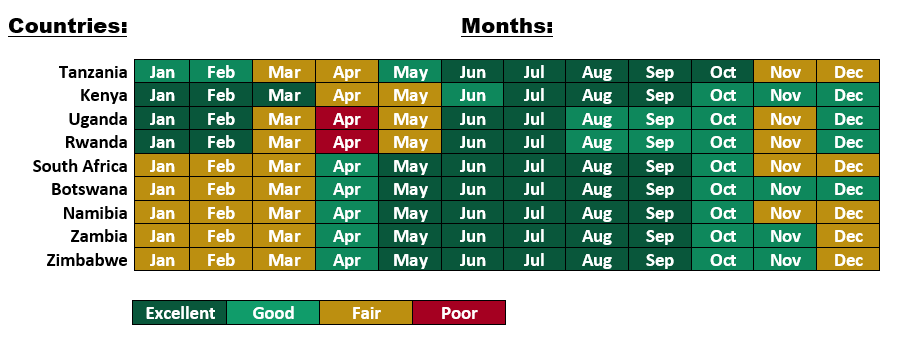
The equator cuts across Africa, meaning countries north and south of the equator have opposite seasons. Rather than four conventional seasons, Africa generally has dry seasons and wet (rainy) seasons.
Dry Season
- Generally offers superior wildlife viewing.
- Roads and parks are more accessible.
- Higher prices and more tourists.
Wet Season
- Lush greenery and fewer tourists.
- Lower prices and improved availability.
- Wildlife is more spread out; some travel difficulties.
Understanding Africa travel seasons is the foundation for deciding when to go to Africa.
When to Go to Africa for Wildlife Safaris
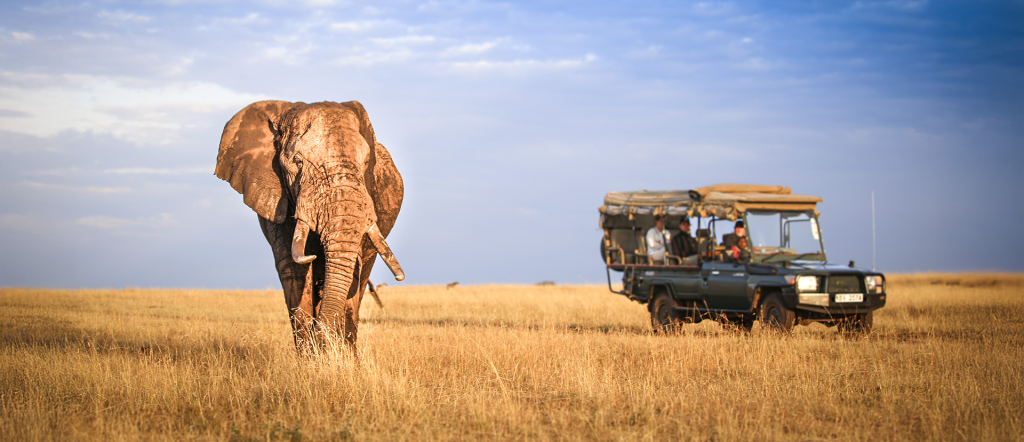
For many travellers, the main attraction in Africa is the safari. Wildlife viewing depends on rainfall patterns and animal movements.
East Africa (Kenya, Tanzania, Uganda, Rwanda)
- Best season: June to October (dry season).
- Excellent for the Great Migration and gorilla trekking.
- Lower temperatures and good visibility.
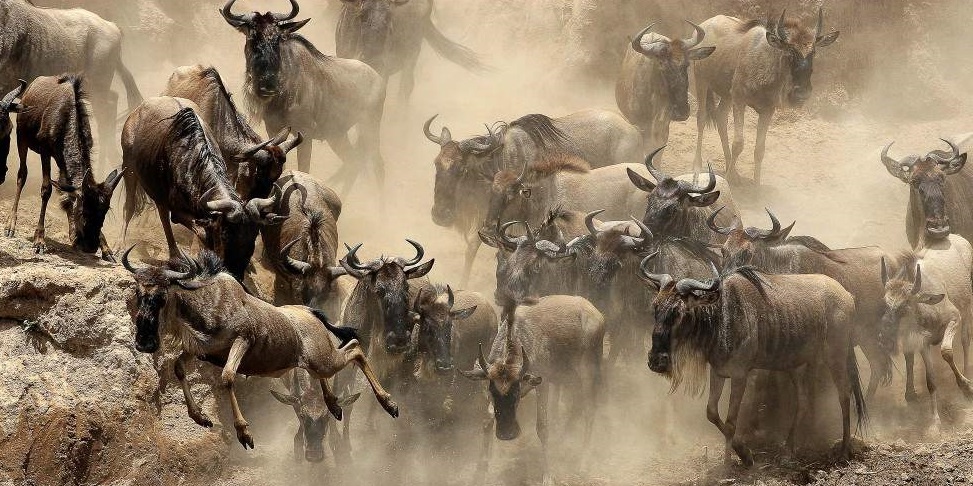
This is one of the best seasons for an African safari, as the Great Migration – one of the most recognisable wildlife phenomena in the world – reaches its climax between July and September.
Southern Africa (South Africa, Botswana, Namibia, Zambia, Zimbabwe)
- Best time: May to October.
- Dry conditions make animals cluster around water sources.
- Good for walking safaris and game drives.
If wildlife is your priority, understanding when to go to Africa for safari purposes is essential for maximising sightings.
When to Go to Africa for Beaches and Relaxation
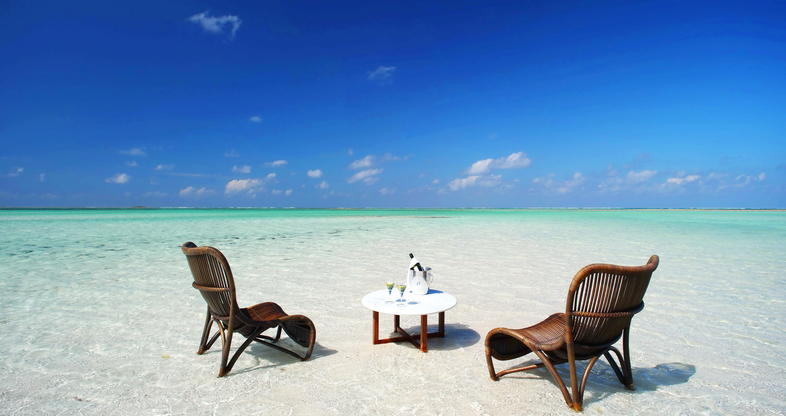
Africa has some of the most beautiful beaches in the world, but coastal climates vary significantly.
East Africa and Indian Ocean Islands
- Popular destinations: Zanzibar, Seychelles, Mauritius.
- Best period: June to October and December to February.
- Warm seas and dry weather ideal for swimming, snorkelling, and diving.
To enjoy beach time, avoid heavy rainy seasons (typically March to May).
North Africa
- Mediterranean destinations such as Egypt and Tunisia should be avoided during peak summer.
- Best season: April to June and September to November.
Travellers seeking relaxation can find the right time to visit Africa for fine weather and calm seas.
When to Go to Africa for Cultural and Historical Exploration
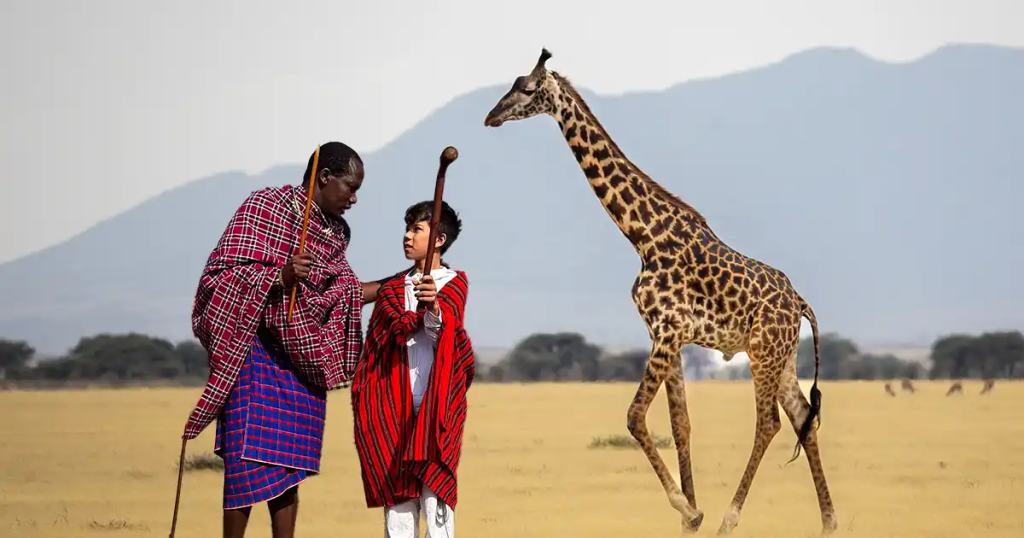
Cultural travel is best enjoyed during local festivals and milder weather.
North Africa (Morocco, Egypt, Tunisia)
- Best season: Spring (March to May) and autumn (September to November).
- Comfortable temperatures for sightseeing.
- Ideal for markets, ancient sites, and desert tours.
West Africa (Ghana, Senegal, Nigeria)
- Optimum season: November to February.
- Cultural festivals and drier weather.
- Harmattan winds bring cooler, dustier air.
If culture is your main focus, understanding when to go to Africa helps you enjoy cities, landmarks, and traditions without extreme heat or heavy rain.
When to Go to Africa for Adventure Travel
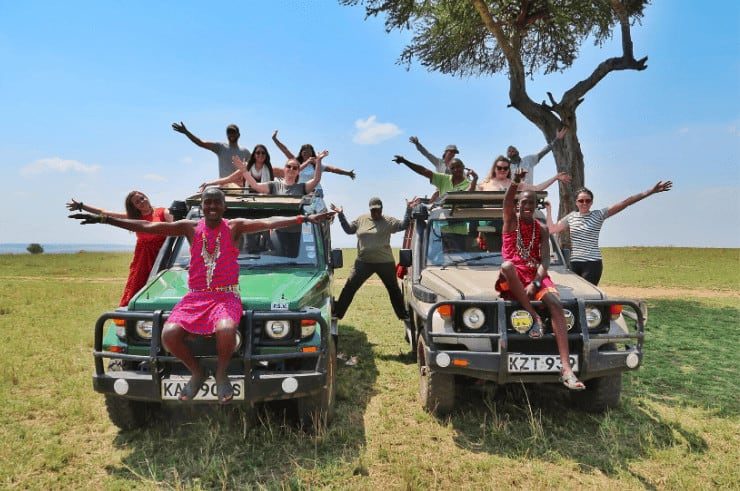
Adventure travellers seek hiking, trekking, and outdoor challenges.
Mountain and Trekking Destinations
- Mount Kilimanjaro (Tanzania): January to March and June to October.
- Rwenzori Mountains (Uganda): Dry seasons are essential for safety.
Water‑Based Adventures
- White‑water rafting is best in Zambia and Uganda immediately after rainy seasons.
- Diving and snorkelling depend on water clarity and marine life cycles.
Adventure travel requires especially careful planning, making when to go to Africa a crucial safety and enjoyment factor.
High Season or Low Season: Budget Considerations

Timing directly affects travel costs in Africa.
High Season
- Part of the dry season and the best time for wildlife viewing.
- Higher accommodation and tour costs.
- Mainstream parks and attractions may be busy.
Low Season
- Lower costs and fewer tourists.
- Lush nature and good photography opportunities.
- Some areas may have limited access.
For budget‑conscious travellers, understanding Africa travel seasons helps strike a balance between cost and experience when deciding when to go to Africa.
When to Go to Africa Based on Regional Highlights
North Africa
- Best: March to May, September to November.
- Avoid peak summer heat.
East Africa
- June to October: best months for safari.
- Calving season: January to February.
Southern Africa
- Best: May to October.
- Cool and dry, favourable for wildlife.
West and Central Africa
- Best: November to February.
- Avoid peak rainy months.
Each region has its own rhythm, reinforcing that when to go to Africa depends on where you plan to travel.
Festivals and Events to Consider
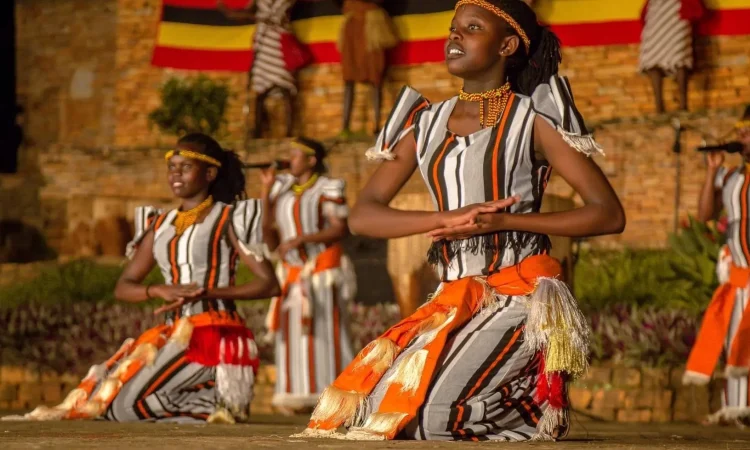
Cultural events can add value to your visit but may also affect prices and availability.
Popular events include:
- Great Migration river crossings (East Africa).
- Timkat Festival (Ethiopia).
- Fes Festival of World Sacred Music (Morocco).
- Summer festivals in Cape Town (South Africa).
Matching your travel dates with festivals can deepen your cultural experience, but requires advance planning.
Health and Comfort Considerations

Weather affects not only comfort but also health:
- Hot, humid seasons can be physically taxing.
- Rainy seasons may increase mosquito activity.
- Outdoor activities are generally more comfortable in dry seasons.
Understanding these factors is another reason why when to go to Africa should never be an afterthought.
Common Mistakes When Choosing When to Go to Africa
- Assuming all of Africa has the same weather.
- Ignoring regional rainy seasons.
- Over‑planning without flexibility.
- Focusing on price without balancing experience.
Avoiding these pitfalls ensures a trip that meets expectations and is truly enjoyable.
Final Advice on Choosing When to Go to Africa
There is no single perfect time that suits everyone. The most effective approach is to align your personal ambitions with local realities.
Ask yourself:
- What are my most important experiences?
- How important is weather comfort to me?
- How flexible is my budget?
- Am I comfortable with crowds, or do I prefer quieter experiences?
By answering these questions, deciding when to go to Africa becomes clearer and more personal.
Final Decision Checklist
| Priority | Best Time | Considerations |
|---|---|---|
| Wildlife viewing | June–October (dry season) | Animals gather around water; Great Migration peaks July–September |
| Gorilla trekking | December–February; June–September | Drier conditions in Uganda and Rwanda |
| Beaches | June–October; December–February | Warm seas; avoid March–May rains |
| Cultural travel | March–May; September–November | Mild weather; avoid peak summer heat |
| Adventure travel | January–March; June–October | Clear skies for trekking; water levels affect rafting |
| Budget travel | April–May; November | Lower rates and fewer crowds; lush landscapes |
Summary: The Right Time Makes All the Difference
Deciding when to go to Africa is not just about weather – it is about shaping the entire journey. The right time can be the difference between mediocre sightseeing and brilliant, once‑in‑a‑lifetime experiences. Whether it is wildlife migrations, pristine beaches, cultural festivals, or affordable flights, everything about your trip depends on timing.
By understanding the seasons, regional differences, and your own priorities, you can confidently select the best time to visit Africa – one that aligns with your dreams. With thoughtful planning and realistic expectations, when to go to Africa becomes the key that unlocks an unforgettable adventure filled with discovery, beauty, and meaning.