
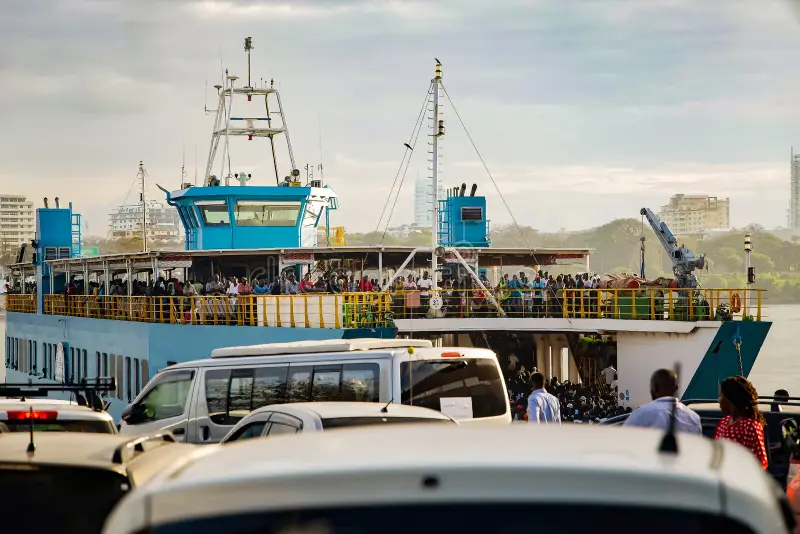
Africa is a continent of incredible diversity, from bustling coastal cities to vast rivers, lakes, and island destinations. Africa ferries provide travelers with a convenient, efficient, and often scenic way to explore these waterways while connecting communities that may be difficult to reach by road. Whether traveling for business, tourism, or cultural exploration, ferries offer a unique transportation experience across many African regions.
This comprehensive guide to Africa ferries covers routes, trip planning, safety information, ticketing, and useful travel tips. Understanding how ferry networks operate across Africa helps both tourists and commuters save time, travel safely, and enjoy the unique experience of moving through Africa’s rivers, lakes, and coastal waters. Ferry travel combines practical transportation with opportunities to experience local culture, natural beauty, and city life from a completely different perspective.
African Ferries Overview
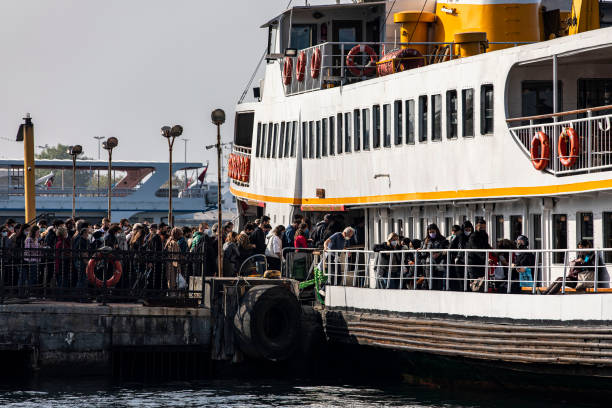
Africa ferries play an important role in connecting communities separated by rivers, lakes, and coastal waters. They complement other transport systems such as buses, trains, and taxis by providing faster and often more scenic alternatives to road travel.
Important functions of Africa ferries include:
- Daily commuting between city centers, suburbs, and islands
- Tourism and sightseeing trips to coastal and island destinations
- Transportation of goods and cargo to remote areas
- Connecting rural communities with major cities
- Providing scenic travel routes across rivers and lakes
In many African cities where road transport can be slow due to traffic congestion, ferries often provide a faster and more reliable alternative while offering beautiful views along the journey.
Types of Africa Ferries
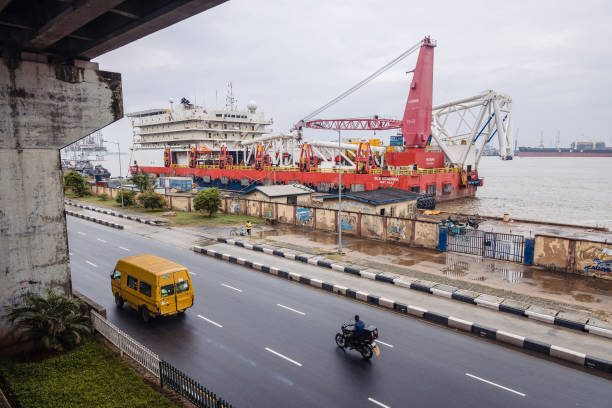
Understanding the different types of Africa ferries helps travelers choose the most suitable ferry for their journey.
Passenger Ferries
These are the most common ferries and are used to transport passengers between cities, islands, and waterfront areas. They usually operate on regular schedules and are widely used by commuters and travelers.
Express Ferries
Some cities, such as Lagos, operate express ferries with fewer stops, allowing passengers to reach destinations faster. These are ideal for commuters and tourists who want quicker transport.
Tourist Ferries
Tourist ferries are designed for sightseeing and leisure travel. They often include guided tours, viewing decks, onboard cafes, and scenic routes. Popular tourist ferry destinations include Robben Island in Cape Town and Nile River cruises in Egypt.
Cargo Ferries
Cargo ferries transport goods and sometimes passengers, especially in rural areas and island communities where road access is limited.
How to Plan Your Ferry Trip in Africa
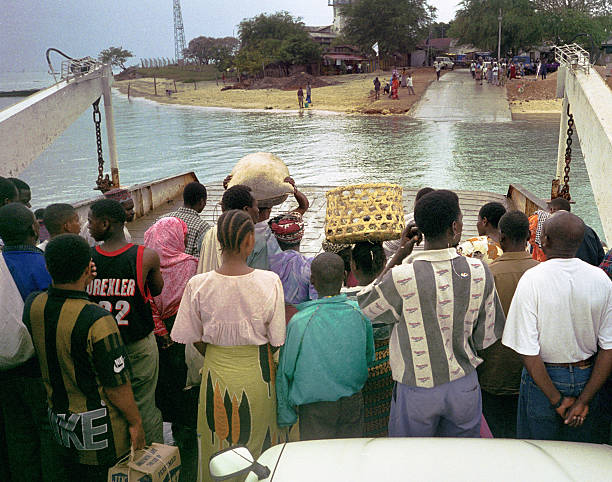
Planning ahead is important when traveling using Africa ferries. Proper planning helps ensure smooth and efficient travel.
Key planning tips include:
- Check ferry schedules – Some ferries operate daily while others run on seasonal or limited schedules.
- Choose licensed operators – Always use registered ferry services for safety and reliability.
- Plan combined transport – Many ferry routes connect with buses, taxis, or trains for easier travel.
- Arrive early – Ferry terminals can be busy, especially during peak travel times.
- Check weather conditions – Ferry services may be delayed during bad weather.
Good planning helps travelers avoid delays and ensures a safer and more comfortable journey.
Africa Ferries Tickets and Prices

Ticketing methods vary depending on the country, city, and ferry operator.
Common payment methods include:
- Cash payments – Many ferries accept cash in local currency. Small bills are recommended.
- Electronic cards or QR codes – Some urban ferry systems offer prepaid cards or mobile app payments.
- Tourist passes – Some tourist ferries offer multi-trip tickets or sightseeing passes.
Ferry travel is generally affordable, making it a popular transport option for both commuters and tourists across many African cities and coastal regions.
Safety Tips When Using Africa Ferries
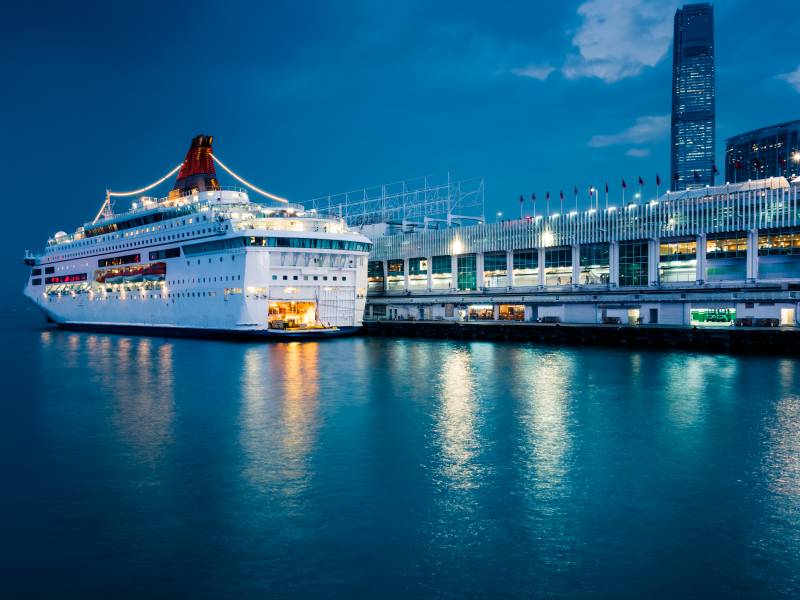
Safety is an important consideration when traveling on Africa ferries. Following basic safety guidelines ensures a safe and comfortable journey.
Important ferry safety tips:
- Wear life jackets when available
- Keep personal belongings secure
- Avoid traveling during storms or strong winds
- Follow crew instructions and safety announcements
- Do not overcrowd boarding areas
- Always use official ferry services
Being aware of safety procedures helps ensure a smooth and secure ferry experience.
Best Africa Ferry Routes to Experience
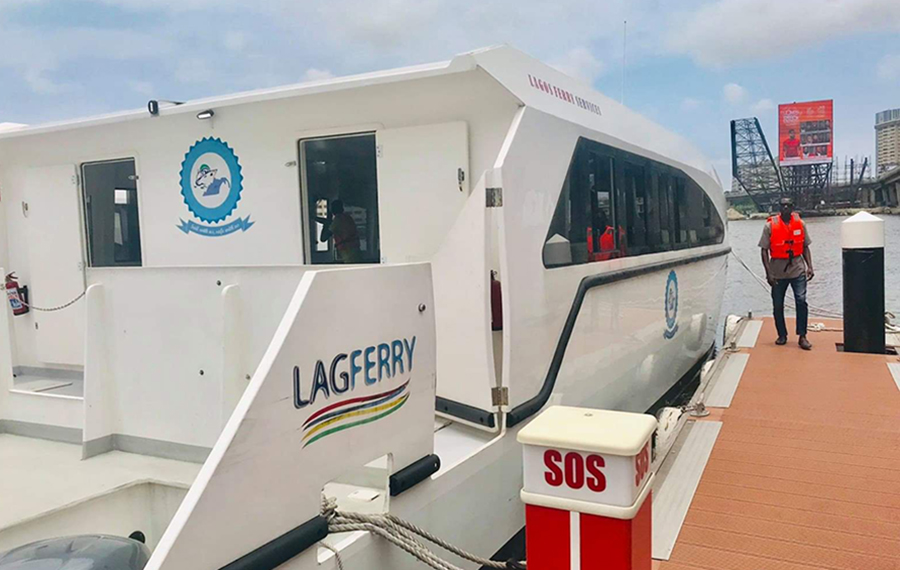
Some ferry routes in Africa are particularly popular due to their scenic views, convenience, and tourism opportunities.
Lagos, Nigeria
Lagos has one of the largest ferry networks in Africa, connecting mainland Lagos with Victoria Island, Ikoyi, and other lagoon communities. Ferry transport helps reduce traffic congestion in the city.
Cape Town, South Africa
Cape Town ferries are popular for trips to Robben Island and scenic cruises across Table Bay. These ferries are commonly used by tourists visiting major attractions.
Kisumu, Kenya
Located on Lake Victoria, Kisumu relies on ferries to connect lakeside communities and nearby islands. Travelers often combine ferry travel with road transport to explore the region.
Cairo, Egypt
Ferries operating on the Nile River provide an alternative to Cairo’s busy roads and offer scenic views of the city, especially during evening cruises.
Budget Travel Using Africa Ferries
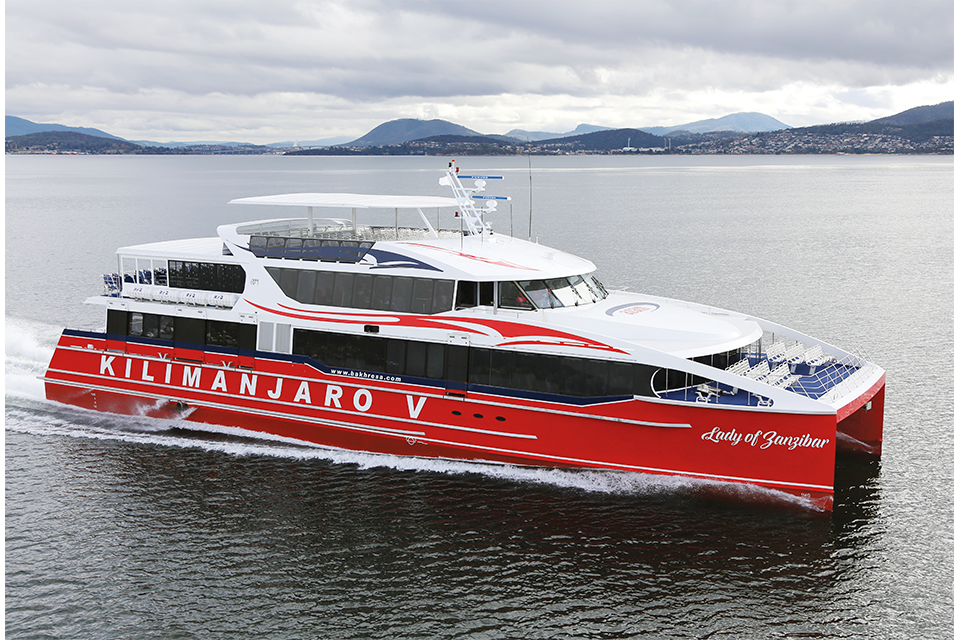
Ferries are already an affordable mode of transport, but travelers can save even more by following a few budget travel tips.
Budget travel tips include:
- Use standard commuter ferries instead of tourist ferries
- Buy multi-trip or day passes where available
- Avoid peak travel hours
- Use combined transport tickets
- Travel during weekdays for lower demand
Budget travelers can explore cities, islands, and coastal areas affordably while enjoying scenic water travel.
Africa Ferries and Transport Integration
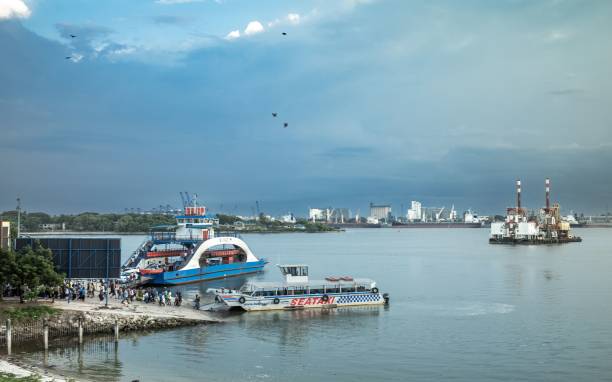
Ferries often work best when combined with other transport options, creating a smooth and efficient travel experience.
Common transport connections include:
- Buses – Many ferry terminals connect directly to city bus routes
- Taxis or ride-hailing services – Useful for reaching ferry terminals or hotels
- Walking or cycling – Suitable for short distances near ferry ports
- Train connections – Available in some major cities
Integrated transport systems allow travelers to move easily between different parts of a city or region.
Africa Ferry Travel Etiquette and Culture
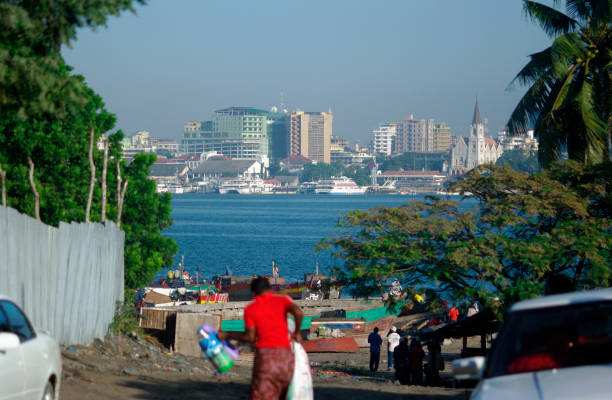
Respecting local customs and ferry etiquette improves the travel experience and ensures smooth journeys.
Important ferry etiquette tips:
- Greet crew and passengers politely
- Give priority seating to elderly, pregnant women, and disabled passengers
- Follow onboard rules regarding food and noise
- Dress modestly in conservative regions
- Queue properly when boarding
Cultural awareness helps travelers have a more respectful and enjoyable ferry experience.
Environmental Benefits of Africa Ferries
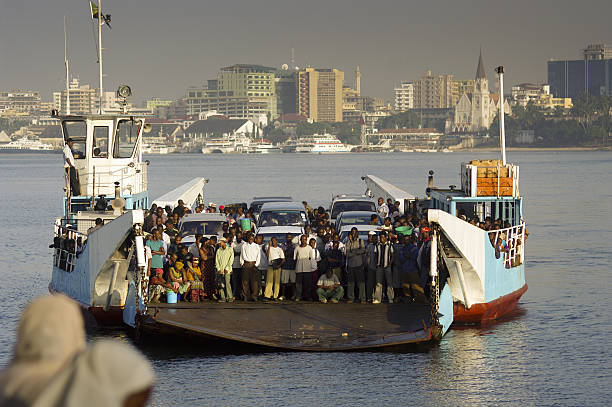
Ferry transport is often more environmentally friendly than road transport.
Environmental benefits include:
- Reduced road traffic congestion
- Lower carbon emissions per passenger
- Support for remote island and coastal communities
- Sustainable urban transport development
- Reduced road infrastructure pressure
Using ferries contributes to more sustainable transportation systems in many African cities and coastal regions.
Future Development of Africa Ferries
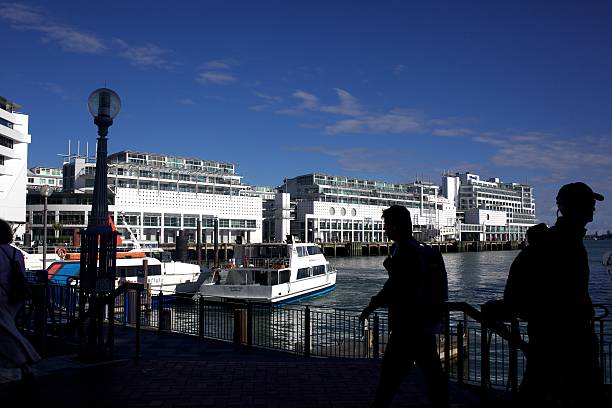
Ferry infrastructure across Africa is expanding as cities invest in modern transport systems. New ferry terminals, larger vessels, and integrated ticketing systems are improving ferry travel across the continent.
Many cities are now including ferries in multimodal transport planning, integrating them with buses, rail systems, and cycling routes to improve urban mobility and reduce road congestion. This development will make ferry travel faster, safer, and more convenient in the future.
Conclusion
Africa ferries play a vital role in urban, coastal, and island transportation across the continent. They provide an affordable, scenic, and often faster alternative to road transport while connecting cities, islands, and remote communities. Ferry travel also offers travelers a unique way to experience Africa’s rivers, lakes, and coastal landscapes.
By planning routes carefully, following safety guidelines, respecting local culture, and combining ferry travel with other transport systems, travelers can enjoy efficient and stress-free journeys. Whether traveling across Lagos Lagoon, the Nile River, Lake Victoria, or Table Bay in Cape Town, Africa ferries offer not just transportation, but memorable travel experiences filled with scenic views and cultural encounters.