Exploring Africa is an adventure characterised by variety, spontaneity, and discovery. From bustling cities and small towns to remote wildlife reserves, no two journeys are ever the same. One question that arises for many travellers is whether to book accommodation in advance or upon arrival. This is where reserving rooms as you travel in Africa emerges as a popular and even ideal strategy for those seeking flexibility.
Instead of being bound to a rigid schedule, booking rooms on the go allows for adaptable itineraries, spontaneous choices, and the freedom to adjust plans based on real‑time experiences. However, this approach also has challenges that require preparation and careful consideration. This article provides clear information on when, where, and how reserving rooms as you travel in Africa is most effective. By the end, you will know whether this travel style suits you and how to make it safe and successful.
Understanding the Concept of Reserving as You Go
Reserving rooms as you travel means arriving at a destination without confirmed accommodation for every night of your journey. Instead, you book a room a few days before arrival or once you arrive at a new place. This method is common among backpackers, long‑term travellers, and those who value flexibility over structure.
In Africa, this can be both rewarding and risky, depending on the destination, the time of year, and the type of traveller. Since distances are vast and travel conditions can be unpredictable, it is essential to understand the landscape before adopting reserving rooms as you travel in Africa as your primary accommodation strategy.
Why Travellers Choose to Reserve Rooms While Travelling
Many travellers prefer this approach for several reasons:
- The ability to change plans whenever desired.
- Extended stays in locations they enjoy.
- Opportunities to discover local or unique accommodation.
- Potential cost savings during low season.
For travellers who value spontaneity, reserving rooms as you travel in Africa offers a sense of adventure and connection to each destination.
When Reserving Rooms as You Travel Works Well
Not all African destinations are equally suited to this style of travel. Knowing where and when it works is essential.
Big Cities and Urban Centres
Cities such as Nairobi, Cape Town, Accra, Kampala, and Marrakech offer a wide range of accommodation. With numerous hotels, guesthouses, and serviced apartments, last‑minute reservations are more realistic. Reserving rooms as you travel in Africa can be quite straightforward in these places, particularly during low tourist periods.
Popular Backpacker Routes
Areas with developed backpacker infrastructure, such as parts of East Africa and Southern Africa, are accustomed to travellers arranging rooms on the spot. Budget guesthouses and hostels are used to walk‑in guests, making this approach easier for both budget and spontaneous travellers.
Low and Shoulder Seasons
Travelling during low season increases the likelihood of vacancies. During these times:
- Hotels are less crowded.
- Prices may be negotiable.
- Walk‑in availability is higher.
Conversely, high season requires more caution.
When Reserving as You Go Is Risky
Flexibility is appealing, but reserving rooms as you travel in Africa is not always suitable.
Safari Destinations
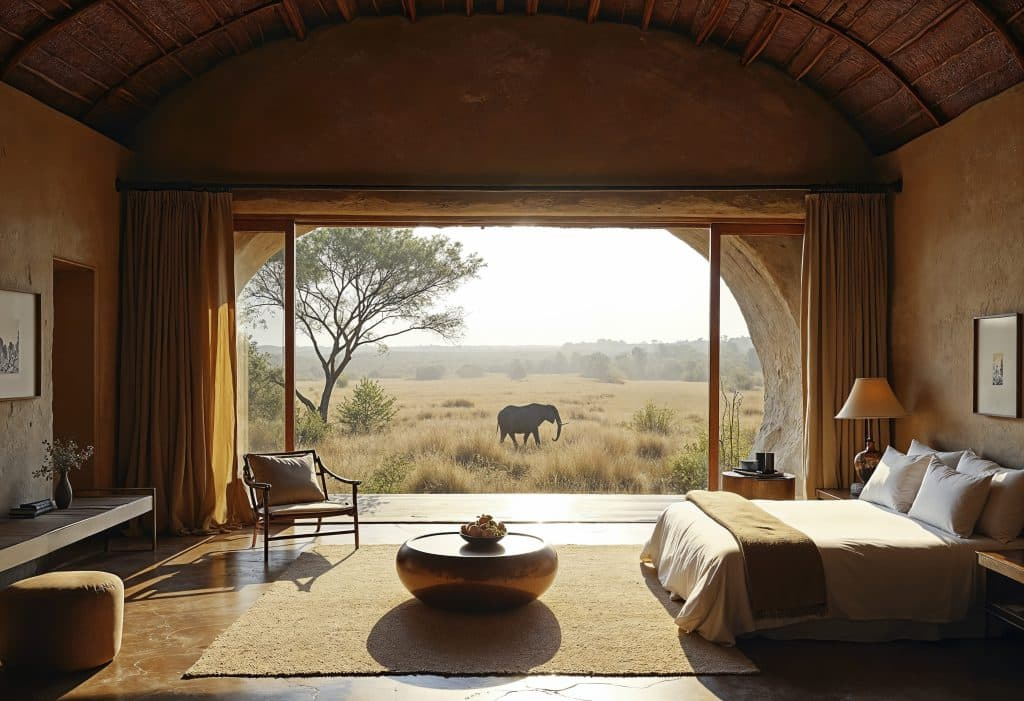
Safari lodges and camps are often in high demand and operate on fixed schedules. These properties frequently sell out months in advance, especially during prime wildlife viewing seasons. For safari travel, booking well ahead is essential.
Remote or Rural Areas
Accommodation options may be limited in remote locations. Arriving without a reservation can lead to few choices or a difficult search for a place to stay.
Peak Tourist Seasons
During holidays, festivals, and peak travel periods, accommodation fills quickly. Arriving without a booking can lead to higher prices or no availability at all.
The Advantages of Reserving Rooms as You Travel

Flexibility and Freedom
The ability to change your itinerary is one of the greatest benefits. You can stay longer in places you love or move on if a destination does not meet expectations, without losing money on non‑refundable bookings.
Real‑Time Decision Making
Travellers can assess accommodation based on location, cleanliness, and atmosphere rather than relying solely on online photos.
Potential Cost Savings
Hotels may offer discounts during quiet seasons. In some cases, negotiating directly with property owners can secure better rates.
Local Recommendations
Interacting with fellow travellers and locals often leads to suggestions for excellent places not found online. This is a significant advantage of reserving rooms as you travel in Africa.
Risks and Challenges
Despite its appeal, this approach has disadvantages.
Uncertainty and Stress
Arriving in a new place without accommodation can be stressful, particularly after a long journey or late in the day.
Safety Concerns
Finding a place to stay at night or in unfamiliar locations may pose safety risks, especially for solo travellers.
Time Consumption
Searching for accommodation upon arrival takes time that could be spent resting or sightseeing.
How to Make Reserving Rooms as You Travel Successful
Book the First Night in Advance
Even flexible travellers usually reserve the first night in a new country or city. This provides a base from which to adjust plans after arrival.
Use Mobile Booking Platforms
Modern booking apps have made reserving rooms as you travel in Africa much easier. These platforms allow you to:
- Search real‑time availability.
- Read recent reviews.
- Compare prices quickly.
- Book within hours of arrival.
This approach requires a reliable internet connection.
Travel During Daylight Hours
Arriving during the day gives you more time and safer conditions to find accommodation if needed.
Have a Backup Plan
Always prepare a few alternative options in case your first choice is unavailable. A short list makes the search easier.
Budget Considerations
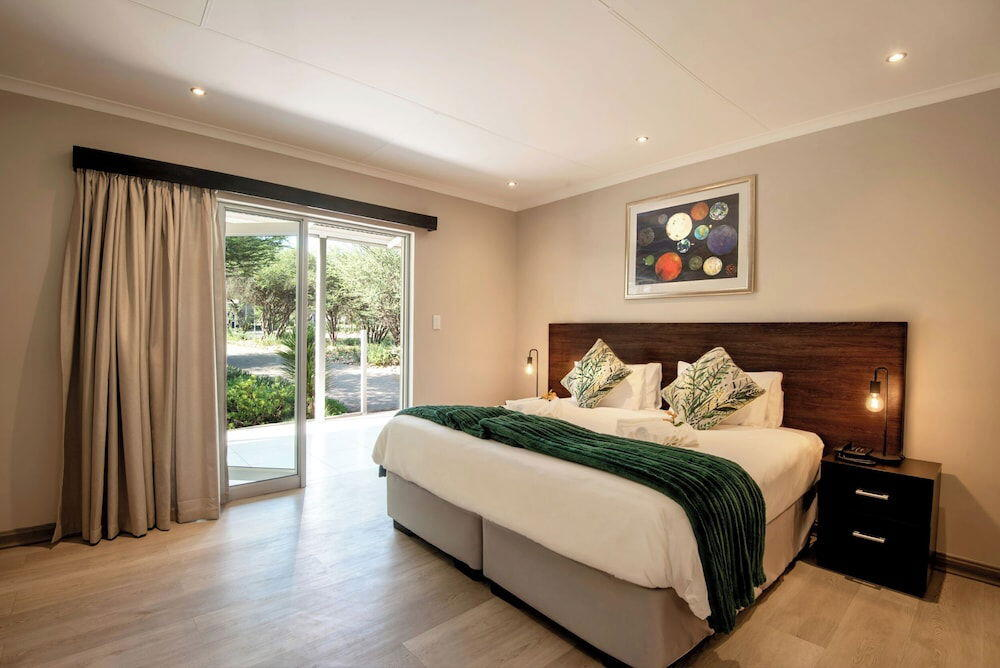
This strategy is often favourable for budget travellers. Guesthouses and budget hotels may not be listed online but are open to walk‑in clients.
Budget travellers should consider these tips:
- Ask to view the room before accepting.
- Clarify what is included in the price.
- Assess security and location.
- Negotiate respectfully during off‑peak seasons.
This makes reserving rooms as you travel in Africa both affordable and rewarding.
Connectivity and Technology
Internet connectivity is not guaranteed everywhere. To support this travel style:
- Buy a local SIM card.
- Download offline maps.
- Save accommodation details offline.
- Store emergency contact information.
Last‑minute bookings depend heavily on technology.
Local Practices and Cultural Sensitivity
Hospitality in many African countries is personal and relationship‑oriented. Walking into a guesthouse and speaking directly with the owner can lead to better service and more flexible arrangements.
However, expectations vary by region, so it is important to observe local customs and communicate respectfully.
Reserving Rooms for Different Traveller Types
Solo Travellers
- Prioritise safety and central locations.
- Avoid arriving late without a reservation.
- Choose properties with good reviews.
Couples
- Flexibility works well during off‑peak seasons.
- Consider booking a few nights in advance for peace of mind.
Families
- Advance booking tends to be more secure.
- Room availability and family‑friendly facilities are important.
Long‑Term Travellers
- This strategy suits extended journeys.
- It adapts to changing budgets and interests.
Common Mistakes to Avoid
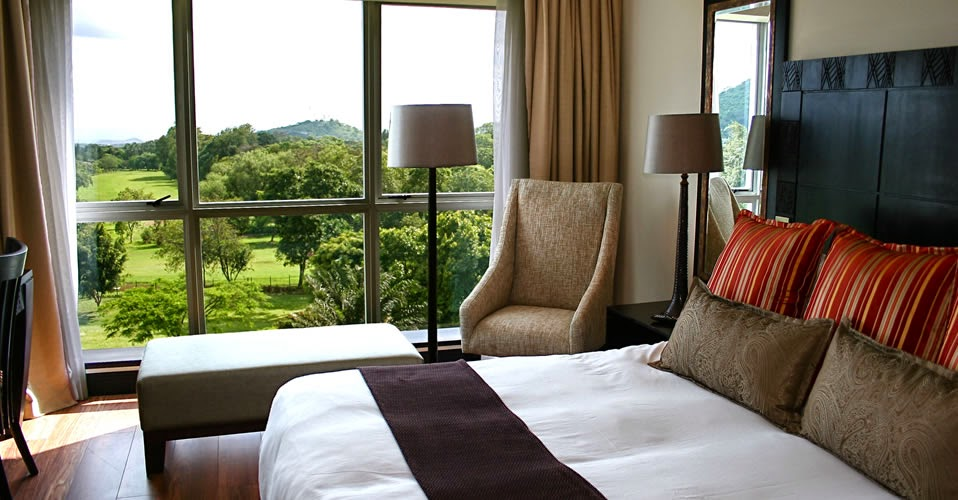
To travel without a fixed reservation plan, avoid these pitfalls:
- Assuming availability everywhere.
- Ignoring seasonal demand.
- Arriving late at night without a plan.
- Choosing accommodation based solely on price.
- Failing to research neighbourhoods.
Avoiding these mistakes maximises the success of reserving rooms as you travel in Africa.
Combining Flexibility with Structure: A Hybrid Approach
Many travellers find a hybrid approach most effective:
- Book accommodation in advance for high‑demand destinations.
- Leave some gaps in the itinerary for spontaneity.
- Book one or two days ahead while travelling.
This balances freedom with security.
Final Decision Checklist
Before adopting this travel style, consider these questions:
- Am I comfortable with uncertainty?
- Am I travelling during peak season?
- Do I have reliable internet access?
- Does my travel profile have safety concerns?
Your answers will help determine whether this strategy is appropriate.
Conclusion
Reserving rooms as you travel in Africa offers a way to experience the continent with freedom, flexibility, and spontaneity. For travellers who value adaptability and making choices along the way, it can lead to richer experiences, unexpected discoveries, and meaningful local interactions.
However, success depends on preparation, destination selection, seasonality, and comfort with uncertainty. By understanding when this strategy is most effective, using technology wisely, and avoiding common pitfalls, reserving rooms as you travel in Africa can be both practical and rewarding. Striking a balance between planning and openness enhances your accommodation decisions, allowing you to travel with confidence, curiosity, and control – and truly enjoy the African experience.