
The issue of quality sleep is universal in the contemporary world, and the continent of Africa, endowed with a wealth of cultural diversity and ecological variety, offers an equally diverse range of sleeping practices. Sleeping options in Africa span from traditional woven mats under baobab trees to luxurious eco‑lodges with modern comfort, shaped by local culture, climate, and developing tourism trends.
This comprehensive exploration examines traditional sleep styles, nomadic and eco‑conscious structures, wellness‑focused environments, and technology‑enabled sleep solutions. Whether you are a tourist seeking unique accommodation, a researcher studying cultural sleeping practices, or someone interested in sustainable, health‑centred sleep environments, this guide will take you through Africa’s fascinating sleeping landscape.
1. Traditional Sleeping Alternatives in Africa
1.1 Sleeping Mats and Floor Bedding
In many parts of Africa, traditional sleeping mats remain common due to their simplicity, portability, and cooling properties. These mats are typically made from natural materials such as sisal, palm leaves, or grass.
- East Africa: In Kenya and Uganda, mats called kikoy or makuti are used in rural households.
- North Africa: In Morocco, zillij‑patterned floor mats are used not only for sleeping but also for daytime rest.
- West Africa: Mat sleeping is widespread in Ghana and Nigeria during warmer seasons, as the low ground allows better air circulation and keeps users cool.
These traditions emphasise natural materials and simplicity, promoting a calm sleep environment without excessive bedding.
1.2 Elevated Sleeping Platforms
In certain societies, such as the Dogon of Mali and the Himba of Namibia, elevated platforms are constructed using wood, reeds, or mud bricks. Benefits include:
- Protection from ground insects and crawlers.
- Better ventilation in hot climates.
- Durable, locally sourced designs.
These elevated structures demonstrate local communities’ adaptation to environmental challenges.
2. Nomadic and Mobile Sleep Solutions

2.1 Bedouin and Tuareg Sleeping
Among nomadic peoples, particularly the Bedouins and Tuaregs of North Africa and the Sahara, mobile sleeping solutions are perfected. These typically involve:
- Lightweight tents of cotton or goat hair.
- Ground‑insulating mattresses.
- Wrap‑around blankets for cold desert nights.
The nomadic sleep model emphasises portability, ventilation, and thermal control – an alternative to fixed‑roof housing.
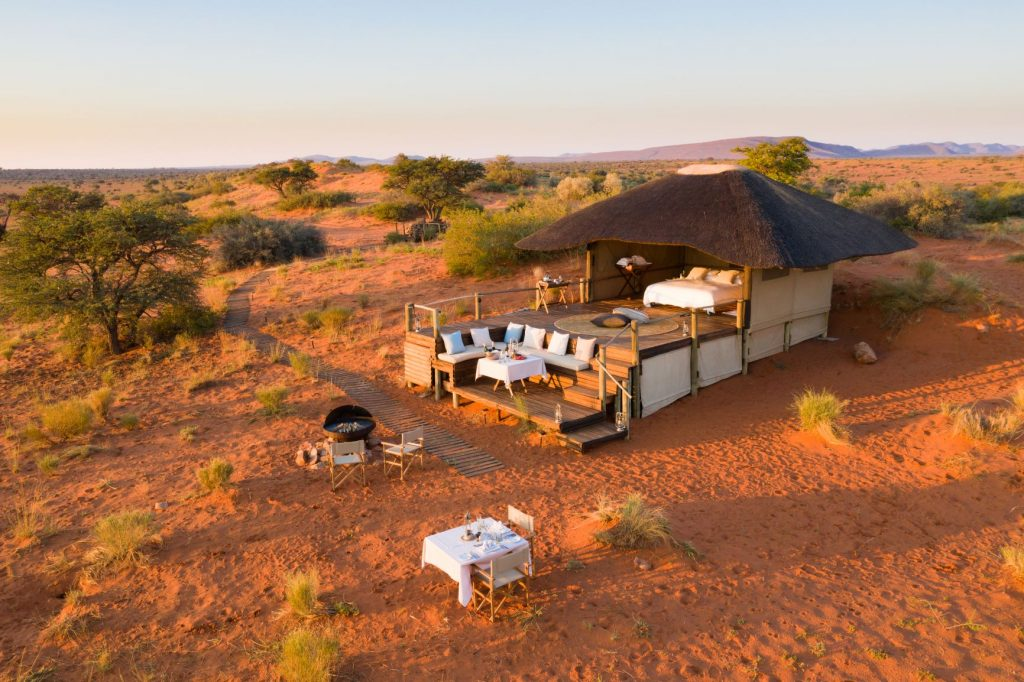
2.2 Mobile Lodges and Safari Camps
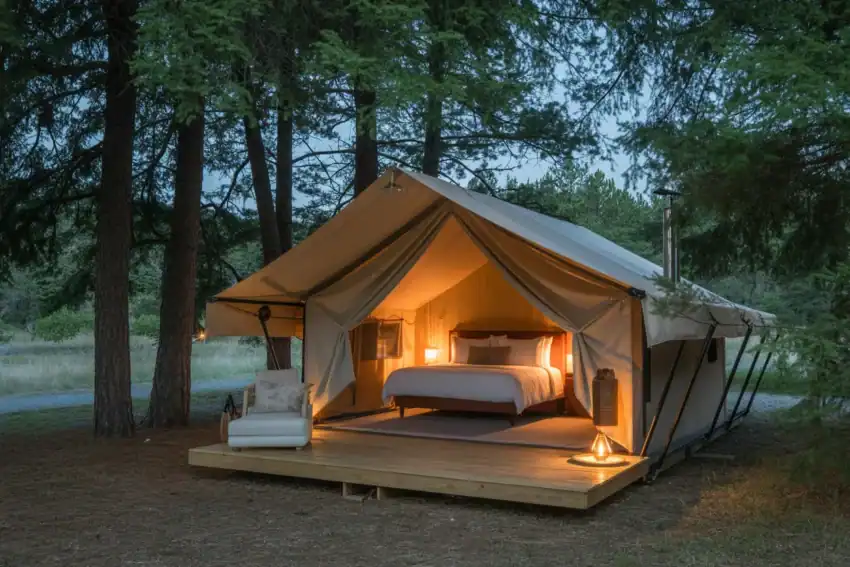
Mobile safari sleep experiences are attractive alternatives for adventure travellers. These temporary camps typically offer:
- Canvas tents on elevated platforms.
- Solar‑powered lighting.
- Locally inspired bedding.
Safari camps are popular in regions such as the Serengeti (Tanzania), Maasai Mara (Kenya), and Okavango Delta (Botswana), where comfort combines with wilderness immersion. The appeal is not merely sleep but sleeping with nature – listening to night sounds and waking to sunrise over the savannah.
3. Sustainable and Eco‑Friendly Sleeping Solutions
As sustainable tourism and environmental conservation gain importance, Africa has embraced eco‑lodges and green sleeping options that minimise environmental impact.
3.1 Treehouse Lodges and Elevated Eco‑Rooms
Eco‑tourism destinations in Rwanda, Uganda, and South Africa offer treehouse accommodation blending luxury with forest conservation. Advantages include:
- Elevated positions for better air circulation and reduced ground moisture.
- Natural materials that blend aesthetically with surroundings.
- Often integrated into forest canopies for immersive nature experiences.
These eco‑lodges typically use solar power, rainwater collection, and locally sourced materials, making them popular among sustainability‑conscious travellers.
3.2 Natural Stone Cabins and Earthbag Domes
In South Africa’s Cederberg region and in Morocco, stone cabins and earthbag domes offer natural structures with:
- Excellent thermal insulation.
- Local building traditions.
- Minimal environmental disturbance.
These sleeping options appeal to those who enjoy nature without sacrificing comfort.
4. Wellness‑Centred Sleep Experiences
Sleep solutions focused on wellness, relaxation, and mental health are a growing trend in Africa, combining local healing practices, spas, and mindfulness.
4.1 Sleep‑Focused Boutique Retreats
Boutique retreats in Kenya, South Africa, and Morocco now offer:
- Sound therapy sessions.
- African botanical herbal sleep infusions.
- Aromatherapy with native scents such as frankincense and myrrh.
These wellness‑focused stays prioritise holistic rest – reducing stress and promoting rejuvenation.
4.2 Yoga and Meditation Retreats
Beach resorts in Ghana and Zanzibar, and mountain resorts in Ethiopia and Rwanda, now offer:
- Sunrise meditation sessions.
- Nighttime sound baths.
- Breathwork courses for better sleep.
These alternatives reflect changing attitudes toward mindful sleeping, where physical rest is balanced with emotional and spiritual practices.
5. Modern Accommodations with Sleep Innovation
5.1 Smart Hotels and High‑Tech Sleep Solutions
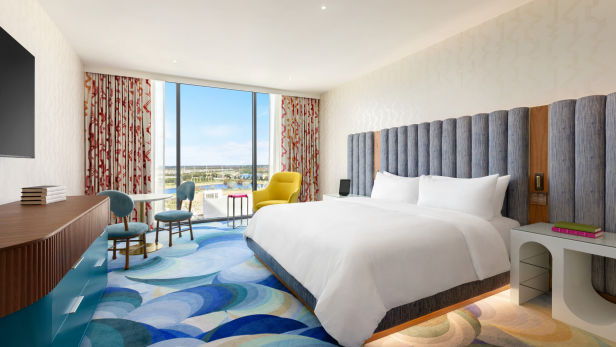
Smart hotels with features enhancing sleep quality have increased in major urban centres such as Johannesburg, Nairobi, Accra, and Cairo. Modern sleep‑friendly features include:
- Lighting adjustment systems.
- Temperature‑controlled bedding.
- Noise‑cancellation technologies.
- In‑room sleep‑tracking applications.
These technologies appeal to business travellers and tech‑enthusiasts who value personalised sleep settings and data‑driven comfort.
5.2 Capsule Hotels in Metro Cities
Capsule hotels are becoming popular in high‑growth cities like Nairobi and Lagos, especially for overnight stopovers, transit passengers, and budget travellers. Features include:
- Compact sleep pods with privacy screens.
- Efficient use of urban space.
- Cost‑effective accommodation.
- Shared bathroom facilities.
Capsule lodging is a clever, low‑cost sleep solution as cities become more crowded and travel patterns evolve.
6. Community‑Driven Sleeping Practices

African cultures value communal sleeping not only for practical reasons but also as a socially positive choice.
6.1 Communal Bunkhouses
In many rural West and East African societies:
- Multiple generations sleep together.
- Large mats or mattresses are placed side by side.
- Family integration and security are emphasised.
This practice reflects cultural values of togetherness and mutual responsibility.
6.2 Village Guesthouses and Community Guest Huts
In Senegal, Ethiopia, and Tanzania, villages accommodate tourists in community guest huts. These alternatives:
- Offer genuine intercultural exchange.
- Provide cost‑effective sleeping arrangements.
- Support local economies.
For travellers seeking deep cultural engagement, these shared accommodations provide comfort while fostering local connections.
7. Health, Climate, and Sleep Adaptations

7.1 Climate‑Responsive Sleeping
Africa’s varied climate – from Sahara heat to equatorial humidity – influences sleep preferences:
- Hot and dry regions: Low beds, cotton sheets, sleeping in open air or canopies.
- Tropical climates: Natural ventilation, elevated floors, and mosquito nets.
- Cool highlands: Fire bedding, thick blankets, and enclosed sleeping huts.
These adaptations show how environment shapes sleeping practices for comfort and practicality.
7.2 Sleep Hygiene and Public Health Programmes
Sleep health is gaining attention across Africa due to urbanisation and lifestyle changes. Initiatives now focus on:
- Educating about healthy sleep habits.
- Combining medical and traditional solutions.
- Reducing noise and pollution effects in cities.
These efforts promote long‑term well‑being and establish the value of quality sleep in daily life.
8. The Future of Sleeping Alternatives in Africa
8.1 Green Tourism Development and Sustainable Innovation
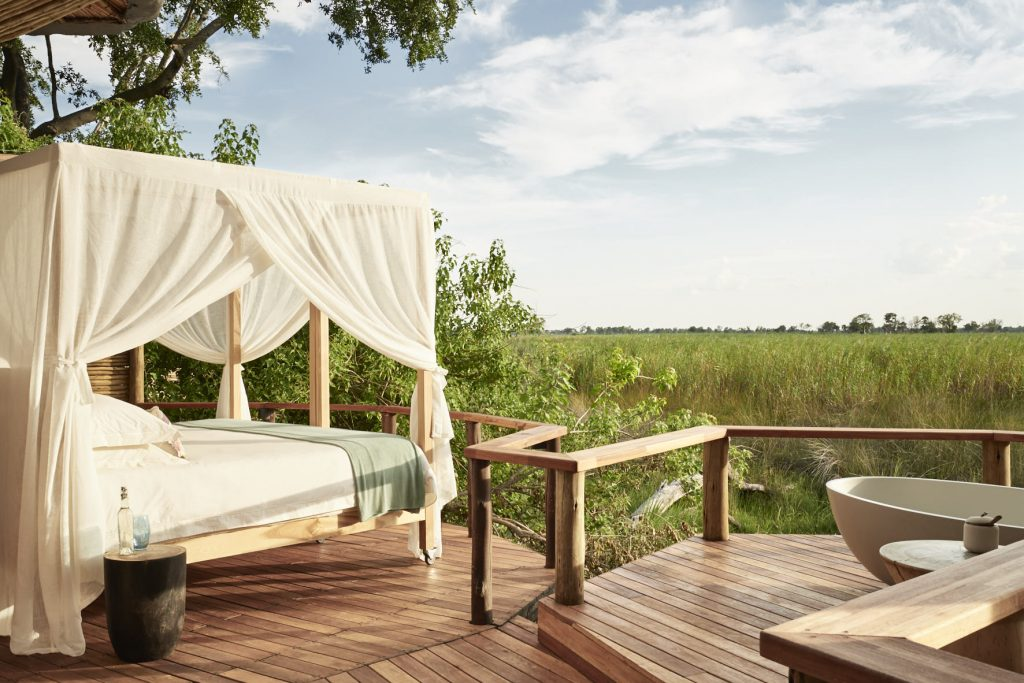
With the growth of eco‑tourism, Africa is well‑positioned as a sustainable sleep innovator, including:
- Solar‑powered cabins.
- Off‑grid lodges.
- Biodegradable sleep pods.
These innovations appeal to mindful travellers seeking greener lodging options.
8.2 Technology‑Enabled Comfort in Remote Areas
Emerging technologies – such as low‑cost insulation materials, portable solar generators, and sleep‑tracking devices – can extend smart sleeping options to non‑urban environments, including forest lodges and villages.
8.3 Cross‑Cultural Sleep Tourism
Africa’s rich cultural heritage offers significant potential for sleep tourism – where travellers seek experiential sleep stays. Examples include:
- Nomadic desert sleep under the stars.
- Forest canopy sleep in eco‑treehouses.
- Cultural storytelling sleep rituals in village guest stays.
This niche is attracting attention among travellers seeking unique rest experiences.
Conclusion
Sleeping alternatives in Africa are as diverse as the continent itself. From woven mats and community sleeping huts to innovative eco‑lodges and cutting‑edge smart hotels, the options balance sustainability, modernity, comfort, and culture.
Whether you are a local seeking affordable sleep habits, a visitor seeking unique and memorable stays, or a sustainability advocate looking for eco‑friendly options, Africa offers a wide and growing range of sleeping solutions.
In an era where sleep quality directly affects health and productivity, understanding these alternatives deepens appreciation for African approaches to rest, wellness, and cultural expression.