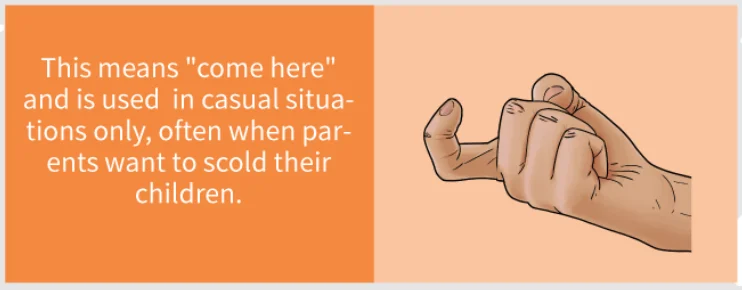
Travelling through Africa is an exciting and engaging experience. The continent is a blend of cultures, languages, and traditions – from the bustling streets of Lagos to the peaceful villages of Tanzania. Non‑verbal communication is one of the most fascinating elements of African culture. Gestures play a significant role in social interactions, and learning them enables travellers to navigate social environments, build trust, and avoid misunderstandings.
Understanding African gestures is essential for travellers who wish to interact respectfully and meaningfully. In Africa, gestures may express greetings, honour, humour, or warnings. Misinterpreting these cues can cause confusion or inadvertent insult, but understanding their meanings adds richness to your visits and fosters connection to local cultures.
This guide discusses common gestures, their meanings, and practical tips for travellers to understand and use these gestures when exploring Africa.
The Importance of Gestures in African Communication
With over 2,000 languages spoken across Africa, non‑verbal communication is especially significant. In rural settings or multilingual communities, gestures often bridge language barriers.
Key reasons why understanding gestures is crucial include:
- Cultural respect: Many gestures carry social or spiritual significance.
- Communication enhancement: Non‑verbal cues complement verbal communication and help convey intentions.
- Safety and awareness: Recognising warning signs or cautionary gestures helps travellers stay safe.
- Enriched experiences: Correct use of gestures fosters positive interactions and relationships.
Travellers who study African body language are better equipped to engage respectfully and meaningfully with local communities.
Common African Gestures and Their Meanings
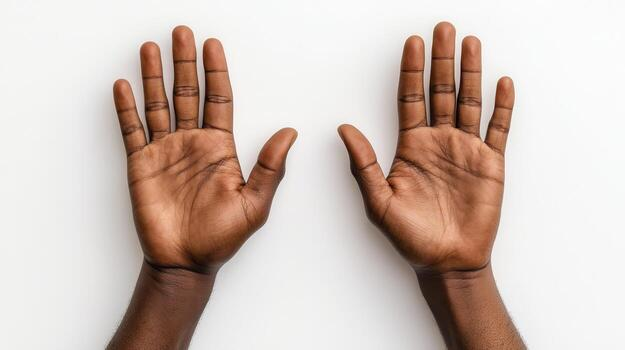
African gestures vary by region, but several are commonly understood across multiple countries. Here is a breakdown:
1. Greetings and Respect
- Handshakes: In West Africa, handshakes are often firm or accompanied by a snap of the fingers. In East African nations such as Kenya and Tanzania, handshakes may involve bowing or touching the elbow with the other hand.
- Cheek Kissing: Cheek‑kissing greetings are common among friends and family in countries such as Senegal and Morocco.
- Clapping Hands: In some Southern African societies, gentle clapping is used as a sign of respect or acknowledgment.
2. Expressing Appreciation or Gratitude
- Hand on Chest: Common in North and West Africa, this gesture expresses sincerity and thankfulness.
- Head Nods and Tilts: A slight nod indicates agreement or acknowledgment, while tilting the head can signal attentive listening.
3. Agreement or Disagreement
- Thumbs Up: Generally a positive gesture indicating approval, especially in urban areas.
- Shaking Head: Indicates disagreement or refusal, though speed and intensity vary by region.
- Hand Waves: A slow wave usually signals hello or goodbye; a fast wave may indicate urgency.
4. Respect for Elders
- Bowing Slightly: In many traditional societies, bowing or lowering the head shows deference to elders or authority figures.
- Eye Contact: In certain cultures, such as in West Africa, prolonged eye contact signifies respect rather than defiance.
5. Humour and Playfulness
- Finger Gestures: Pointing with an index finger can be considered rude in some places; using the whole hand is preferred.
- Light‑hearted Gestures: Friendly teasing or playful gestures can indicate camaraderie and friendship.
6. Cautionary or Warning Signals
- Hand Raised Palm Out: Signals “stop” or “wait” in most urban and rural settings.
- Touching Forehead or Temple: May indicate confusion or thought, depending on context.
Regional Differences in Gestures
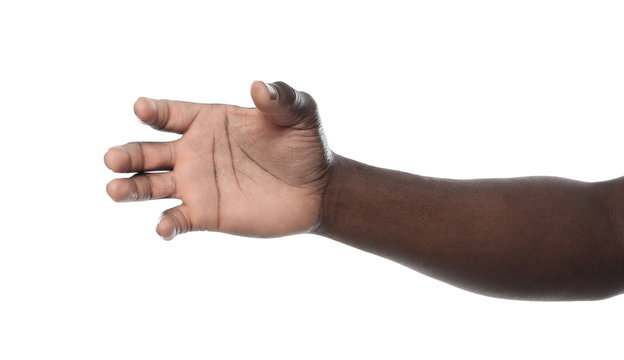
Africa is vast, and gestures can vary significantly by region:
North Africa
- Influenced by Arab and Berber cultures.
- Formal greetings and prayers frequently involve specific gestures.
- Prolonged eye contact can be considered rude.
West Africa
- In Nigeria and Ghana, handshakes often include finger snaps.
- Greeting rituals are often multi‑step, involving bowing and respectful gestures.
- Respectful gestures toward elders are deeply embedded in social norms.
East Africa
- Open‑handed gestures are preferred over pointing.
- Clapping or waving hands may indicate approval or recognition.
- Subtle head movements express sympathy or acknowledgment.
Southern Africa
- In countries such as South Africa and Botswana, gestures are influenced by Zulu, Xhosa, and Tswana cultures.
- Bowing or slight lowering of the body conveys respect.
- Gestures are often accompanied by rhythmic movements, especially in traditional ceremonies.
Central Africa
- Gestures reflect both indigenous traditions and colonial influences from French or Portuguese cultures.
- Handshakes, nods, and touching the chest with the hand are common signs of respect.
Traveller Tips: Learning African Gestures
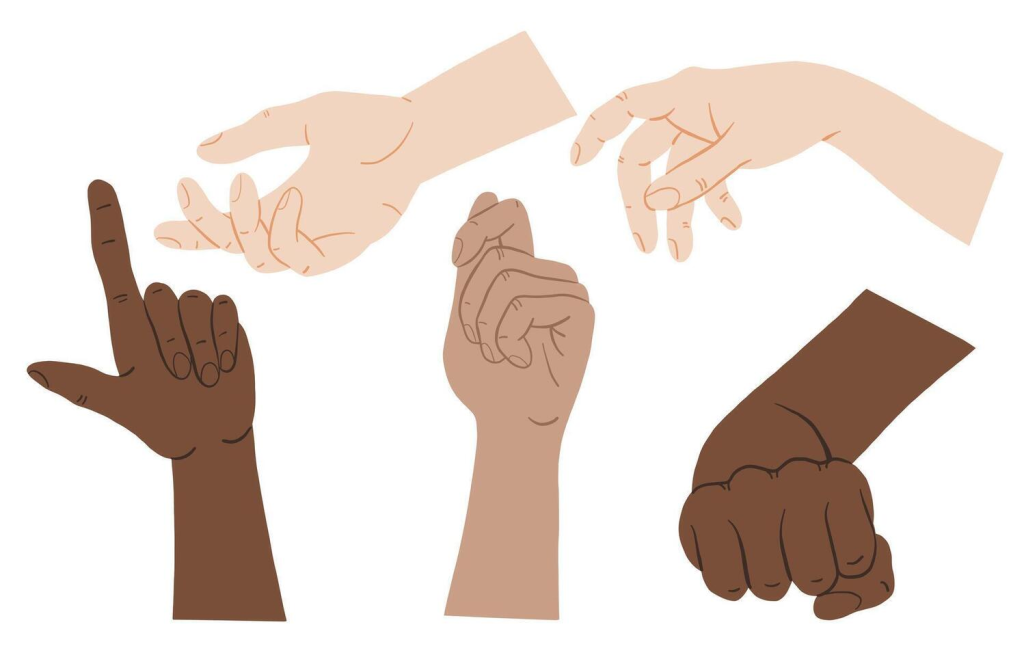
- Observe First: Before gesturing, watch how locals interact. Imitating subtle gestures is less risky than guessing meanings.
- Combine Gestures with Words: Use gestures alongside simple phrases or greetings for clearer communication.
- Keep Hands Visible: Pointing with a single finger, raising the sole of your foot, or using inappropriate hand signs may be considered disrespectful in some places.
- Practice Cultural Sensitivity: Recognise that gestures are linked to social hierarchies, traditions, and cultural norms.
- Use Gestures to Bridge Language Gaps: When words fail, gestures can effectively convey meaning.
- Smile Often: A friendly smile enhances any gesture and helps establish positive rapport.
- Learn Local Signs: Local guides or community members can explain subtle gestures specific to the area you are visiting.
Body Language in Markets and Public Spaces
Understanding gestures is especially useful in markets, transport hubs, and busy city centres:
- Price Negotiation: Use gestures to indicate quantity, size, or preference.
- Calling Attention: Open hands or slight waving toward a vendor is a polite way to get attention.
- Indicating Location: Use the whole hand rather than a single finger.
- Thanking Vendors: Placing a hand on the chest or extending an open hand is a common sign of gratitude.
Mastering these gestures facilitates smoother transactions and builds rapport with locals.
Gestures in Religious and Ceremonial Settings

Many African rituals – including weddings, initiations, and festivals – rely heavily on non‑verbal communication:
- Dances: Express social status, storytelling, or celebration.
- Rhythmic Hand Claps: Indicate participation or approval.
- Body Posture: In some ceremonies, bowing low or kneeling may be required.
Travellers attending cultural ceremonies should observe carefully and follow local cues to avoid unintentional disrespect.
Common Mistakes Travellers Make
- Assuming Gestures Are Universal: A thumbs‑up in one region may be offensive in another.
- Over‑Reliance on Gestures: Using gestures without verbal context can confuse locals.
- Ignoring Signals of Respect: Failing to show respect through gestures may be perceived as rude.
- Misinterpreting Humour: Playful gestures can be misunderstood without knowledge of local customs.
Avoiding these errors ensures that your understanding of African gestures enhances your travels rather than hindering them.
Technology and Gesture Interpretation
While gestures are traditionally non‑verbal, technology can help travellers interpret them:
- Video Tutorials: YouTube and travel blogs often demonstrate cultural gestures.
- Language and Culture Apps: Some apps include guidance on non‑verbal communication in African countries.
- Local Guide Services: In cities or traditional lands, guides can demonstrate and explain correct gestures.
Combining observation with digital resources builds confidence in non‑verbal communication.
Benefits of Learning African Gestures
- Enhanced Travel Experiences: Engaging effectively with locals increases enjoyment and reduces stress.
- Improved Safety: Recognising warning signs helps avoid confrontation or unsafe areas.
- Cultural Immersion: Gestures offer insights into values, traditions, and social hierarchies.
- Better Relationships: Correct use of gestures builds trust and fosters friendships.
Frequently Asked Questions
Q1: Are gestures the same across all of Africa?
A1: No. Gestures vary by region, culture, and context. Observing locals is essential for correct interpretation.
Q2: Can gestures replace verbal communication?
A2: Gestures complement verbal communication but rarely replace it entirely. Combining both is most effective.
Q3: Are any gestures considered offensive?
A3: Yes. In some areas, pointing with a single finger, showing the soles of feet, or using certain hand gestures may be disrespectful.
Q4: How can I learn about gestures before travelling?
A4: Watch videos, read travel blogs, consult local guides, or refer to cultural books.
Q5: Are gestures more important in rural areas?
A5: Yes. In areas with fewer speakers of English, French, or other lingua francas, gestures become especially valuable.
Conclusion
Learning African gestures is an important skill for travellers seeking authentic and respectful experiences. Africa’s diversity makes non‑verbal communication both practical and culturally enriching. By observing locals with patience and practising appropriate gestures, travellers can navigate the continent with greater confidence and sensitivity.
Mastering gestures ensures smoother interactions in markets, safer travel, and deeper cultural engagement. Whether in cities or rural areas, during traditional rituals or everyday encounters, gestures offer valuable insights into African values, traditions, and social norms.
By approaching African gestures with attention, respect, and creativity, travellers can transform this aspect of their journey into one of the most fulfilling parts of their trip – ensuring every interaction is both memorable and meaningful.