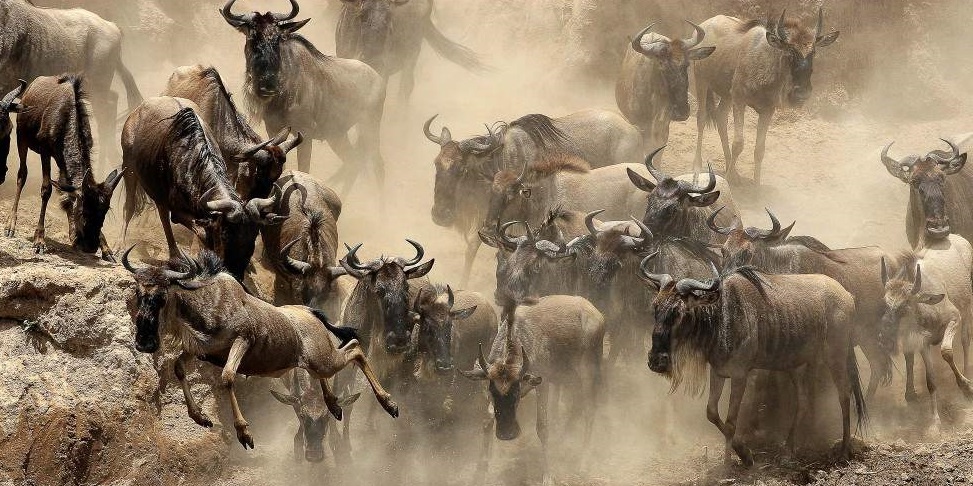
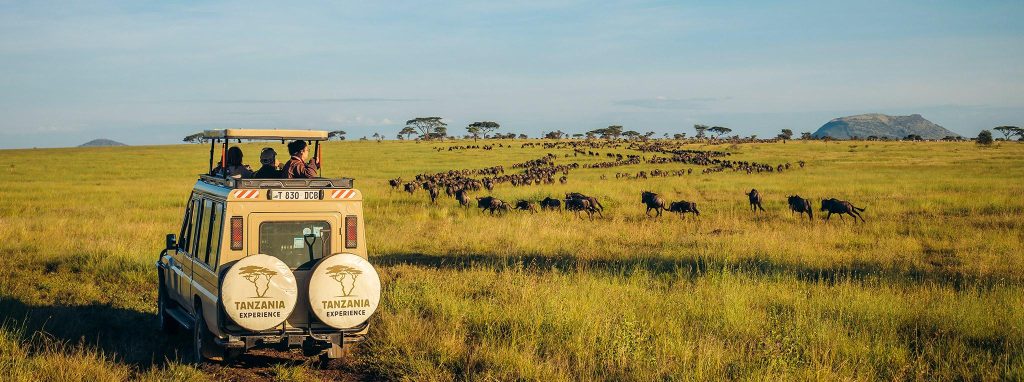
Africa has become synonymous with memorable safaris, vast landscapes, diverse wildlife, and cultural enrichment. The opportunity to see the Big Five – lions, elephants, buffaloes, leopards, and rhinos – in their natural ecosystems has long been a draw for thousands of tourists visiting iconic destinations such as the Maasai Mara, Kruger National Park, and the Serengeti. However, with the growing crowding of these famous safari parks, many travellers are seeking alternatives: Africa safaris that are less crowded. These exclusive experiences allow visitors to access the continent’s wildlife in a more relaxed and intimate environment, without the rush of large tour groups.
This article explores some of the best and most unusual Africa safaris that are not crowded, where you can immerse yourself in nature and observe wildlife without feeling overwhelmed by large numbers of tourists. These destinations are found in the most remote parts of national parks or in hidden, lesser‑known areas where stunning and enriching safari experiences can be obtained. Whether you are a first‑time visitor or a veteran safari‑goer, these less crowded places will introduce you to the beauty of Africa’s wilderness in a more personal and intimate manner.
Why Choose Less Crowded Safari Destinations
Less crowded safari destinations offer several advantages over popular parks. With fewer vehicles and visitors, you can enjoy a more peaceful and authentic wildlife experience. Game drives are more personalised, and sightings often feel more intimate. These remote areas also tend to have lower environmental impact, supporting conservation efforts and sustainable tourism. For travellers seeking a deeper connection with nature and a sense of discovery, less crowded safaris provide an unparalleled experience.
Top Less Crowded Safari Destinations in Africa
1. Gonarezhou National Park – Zimbabwe
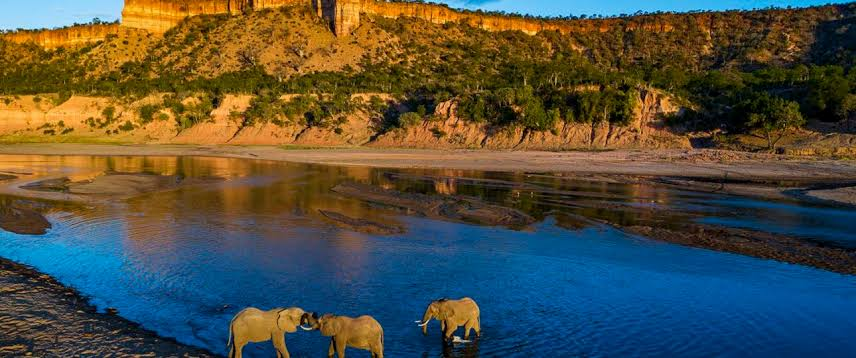
Gonarezhou National Park is an undiscovered jewel for those seeking a less crowded African safari in southeastern Zimbabwe. Located far off the tourist‑trodden tracks, Gonarezhou is a remote national park that boasts beautiful scenery and amazing fauna. While it is not as well explored as other Zimbabwean parks such as Hwange and Matobo Hills, it offers a pristine wilderness experience.
Why Gonarezhou National Park Is a Unique Safari Destination
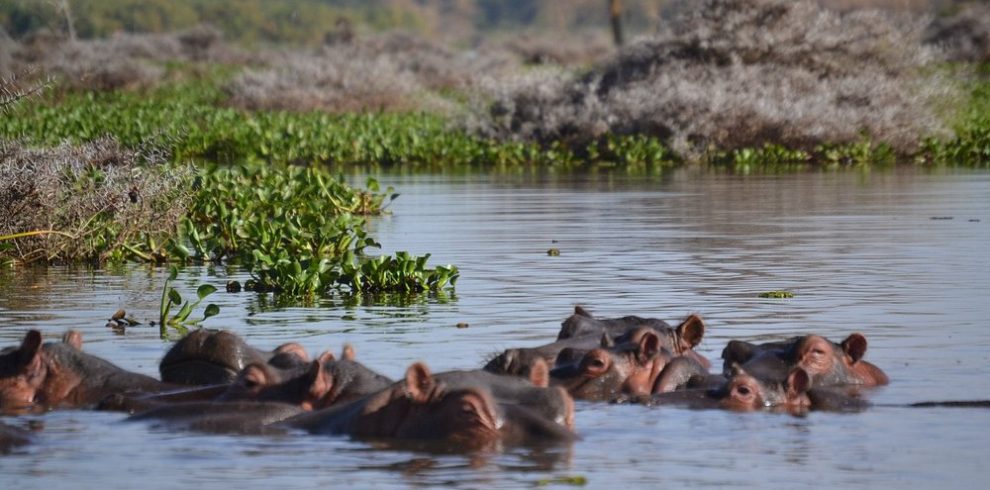
Gonarezhou derives its name from the place of the elephants and has large populations of these magnificent animals. The park provides a pure wilderness experience with diverse wildlife, including leopards, wild dogs, hippos, crocodiles, and over 400 bird species. The dramatic scenery – sweeping savannahs, rugged hills, and the spectacular Chilojo Cliffs that jut out from the Runde River – leaves visitors amazed.
Activities and Experiences
- Game Drives: Gonarezhou is very quiet, allowing visitors to experience its wilderness with less noise and fewer vehicles.
- Walking Safaris: Guided walking safaris offer an opportunity to connect with the park’s ecosystem. Visitors can discover the pristine environment and learn about local flora, fauna, and culture.
- Birdwatching: Gonarezhou is a birdwatcher’s paradise, offering a chance to enjoy rich birdlife away from crowded sites.
Sustainability and Conservation
Gonarezhou prioritises conservation, and its remote location helps reduce the impact of tourism on its surroundings. Local communities are supported through community‑based tourism, and sustainable wildlife management is encouraged.
2. Selous Game Reserve – Tanzania
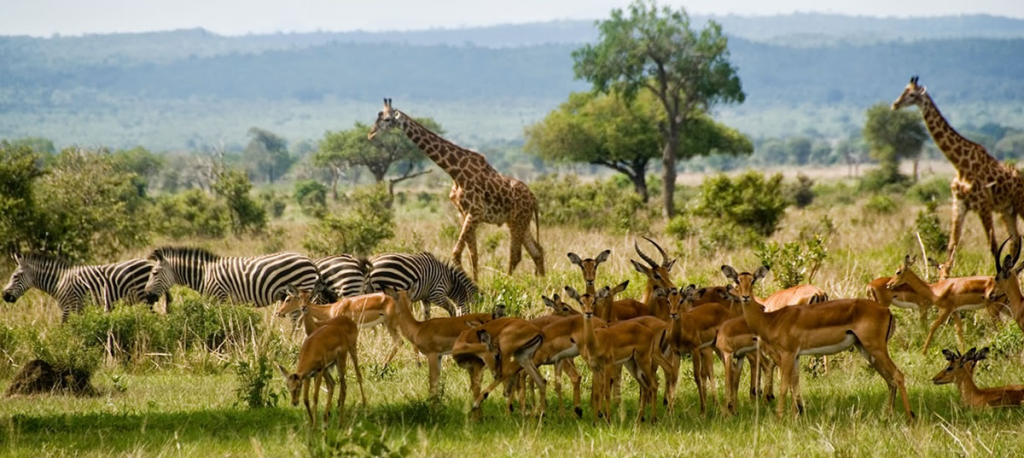
One of the largest game reserves in the world, Selous Game Reserve is located in southern Tanzania. Although it is vast and features great biodiversity, Selous is often overshadowed by more famous places like the Serengeti or Ngorongoro Crater, resulting in a significantly quieter experience.
Why Selous Game Reserve Is a Good Place for a Less Crowded Safari
Selous is a UNESCO World Heritage site with natural beauty and a diverse ecosystem consisting of open savannahs, thick forests, and wetlands. The reserve is home to large numbers of elephants, hippos, crocodiles, lions, and wild dogs. Its remoteness and less developed tourist facilities mean fewer visitors compared to other Tanzanian parks, making it an ideal destination for an intimate safari experience.
Activities and Experiences
- Boat Safaris: Boat safaris on the Rufiji River allow visitors to see hippos, crocodiles, and numerous bird species from a unique perspective.
- Walking Safaris: Walking safaris provide an opportunity to explore the wilderness at close range with a guide, offering a more intimate and interactive experience.
- Game Drives: Unlike in crowded parks, private game drives in Selous allow visitors to see wildlife in a more natural environment.
Sustainability and Conservation
Selous has been a leader in sustainable safari tourism. Eco‑lodges in the area follow eco‑friendly practices, and conservation efforts ensure the preservation of wildlife and habitat for future generations.
3. Kafue National Park – Zambia
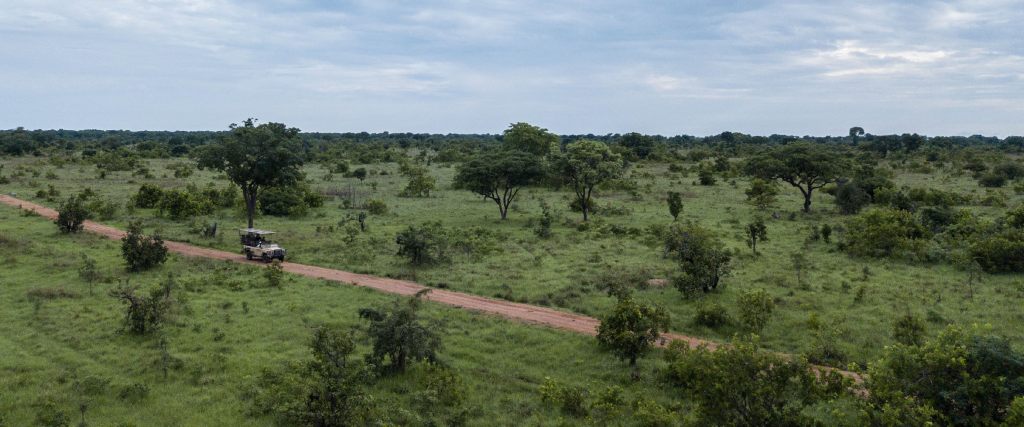
Kafue National Park is one of the oldest and largest national parks in Africa, situated in central Zambia. Although relatively large, Kafue remains isolated and nowhere near as busy as East African parks, making it an excellent choice for a personalised safari adventure.
Why Kafue National Park Is a Hidden Gem for Less Crowded Safaris
Kafue National Park is distinguished by its diverse range of ecosystems – from wetlands to grasslands – and a wide array of wildlife, including cheetahs, lions, leopards, and buffaloes. Its remoteness and limited tourism infrastructure mean tourists can appreciate the park’s beauty without the expected crowds. This offers an authentic African safari experience.
Activities and Experiences
- Game Drives: With low visitor numbers, game drives in Kafue offer an exclusive way to view wildlife in a serene setting. The park is also famous for large herds of kudu and sable antelope.
- Boat Safaris: The Kafue River provides an ideal setting for boat safaris, allowing visitors to observe wildlife and birds along the riverbanks.
- Walking Safaris: Guided walking safaris allow tourists to explore the wilderness on foot, learning more about plants and animals in the park.
Sustainability and Conservation
Kafue National Park places great emphasis on conservation and sustainable tourism. Its remote location helps conserve natural habitats, and several lodges in the vicinity support community development and environmental education programmes.
4. Rwenzori Mountains – Uganda
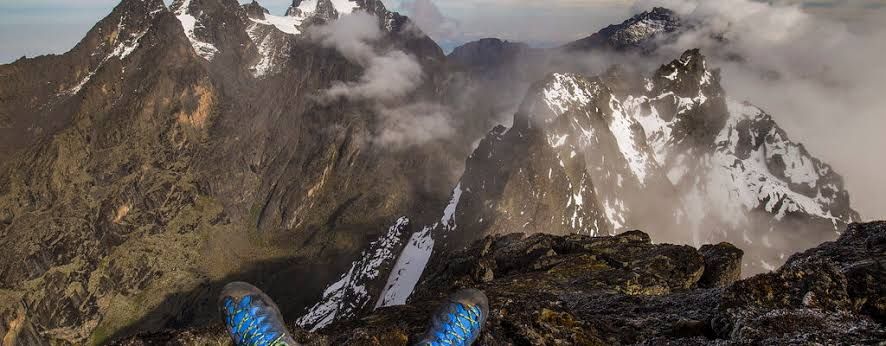
The Rwenzori Mountains National Park, also known as the Mountains of the Moon, in Uganda, provides a unique adventure for those seeking a less crowded African safari. This UNESCO World Heritage site is close to the border with the Democratic Republic of Congo and is known for spectacular scenery, high biodiversity, and challenging hiking.
Why the Rwenzori Mountains Are a Special Safari Destination
The Rwenzori Mountains offer a total contrast to the typical safari experience, with rugged terrain and high‑altitude wildlife encounters. It is not a place for standard game drives but an interactive and energetic adventure. The park is home to endemic species, including the Rwenzori colobus monkey, the rare bongo antelope, and several endemic bird species. Glaciers, waterfalls, and alpine vegetation provide a spectacular and otherworldly landscape.
Activities and Experiences
- Mountain Trekking: Trekking is the main activity in the Rwenzori Mountains. A variety of trails are available, from short hikes to multi‑day treks that lead to peaks with views of glaciers and panoramic landscapes.
- Birdwatching and Wildlife Viewing: The park’s rich forests and alpine grasslands are inhabited by numerous endemic species, making it a perfect place to go when you have had enough of a normal safari experience.
Sustainability and Conservation
The Rwenzori Mountains focus on saving their unique environment through sustainable tourism. Conservation involves local communities, and eco‑lodges in the area are designed to be environmentally friendly.
5. Namib Desert – Namibia
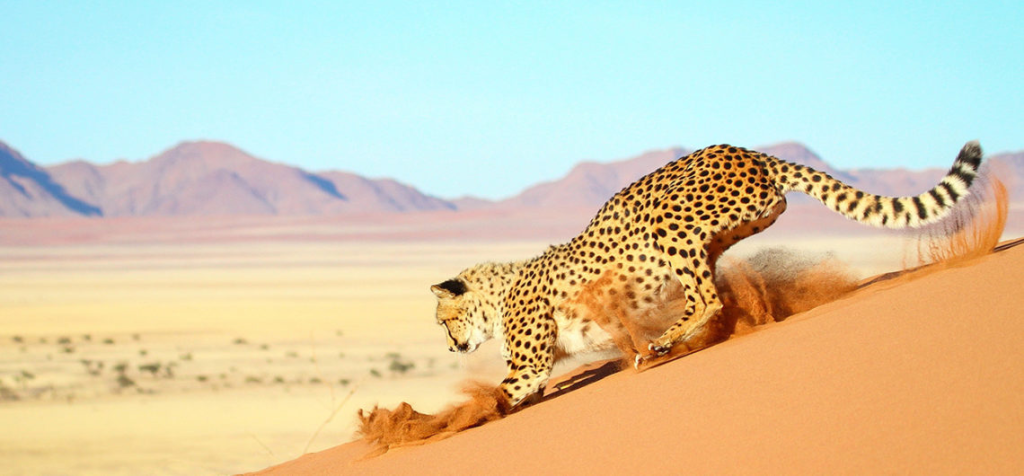
Namibia’s Namib Desert is a beautiful and isolated place, one of the oldest deserts in the world, offering less crowded African safaris. The vast dunes, arid terrain, and special fauna make it one of the most amazing landscapes in Africa. Although it does not feature typical safari experiences, it offers a unique adventure in an otherworldly setting.
Why the Namib Desert Is Perfectly Uncrowded for a Safari
The Namib Desert offers a fantastic alternative form of safari, where one can explore its surreal scenery, observe wildlife adapted to the desert, and appreciate the amazing views of the dunes. Compared to other safari spots, the Namib Desert is not very busy with tourists, offering a quiet and reflective experience.
Activities and Experiences
- Desert Dune Safaris: Sossusvlei’s red dunes are one of the most renowned Namibian landscapes, and a safari in this region gives tourists a memorable experience of the desert.
- Wildlife Spotting: Desert‑adapted oryx, springbok, and rare desert lions can be observed on guided tours in their native environment.
- Stargazing: The Namib Desert has some of the best skies globally for stargazing due to very low light pollution.
Sustainability and Conservation
Namibia is associated with priorities in conservation and has made serious achievements in promoting eco‑tourism. The Namib Desert has well‑managed protected areas to ensure tourism has no negative effects on these delicate landscapes.
Best Time to Visit Less Crowded Safari Destinations
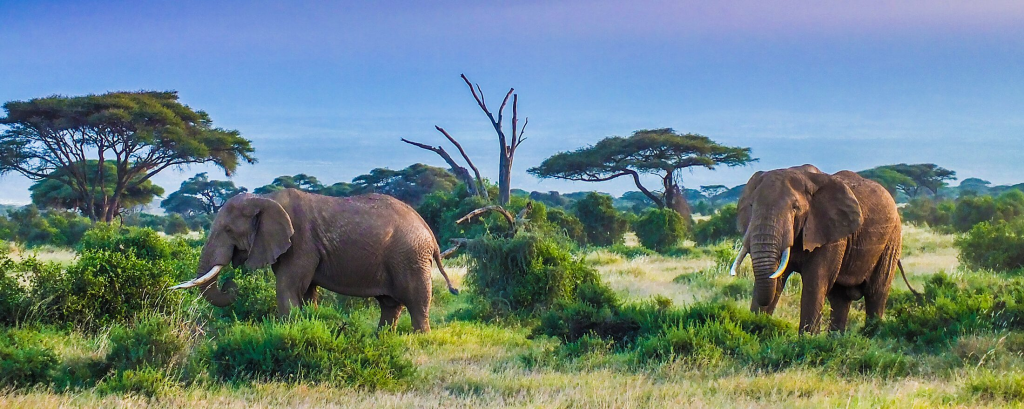
The dry season from May to October is generally the best time for wildlife viewing across most African destinations. During this period, vegetation is sparse, and animals gather around water sources, making them easier to spot. The weather is pleasant, with sunny days and cooler nights. The wet season from November to April brings lush landscapes, migratory birds, and dramatic thunderstorms but may make wildlife viewing more challenging.
Travel Tips for Less Crowded Safaris
- Book well in advance, as these remote lodges and camps have limited capacity.
- Pack lightweight, neutral‑coloured clothing for safaris, warm layers for cool evenings, and comfortable walking shoes.
- Bring binoculars, a camera with a telephoto lens, and extra batteries.
- Respect wildlife rules – never exit a safari vehicle except in designated safe zones.
- Tipping guides and camp staff is customary – budget accordingly.
- Be prepared for remote locations with limited connectivity and basic facilities.
Conclusion
Less crowded Africa safaris offer plenty of hidden gems that provide a more personalised and intimate experience. These off‑the‑beaten‑track safari destinations allow you to view the African wilderness more calmly and peacefully – from the remote wilderness of Gonarezhou National Park in Zimbabwe to the unique landscapes of the Rwenzori Mountains in Uganda or the Namib Desert in Namibia. Whether you choose a mountain hike, a river expedition, or a desert adventure, these exclusive safaris offer a more authentic, environmentally friendly, and enriching way to discover the great variety that the African continent has to offer. If you are seeking an Africa safari that is not only less populated but also truly memorable, these destinations must be on your list.